
Understanding Gold Market Trends in 2025: Complete Guide
The www.goldpricesinafrica.com market in 2025 is experiencing a remarkable surge, with prices reaching unprecedented levels driven by a complex interplay of economic, geopolitical, and social factors.
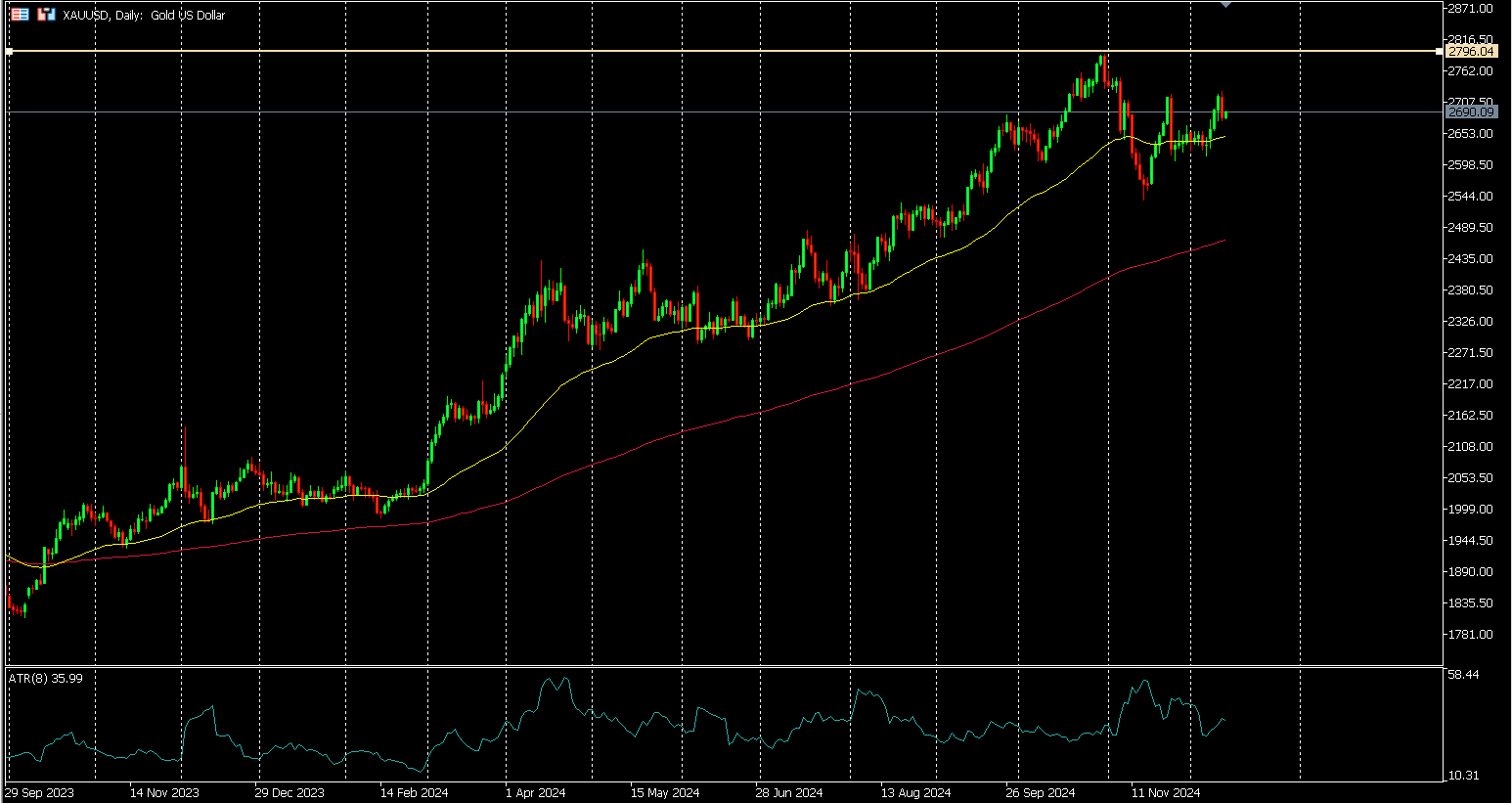
As of today,, 2025, the spot price of gold stands at approximately $3,374.43 per troy ounce, having hit a peak of $3,499.88 on April 22, 2025, according to data from TradingEconomics and LiteFinance.
This represents a 30% year-to-date increase, positioning gold as one of the top-performing assets in a year marked by volatility in equities and bonds.
To fully grasp these trends, we must explore the current state of the market, its historical context, key drivers, regional influences, investment options, and future projections, providing a detailed framework for investors and enthusiasts navigating this dynamic landscape.
Current State of the Gold Market
The gold market’s performance in the first half of 2025 has been nothing short of spectacular, with the London Bullion Market Association (LBMA) gold price averaging $2,860 per ounce in Q1, a 38% rise year-over-year, as reported by the World Gold Council.
This surge was propelled by a confluence of ftors, including the specter of US tariffs, heightened geopolitical uncertainty, stock market volatility, and a weaker US dollar.
Total gold demand in value terms reached nearly $111 billion in Q1, with a slight uptick in demand volumes translating to a 40% year-over-year increase in value, driven by the surging price.
On the supply side, total gold supply grew by 1% year-over-year to 1,206 tonnes, with mine production setting a Q1 record at 856 tonnes, up 1% from the previous year.
However, recycling declined by 1% as consumers held onto their gold, hoping for higher prices, according to the World Gold Council’s Q1 2025 report.
Over-the-counter (OTC) investment and stock changes were negative in Q1, but institutional and high net worth investors continued to show strong interest in gold, likely shifting focus from OTC to exchange-traded funds (ETFs), as suggested by market analyses.
Historical Context and Evolution
To understand the current trends, it is essential to examine gold’s historical performance, which reveals its role as a safe-haven asset during times of crisis. In the 1970s, gold prices surged from $35 per ounce to over $800 amid stagflation and the breakdown of the Bretton Woods system, marking the beginning of its modern investment appeal.
The 2008 global financial crisis saw gold rise from $700 to nearly $1,900 by 2011, as investors sought refuge from financial institution collapses and stock market declines.
During the COVID-19 pandemic in 2020, gold hit $2,067 per ounce, reflecting uncertainty and stimulus-driven inflation fears, as noted in historical data from TradingEconomics.
These cycles underscore gold’s resilience and its tendency to perform well during economic and geopolitical turmoil, a pattern evident in 2025’s rally.
Key Drivers Shaping Gold Market Trends
Several factors are driving the gold market’s upward trajectory in 2025. Geopolitical tensions, particularly conflicts in the Middle East and Ukraine, have heightened global uncertainty, making gold an attractive safe-haven asset.
Investors are turning to gold to protect their wealth amid fears of escalating tensions and potential disruptions to global trade and energy supplies, as highlighted in the World Gold Council’s Q1 report.
Inflation, averaging 5–7% globally, further bolsters gold’s appeal, as it maintains purchasing power better than fiat currencies.
A weaker US dollar, trading at 83.5 INR/USD, enhances affordability for non-dollar buyers, particularly in emerging markets like India, where gold prices have risen to ₹101,962 per 10 grams for 24K, a 30% increase from earlier in the year, per MCX data.
Central bank policies are another critical driver. The US Federal Reserve’s potential rate hikes, aimed at combating inflation, could strengthen the dollar, potentially capping gold gains, but expectations of cuts in 2025, as suggested by the World Gold Council, may support prices. Central banks, especially in emerging markets, are projected to purchase 900 tonnes of gold in 2025, up from 800 tonnes in 2024, according to J.P. Morgan Research, providing a structural foundation for price support.
Investor demand, particularly through ETFs, has been robust, with inflows reaching $5 billion in Q1 2025, reflecting a growing preference for gold as a hedge against economic uncertainty and stock market volatility, as reported by Reuters.
Supply constraints also play a role, with mine production at 856 tonnes in Q1 and recycling down, suggesting a tightening market that could drive prices higher if demand persists.
The World Gold Council notes that global gold production remains flat at around 3,500 tonnes annually, constrained by high mining costs and environmental regulations, further supporting the bullish trend.
Regional Influences and Market Dynamics
Regional dynamics significantly shape gold market trends, with Asia leading consumption. India, the second-largest gold consumer, accounts for 800–900 tonnes annually, driven by cultural demand for jewelry during weddings and festivals like Diwali.
The country’s gold prices, influenced by a weaker rupee and high import duties (10%) and GST (3%), have seen a 30% year-to-date increase, reaching ₹101,962 per 10 grams for 24K, as per MCX data.
China, the top consumer, has also seen strong demand, with urban middle-class buyers favoring gold bars and digital investments amid domestic economic challenges, contributing to global price pressures.
Western markets, such as the US and Europe, contribute through investment demand, with ETFs playing a significant role in absorbing gold.
ETF inflows reached $5 billion in Q1 2025, a stark contrast to outflows in 2023, as reported by Reuters, reflecting a shift toward gold as a portfolio diversifier.
These regional variations highlight gold’s universal appeal, though price sensitivity differs based on local economic conditions, with Asia driving consumption and the West focusing on investment.
Investment Options and Strategies
Investors have a variety of options to participate in the gold market, each with its own risk and return profile. Physical gold, including coins, bars, and jewelry, remains popular, especially in Asia, where cultural affinity drives demand.
However, physical gold incurs storage costs and premiums (5–20% for jewelry), reducing returns, as noted in market analyses.
Digital gold, offered by platforms like Paytm in India and BullionVault globally, allows fractional ownership from $1, eliminating storage concerns but introducing platform fees, according to platform data.
Sovereign Gold Bonds (SGBs) in India, with 2.5% annual interest and tax exemptions, appeal to conservative investors, though their 8-year lock-in limits liquidity, as per RBI guidelines.
Gold ETFs and mutual funds, traded on exchanges like NSE or NYSE, offer high liquidity and track spot prices, attracting institutional investors, with inflows reaching $5 billion in Q1 2025, per Reuters.
Gold futures, traded on MCX or COMEX, allow for leveraged positions but carry high risk due to margin requirements and potential for significant losses, suitable only for experienced traders, as highlighted in LiteFinance analyses.
Investors should consider their risk tolerance, investment horizon, and market conditions when choosing among these options.
Diversification across physical, digital, and paper gold can help mitigate risks and optimize returns, aligning with long-term wealth preservation goals.
Future Outlook and Projections
Looking ahead, the gold market is expected to remain bullish, with prices potentially reaching $3,700–$3,925 per ounce by the end of 2025, according to forecasts from Goldman Sachs and LiteFinance.
The most optimistic scenarios suggest prices could surge to $3,956.22, while more conservative estimates see gold at $3,315.00 by year-end, as per LiteFinance predictions. These projections are driven by continued geopolitical risks, central bank buying, and investor demand, particularly from ETFs and China, as noted by J.P. Morgan Research.
However, there are risks that could temper this upward trajectory. A stronger US dollar, driven by Federal Reserve rate hikes, could cap gold gains, potentially leading to corrections.
Economic recovery in major markets like the US or China might reduce safe-haven demand, though persistent inflation is likely to sustain interest.
In India, festival season demand (October–December) is expected to push local prices to ₹105,000–₹110,000 per 10 grams for 24K gold, per MCX forecasts, reflecting regional dynamics.
In the long term, analysts predict prices could reach $6,800 per ounce by 2040, based on historical trends and increasing demand from central banks and investors, as suggested by Axi. Technological advancements, like blockchain-based gold trading, and sustainability concerns, such as environmental regulations constraining mine development, will also shape the market, potentially leading to supply shortages and further price increases.