
Raw Gold Bars Price Today | Buy Wholesale from Africa 2025
Raw gold bars represent one of the most authentic and sought-after forms of gold in the global market.
Unlike fully refined bullion, these bars often retain their natural, unpolished state, making them highly attractive to jewelers, refiners, and investors looking for bulk acquisitions at competitive rates.
Their rarity and direct link to mining regions add to their value as both a commodity and an investment.
In 2024, Africa exported over $20 billion worth of raw gold, much of it in bar form, reinforcing the continent’s position as one of the largest and most reliable sources of natural gold.
Africa’s gold-rich nations, including Uganda, Ghana, Mali, and the Democratic Republic of Congo, supply raw gold bars to international buyers who recognize the potential for higher returns after refining.
For investors, raw gold offers an opportunity to purchase closer to the source, often at lower premiums compared to finished bullion. Jewelers also favor raw bars for their flexibility in creating unique, high-demand designs.
raw gold bars are more than just a precious metal—they’re a strategic investment tool and a gateway to Africa’s booming gold trade.
What Are Raw Gold Bars?
Raw gold bars are unrefined or semi-refined pieces of gold, usually produced directly from mining sites before undergoing advanced purification processes.
Unlike investment-grade bullion, which is refined to 99.9% purity, raw gold bars often contain between 85% and 92% pure gold, with natural impurities such as silver, copper, or other minerals.
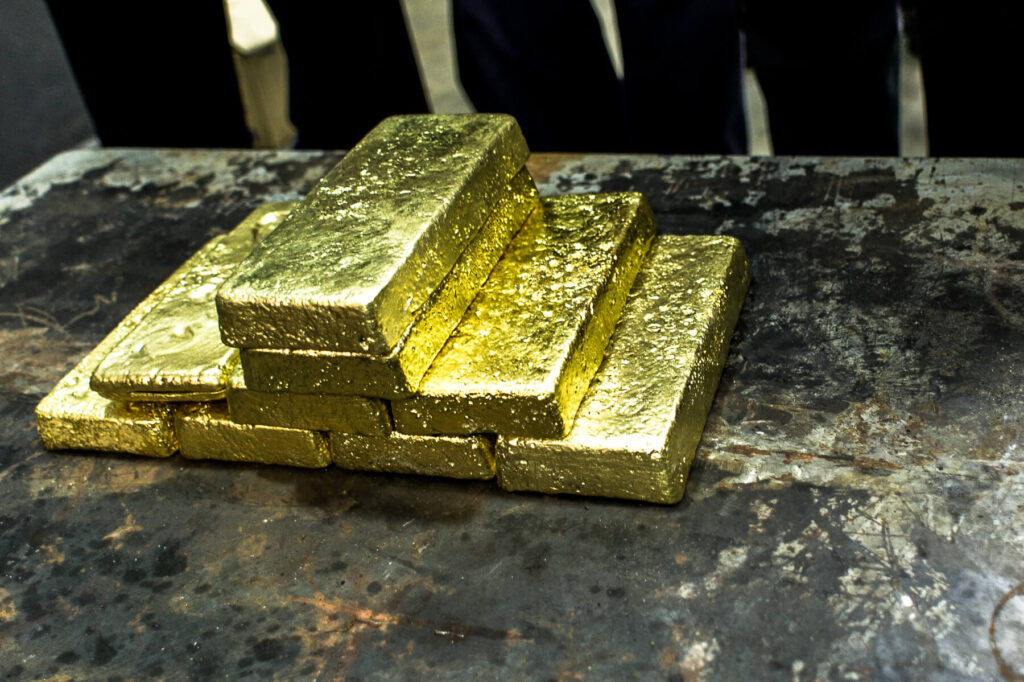
They are typically cast in rough shapes, making them distinct from the polished, uniform bullion bars seen in international banks and refineries.
Raw Gold vs. Refined Bullion
-
Raw Gold Bars – Natural, unrefined, lower purity, cheaper to acquire, often bought by jewelers and refiners for further processing.
-
Refined Gold Bars (Bullion) – Processed to near-perfect purity (99.9% or 24K), stamped with weight, fineness, and certification, sold at a higher premium.
-
Gold Nuggets – Naturally occurring lumps of gold found in rivers or mines, irregular in shape, often smaller in size than raw bars, but highly valued by collectors.
Why Raw Gold Bars Are Cheaper but Still Valuable
Raw gold bars are generally less expensive because they skip the costly refining process. However, their intrinsic gold content ensures they maintain strong market value.
Buyers—especially refiners, traders, and jewelers—can profit by refining these bars into higher-purity bullion or crafting them into jewelry, making raw gold a smart entry point for those seeking both affordability and long-term gains.
Raw Gold Bar Price Today
Live Gold Spot Prices (Sept 5, 2025)
| Unit | Spot Price (USD) |
|---|---|
| Per ounce | $3,567.10 |
| Per gram | $114.68 |
| Per kilo | $114,684.84 |
Note: Spot prices are uniform globally but premiums and delivery costs vary by region.
Raw vs. Refined Gold Prices
-
Raw Gold Bars: Typically traded at or near the spot price, though buyers may negotiate discounts (e.g., 85–92% purity raw bars vs. 99.9% refined bullion). These are favored by refiners and jewelers who handle purification or crafting.
-
Refined Bullion: Comes with a premium above spot price due to purification, certification, and minting. Bullion bars are often 99.5–99.99% pure and cost more per gram/ounce.
Regional Price Considerations
| Region | Pricing Insights |
|---|---|
| Africa | Raw bars are often cheaper when bought directly from miners but refiners and exporters may offer only a portion of international spot value due to logistics and purity concerns. |
| USA / Europe | Refined bullion typically sells at a noticeable premium over spot. Example: $3,640–3,700 per ounce for 1 oz refined bars. |
| UAE / India | Physical demand is high; dealers in India and China may offer discounts off spot to stimulate sales. |
| General Insight | Spot price stays consistent worldwide, but premiums vary based on regional demand, trust, authenticity, and logistical factors. |
Why Buy Raw Gold Bars?
Raw gold bars remain one of the most attractive options for investors, jewelers, and international traders seeking both affordability and profit potential.
Unlike refined bullion, which comes with higher premiums due to minting and certification, raw bars offer unique advantages that make them a smart entry point into the gold market.
1. Lower Price Point
Raw gold bars are generally priced below refined bullion because they bypass costly refining and branding processes. Buyers can acquire gold closer to its natural state at a reduced rate, making entry into the market more accessible.
2. Potential for Higher Returns
Once refined to 99.9% purity, raw gold bars significantly increase in market value. This offers buyers—especially refiners and dealers—a clear opportunity for profit.
3. Popular Among Jewelers and International Buyers
Jewelers prefer raw gold bars for their flexibility in crafting unique designs, while international buyers favor them for bulk purchases at lower premiums.
4. Direct Access to African Mines
Raw bars are easier to source in bulk directly from Africa’s gold-rich countries such as Uganda, Ghana, and Mali, cutting out middlemen and reducing costs.
Raw gold bars combine affordability, high potential returns, and global demand—making them a cornerstone investment for serious buyers.
Where to Buy Raw Gold Bars Safely
The biggest challenge when purchasing raw gold bars is ensuring authenticity and security.
With gold being one of the most valuable and widely traded commodities, scams and counterfeit bars are unfortunately common.
To protect your investment, buyers must source raw gold from reputable suppliers and follow proper verification procedures.
Top African Sources for Raw Gold Bars
-
Uganda – A fast-growing hub with strong export links to Dubai, India, and Europe.
-
Ghana – Africa’s second-largest gold producer, known for reliable supply chains.
-
Mali – A leading exporter of raw gold bars, especially in West Africa.
-
Congo (DRC) – Rich in resources, offering raw gold at competitive bulk prices.
-
South Africa – Historically one of the world’s largest gold producers with established refining facilities.
Verification Tips Before Buying
-
Assay Certificate – Confirms purity and weight of raw gold bars.
-
Government License – Only buy from dealers registered with mining or trade authorities.
-
Dealer Reputation – Research track records, client reviews, and industry partnerships.
-
On-site Testing – Use XRF machines or trusted third-party labs for verification.
Why Choose Gold Prices In Africa
At Gold Prices In Africa, we provide certified raw gold bars directly from licensed mines across Uganda, Ghana, Mali, and other African gold hubs.
Every shipment includes official assay reports, full export documentation, and secure delivery to major global markets.
Whether you’re a jeweler, trader, or investor, we guarantee authenticity, transparency, and competitive pricing—making us a trusted partner in the African gold trade.
Raw vs Refined Gold Bars
Understanding the difference between raw and refined gold bars is essential for investors, jewelers, and traders. Each type has its advantages, pricing, and ideal use cases.
| Feature | Raw Gold Bars | Refined Gold Bars (Bullion) |
|---|---|---|
| Purity Level | 85% – 92% gold | 99.9% gold (24K) |
| Price | Lower, close to spot value | Higher due to refining, minting, and certification premiums |
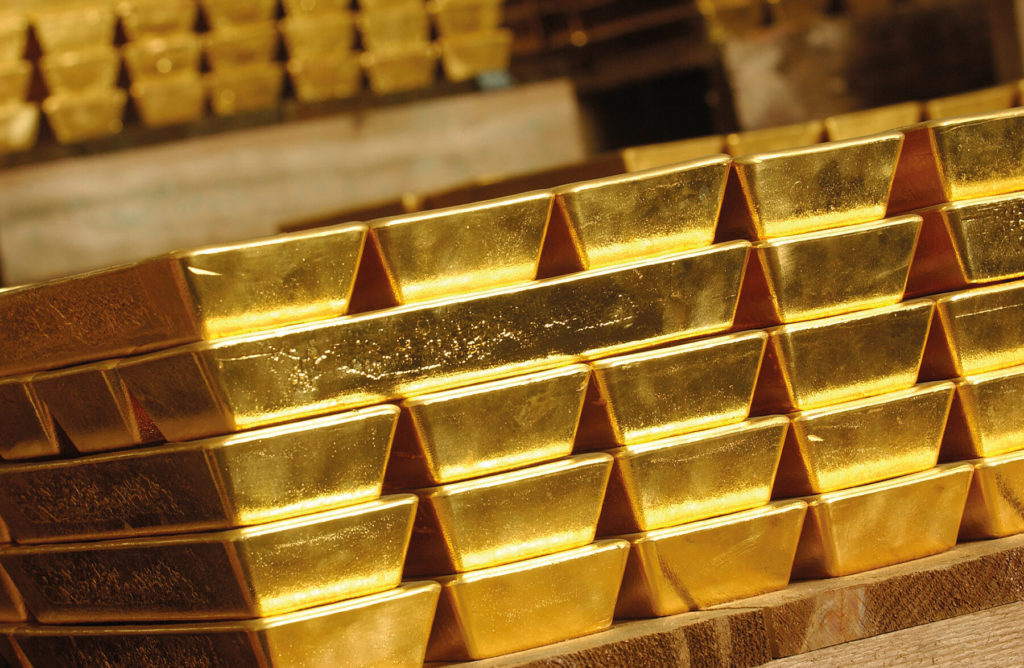
| Appearance | Rough, natural form | Polished, uniform, stamped with weight & purity |
| Buyer Use Cases | Jewelry making, resale after refining, bulk investment | Pure investment, banking, high-value gifting, secure storage |
| Availability | Direct from mines, African sources | International mints, banks, certified dealers |
| Pros | Lower cost, profit potential after refining | Guaranteed purity, easier to sell globally |
| Cons | Requires verification & potential refining | Higher purchase price, less customizable |
Key Takeaways
-
Raw gold bars are ideal for buyers seeking affordability and the potential for refining profit.
-
Refined gold bars are perfect for investors who prioritize guaranteed purity, international recognition, and liquidity.
-
Choosing between raw and refined depends on your goals: crafting, resale, or pure investment.
How to Import/Export Raw Gold Bars
Trading raw gold bars internationally requires careful adherence to legal and regulatory procedures.
Whether you are an investor, jeweler, or wholesaler, following the proper steps ensures compliance and protects your investment.
Regulatory Requirements
-
Export Permits – Most African gold-producing countries (Uganda, Ghana, Mali, South Africa, DRC) require licensed exporters to obtain official export permits before shipping raw gold abroad.
-
Customs Clearance – Customs authorities check documentation, weight, and purity before approving the movement of gold. Certificates of authenticity and assay reports are typically required.
-
Government Approval – Certain countries require approval from the Ministry of Mines or Trade Authorities for all raw gold exports.
Taxes, Duties, and Legal Documentation
-
Export/Import Duties – Varies by country; some African governments charge a percentage of the declared gold value.
-
Value Added Tax (VAT) – Applicable in some jurisdictions.
-
Documentation – Assay certificates, invoices, shipping bills, and licenses are mandatory to avoid seizure or fines.
Best Practices for Safe Shipping
-
Use licensed couriers or secure logistics companies specialized in precious metals.
-
Ensure insurance coverage for full shipment value.
-
Keep copies of all documentation, including government permits, assay certificates, and customs forms.
-
Consider tracking and tamper-proof packaging to reduce risk during transit.
Successfully importing or exporting raw gold bars requires legal compliance, verified documentation, and secure logistics.
Partnering with trusted suppliers like Gold Prices In Africa simplifies the process and ensures both safety and authenticity.
Investment Opportunities in Raw Gold Bars
Raw gold bars present lucrative investment opportunities for traders, jewelers, and global investors due to their affordability, versatility, and direct link to gold-producing regions.
Africa, with its abundant gold resources, remains a key source for high-quality raw bars, attracting buyers worldwide.
Why Traders Prefer Raw Gold from Africa
-
Cost Efficiency – Raw gold bars are often cheaper than refined bullion, allowing traders to buy large quantities at lower premiums.
-
High Purity Potential – African raw bars can be refined to 99.9% purity, increasing resale value.
-
Bulk Availability – Mines in Uganda, Ghana, Mali, and South Africa supply substantial quantities suitable for commercial investment.
Global Demand: India, UAE, and China
-
India – Gold is a cultural and financial asset; demand spikes during weddings and festivals.
-
UAE – Dubai serves as a major gold trading hub, importing raw bars for refining and re-export.
-
China – Industrial use and investment portfolios drive consistent demand for high-quality raw gold.
Long-Term vs Short-Term Investment Strategies
-
Long-Term – Buying raw gold bars for wealth preservation, hedging against inflation, or future resale at higher global spot prices.
-
Short-Term – Traders purchase raw bars at lower prices to refine and sell quickly for profit, capitalizing on market fluctuations.
Raw gold bars from Africa combine affordability, liquidity, and high global demand, making them an attractive option for both long-term investors and short-term traders seeking profitable opportunities.
Frequently Asked Questions
Q1: Are raw gold bars real gold?
Yes. Raw gold bars are genuine gold, typically containing 85–92% purity. They are often semi-refined and may include natural impurities like silver or copper. Buyers can refine them further to achieve 99.9% pure gold if desired.
Q2: How do I test the purity of raw gold bars?
-
Assay Certificate – The most reliable proof of purity, issued by licensed laboratories or mines.
-
XRF Testing – Non-destructive analysis to measure gold content.
-
Acid Test – Quick field test using nitric acid, though less accurate than lab methods.
-
Professional Appraisal – Have a certified jeweler or gold dealer verify your bars.
Q3: Can I resell raw gold bars?
Yes. Raw gold bars can be sold to refiners, jewelers, or certified gold dealers. Their resale value depends on weight, purity, global spot price, and market demand. Buyers often profit by refining or selling to international markets.
Q4: Which African country sells the cheapest raw gold?
Prices vary, but countries like Uganda, Mali, and Congo (DRC) often offer raw gold bars at competitive rates due to lower premiums, high production volumes, and direct mine access. Always verify authenticity and ensure compliance with export regulations.
Tip: Partnering with trusted suppliers like Gold Prices In Africa ensures certified, authentic raw gold bars with secure transactions.
Conclusion
Raw gold bars offer a unique combination of affordability, investment potential, and global demand. Sourcing them directly from Africa allows investors, jewelers, and traders to purchase high-quality gold at lower premiums while maintaining strong resale or refining value.
Understanding the differences between raw and refined bars, verifying authenticity, and following proper import/export procedures are essential for maximizing profits and ensuring secure transactions.
Whether you are a long-term investor seeking wealth preservation or a trader aiming for short-term gains, raw gold bars remain one of the smartest ways to tap into Africa’s gold market.
Looking to buy certified raw gold bars at competitive prices? Contact Gold Prices In Africa today for secure, reliable sourcing from Africa’s leading gold markets. Ensure authenticity, documentation, and safe delivery with every purchase.