
Buy Natural Gold Nuggets (2026)| Certified 22K-24K Price Guide
Invest in Natural Gold Nuggets: 2026 Purity & Price Guide Natural gold nuggets are the rarest form of physical gold, with most specimens averaging 20K to 23K (85%–97%) purity. Unlike refined bars, these raw treasures carry a dual value: the daily market spot price plus a “collector’s premium” due to their unique shapes and extreme scarcity.
Today’s Market Value As of April 2026, high-purity African nuggets are trading at a premium. Because they are untouched by industrial refining, 24K-equivalent nuggets are currently valued at approximately $151.50 per gram, while jewelry-grade nuggets (22K) sit near $138.80. Each piece is a one-of-a-kind asset that hedges against inflation better than paper currency.
Verified Authenticity At Gold Prices in Africa, we bridge the gap between the mine and the investor. Every nugget we source is subjected to XRF testing and density verification to ensure you are buying natural gold—not man-made casts. Whether you are a collector in Europe or a bulk buyer in Dubai, we provide the certified purity and transparent pricing needed for a secure investment.
What Are Gold Nuggets?
What is a gold nugget, exactly? A gold nugget is a naturally occurring piece of native gold that has broken away from its original lode and been shaped and smoothed by erosion and time.
These nuggets are typically found in riverbeds, alluvial deposits, or buried within rock formations, and range in size from tiny flakes to multi-kilogram specimens worth hundreds of thousands of dollars.
Unlike refined gold, which is processed and shaped into bars or coins, natural gold nuggets retain their raw, unaltered appearance.
Their irregular forms, rich golden hues, and unique textures make them highly prized by collectors, jewelers, and investors alike. Each nugget tells a geological story millions of years in the making.
Natural vs. Man-Made Gold Nuggets
Not all nuggets on the market are natural. Some are man-made or melted gold cast into nugget shapes, often sold to unsuspecting buyers at inflated prices.
While they may look similar at first glance, fake nuggets lack the organic texture and natural formation patterns seen in genuine pieces.
Real gold nuggets often contain traces of quartz or other minerals embedded within, adding to their authenticity and appeal.
Buyers should always request purity certifications and, when possible, rely on reputable dealers who specialize in natural gold nuggets.
Where Are Gold Nuggets Found?
Gold nuggets are relatively rare, and only a few regions in the world are known for consistently producing them. The most famous gold-producing regions include:
-
Australia – Particularly Western Australia and Victoria, home to some of the largest nugget finds in history.
-
Alaska, USA – Rich placer gold deposits in rivers and streams continue to produce nuggets today.
-
California, USA – A historic hotspot since the Gold Rush era.
-
Canada – The Yukon and British Columbia are known for nugget discoveries.
-
Africa – Countries like Ghana and South Africa also yield natural gold nuggets.
Whether you’re collecting, investing, or simply fascinated by natural beauty, types of gold nuggets offer a tangible connection to Earth’s hidden treasures.
How Are Gold Nuggets Formed?
If you’ve ever wondered, how are gold nuggets formed, the answer lies deep within the Earth’s geological processes — a story that spans millions of years.
Gold is created under extreme pressure and heat, often near tectonic fault lines where hydrothermal fluids carry dissolved gold through cracks in rock.
As these fluids cool, gold begins to solidify and accumulate within quartz veins. This is known as lode or hard rock gold.
Over time, natural forces like erosion, earthquakes, and water flow break these gold-bearing rocks apart, releasing the gold into the environment.
As pieces of gold are transported by rivers or streams, they become rounded and smoothed — forming what we call gold nuggets. These deposits, found in riverbeds or ancient stream channels, are referred to as placer deposits.
Placer vs. Hard Rock Gold
-
Hard Rock Gold: Found embedded in rock formations and often mined through blasting and crushing.
-
Placer Gold: Loose gold nuggets and flakes found in sand, gravel, and sediment — typically recovered through panning, sluicing, or dredging.
Why Are Some Gold Nuggets So Rare and Expensive?
Natural gold nuggets are extremely rare — especially those weighing over a few grams. Their value is influenced by more than just weight and purity; factors like shape, origin, and visual appeal also play a role.
Some nuggets are considered collectibles due to their unique formation or history, and can sell for far above their melt value.
Understanding gold formation geology not only deepens appreciation for these natural treasures but also helps buyers and investors make smarter purchasing decisions.
Why Gold Nuggets Are Valuable
The true gold nugget value goes far beyond just weight and purity. These rare, naturally occurring pieces of gold are prized for their beauty, uniqueness, and scarcity — making them one of the most sought-after forms of physical gold in the world.
1. Rarity and Natural Form
Unlike refined gold, which is melted down and shaped into bars, coins, or jewelry, natural gold nuggets are untouched by human hands.
Their irregular shapes, smooth textures, and occasional quartz inclusions make each nugget a one-of-a-kind specimen. Nuggets larger than a few grams are becoming increasingly rare, especially as accessible placer deposits are depleted.
2. Collector Demand
Collectors value gold nuggets not just for their gold content, but for their uniqueness and history. Nuggets from well-known gold fields like Australia, Alaska, or California often carry a premium because of their origin.
The more unusual the shape or size, the higher the demand — and the price.
3. Natural Gold vs. Refined Gold
When comparing natural gold vs refined gold, the difference is clear: refined gold is standardized and mass-produced, while natural nuggets are organic, finite, and non-replicable.
While both hold intrinsic value, natural nuggets often sell for above spot price due to their collector and aesthetic appeal.
4. Investment Appeal
Gold nuggets are not just for collectors — they also appeal to investors seeking to diversify with tangible, appreciating assets.
Because they’re physical and portable, they offer protection against inflation and currency volatility, with the added bonus of potential collector-driven price increases over time.
In short, gold nuggets combine rarity, beauty, and lasting value — a perfect trifecta for those looking to invest in something real.
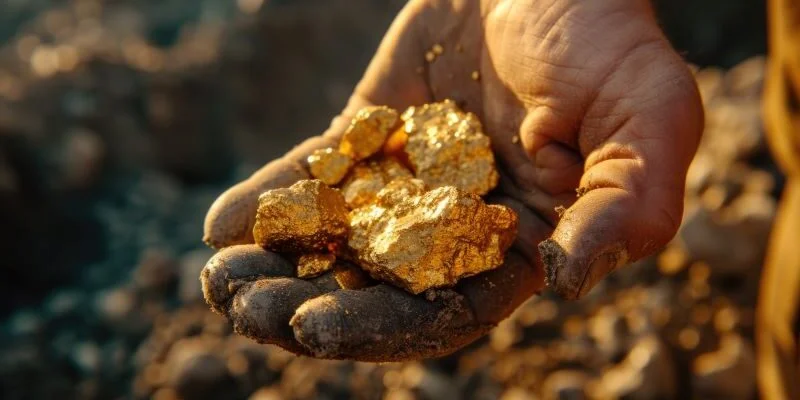
Gold Nugget Grading & Purity
Understanding gold nugget grading is essential for anyone looking to buy, sell, or invest in natural gold.
Unlike refined gold, which is standardized, each gold nugget is unique — so its value is determined by a combination of purity, size, weight, shape, and overall appearance.
1. How to Test Gold Nugget Purity (Karats)
Natural gold nuggets typically range from 18K to 23K in purity — meaning they contain between 75% to 95% pure gold, with the remainder made up of silver, copper, or other trace elements.
To accurately determine this, nuggets are tested using:
-
Acid tests (quick and affordable)
-
Electronic testers
-
XRF (X-ray fluorescence) for non-destructive, lab-grade analysis
-
Fire assay (the most accurate method but destructive)
Buyers should always request certification or documentation when purchasing high-value nuggets to verify authenticity and karat rating.
2. Size & Weight: Grams vs. Troy Ounces
Gold is typically measured in grams or troy ounces (1 troy ounce = 31.1035 grams). Larger nuggets often carry a premium due to their rarity.
For example, a 10-gram nugget may sell for more per gram than several smaller nuggets totaling the same weight.
3. Shape and Aesthetics
Beyond purity and size, collectors place a high value on aesthetics — smoothness, color, natural shape, and visible mineral inclusions like quartz can greatly affect a nugget’s appeal and price. Nugget “character” plays a key role in its desirability.
4. Assaying & Certification
For high-value transactions, professional assaying and certification ensure transparency and build buyer trust.
Reputable sellers often provide assay reports confirming karat and weight, which is especially important for resale or investment purposes.
Where to Buy Gold Nuggets Online or Offline
Knowing where to buy gold nuggets safely can make all the difference between securing a valuable investment and falling victim to overpriced or counterfeit gold.
Whether you’re purchasing online or in person, it’s essential to choose reputable gold nugget dealers and recognize the red flags that signal risk.
Trusted Online Gold Nugget Dealers
Buying gold nuggets online offers convenience and access to global markets — but only when dealing with verified, transparent sellers.
Here are some of the most trusted online platforms:
- Gold Prices In Africa LTD – A respected gold supplier offering natural gold nuggets sourced directly from African mining operations. Known for ethical sourcing, competitive pricing, and professional certification on all products.
-
GoldBay – Specializes in natural U.S.-sourced gold nuggets and placer gold. Provides detailed images, weights, and assay documentation.
-
The Gold Nugget Company – Offers certified Australian gold nuggets with worldwide shipping and clear purity documentation.
-
Northern Nevada Gold – A U.S.-based seller focusing on region-specific, natural gold nuggets with full transparency on size and weight.
-
Miners Depot – Trusted for both gold nuggets and prospecting gear, ideal for hobbyists and collectors alike.
-
eBay – Offers a wide range of gold nuggets, but buyers must thoroughly vet seller ratings, product reviews, and return policies.
Auctions & Online Marketplaces
-
Platforms like eBay, GoldBay Auctions, and Etsy host auctions for natural nuggets, but due diligence is essential.
-
Always review seller credentials, request test results or certificates, and confirm authenticity before bidding.
Local Gold Shops & Mining Expos
If you’d rather buy in person:
-
Visit local coin shops or precious metal dealers with a verifiable track record.
-
Attend gold and mineral shows, gem expos, or mining conventions — great opportunities to meet dealers face-to-face and inspect nuggets before purchasing.
Red Flags and Scams to Avoid
-
Unrealistic pricing: If it seems too good to be true, it probably is.
-
No certification: Steer clear of sellers who can’t provide test results or assay reports.
-
No return/refund policy: Legitimate dealers typically offer a short inspection or return window.
-
Fake or cast nuggets: Avoid man-made or melted gold pieces passed off as natural. Look for authenticity markers like rough texture, quartz inclusions, and weight-to-size ratio.
Choosing the right seller ensures you’re getting authentic, high-purity natural gold nuggets — whether you’re buying to invest, collect, or resell.
How We Eliminate Your Risk When Buying African Gold?
At Gold Prices in Africa LTD, we go beyond selling gold — we deliver authentic, ethically sourced gold nuggets and bars straight from Africa’s richest mines to your hands.
Here’s why customers around the world trust us:
Direct from Source — No Middlemen
We operate close to the mines, which means better prices, fresher supply, and full traceability of every nugget we sell.
Certified Authenticity & Assay Reports
Every product is professionally tested and certified, so you know exactly what you’re getting — no fakes, no cast replicas, just 100% natural gold.
Trusted Worldwide
With satisfied clients across Europe, the Middle East, Asia, and the Americas, our reputation is built on transparency, reliability, and secure international shipping.
Competitive Pricing
By sourcing directly and operating efficiently, we offer exceptional value — whether you’re a first-time buyer or bulk investor.
Secure Transactions & Insured Delivery
Your investment is protected from purchase to delivery, with discreet packaging and insurance included for peace of mind.
Gold is timeless. Your buying experience should be too.
Choose Gold Prices in Africa LTD for real gold, real value, and real confidence.
How to Sell Gold Nuggets for Maximum Profit
If you’re ready to sell gold nuggets, getting the best return involves more than just finding a buyer — it requires understanding your nugget’s true value, choosing the right platform, and protecting yourself from scams. Whether you’re selling a small flake or a rare multi-ounce specimen,
here’s how to do it the smart way.
Who Buys Gold Nuggets?
The first step in selling is knowing your target market. Common buyers include:
-
Gold dealers – Buy based on purity and weight, usually at or slightly below spot price.
-
Collectors – Often pay a premium for unique, large, or region-specific nuggets.
-
Jewelers and artists – Seek nuggets for custom gold pieces, especially those with interesting shapes or natural quartz inclusions.
How to Price Your Nugget
To determine gold nugget pricing, consider these factors:
-
Purity: Most natural nuggets range from 18K to 23K. Test with an acid kit, XRF device, or get an assay.
-
Weight: Measured in grams or troy ounces (1 troy oz = 31.1035g).
-
Collector value: Nuggets with unusual shapes, smooth texture, or historic origin can fetch prices well above melt value.
Compare similar nuggets on reputable platforms to gauge market rates.
Best Platforms to Sell Gold Nuggets
-
eBay – Ideal for smaller nuggets or collectibles. Use high-quality photos and offer certification.
-
Etsy – Great for artistic pieces or nuggets used in jewelry.
-
Gold forums (e.g., GoldProspectorsSpace, DetectorProspector) – Connect with collectors and hobbyists.
-
Local dealers – Quick cash, but often at lower margins.
-
Auction houses – For large or historic nuggets with high collector interest.
Tips to Negotiate and Avoid Scams
-
Get a professional assay before listing high-value nuggets.
-
Always use secure, trackable shipping with insurance.
-
Never accept overpayments or wire transfers from unknown buyers.
-
Negotiate confidently using your nugget’s verified purity and collector appeal.
Selling your gold nuggets strategically helps ensure you get maximum profit with minimum risk — whether you’re dealing with a local buyer or a global collector online.
Investing in Gold Nuggets: Pros and Cons
For many investors, gold nuggets offer an appealing way to diversify their portfolios. But like any investment, they come with advantages and risks.
Understanding these factors helps you decide if investing in gold nuggets is right for you.
Pros of Investing in Gold Nuggets
-
Tangible Physical Asset: Unlike stocks or digital assets, gold nuggets are a physical commodity you can hold and store yourself. This gives many investors peace of mind, especially in uncertain economic times.
-
Hedge Against Inflation: Gold historically maintains value during inflationary periods. Nuggets, being natural gold, can act as a reliable store of wealth when currencies weaken.
-
Collector and Aesthetic Value: Beyond the metal’s intrinsic worth, many nuggets have unique shapes, origins, and histories that attract collectors willing to pay premiums above spot price. This added collector value can boost returns over time.
Cons of Investing in Gold Nuggets
-
Illiquidity: Gold nuggets are less liquid than gold bars or ETFs. Finding the right buyer willing to pay a fair price can take time, especially for large or unusually shaped nuggets.
-
Pricing Fluctuations: While gold prices generally rise over time, nugget values can fluctuate based on collector demand and market trends. Pricing is less standardized compared to gold bars.
-
Risk of Fakes: The market has counterfeit or cast “nuggets,” so buyers and sellers must be cautious and demand certification to avoid costly scams.
Gold Nuggets vs Gold Bars vs ETFs
-
Gold Bars (Bullion): Standardized, highly liquid, and easy to value, gold bars are popular for pure investment in gold’s spot price.
-
Gold Nuggets: Offer the dual appeal of raw natural gold plus collector value but can be harder to price and sell quickly.
-
Gold ETFs: Provide exposure to gold’s price without physical possession but lack the tangible, aesthetic appeal of nuggets.
In conclusion, gold nugget investment can be rewarding for those seeking a unique, physical asset with collector appeal.
However, it requires patience, knowledge, and caution. Balancing nuggets with more liquid gold options can create a well-rounded portfolio.
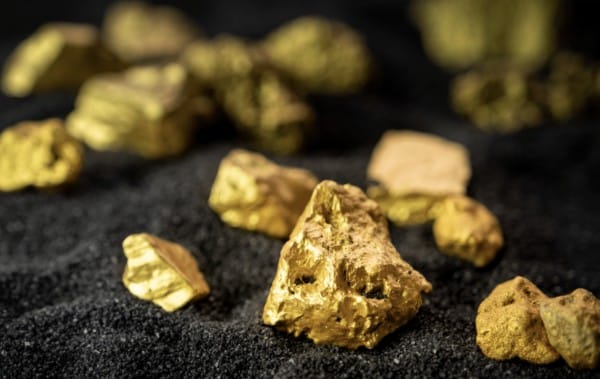
How to Avoid Fake Gold Nuggets in Africa (2026 Guide)
| Risk Indicator | What It Means | How to Check | What to Do | Pro Tip |
| Unrealistically Low Price | The seller is offering gold below market value | Compare with the live gold price per gram/kg | Avoid deals far below market rates | If it’s too good to be true, it usually is |
| No Assay Certificate | Gold purity is not officially verified | Ask for a refinery or lab report | Only buy gold with verified documentation | Cross-check the certificate with the issuing refinery |
| Magnetic Reaction | A gold nugget contains fake metals (iron/steel) | Use a strong magnet | Reject if it sticks or reacts | Real gold is non-magnetic |
| Unnatural Color or Shine | Fake gold may look too shiny or pale | Inspect under natural light | Avoid overly bright or dull-looking nuggets | Real gold has a deep, rich yellow tone |
| Light Weight for Size | Nugget is mixed with lighter metals | Compare weight vs size | Use a scale to verify density | Gold is very dense and heavy |
| No Seller License | High risk of fraud or illegal trade | Request business registration/license | Work only with licensed dealers/exporters | Verify the company online or through the authorities |
| Refusal to Test Gold | The seller may be hiding impurities | Request XRF or digital testing | Walk away if testing is denied | Serious sellers allow verification |
| Fake Origin Claims | Seller lies about gold source (e.g., “Congo gold”) | Ask for export documents | Verify origin paperwork | Origin affects price and legality |
| Pressure to Buy Quickly | Scam tactic to avoid verification | Take time to inspect and test | Never rush transactions | Legit deals allow due diligence |
| Mixed Materials Inside Nugget | Some nuggets are gold-coated stones or alloys | Cut test or XRF scan | Always test internally, not just surface | Surface appearance can be misleading |
Safe Buying Strategy (Recommended for Africa)
| Step | Action |
| Step 1 | Verify seller license and reputation |
| Step 2 | Test nugget using XRF or digital gold tester |
| Step 3 | Check weight, density, and magnetic response |
How to Verify Authenticity
For high-value purchases, always ask for professional gold authenticity tests or assay certificates from reputable labs.
Trusted dealers will gladly provide these documents. Additionally, examining the nugget’s texture, weight, and natural inclusions under magnification can help differentiate real nuggets from fakes.
In summary, knowing how to detect fake gold nuggets through simple tests and expert verification protects your investment and ensures you’re purchasing genuine natural gold.
Gold Nugget Purity & Real-Time Value (April 2026)
| Nugget Type | Est. Purity | Best Use | 2026 Price per Gram |
| Museum Grade | 23K – 24K | High-End Collection | $165.00+ (Premium) |
| Investment Grade | 21K – 22K | Wealth Diversification | $138.80 |
| Jewelry Grade | 18K – 20K | Custom Jewelry | $113.60 |
Top 5 Biggest Gold Nugget Finds in History
Gold nuggets have fascinated people for centuries, not just for their value but also for the stories behind the biggest gold nuggets ever found.
Here’s a quick look at some of the most famous gold nugget finds in history — treasures that have captured imaginations around the world.
1. Welcome Stranger Nugget
Discovered in 1869 in Victoria, Australia, the Welcome Stranger remains the largest alluvial gold nugget ever found.
Weighing an astonishing 72 kilograms (158.7 pounds), it contained over 2,300 ounces of pure gold. Sadly, it was melted down shortly after discovery, but its legacy lives on.
2. Hand of Faith
Found in 1980 near Kingower, Australia, the Hand of Faith weighs 27.21 kilograms (60 pounds) and is the largest gold nugget found using a metal detector.
This beautifully shaped nugget is on display at the Golden Nugget Casino in Las Vegas.
3. The Pepita Canaã
Discovered in Brazil, this massive nugget weighs 60.82 kilograms (134 pounds) and is considered the largest nugget found in South America.
4. The Holtermann Nugget
Found during the Australian gold rush in 1872, this gigantic specimen weighed over 286 kilograms in quartz matrix, containing a massive amount of gold.
5. The Fricot Nugget
Unearthed in California in the 1860s, it weighed around 5.3 kilograms (11.5 pounds) and remains one of the largest nuggets found in the United States.
These famous gold nugget finds remind us of the thrill and fortune that come with gold prospecting — and why gold nuggets continue to captivate collectors and investors alike.
Frequently Asked Questions
Are gold nuggets a good investment?
Yes, gold nuggets can be a solid investment, especially for those seeking a tangible asset that offers both intrinsic gold value and collector appeal. Nuggets often carry a premium above the spot price of gold due to their rarity and unique shapes. However, they can be less liquid than gold bars or ETFs, so it’s important to balance your portfolio and buy from reputable dealers.
How much is a 1g gold nugget worth?
The value of a 1-gram gold nugget depends primarily on the current spot price of gold and the nugget’s purity. For example, if gold is trading at $60 per gram, a pure nugget close to 24 karats might be worth around that amount or slightly more due to collector premiums. Nuggets with unique shapes or origins can command even higher prices.
Can I find gold nuggets myself?
Yes! Many hobbyists and prospectors find gold nuggets through methods like metal detecting, panning, and sluicing, especially in historically gold-rich areas such as California, Alaska, and Australia. However, finding large nuggets is rare and requires patience, skill, and sometimes specialized equipment. It’s also important to follow local laws regarding gold prospecting and claims.
Conclusion & Final Tips
Gold nuggets hold a unique place in the world of collectibles and investments. Their natural beauty, rarity, and tangible value make them appealing not only as a store of wealth but also as one-of-a-kind treasures with fascinating histories.
Whether you’re a seasoned investor, a passionate collector, or just starting out, understanding how to buy, sell, and care for gold nuggets is essential to maximizing your returns and enjoying your investment.
Remember to always buy from trusted dealers, verify authenticity, and stay informed about market prices to avoid scams and ensure you’re getting real value. With the right knowledge, gold nuggets can be both a secure asset and a conversation piece for generations to come.
Ready to take the next step?
👉 Bookmark our full comprehensive guide to deepen your expertise.
Start your journey into the timeless allure of gold nuggets — your perfect piece of natural treasure awaits.