
How Many Grams in 1 oz of Gold? Complete Guide for Buyers & Investors
How many grams in 1 oz of gold? If you’re planning to buy or sell gold, knowing the answer to this simple yet crucial question can save you money and help you make smarter investment decisions.
Gold is traded globally in various units, but the most common standard is the troy ounce, which differs from the regular (avoirdupois) ounce used in everyday weight measurements.
With gold prices fluctuating daily based on global market conditions, accurate weight conversion is essential when comparing prices, calculating value, or verifying the weight of your gold products.
For example, gold may be listed at $4,015 per ounce or $128.30 per gram, and knowing the exact conversion between grams and ounces ensures you’re getting a fair deal—whether you’re investing in bars, coins, or jewelry.
This guide will break down how many grams are in an ounce of gold, explain why gold is measured this way, and offer practical tips for buyers and investors.
Whether you’re new to gold investing or refining your strategy, understanding gold weight units is the foundation for making informed decisions in the precious metals market.
How Many Grams in 1 oz of Gold?
When it comes to buying or selling gold, accuracy in weight measurement is critical. The straightforward answer is:
1 troy ounce of gold = 31.1035 grams
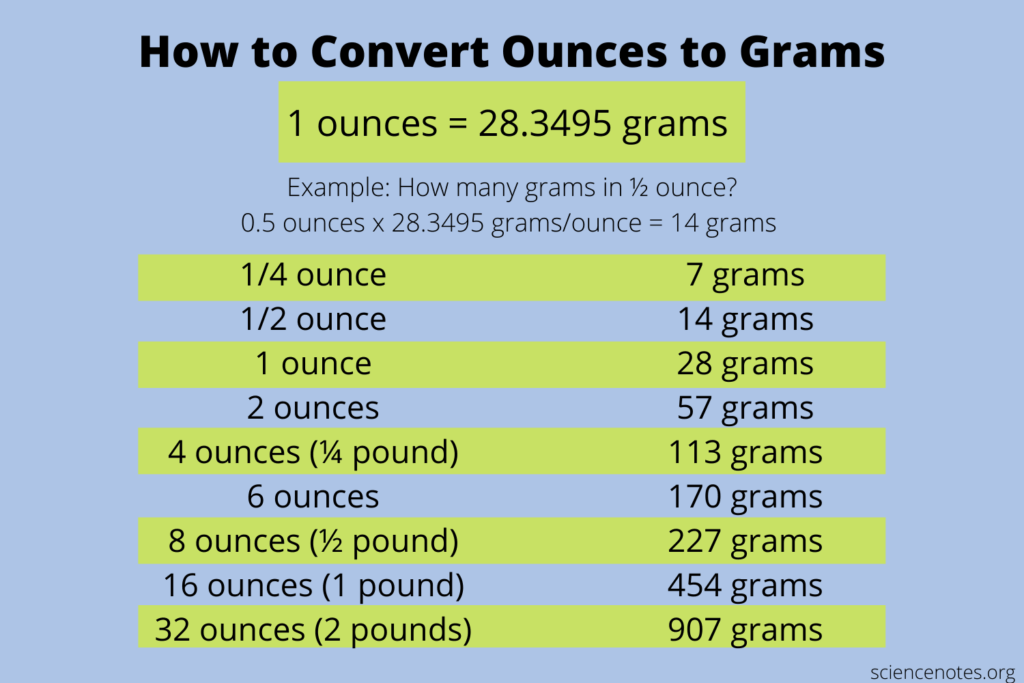
This is the global standard used in the precious metals market. However, not all ounces are created equal. Most people are familiar with the avoirdupois ounce—the standard used in everyday U.S. measurements (like food or postal items), which equals 28.3495 grams. But for gold, silver, platinum, and other precious metals, the troy ounce is used.
Here’s how they compare:
| Measurement Type | Weight in Grams | Common Use |
|---|---|---|
| Troy Ounce | 31.1035 g | Precious metals (gold, silver, etc.) |
| Avoirdupois Ounce | 28.3495 g | General goods (U.S. customary) |
This 2.75-gram difference may seem small, but it becomes significant when dealing with large volumes or high-value items like gold. If you’re buying 10 ounces of gold, that’s a 27.5-gram difference—worth hundreds of dollars.
Understanding this distinction ensures you don’t underpay or overpay when buying or selling gold. Always confirm whether the price is based on troy ounces, especially if you’re dealing internationally or online.
In the sections ahead, we’ll explore how this conversion plays into real-time pricing, how to buy gold by weight, and why knowing these numbers gives you an edge as a buyer or investor.
Gold Measurement Systems Explained
Gold is one of the few commodities in the world that still uses ancient measurement systems—and for good reason. When buying or selling gold, it’s essential to understand the different systems used to weigh and value it.
Let’s break it down in simple terms.
The Troy Ounce: Origin & Purpose
The troy ounce dates back to the Roman Empire and became standardized in the 15th century in Troyes, France, a historic trading city. Today, the troy ounce is the official unit used for measuring precious metals like gold, silver, platinum, and palladium worldwide.
✅ 1 troy ounce = 31.1035 grams
Because it offers a more precise measurement suited for high-value items, the troy ounce is still the global standard in the gold and bullion markets.
Avoirdupois Ounce vs Troy Ounce
Most everyday items in the U.S. (like groceries or mail) are measured in avoirdupois ounces, which are lighter.
| Ounce Type | Grams | Used For |
|---|---|---|
| Troy Ounce | 31.1035 g | Gold, silver, platinum |
| Avoirdupois Ounce | 28.3495 g | Food, packages, household items |
If you confuse these two, you could overpay or undercharge significantly when dealing with gold.
Carats vs Karats vs Grams vs Ounces
It’s easy to get confused between these terms, especially in jewelry:
| Term | Meaning |
|---|---|
| Carat (ct) | Weight unit for gemstones (e.g., diamonds). 1 carat = 0.2 grams |
| Karat (K) | Purity of gold, based on 24 parts. Example: 24K = pure gold, 18K = 75% gold |
| Gram (g) | Metric unit of weight. Common in gold bars, coins, and jewelry |
| Ounce (oz) | Imperial unit of weight. Used in bullion, especially troy ounce |
Understanding these systems is essential whether you’re investing, collecting, or trading gold. Misunderstanding just one of these terms can result in costly mistakes. As we move forward, we’ll explore how this knowledge directly impacts buying decisions and gold pricing.
Why It Matters: Buying Gold in Grams vs Ounces
Understanding the practical differences between buying gold in grams versus ounces is essential for anyone serious about investing in physical gold.
While the metal’s value is universally recognized, the unit of weight you choose can significantly impact pricing, liquidity, storage, and overall investment efficiency.
Below, we break down the key advantages and drawbacks of each option—helping you decide which best aligns with your financial goals.
Buying Gold in Grams: Pros & Cons
For new investors, casual buyers, or those looking to start small, purchasing gold in grams offers an accessible entry point into the precious metals market.
However, there are trade-offs to be aware of:
Pros:
-
Lower Cost of Entry – Gold bars or coins in smaller weights (1g, 2.5g, 5g, 10g) are more affordable than full ounces, allowing you to start investing with a modest budget.
-
Easier to Liquidate Locally – Gram-sized gold is more appealing to private buyers and local dealers, making it easier to sell in small quantities.
-
Flexible Accumulation Strategy – Buying gold in grams enables you to build your portfolio gradually, making regular purchases without needing a large upfront investment.
Cons:
-
Higher Premiums per Gram – Manufacturing, packaging, and distribution costs are disproportionately higher on smaller weights, leading to higher price margins over the spot value.
-
Less Efficient for Long-Term Holdings – When scaled over time, buying gold in small gram units can be less cost-effective for serious investors.
Buying Gold in Ounces: Pros & Cons
For those seeking a more efficient store of value or looking to make larger investments, gold in ounces—particularly the troy ounce (31.1035g)—is the industry standard and often the better choice.
Pros:
-
Lower Premiums per Unit – Bulk purchases in ounces often come with reduced dealer premiums, offering better value per gram compared to fractional sizes.
-
More Recognizable in Global Markets – The troy ounce is the international benchmark for gold pricing, making it easier to trade or value globally.
-
Ideal for Wealth Preservation – A 1 oz gold coin or bar stores a significant amount of value in a compact, durable format—perfect for long-term wealth protection.
Cons:
-
Higher Upfront Cost – As of today, a 1 oz gold bar may cost between $1,900 and $2,000+, which could be out of reach for casual buyers or those new to gold investing.
-
Less Liquidity for Small Needs – If you need to sell part of your investment, you may be forced to offload the entire ounce instead of a fraction.
Buyer Tips: Choosing Between Grams and Ounces
When deciding which unit to buy, your investment size, risk tolerance, and selling strategy should guide the choice:
-
Small Budget or First-Time Buyer? Start with 1g to 10g bars or coins to build confidence without overspending.
-
Long-Term Investor or High-Value Buyer? Opt for 1 oz or larger bars to reduce premiums and maximize your investment potential.
-
Mixed Strategy? Diversify your holdings with a combination of small gram bars (for liquidity) and troy ounce bars or coins (for value storage).
Both options serve different purposes, and in many cases, a hybrid approach offers the most flexibility. In the next section, we’ll look at how the real-time value of gold varies per gram and per ounce—and how that affects your buying power.
Gold Price by Gram vs Ounce Today
Understanding how gold is priced per gram versus per ounce is crucial when buying or selling physical gold. As of today, the current price of gold is approximately:
1 oz of gold = $4,015 USD → $128.30 per gram
(based on 1 troy ounce = 31.1035 grams)
These prices reflect the current global spot rate, which fluctuates based on market demand, economic conditions, inflation, and geopolitical factors.
Whether you’re buying jewelry, coins, or investment-grade bullion, knowing both per gram and per ounce values helps ensure you make an informed purchase.
Gold Price by Weight – Current Conversion Table
Here’s how today’s gold prices convert across major currencies:
| Unit / Currency | USD ($) | UGX (USh) | GBP (£) | EUR (€) | CAD (C$) | AED (د.إ) |
|---|---|---|---|---|---|---|
| 1 gram | 128.30 | 483,100 | 105.62 | 122.72 | 176.50 | 471.95 |
| 1 oz (31.1035g) | 4,015 | 15,025,750 | 3,285.00 | 3,816.50 | 5,492.65 | 14,697.00 |
Exchange rates are approximate and based on current mid-market rates. Local dealer prices may vary.
Why It Matters
-
For Buyers: Knowing the gram price helps you evaluate small jewelry or coin purchases, while the ounce price is essential for larger investments like bullion bars.
-
For Sellers: Understanding both units allows for accurate pricing whether you’re liquidating a full bar or just a few grams.
-
For International Shoppers: Currency conversions are vital for comparing deals across markets or shopping online globally.
Whether you’re purchasing gold in grams for flexibility or ounces for value, these real-time conversions provide a solid foundation for decision-making. In the next section, we’ll show a helpful conversion table from ounces to grams—ideal for quick reference and price calculations.
Conversion Table: Ounces to Grams
When dealing with gold weights, especially in buying and selling physical gold bars or coins, having a quick reference table can save time and prevent costly mistakes. Whether you’re a jeweler, investor, or gold enthusiast, this ounce-to-gram conversion chart gives you instant clarity.
The formula to convert ounces to grams is:
1 troy ounce = 31.1035 grams
Using this formula, here’s a conversion chart from 0.1 oz to 10 oz:
| Troy Ounces (oz) | Grams (g) |
|---|---|
| 0.1 oz | 3.110 g |
| 0.25 oz | 7.776 g |
| 0.5 oz | 15.552 g |
| 0.75 oz | 23.327 g |
| 1 oz | 31.104 g |
| 2 oz | 62.207 g |
| 3 oz | 93.311 g |
| 5 oz | 155.518 g |
| 7 oz | 217.725 g |
| 10 oz | 311.035 g |
How to Choose: Buy Gold in Grams or Ounces?
Choosing between buying gold in grams or ounces depends on your investment goals, budget, and how you plan to use or store the gold.
Both units offer unique advantages—but they serve different types of buyers.
For Investors vs. Collectors
If you’re an investor, buying gold in troy ounces is typically the smarter choice. Ounces are the global standard in bullion trading, offer lower premiums per gram, and are easier to trade in large quantities on international markets.
Investors looking to preserve long-term wealth or hedge against inflation often prefer 1 oz or larger gold bars and coins.
On the other hand, collectors or casual buyers may favor gold in grams. Smaller weights (like 1g, 2.5g, or 5g bars) are easier to collect, gift, or sell in local markets. They also make it easier to accumulate gold gradually without a large upfront investment.
Long-Term vs. Short-Term Strategy
-
For long-term wealth storage, go with ounces. You’ll pay less in premiums and get more value per purchase.
-
For short-term liquidity, grams offer more flexibility. You can sell off a small portion when needed, without parting with an entire ounce.
Storage and Liquidity Considerations
Grams are smaller, more divisible, and easier to store or transport discreetly, making them ideal for travel or emergency reserves. Ounces, however, are better for bulk storage in a secure vault, offering a high concentration of value in less space.
Bottom line:
-
Choose grams for flexibility, gifting, or collecting.
-
Choose ounces for efficient investing, storing, and maximizing value.
In the next section, we’ll explore trusted places to buy gold safely—whether you’re looking for small grams or full-ounce bars.
Where to Buy Gold Safely: Trusted Sources for Your Investment
Buying gold safely requires choosing reputable sellers and understanding what to look for to avoid scams or subpar products. Whether you’re purchasing 1 gram gold coins or 1 oz gold bars, selecting the right platform is crucial for a secure and satisfying transaction.
Top Online Platforms to Consider
-
Gold Buyers Africa – A trusted source specializing in African markets, offering a wide range of gold bars and coins with transparent pricing and excellent customer service.
-
JM Bullion – Known worldwide for competitive pricing, quick shipping, and a large selection of bullion products suitable for both beginners and experienced investors.
-
Gold Prices In Africa LTD – A reputable dealer focused on East African buyers, providing local currency pricing, reliable certifications, and flexible payment options.
-
APMEX – One of the largest online bullion dealers globally, APMEX offers a broad inventory, including 24K gold coins, bars, and collectible pieces with verified authenticity.
-
Local Dealers – Never overlook trusted local jewelers and bullion dealers with strong reputations in your area; in-person transactions allow for immediate inspection and verification.
What to Look for When Buying Gold Online or Locally
-
Purity: Always verify the gold’s karat rating—24K is pure gold, while 18K or 22K contain alloys.
-
Certifications: Look for certifications from recognized assayers or mints such as the London Bullion Market Association (LBMA).
-
Reviews and Reputation: Read customer feedback and ratings to confirm the seller’s credibility and quality of service.
-
Transparent Pricing: Ensure prices reflect current market rates with clear breakdowns of premiums and fees.
-
Secure Payment Methods: Opt for platforms offering buyer protection through trusted payment gateways.
Ready to Buy?
If you’re ready to start or expand your gold collection, explore reliable options to Shop 1 oz gold bars or Buy 1g gold coins now today. Investing with confidence means choosing trustworthy sellers who prioritize authenticity, security, and customer satisfaction.
Frequently Asked Questions
1. How much does 1 oz of 24K gold weigh?
The weight of 1 oz of 24K gold is exactly 1 troy ounce, which equals 31.1035 grams. This measurement is standard worldwide for precious metals, regardless of purity. The “24K” simply means the gold is pure, but the weight remains the same.
2. Why is gold measured in troy ounces?
Gold and other precious metals use the troy ounce system instead of the more common avoirdupois ounce because it dates back centuries in the precious metals trade. The troy ounce is slightly heavier (31.1035 grams) compared to the avoirdupois ounce (28.3495 grams), allowing for more precise valuation and trading consistency globally.
3. How many grams are in 1 oz of 22K gold?
Regardless of purity, 1 troy ounce always equals 31.1035 grams. The difference with 22K gold is in the purity: 22K gold contains 91.67% pure gold mixed with other metals. So, while the weight remains the same, the actual gold content is less than that in 24K gold.
4. Can I convert grams to ounces easily?
Yes! Converting grams to troy ounces is straightforward. The formula is:
1 troy ounce = 31.1035 grams
To convert grams to ounces, divide the number of grams by 31.1035. For example, 62.207 grams ÷ 31.1035 = 2 ounces.
5. What’s better: buying 10g or 1 oz of gold?
It depends on your goals:
-
Buying 1 oz gold usually offers better value with lower premiums per gram, ideal for long-term investors.
-
Buying 10g gold bars or coins is more accessible for beginners or those with smaller budgets and offers greater flexibility when selling smaller amounts. However, premiums per gram tend to be higher for smaller weights.
Conclusion & Key Takeaways
In summary, understanding how many grams are in 1 ounce of gold—and the differences between troy ounces and grams—is essential for making smart gold purchases.
Remember, 1 troy ounce equals 31.1035 grams, regardless of gold purity, which helps you compare prices accurately whether buying small gram bars or full-ounce bullion.
Being aware of these conversions empowers buyers to navigate the gold market confidently, avoid overpaying premiums, and choose the right gold weight based on your investment goals—whether for long-term wealth or flexible, smaller purchases.
Before making any purchase, always check current gold prices and compare offers from trusted dealers to maximize value and security. Ready to invest or add to your collection?
👉 Check today’s gold prices or shop 1 gram and 1 oz gold bars online now to start your journey with confidence.