
Buying Gold in Africa vs Europe (2026) |Prices, steps & Best Markets
Buying gold in 2026 is no longer just about price; it’s about where you buy, how you verify, and how safely you can move your investment across borders. The debate around Buying Gold in Africa vs Europe has intensified as global demand rises and investors look for both higher returns and stronger protection.
Africa, as the source of over 20–25% of the world’s gold supply, presents a unique advantage: near-source pricing, lower premiums, and direct access to raw and refined gold. Countries like Uganda, Ghana, Tanzania, and the DRC offer investors the opportunity to secure gold closer to production, often translating into higher profit margins. However, these opportunities come with a critical requirement: working only with licensed, verified gold dealers and understanding export regulations to avoid risks such as fraud, compliance issues, or delays.
On the other hand, Europe stands as a global benchmark for regulatory security, transparency, and investor protection. Markets in the UK, Germany, and Switzerland provide certified bullion, strict quality standards, and insured transactions, making them ideal for investors who prioritize safety, traceability, and long-term asset protection over margin.
This 2026 investor’s guide is built on real market insights, trade practices, and compliance standards across both regions. Whether you are a first-time buyer or a seasoned investor, understanding the balance between Africa’s high-yield potential and Europe’s low-risk environment is essential to making a smart, secure, and profitable gold investment decision.
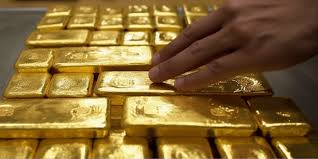
The Core Differences: Market Access and Pricing in Africa vs Europe
When comparing Buying Gold in Africa vs Europe, the biggest differences come down to how easily you can access the market and the price you ultimately pay per gram or kilogram. These two factors directly influence your profit margins and overall investment strategy in 2026.
Market Access in Africa: Direct but Complex
Africa offers near-source access to gold, meaning buyers can purchase directly from miners, local traders, or licensed exporters. This creates opportunities for bulk deals, negotiable pricing, and early entry into the supply chain, advantages rarely found in Western markets.
However, access is not always straightforward. Investors must navigate:
- Licensing and dealer verification
- Export permits and documentation
- Local mining regulations (vary by country)
In countries like Uganda, Ghana, and Tanzania, working with government-licensed gold dealers and export companies is essential to ensure legitimacy and smooth transactions.
Key Differences Between Buying Gold in Africa and Europe:
| Aspect | Buying Gold in Africa | Buying Gold in Europe |
| Price Level | Generally lower due to proximity to mining sources and fewer intermediaries | Higher due to taxes, import duties, and compliance costs |
| Purity & Certification | Purity can vary; buyers must verify certifications carefully | Strict purity standards (LBMA-certified gold, hallmarked) |
| Regulation | Less centralized regulation in some countries; varies by region | Highly regulated with strict financial and trade laws |
| Transparency | Can be lower; requires due diligence and trusted dealers | High transparency with documented transactions and audits |
| Risk of Scams | Higher risk if buying from unverified sellers | Lower risk due to strong consumer protection laws |
| Taxes & Duties | Lower taxes or sometimes tax-free in mining zones | Includes VAT, capital gains tax, and other charges |
| Availability | Direct access to raw gold and local mines | Mostly refined bullion, coins, and investment-grade gold |
| Transaction Speed | Faster, especially in local markets | Slower due to compliance, paperwork, and verification |
| Payment Methods | Cash, local bank transfers, and sometimes flexible payments | Bank transfers and digital payments are strictly monitored |
| Investment Focus | Often focused on sourcing and export opportunities | Focused on wealth preservation and long-term investment |
| Storage Options | Limited secure storage in some regions | Secure vaults, bank storage, and insured facilities are available |
| Export Process | Requires permits and careful documentation | Gold is already within a regulated trade system |
| Best For | Traders, exporters, and bulk buyers seeking lower prices | Investors seeking security, compliance, and stability |
Market Access in Europe: Structured and Transparent
In contrast, Europe provides highly organized and regulated access to gold markets. Investors typically buy through:
- Certified bullion dealers
- Banks and financial institutions
- Government-backed mints
This structure ensures ease of purchase, clear documentation, and legal protection, but it also limits flexibility. Prices are fixed closer to international spot rates, and negotiation is minimal.
Pricing in Africa: Lower Entry, Higher Margins
One of Africa’s biggest advantages is competitive pricing. Because gold is sourced closer to production:
- Premiums above spot price are often lower
- Bulk buyers can negotiate discounts
- Opportunities for arbitrage (e.g., exporting to Dubai or Europe)
This makes Africa attractive for investors seeking higher returns, especially in wholesale transactions (e.g., 1kg gold bars).
Pricing in Europe: Stability with Higher Premiums
European gold prices are typically higher due to added costs, including:
- Refining and certification (LBMA standards)
- Taxes (in some jurisdictions)
- Dealer premiums and operational costs
While this increases the entry price, it guarantees:
- Verified purity (often 99.99%)
- Secure transactions
- Easier resale within global financial markets
The Bottom Line
- Africa has better pricing and higher margins, but requires due diligence and trusted partnerships
- Europe has a higher cost, lower risk, and seamless legal protection
For 2026 investors, the choice depends on your priority:
Maximizing profit through direct sourcing (Africa)
Minimizing risk through regulated markets (Europe)

Top African Gold Markets
| Country | Description |
| Uganda | A fast-growing gold hub with access to raw gold from regions like Busia and Karamoja. Prices are often competitive, but buyers must carefully verify purity and documentation. Ideal for bulk buyers and exporters. |
| Ghana | One of Africa’s largest gold producers. Known for active mining operations and established local trading networks. Offers good access to gold, but regulations and licensing are important. |
| Tanzania | A strong gold-producing country with improving refining infrastructure. Gold is available in both raw and refined forms, with increasing government oversight to ensure transparency. |
| South Africa | A highly developed gold market with established mining history. Known for refined gold, strong regulation, and reliable certification, making it safer but often more expensive than other African markets. |
Top European Gold Markets
| Country | Description |
| Switzerland | One of the world’s leading gold refining and storage hubs. Known for high-quality LBMA-certified gold, strong financial systems, and secure vault storage options. |
| Germany | A major gold investment market in Europe. Popular for bullion coins and bars, with strict regulations and high transparency, making it ideal for long-term investors. |
| United Kingdom (UK) | A global financial center with access to certified bullion through trusted dealers. Strong regulatory environment and high investor confidence. |
| Belgium (Antwerp) | One of the most important diamond and precious metals trading centers in the world. Known for high-quality gold trade, especially in large volumes and international transactions. |
Buying Process Step-by-Step (Africa vs Europe):
| Step | Buying Gold in Africa | Buying Gold in Europe |
| 1. Research & Identify Seller | Identifying local miners, brokers, or licensed dealers requires strong due diligence | Choose regulated bullion dealers, banks, or certified platforms |
| 2. Verification of Seller | Check licenses, references, and physical location; higher need for verification | Dealers are regulated and often registered with financial authorities |
| 3. Price Negotiation | Prices are often negotiable, especially in local or wholesale markets | Prices are usually fixed based on global market rates plus premiums |
| 4. Assay & Purity Check | Buyers may need to arrange independent testing or rely on local assayers | Gold is pre-certified (LBMA standards) with guaranteed purity |
| 5. Agreement & Documentation | Contracts may be informal or semi-formal; they require careful review | Formal contracts with detailed legal documentation and compliance |
| 6. Payment Method | Cash, bank transfer, or flexible local payment methods | Secure bank transfers, wire payments, or regulated financial channels |
| 7. Packaging & Handover | Immediate handover or arranged delivery; export requires permits | Gold is securely packaged and delivered or stored in vaults |
| 8. Export & Logistics | Requires export permits, customs clearance, and shipping arrangements | Gold is already within a regulated system; minimal export issues |
| 9. Taxes & Duties | Lower taxes or exemptions in some regions | Includes VAT, duties, and other regulated charges |
| 10. Storage Options | Limited secure storage options in some areas | Secure vaults, bank storage, and insured facilities are available |
| 11. Risk Level | Higher risk requires careful due diligence and trusted partners | Lower risk due to strong regulations and buyer protection |
| 12. Final Use | Ideal for sourcing, trading, or exporting gold | Ideal for long-term investment and wealth preservation |
Sourcing Gold in Africa: High Reward, High Due Diligence
Sourcing gold in Africa in 2026 presents a high-reward opportunity for investors, largely driven by access to near-source pricing and lower premiums over the global spot price. Major gold hubs such as Ghana (Africa’s top producer in 2026), South Africa, Uganda, Tanzania, and the Democratic Republic of Congo (DRC) continue to attract international buyers seeking better margins compared to Europe. These markets allow for bulk purchasing and direct sourcing, which can significantly increase profitability when executed correctly.
However, these advantages come with important costs and compliance considerations. While the base price of gold may be lower, investors must account for additional expenses such as Assay Reports (to verify purity) and Export Licenses, which are mandatory for legal international trade. These costs can impact the final landed price, making it essential to work with licensed dealers and verified exporters.
A key 2026 trend shaping the market is the growing involvement of African central banks purchasing locally mined gold to strengthen national reserves. This shift is gradually reducing the availability of gold for private foreign buyers, especially in regulated markets like Ghana and Tanzania. As a result, competition for supply is increasing, and buyers must act quickly while maintaining full compliance.
Key Factors When Sourcing Gold in Africa
| Factor | Description | Investor Impact |
| Major Gold Hubs | Ghana, South Africa, Uganda, Tanzania, DRC | Access to high-volume supply and regional trade networks |
| Pricing Advantage | Lower premiums over the global spot price | Higher potential profit margins |
| Assay Reports | Mandatory purity verification (often 99.99%) | Additional cost but ensures gold authenticity |
| Export Licenses | Government-issued permits for legal export | Required for compliance and smooth international trade |
| Central Bank Demand (2026 Trend) | Governments buying local gold reserves | Reduced supply for private buyers, increased competition |
| Risk Level | Varies by country and dealer verification | Requires strict due diligence and trusted partners |
Buying Gold in Europe: The Gold Standard for Security
Buying gold in Europe in 2026 represents the benchmark for safety, transparency, and investor protection, particularly in leading markets such as Switzerland, Germany, and the United Kingdom. These countries are globally recognized for their highly liquid gold markets, where investors can easily buy and resell gold with confidence due to strong financial systems and established bullion networks.
One of the biggest advantages is that investment-grade gold (typically 99.99% purity) is VAT-exempt in many European jurisdictions, making it more cost-efficient for serious investors despite slightly higher premiums. Additionally, gold sourced from LBMA (London Bullion Market Association)–certified refineries guarantees internationally recognized quality standards, eliminating the need for independent assay testing and reducing transaction risks.
This structured and regulated environment ensures that every purchase is backed by clear documentation, verified purity, and secure storage or delivery options, making Europe the preferred choice for investors who prioritize capital protection, liquidity, and ease of resale over higher margins.
Key Features of Buying Gold in Europe
| Factor | Description | Investor Benefit |
| Top Markets | Switzerland, Germany, UK | Trusted global hubs with strong financial systems |
| Market Liquidity | Highly active buying and selling markets | Easy resale and quick conversion to cash |
| VAT Exemption | Applies to investment-grade gold (99.99%) | Reduces overall tax burden |
| LBMA Certification | Gold from approved refineries | Guaranteed purity without re-testing |
| Pricing Structure | Higher premiums over spot price | Reflects security, certification, and service |
| Regulation Level | Strict financial and legal oversight | Maximum investor protection |
Legal Requirements and Documentation (The “Must-Haves”)
When buying gold in Africa or Europe in 2026, legal compliance is not optional it is the foundation of a safe and legitimate transaction. This is a high-stakes (YMYL) financial activity, meaning that search engines and investors prioritize trust, verification, and legal clarity above everything else. Whether you are sourcing gold from Ghana, South Africa, Uganda, or buying from Switzerland, Germany, or the UK, you must ensure that every step of the process is fully documented and compliant with both local and international laws.
Core Legal Requirements for Buying Gold
- Verified Seller or Licensed Dealer
Always work with a government-licensed gold dealer or refinery. In Africa, this means checking mining or export licenses, while in Europe it involves certified bullion dealers or banks. - KYC (Know Your Customer) Documentation
You will be required to provide valid identification such as a passport, business registration, and proof of address. This helps prevent fraud and ensures compliance with anti-money laundering (AML) regulations. - Assay Certificate / Certificate of Analysis
This document confirms the purity and weight of the gold, especially important in African markets where independent verification is often required before export. - Export and Import Permits
In Africa, you must obtain government-issued export licenses, while in Europe, import declarations and customs documentation are required when moving gold across borders. - Invoice and Proof of Payment
A legally binding commercial invoice and verified payment record are essential for tracking ownership and resolving disputes if they arise. - Chain of Custody Documentation
This ensures the gold’s origin and movement history are traceable, reducing the risk of dealing with conflict or illegally sourced gold.
Legal & Safety Checklist for Gold Buyers
| Requirement | Purpose | Why It Matters |
| Licensed Dealer Verification | Confirms legitimacy of the seller | Prevents scams and illegal trade |
| KYC Documentation | Verifies buyer identity | Ensures compliance with AML laws |
| Assay Certificate | Confirms purity and weight | Protects against counterfeit or low-quality gold |
| Export/Import Permits | Legal cross-border movement | Avoids customs seizures and penalties |
| Invoice & Payment Proof | Financial transparency | Supports ownership and dispute resolution |
| Chain of Custody | Tracks the origin of gold | Ensures ethical and legal sourcing |
Why Legal Compliance Matters (YMYL Perspective)
Gold is a high-value financial asset, and mistakes in documentation can lead to loss of funds, legal penalties, or confiscation of assets. In 2026, regulators across Africa and Europe are tightening controls to combat fraud, money laundering, and illegal mining.
For investors, this means:
- Always prioritize legitimacy over lower prices
- Never proceed without verified documents and licenses
- Work with trusted, established gold trading partners
NOTE. In both Africa and Europe, legal documentation is your first layer of protection. Investors who follow proper procedures gain not only security and compliance but also smoother transactions, faster approvals, and long-term trust in the global gold market.
Expert Tips for Buying Gold Safely
Buying gold is a high-value investment, so following the right steps helps you avoid fraud and secure genuine deals.
1 Always verify licenses
Ensure the dealer or company is officially registered and licensed by the relevant authorities. Legitimate gold sellers can provide export permits, trading licenses, and certification documents.
2 Work with trusted suppliers
Choose established and reputable gold dealers with a proven track record. Check reviews, past transactions, and company history before making any commitment.
3 Avoid risky cash-only deals
Be cautious of sellers who insist on cash-only transactions without proper documentation. Always use secure and traceable payment methods to protect yourself from scams.
4 Use contracts and proper documentation
A written agreement should clearly state the weight, purity (like 24K), price, and delivery terms. Proper documentation ensures legal protection and transparency.
5 Compare prices before buying
Check gold prices across different dealers and markets to ensure you are getting a fair deal. Comparing prices helps you identify realistic market value and avoid overpaying.
Exporting from Africa
Exporting gold from Africa in 2026 requires strict compliance with government regulations and international trade standards. Each country, whether Ghana, Uganda, Tanzania, or the DRC, has its own export framework designed to ensure that gold is legally sourced, properly verified, and free from illicit activity. For investors, understanding and preparing the correct documentation is essential to avoid delays, fines, or confiscation at customs.
Essential Export Documents Checklist
| Document | Purpose | Why It Matters |
| Certificate of Origin | Confirms where the gold was mined | Ensures the gold is not classified as “conflict gold” and meets international ethical sourcing standards |
| PMMC/DGSM Assay Certificate | Provides official purity and weight verification | Confirms gold quality (often 99.99%) and supports accurate valuation during export |
| Export Permits | Government authorization to export gold | Required by authorities such as Ghana’s Minerals Commission to legally move gold across borders |
NOTE
Exporting gold from Africa is not just about transportation; it is a regulated legal process that ensures transparency and global compliance. Investors who work with licensed exporters and complete all required documentation benefit from smoother customs clearance, reduced risk, and full legal protection, making their transactions secure and internationally recognized.
Importing to Europe: Customs and Anti-Money Laundering (AML)
Importing gold into Europe in 2026 is highly regulated to ensure financial transparency, security, and compliance with anti-money laundering (AML) laws. Investors must follow strict customs procedures, especially when transporting gold across borders from regions like Africa. One of the most important rules is the mandatory declaration of any gold or cash-equivalent assets valued over €10,000, which must be reported to customs authorities upon entry into the European Union or individual countries such as Switzerland, Germany, or the UK.
A major advancement in 2026 is the digitalization of customs processes, where some gold bars are now tracked using blockchain-based “Digital Passports.” These passports provide a secure, tamper-proof record of the gold’s origin, ownership, and transaction history, significantly improving traceability and reducing fraud risks.
Importing Gold to Europe: Compliance Overview
| Requirement | Description | Investor Impact |
| €10,000 Declaration Rule | Mandatory reporting of gold or monetary value above €10,000 at customs | Ensures compliance with AML laws and avoids penalties or seizure |
| Customs Documentation | Includes invoice, assay certificate, and export permits | Verifies legitimacy and smooths customs clearance |
| AML Compliance Checks | Authorities may investigate the source of funds and the origin of gold | Prevents money laundering and illegal trade |
| Blockchain “Digital Passports” (2026 Trend) | Digital tracking system for gold bars using blockchain technology | Enhances transparency, traceability, and investor confidence |
| Inspections and Verification | Customs may physically inspect or verify shipments | Ensures declared gold matches documentation |
NOTE
Importing gold into Europe requires strict adherence to customs reporting and AML regulations, but modern innovations like blockchain-based digital tracking are making the process more secure and transparent. Investors who fully comply with these requirements benefit from legal protection, faster processing, and globally recognized ownership, making Europe one of the safest destinations for gold investment in 2026.
2026 Market Analysis: Which Is Better for You? (Africa vs Europe)
Choosing between Buying Gold in Africa vs Europe in 2026 depends on your investment goals whether you are focused on maximizing profit, minimizing risk, or ensuring liquidity and legal security. Both markets offer strong advantages, but they serve different types of investors and strategies.
Africa is ideal for investors who want to buy at near-source prices, access bulk quantities, and achieve higher margins. Countries like Ghana (Africa’s top producer in 2026), South Africa, Uganda, Tanzania, and the DRC provide opportunities to source gold directly from mining and export channels. However, this comes with the need for strict due diligence, compliance with export laws, and working with verified licensed dealers to avoid legal or financial risks.
Europe, on the other hand, is designed for investors who prioritize security, regulation, and ease of resale. Markets in Switzerland, Germany, and the UK offer LBMA-certified gold, VAT exemptions on investment-grade bullion, and highly liquid markets, making it easier to buy, store, and sell gold with minimal risk. While prices are generally higher due to premiums, the trade-off is maximum legal protection and global acceptance.
Africa vs Europe: Investment Comparison (2026)
| Factor | Africa | Europe |
| Price Level | Lower (near spot, low premiums) | Higher (includes premiums, fees) |
| Profit Potential | High (ideal for wholesale & export) | Moderate (focused on stability) |
| Risk Level | Higher (requires due diligence) | Low (strict regulations & oversight) |
| Market Access | Direct from miners/exporters | Through licensed dealers, banks |
| Certifications | Assay-based (varies by country) | LBMA-certified (global standard) |
| Liquidity | Medium (depends on buyer network) | Very high (global resale markets) |
| Taxation | Lower in many regions | VAT-exempt on investment gold |
| Best For | Traders, exporters, high-margin investors | Long-term investors, institutions, and risk-averse buyers |
Which Should You Choose?
- Choose Africa if:
You want higher profit margins, direct sourcing, and are comfortable managing compliance, documentation, and export processes. - Choose Europe if:
You prioritize security, certification, and easy liquidity, and prefer a fully regulated investment environment.
Note. In 2026, the best strategy for many investors is not choosing one over the other but combining both. Buy in Africa for lower cost and higher margins, then leverage Europe for secure storage and easy resale. This hybrid approach allows you to balance profitability with safety, making your gold investment more resilient and globally optimized.
When to Choose Africa: The Professional Sourcing Route
Choosing Africa for gold sourcing in 2026 is best suited for experienced investors, bulk buyers, and professionals with established networks in key mining and trading hubs such as Accra (Ghana) and Bamako (Mali). These regions provide direct access to gold at the source, allowing buyers to negotiate better deals and secure lower premiums compared to international markets.
This route is particularly attractive for those targeting high return on investment (ROI) through engagement with the artisanal and small-scale mining (ASM) sector, which supplies a significant portion of Africa’s gold output. ASM operations often offer more flexible pricing and faster deal structures, creating opportunities for higher margins—especially when working with verified, licensed exporters.
However, this approach requires a professional level of execution, including strict due diligence, verified partnerships, and full compliance with local mining and export regulations. Investors who understand the market and build trusted relationships can unlock some of the most profitable gold sourcing opportunities in the world.
When to Choose Europe: The Wealth Preservation Route
Choosing Europe for gold investment in 2026 is ideal for retail investors, long-term wealth holders, and “safe haven” seekers who prioritize security, stability, and liquidity over maximizing short-term profit margins. Markets in Switzerland, Germany, and the United Kingdom are globally recognized for their strict regulatory systems, LBMA-certified gold, and transparent trading environments, making them highly reliable for safeguarding capital.
This route is especially suitable for investors using Gold IRAs, digital gold platforms, or bank-backed bullion accounts, where assets are professionally stored, insured, and easily liquidated. European gold markets also provide VAT exemptions on investment-grade gold, along with globally accepted purity standards, ensuring that every purchase meets 99.99% certified quality without the need for additional verification.
While entry prices may be higher due to premiums and compliance costs, the trade-off is maximum legal protection, ease of resale, and reduced risk exposure, making Europe the preferred choice for those focused on preserving wealth and maintaining financial security in volatile markets.
Conclusion & Final Verdict
In summary, Africa is the best choice for investors seeking source-price advantages and higher profit margins, while Europe is ideal for those who prioritize regulatory security, certified quality, and peace of mind. The right choice depends on your strategy maximize returns in Africa or preserve wealth in Europe.
Frequently Asked Questions: Buying Gold in Africa vs Europe
- Is buying gold in Africa cheaper than in Europe?
Yes, gold in Africa is generally cheaper due to near-source pricing and lower premiums, while Europe includes higher premiums for certification, logistics, and regulation. - Is it safe to buy gold in Africa?
It can be safe if you work with licensed and verified dealers, but due diligence is essential because of higher risks compared to Europe. - Why is gold more expensive in Europe?
Gold in Europe includes costs for LBMA certification, VAT (where applicable), secure storage, and dealer premiums, which increase the final price. - What is LBMA gold?
LBMA gold refers to gold refined by London Bullion Market Association–certified refineries, ensuring 99% purity and global acceptance. - Do I need export permits when buying gold in Africa?
Yes, exporting gold from African countries requires government-issued export permits and proper documentation to ensure legal compliance. - What documents are required when buying gold?
Common documents include assay certificates, invoices, KYC documents, export/import permits, and certificates of origin. - What is the Certificate of Origin?
It proves where the gold was mined and helps confirm it is not conflict or illegally sourced gold. - What are assay reports?
Assay reports are official documents that verify the purity and weight of gold, often required before export from Africa. - Can I import gold into Europe freely?
No, you must comply with customs regulations, AML laws, and declaration requirements, especially for amounts over €10,000. - What happens if I don’t declare gold at customs in Europe?
Failure to declare can result in fines, confiscation of gold, or legal penalties under anti-money laundering laws. - Which countries are best for buying gold in Africa?
Top hubs include Ghana (Africa’s top producer in 2026), South Africa, Uganda, Tanzania, DRC, and Kenya. - Is gold from Europe more reliable?
Yes, European gold is highly reliable due to strict regulations, LBMA certification, and strong financial oversight. - What is the risk of buying gold in Africa?
Risks include fraud, illegal sourcing, and documentation issues, which can be minimized by working with licensed exporters. - Is gold VAT-free in Europe?
Yes, investment-grade gold (typically 99.99%) is VAT-exempt in many European countries, reducing tax costs. - Which is better for investment: Africa or Europe?
- Africa is better for higher margins and direct sourcing
- Europe is better for security, certification, and liquidity