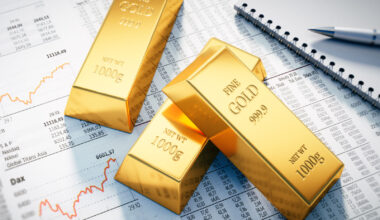
1kg Gold Price Today in Africa (2025) | Compare Rates in Uganda, Ghana, South Africa
Gold is a symbol of wealth and value and one of the most searched precious metals in the world and plays a key role in economies worldwide. In Africa, where gold production is rich the price of 1kg of gold varies from country to country managed by local market factors like purity levels, and the strength of national currencies. Countries like Uganda, Ghana, South Africa, Nigeria, Mali, Kenya, Tanzania, and the Democratic Republic of Congo (DRC) play a key role in Africa’s gold trade. www.goldpricesinafrica.com is a reputable company that will help you to find the best 1kg prices at competitive prices with high-purity gold direct from local miners in Africa.
In this article, we shall explore the competitive 1kg gold prices in these countries and why buyers should consider purchasing gold from Africa.
Top African countries to Buy 1kg Gold From
The world price of gold is around $60,000 per kilogram and local factors like currency exchange rates, mining costs, government regulations, and market demand can control the price of gold in each country.
1 Uganda
Uganda has come out as a key player in Africa’s gold market with increasing mining activity, especially in Karamoja, Mubende, and Busia. The increasing demand for gold in Uganda has grown due to its neighboring countries with outstanding mining activities with the government’s efforts to standardize the sector have further stabilized prices.
2 Ghana
Ghana being known as the ‘gold coast’ it’s the largest gold producer in Africa with consistent offers of competitive gold prices. The country’s gold industry is well-developed with outstanding mining operations and the price of gold in Ghana is driven by both international market trends and the strength of the Ghanaian cedi (GHS).
3 South Africa
South Africa is known to have the deepest and most famous gold mines in the world but its gold production has slowed for some years in recent years while the country remains a dominant force in the African gold market. Local pricing can be determined by both the exchange rate of the South African rand (ZAR) and the high costs of mining in this region.
4 Nigeria
Nigeria is known for its oil wealth and is also expanding its gold mining sector where the country has seen a rise in gold purchases, and the prices of gold are affected by the local currency (naira), demand for gold in the Nigerian market, and the country’s efforts to encourage more formal mining activities.
5 Mali
Mali is one of Africa’s top gold producers, with its political instability in past years which makes the demand for gold in Mali remain high. The gold prices in Mali are largely influenced by international trends and can be affected by local currency fluctuations and government regulations.
6 Kenya
Kenya has an outstanding growth in gold production mostly in with an increase in artisanal mining which has made the country’s gold market grow rapidly, with gold prices often being competitive due to government initiatives aimed at formalizing mining operations.
7 Tanzania
Tanzania is another important African gold producer, with its gold mining sector benefiting from a government push to increase local production and exports. Prices in Tanzania are competitive, with an expanding middle class driving increased demand.
8 Democratic Republic of Congo (DRC)
The DRC is known for its rich gold resources mostly in the eastern regions where they face challenges like political instability and artisanal mining practices but still, the DRC gives competitive gold prices, mostly for those engaged in large-scale and formal mining ventures.
9 Zambia
Is One of the Best Countries to Buy 1kg of Gold in Africa, often overshadowed by gold giants like Ghana and South Africa, is fast emerging as one of Africa’s most attractive destinations for gold buyers, especially those seeking to purchase 1kg gold bars for investment or export. With a growing gold mining sector, government-backed regulation, and favorable trade conditions, Zambia is gaining the attention of serious gold investors worldwide.
The Role of Purity in Gold Pricing: 24k vs. 22k
When buying gold in Africa the purity of the gold is a key factor in determining its price. The two most common purity standards are 24k and 22k, with 24k gold being pure gold 99.9% pure and 22k gold 91.7% pure.
24k Gold. This is the highest purity 24k gold considered to be pure gold containing 99.9% with a higher price per kilogram because it is free from any alloy metals which makes it the most searched metal for investment, jewelry, and industrial uses due to its high value and malleability.
22k Gold. This gold is 91.6% pure gold with slightly less pure form, mixed with alloys like copper or silver to make it more durable in jewelry. It is less expensive than 24k gold, but still considered high quality, and is often preferred for manufacturing and crafting jewelry due to its durability.
Current 1kg gold price in Africa
Note. 1kg gold price in Africa update on 23 June
| country | PURITIES | PRICES |
| Uganda | 24K | $62,000 |
| 22K | $5,600 | |
| KENYA | 24K | $63,000 |
| 22K | 57,000 | |
| GHANA | 24K | $64,500 |
| 22K | $57,500 | |
| TANZANIA | 24K | $63,900 |
| 22K | $56,900 | |
| MALI | 24K | $61,500 |
| 22K | $54,500 | |
| NIGERIA | 24K | $69,500 |
| 22K | $57,500 | |
| CONGO | 24K | $62,000 |
| 22K | $58,000 | |
| ZAMBIA | 24K | $64,000 |
| 22K | $58,100 |
Benefits of Buying 1kg Gold in Africa?
Africa is home to some of the world’s richest gold reserves, and purchasing gold from the continent offers several advantages for buyers:
1 Competitive Prices
Due to the abundance of gold resources and the variety of mining operations across Africa, many countries can give competitive gold prices compared to other countries. Buyers can often find gold at lower costs mostly when buying directly from local miners or gold dealers in countries like Ghana, Uganda, Tanzania, and South Africa.
2 Direct Access to Fresh Supply
Many African gold markets are typically closer to the source providing buyers with direct access to freshly mined gold. This gives an outstanding advantage when it comes to price negotiations and avoiding the added costs of intermediaries.
3 Political Support for Gold Trading
Many African governments have policies to support and promote gold mining and trading with favorable conditions for buyers like efforts to formalize mining sectors, transparency, and support local gold trading activities which makes stability makes it easier for buyers to engage in secure transactions.
4 Diverse Market Options
From formal mining operations to artisanal gold markets, Africa offers a variety of buying options to suit different preferences. While formal mining operations in South Africa, Ghana, and Mali provide large-scale, regulated gold, countries like the DRC and Uganda offer access to artisanal gold that may be priced more competitively.
5 Strong Demand and Growth Potential
Africa’s growing gold industry is increasingly attracting international investors. This demand continues to drive up the competitiveness of gold prices in countries like Kenya, Uganda, and Tanzania. The potential for future growth makes purchasing gold in Africa an appealing option for investors.
How to Buy 1kg of Gold Safely in Africa
Steps to safely buy 1kg of gold in Africa, tailored for serious investors, exporters, and local buyers. These steps help ensure security, legal compliance, and genuine transactions:
- Work Only with Licensed Gold Dealers
Always buy from registered and government-approved dealers. Licensed gold sellers will provide:
- Assay certificates
- Business registration documents
- Official export licenses (if exporting)
Avoid unverified brokers or street vendors, as many scams in Africa come from informal or unregulated channels.
- Verify the Gold Purity and Documentation
Before any payment:
- Request an assay report from a certified refinery.
- Inspect the gold bar for markings (weight, purity, refinery stamp, serial number).
- Cross-check the documents (origin, ownership, and license) to confirm authenticity.
Professional dealers will allow third-party verification if needed.
- Use a Secure Location for the Transaction
Arrange to inspect and buy the gold at a secure, neutral location, such as:
- A government-authorized refinery
- A reputable logistics company vault
- A licensed gold trading office
Avoid private locations or unofficial venues, especially in high-risk regions.
- Ensure Legal Compliance and Tax Payments
In countries like Ghana, DRC, or Tanzania, you must:
- Pay applicable royalties and export taxes (e.g., 3% in Ghana)
- Complete customs documentation (like the Gold Export Certificate)
- Use approved shipping agents for international transport
Doing it legally protects your gold from seizure or export delays.
- Use Escrow or Secure Payment Methods
Protect your funds with secure payment arrangements:
- Use escrow services that hold your money until the gold is verified
- For large purchases, set up a bank-to-bank transfer with buyer protection terms
- Avoid cash or informal payment channels without proper documentation
This minimizes the risk of fraud and ensures traceability.
Key Factors Influencing Gold Prices in Africa
1 Purity Levels.24K gold has 99.9% purity, while 22K gold contains 91.67% gold. Higher purity commands higher prices.
2 Mining Costs. Labor, machinery, and refining processes differ across countries.
3 Demand and Supply. Global market trends and geopolitical stability affect gold prices.
4 Logistics. Transportation, storage, and customs clearance costs impact final pricing.
Conclusion. Buying 1kg of gold in Africa can be a highly attractive option for buyers looking for competitive pricing mostly in key markets like Ghana, South Africa, and Tanzania. The factors of local currency fluctuations, mining conditions, and government policies play key roles in determining the price, with both 24k and 22k purity options available. With Africa’s rich gold reserves, diverse mining operations, and favorable conditions for buyers, this continent remains an ideal source for gold purchases. if you’re looking to invest or acquire gold for other purposes, African markets give some of the best deals worldwide.
Frequently Asked Questions (FAQs) 1kg Gold Price in Africa
- What is the current price of 1kg of gold in Africa?
The price of 1kg of gold in Africa typically follows global gold market rates. As of today, 1kg of gold is priced around $54,000– $80,000, depending on the purity, dealer markup, and country of purchase. Always confirm with local dealers for real-time pricing.
- Why does the 1kg gold price vary between African countries?
Gold prices in Africa vary due to factors such as local taxes, purity levels, refining costs, dealer fees, and availability. Countries like Ghana, Congo, and South Africa may have different pricing structures based on their gold supply chains and export systems.
- Is buying 1kg of gold in Africa safe?
Yes, buying 1kg of gold in Africa is safe when dealing with licensed and certified gold dealers. Always verify the seller’s credentials, request assay certificates, and ensure proper documentation, especially for export.
- Can foreigners buy 1kg of gold in Africa?
Yes, foreigners can legally purchase 1kg of gold in many African countries like Ghana, Congo, and Tanzania. However, buyers must follow proper legal channels, including customs regulations, taxes, and export procedures.
- What is the purity of 1kg of gold sold in Africa?
Most 1kg gold bars sold in Africa are 99.5% to 99.99% pure (also called 24K gold). Buyers should always request an assay certificate from a government-authorized refinery.
- Can I export 1kg of gold from Africa?
Yes. Exporting 1kg of gold is allowed in most African countries, provided you work with licensed exporters, complete the necessary paperwork, and pay applicable taxes or royalties.
- Which African country offers the best price for 1kg of gold?
Countries with abundant gold reserves like Ghana, Sudan, and Congo (DRC) often offer the most competitive gold prices. However, the lowest price isn’t always the safest deal—due diligence is key.
- How do I verify the authenticity of 1kg of gold in Africa?
Use professional gold testing tools, check for serial numbers and stamps, and always request an assay or refinery certificate. Purchasing through reputable dealers or platforms ensures authenticity.
9. What are the risks of buying 1kg of gold in Africa?
Risks include fraud, fake gold, lack of documentation, and dealing with unlicensed sellers. To reduce risks, always transact through licensed gold dealers and avoid street-level or unverified brokers.
- Are there taxes on purchasing 1kg of gold in Africa?
Yes, some African countries charge royalties, VAT, or export taxes on gold transactions. For example, Ghana charges 3% royalty on gold exports. Always factor taxes into your purchase budget.
- How is 1kg gold transported securely after purchase?
Once purchased, 1kg of gold is typically sealed, documented, and transported via secure logistics companies. For exports, customs clearance and licensing are required to ensure legal shipping.
- 12. Can I pay in USD or local currency when buying 1kg gold?
Most dealers accept USD for international clients, but local buyers may use local currency depending on the country’s laws. Currency exchange rates may affect the final price.
- Is there a discount for buying more than 1kg of gold?
Yes. Many dealers offer bulk discounts or reduced premiums on larger quantities. Buyers purchasing 5kg or more may negotiate better pricing and lower markup fees.
- Who are the most trusted gold dealers in Africa?
Reputable dealers include licensed exporters in Ghana, South Africa, Tanzania, and Congo, as well as international trading platforms like Gold Prices in Africa Limited that vet sellers before connecting them with buyers.
15. How do I start the process of buying 1kg of gold in Africa?
Start by contacting a certified gold dealer or broker, verifying their credentials, requesting a quote, and reviewing the documentation. Then arrange for payment, verification, and secure delivery or export processing.