Live 2026 Gold Prices in Africa | Real-Time 24K, 22K & 18K Updates
Gold Prices in Africa Updated for 2026. The African gold market continues to attract global investors, jewelers, and bullion traders searching for high-quality gold at competitive prices. As one of the world’s richest gold-producing regions, Africa supplies significant amounts of 24K gold bars, nuggets, and bullion to international markets.
With growing demand for real-time gold price data, investors need reliable sources to track live gold prices in Africa across major markets, including Uganda, Ghana, Tanzania, South Africa, Kenya, and the Democratic Republic of the Congo. Gold prices fluctuate daily based on global spot prices, currency exchange rates, and regional supply and demand, making accurate, up-to-date information essential for profitable investment decisions.
At GoldPricesInAfrica.com, we provide live 2026 gold price updates for 24K, 22K, and 18K gold, including prices per gram, ounce, and kilogram across key African markets. Whether you are an investor looking to buy gold bars, a jeweler sourcing raw material, or a trader monitoring market trend, our platform helps you stay informed with real-time gold rates and market insights.
Africa remains one of the best places to buy certified gold bars directly from licensed suppliers, offering opportunities for both small investors and large-scale bullion buyers. By following live price updates, market forecasts, and trusted dealer information, you can confidently navigate the African gold market and secure the best value for your investment.
Stay updated with live gold prices in Africa for 2026 and explore opportunities to buy, trade, and invest in authentic African gold.
Overview of Gold in Africa
Africa is one of the top gold-producing regions in the world, supplying a large share of global gold each year. With rich mineral deposits and expanding mining activities, the continent produces hundreds of tons of gold annually, making it a major hub for gold investment, jewelry production, and international trading.
Many investors and businesses source 24K gold bars, bullion, nuggets, and raw gold from Africa due to competitive prices and high purity levels. Countries such as Ghana, South Africa, Mali, Uganda, and the Democratic Republic of Congo are among the leading gold producers and trading centers on the continent.
For buyers and investors looking for live gold prices, trusted suppliers, and market insights, platforms like goldpricesinafrica.com provide valuable information on gold markets across Africa.
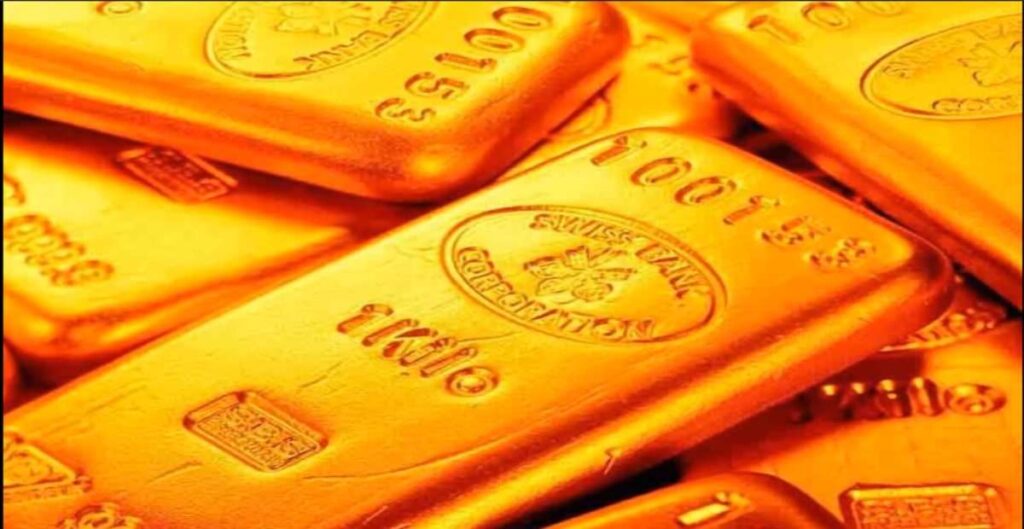
Adding images or icons of gold bars, nuggets, and mining operations can also improve user engagement and help readers better understand Africa’s growing role in the global gold industry.
Steps to Choose the Best Gold Prices in Africa
1 Research the Market Trends. Always understanding current gold price trends is key try to analyze price charts, compare historical data, and study market predictions to determine when to buy gold.
2 Identify Reputable Dealers. Always take time to search for reputable gold dealers with certified certificates, or use platforms like www.goldpricesinafrica.com to connect you to authentic suppliers offering competitive prices.
3 Check Gold Purity. Always ensure the gold is of the highest purity standards, like 24K, and authentic certifications from dealers must be provided to confirm its value.
4 Evaluate Additional Costs. Always get experts or agents to help you calculate the total cost by taking into account transportation, customs clearance, and export fees, and choose a service provider who can handle these logistics efficiently.
Reasons to Choose African Gold Prices
1 Cost-Effectiveness. African gold is often priced competitively compared to world markets which offers better returns for investors.
2 High Purity Standards. Africa is known for producing gold with the highest gold purity levels which attracts investors, it is highly desirable for jewelry and investment.
3 Rich Resources. Africa has many countries like Ghana, South Africa, and Uganda which are gold-rich countries that can supply consistently to ensure stable pricing.
4 Accessibility to Local Miners. Africa gives a chance to buy gold directly from local miners through platforms like www.goldpricesinafrica.com to ensure authenticity and fair pricing.
Key Factors Influencing Gold Prices in Africa Today
1 Global Market Trends. Gold prices in Africa are heavily influenced by international market fluctuations like changes in currency values and demand.
2 Local Mining Conditions. Factors like labor costs, mining technology, and production output directly impact gold pricing in Africa.
3 Export Taxes and Fees. Government policies on export duties and regulations affect the overall cost of gold in Africa.
4 Demand and Supply. Seasonal demand for gold in world markets mostly for jewelry and investment, plays a significant role in pricing.
Below is an updated 2026 table you can place on your website. It reflects higher current gold prices starting from about $140 per gram for 24K, with other African markets ranging around $132–$120 per gram depending on premiums, logistics, and local market conditions.
Table of Gold Prices in Africa by Purity and Size (2026)
Prices updated for 2026 – Estimated African Market Rates
| Country | Gold Purity | 1 Gram | 10 Grams | 50 Grams | 100 Grams | 1 Kg |
|---|---|---|---|---|---|---|
| Uganda | 24K | $140 | $1,400 | $7,000 | $14,000 | $140,000 |
| 22K | $132 | $1,320 | $6,600 | $13,200 | $132,000 | |
| 18K | $108 | $1,080 | $5,400 | $10,800 | $108,000 | |
| DR Congo | 24K | $138 | $1,380 | $6,900 | $13,800 | $138,000 |
| 22K | $128 | $1,280 | $6,400 | $12,800 | $128,000 | |
| 18K | $104 | $1,040 | $5,200 | $10,400 | $104,000 | |
| Kenya | 24K | $142 | $1,420 | $7,100 | $14,200 | $142,000 |
| 22K | $132 | $1,320 | $6,600 | $13,200 | $132,000 | |
| 18K | $110 | $1,100 | $5,500 | $11,000 | $110,000 | |
| South Africa | 24K | $145 | $1,450 | $7,250 | $14,500 | $145,000 |
| 22K | $135 | $1,350 | $6,750 | $13,500 | $135,000 | |
| 18K | $112 | $1,120 | $5,600 | $11,200 | $112,000 | |
| Zambia | 24K | $132 | $1,320 | $6,600 | $13,200 | $132,000 |
| 22K | $124 | $1,240 | $6,200 | $12,400 | $124,000 | |
| 18K | $102 | $1,020 | $5,100 | $10,200 | $102,000 | |
| Tanzania | 24K | $136 | $1,360 | $6,800 | $13,600 | $136,000 |
| 22K | $126 | $1,260 | $6,300 | $12,600 | $126,000 | |
| 18K | $104 | $1,040 | $5,200 | $10,400 | $104,000 | |
| Nigeria | 24K | $134 | $1,340 | $6,700 | $13,400 | $134,000 |
| 22K | $125 | $1,250 | $6,250 | $12,500 | $125,000 | |
| 18K | $103 | $1,030 | $5,150 | $10,300 | $103,000 | |
| Mali | 24K | $120 | $1,200 | $6,000 | $12,000 | $120,000 |
| 22K | $112 | $1,120 | $5,600 | $11,200 | $112,000 | |
| 18K | $92 | $920 | $4,600 | $9,200 | $92,000 | |
| Senegal | 24K | $126 | $1,260 | $6,300 | $12,600 | $126,000 |
| 22K | $118 | $1,180 | $5,900 | $11,800 | $118,000 | |
| 18K | $96 | $960 | $4,800 | $9,600 | $96,000 | |
| Zimbabwe | 24K | $130 | $1,300 | $6,500 | $13,000 | $130,000 |
| 22K | $121 | $1,210 | $6,050 | $12,100 | $121,000 | |
| 18K | $99 | $990 | $4,950 | $9,900 | $99,000 | |
| Sudan | 24K | $128 | $1,280 | $6,400 | $12,800 | $128,000 |
| 22K | $120 | $1,200 | $6,000 | $12,000 | $120,000 | |
| 18K | $98 | $980 | $4,900 | $9,800 | $98,000 |
Notes
- Prices reflect estimated African market rates for 2026 and may change depending on the global gold spot price, dealer premiums, and local currency fluctuations.
- 24K gold = 99.9% purity, 22K gold = 91.6% purity, and 18K gold = 75% purity.
- Wholesale buyers and international investors may negotiate better pricing depending on the quantity purchased.
- Always work with licensed gold dealers and verified exporters when purchasing gold in Africa.
Gold Prices in South Africa (2026)
Estimated prices as of 2026 – Converted to U.S. Dollars (USD)
Prices may vary depending on dealer premiums, purity verification, and market demand.
| Gold Type | Purity | Estimated Price per Gram (USD) | Notes |
|---|---|---|---|
| Gold Bars (Bullion) | 24K (99.9%) | $145 – $150 | Standard investment bullion bars; prices vary depending on bar size (1g, 10g, 100g, 1kg). |
| Raw Gold (Dore / Unrefined) | 22K (91.6%) | $130 – $136 | Unrefined gold requiring assay verification before refining or export. |
| Gold Nuggets | 22K – 24K | $125 – $142 | Natural gold pieces; value influenced by purity, size, and collector demand. |
| Gold Ore | Varies | $60 – $95 | Gold mixed with other minerals; requires industrial processing to extract pure gold. |
| Gold Dust | 22K – 24K | $128 – $145 | Fine gold particles traded in bulk; purity must be confirmed through assay testing. |
Key Considerations When Buying Gold in South Africa
- Purity Verification: Always request an assay certificate from a licensed refinery to confirm the gold purity.
- Market Fluctuations: Gold prices change frequently depending on global spot prices, currency exchange rates, and dealer premiums.
- Dealer Reputation: Work with licensed gold dealers and exporters who provide proper documentation and transparent pricing.
- Legal Compliance: Ensure all purchases follow South African mining laws, export permits, and tax regulations.
For the latest updates on live gold prices in South Africa and across Africa, investors and buyers can visit GoldPricesInAfrica.com to monitor market trends and compare prices from different African gold markets.
Gold Prices in Ghana (USD per Gram – 2026)
Estimated African market prices – Updated for 2026
Actual prices may vary depending on dealer premiums, assay verification, and market demand.
| Gold Type | Purity | Estimated Price per Gram (USD) | Notes |
| Gold Bars (Bullion) | 24K (99.9%) | $138 – $142 | Standard investment bullion bars; price may vary depending on weight, such as 1g, 10g, 100g, or 1kg bars. |
| Raw Gold (Dore) | 22K (91.6%) | $126 – $132 | Unrefined gold from mines requires assay verification before refining or export. |
| Gold Nuggets | 22K–24K | $124 – $138 | Natural gold pieces; value influenced by purity, weight, and collector demand. |
| Gold Ore | Varies | $65 – $95 | Gold mixed with rock minerals requires industrial processing to extract pure gold. |
| Gold Dust | 22K–24K | $122 – $138 | Fine gold particles traded in bulk; purity must be verified by assay testing. |
Gold Prices in Uganda (USD per Gram – 2026)
Estimated prices as of 2026
| Gold Type | Purity | Estimated Price per Gram (USD) | Notes |
| Gold Bars (Bullion) | 24K (99.9%) | $138 – $145 | Refined bullion bars used for investment and international gold trading. |
| Raw Gold (Dore) | 22K (91.6%) | $125 – $132 | Unrefined gold supplied by mining regions; purity verified through assay. |
| Gold Nuggets | 22K–24K | $120 – $135 | Naturally occurring gold pieces are valued based on size and purity. |
| Gold Ore | Varies | $60 – $90 | Gold is mixed with other minerals requiring refining. |
| Gold Dust | 22K–24K | $118 – $130 | Fine gold particles traded in bulk quantities; purity verification required. |
Key Considerations When Buying Gold in Ghana or Uganda
- Purity Verification: Always request an assay certificate to confirm gold purity before purchase.
- Market Fluctuations: Prices change depending on global gold spot price, currency exchange rates, and dealer premiums.
- Dealer Reputation: Work with licensed gold dealers and exporters who provide proper documentation.
- Legal Compliance: Ensure all transactions follow national mining laws, export permits, and tax regulations.
For the latest live gold price updates in Africa, investors and traders can visit
www.goldpricesinafrica.com to monitor market trends and connect with trusted gold suppliers.
Gold Prices in Kenya (USD per Gram – 2026)
Estimated prices updated for 2026
Prices may vary depending on dealer premiums, assay verification, and local market demand.
| Gold Type | Purity | Estimated Price per Gram (USD) | Notes |
|---|---|---|---|
| Gold Bars (Bullion) | 24K (99.9%) | $140 – $145 | Refined bullion bars for investment; prices vary depending on weight (1g, 10g, 100g, 1kg). |
| Raw Gold (Dore) | 22K (91.6%) | $128 – $134 | Unrefined gold from mines; requires assay verification before refining or export. |
| Gold Nuggets | 22K–24K | $125 – $140 | Natural gold pieces valued based on purity, weight, and collector interest. |
| Gold Ore | Varies | $60 – $95 | Gold mixed with other minerals requiring industrial processing. |
| Gold Dust | 22K–24K | $130 – $142 | Fine gold particles traded in bulk; purity must be confirmed through assay testing. |
Gold Prices in Congo (DRC) – USD per Gram (2026)
Estimated African market prices – Updated for 2026
| Gold Type | Purity | Estimated Price per Gram (USD) | Notes |
|---|---|---|---|
| Gold Bars (Bullion) | 24K (99.9%) | $136 – $142 | Refined bullion gold bars supplied by licensed exporters and refineries. |
| Raw Gold (Dore) | 22K (91.6%) | $124 – $132 | Unrefined gold commonly exported to international markets after assay verification. |
| Gold Nuggets | 22K–24K | $120 – $135 | Natural gold pieces from mining regions; price depends on purity and size. |
| Gold Ore | Varies | $55 – $90 | Gold contained in rock; requires processing to extract pure gold. |
| Gold Dust | 22K–24K | $118 – $132 | Fine gold particles traded in bulk quantities; purity verified through laboratory assay. |
Key Considerations When Buying Gold in Kenya or Congo
- Purity Verification: Always request an assay certificate to confirm the gold purity and weight.
- Market Fluctuations: Gold prices vary based on the global gold spot price, exchange rates, and dealer premiums.
- Dealer Reputation: Work only with licensed gold dealers and verified exporters to avoid risks.
- Legal Compliance: Ensure transactions follow Kenyan and Congolese mining laws, export permits, and customs regulations.
For the latest live gold prices in Africa, investors and traders can visit
www.goldpricesinafrica.com to compare prices across different African gold markets.
Why Uganda is the Best Hub for Gold Investment in 2026
Uganda is quickly becoming one of the most attractive destinations for gold investment in Africa. With growing mining production, supportive government policies, and increasing international demand for high-purity gold, the country is positioning itself as a strategic hub for gold trading, refining, and export in East Africa.
One major development boosting investor confidence is the Bank of Uganda Gold Purchase Program. As of March 2026, the central bank began purchasing approximately 100 kilograms of locally produced gold to strengthen the country’s national reserves. This initiative has helped formalize Uganda’s gold market, encouraging licensed mining, refining, and transparent trading practices that create a safer environment for both local and international investors.
Another key factor driving Uganda’s gold sector is the Wagagai Mining Project in Busia, one of the most promising gold developments in the region. The Wagagai mine is currently producing about 1.2 tons of 99.99% pure gold annually, providing a reliable supply of high-quality gold suitable for industrial use, bullion investment, and international trading. This project has also attracted attention from global investors looking for conflict-free and responsibly sourced gold.
Uganda also remains competitive in terms of gold export costs. Despite rising global gold prices, the country maintains a relatively low export levy of around $200 per kilogram on refined gold, which is significantly cheaper than export charges in several West African gold-producing countries. Lower export costs make Uganda an attractive option for bulk gold buyers, traders, and international investors seeking profitable opportunities in the gold market.
With its growing mining industry, government-backed gold programs, and competitive export structure, Uganda continues to strengthen its position as a key gold investment hub in Africa for 2026 and beyond.
Verified and Reputable Gold Suppliers in Africa
When purchasing gold in Africa, working with verified and reputable suppliers is essential to ensure authenticity, transparency, and legal compliance. Trusted gold suppliers provide refinery-certified gold bars, proper export documentation, and secure international delivery, giving buyers confidence in every transaction.
Below is a table highlighting some trusted gold suppliers and trading platforms in Africa that are known for connecting buyers with licensed dealers and verified exporters.
| Supplier / Company | Country / Region | Gold Products Offered | Key Services | Website / Contact |
|---|---|---|---|---|
| Gold Buyers Africa | Uganda / East Africa | 24K gold bars, nuggets, dore bars | Gold sourcing, export assistance, refinery verification | goldbuyersafrica.com |
| Gold Prices In Africa | Pan-Africa | Gold bars, gold price data | Live gold price updates, buyer guidance, supplier connections | goldpricesinafrica.com |
| Rand Refinery | South Africa | Refined gold bullion bars | Gold refining, global bullion supply | randrefinery.com |
| PMMC (Precious Minerals Marketing Company) | Ghana | Gold bullion, dore bars | Government-approved gold trading and export services | pmmc.gov.gh |
| Tanzania Minerals Commission Dealers | Tanzania | Gold bars, raw gold | Licensed gold trading and export regulation | madini.go.tz |
| Uganda Licensed Gold Exporters | Uganda | Gold bars, nuggets | Gold export permits, refinery certification | energyandminerals.go.ug |
| DRC Licensed Gold Traders | DR Congo | Raw gold, nuggets, dore bars | Gold sourcing and export support | Ministry of Mines DRC |
Tips for Choosing a Reliable Gold Supplier
- Verify licenses: Ensure the supplier is registered with the relevant mining or mineral authority.
- Request assay certificates: Confirm gold purity through recognized refineries.
- Check export documentation: Ensure the supplier can provide export permits and customs clearance.
- Research reputation: Work with companies that have transparent pricing and verified business history.
Buying gold through reputable suppliers helps investors and traders avoid risks, ensure authenticity, and complete transactions legally. Platforms such as Gold Prices In Africa help connect buyers with reliable gold dealers while providing real-time gold market insights across Africa.
Best Places to Buy Gold in Africa
Africa is home to some of the largest gold reserves and mining industries in the world, making it a prime destination for investors, jewelers, and international gold buyers. Several cities across the continent serve as major gold trading hubs, offering access to 24K gold bars, bullion, nuggets, and raw gold from licensed suppliers and refineries.
Below is a table highlighting some of the best places to buy gold in Africa based on mining activity, availability of suppliers, and export infrastructure.
| City | Country | Why It’s a Good Place to Buy Gold | Gold Products Available |
|---|---|---|---|
| Accra | Ghana | Major gold trading center in West Africa with government-regulated gold exports and refineries. | 24K gold bars, dore bars, bullion |
| Johannesburg | South Africa | Historic gold mining hub with advanced refining facilities and international bullion markets. | Refined gold bars, bullion, investment gold |
| Dar es Salaam | Tanzania | Key export hub connecting Tanzanian gold mines to international buyers. | Gold bars, nuggets, raw gold |
| Kampala | Uganda | Growing East African gold trading center with access to regional gold supplies. | 24K gold bars, nuggets, dore bars |
| Nairobi | Kenya | Financial hub in East Africa with active bullion trading and international buyers. | Gold bars, jewelry, bullion |
| Kinshasa | DR Congo | Access point for gold from mineral-rich eastern Congo mining regions. | Gold nuggets, raw gold, dore bars |
| Bamako | Mali | One of West Africa’s largest gold-producing regions with strong mining operations. | Dore gold bars, raw gold |
| Ouagadougou | Burkina Faso | Emerging gold trading market with growing mining projects. | Gold bars, nuggets |
Why These Locations Are Popular for Gold Buyers
- Close proximity to major gold mining regions
- Presence of licensed dealers and government-approved exporters
- Access to international airports and export logistics
- Competitive prices for investment-grade gold bars
Investors looking to purchase gold in Africa should always work with verified suppliers, licensed exporters, and trusted platforms such as Gold Prices In Africa to ensure secure transactions and compliance with international gold trading regulations.
Step-by-Step: How to Safely Buy and Export Gold in Uganda (2026)
| Step | Action | Details | Notes / Tips |
| Step 1 | Verify the Dealer’s License | Ensure the gold dealer is officially registered with the Directorate of Geological Survey and Mines (DGSM) under the 2022 Mining Act. | Only licensed dealers are legally allowed to sell and export gold. Check DGSM records online or request a physical license copy. |
| Step 2 | Obtain an Assay from a Licensed Refinery | Verify gold purity through African Gold Refinery (AGR), Wagagai Refinery, or other recognized facilities. Gold should meet 99.9% (24K) purity standards. | Ask for a formal assay certificate; this ensures the gold is industrial-grade and acceptable for export or investment. |
| Step 3 | Pay the Export Levy & Obtain Permit | Clear the $200/kg export levy through the Uganda Revenue Authority (URA) and obtain a legal Export Permit. | Keep receipts and export documents safe; these are required for customs clearance and international shipping. |
| Step 4 | Secure Blockchain-Backed Documentation | Request digital traceability records proving the gold is conflict-free and legally sourced. | Blockchain-backed certificates increase buyer confidence and facilitate international compliance. |
| Step 5 | Arrange Secure International Shipping | Use insured logistics providers approved by the refinery or export agency. Ensure tracking, security, and customs support. | International buyers often prefer suppliers offering door-to-door delivery with verified documentation. |
Reasons why Africa offers the best gold prices in the world.
1. Proximity to Gold Sources (Mine-to-Market Advantage)
Africa is home to some of the world’s richest gold-producing countries, such as Ghana, South Africa, Mali, Tanzania, and Sudan.
- Impact: Gold is often sold directly from mining companies or artisanal miners, cutting out costly middlemen.
- Result: Buyers can access gold at lower prices closer to spot market value, especially when purchasing in bulk.
- Lower Operational and Labor Costs
Mining and refining operations in many African countries benefit from relatively lower costs of labor, land, and energy compared to Europe or North America.
- Impact: These savings trickle down into gold pricing, allowing sellers to offer competitive rates.
- Result: More affordable gold bars or dust, particularly for resellers and investors buying at wholesale.
- Fewer Export Taxes and Incentives for Foreign Buyers
Several African governments encourage gold exports as part of their economic development plans.
- Impact: Tax breaks, simplified export procedures, and lower customs duties make it easier and cheaper for international buyers.
- Result: Foreign investors can buy gold at globally competitive prices with reduced transactional overhead.
- Growing Competition Among Licensed Dealers
With more certified dealers, refineries, and online platforms (like www.buygoldbarskenya.com), African gold markets have become increasingly transparent and competitive.
- Impact: Dealers offer better pricing, flexible payment options, and personalized deals to attract buyers.
- Result: Buyers benefit from market-driven prices and frequent discounts on large purchases.
2026 Price Predictions: Will Gold Reach $6,000?
Gold continues to capture global attention as a safe-haven asset, and 2026 looks set to be a remarkable year for investors. Analysts predict that gold prices could rise to $5,500–$6,000 per ounce by December 2026, driven by ongoing global inflation, geopolitical tensions in the Strait of Hormuz, and increasing demand for secure assets.
African gold markets are responding to this surge in interest. Countries like Uganda, Ghana, and South Africa are experiencing record-high local demand, as investors and traders seek to hedge against currency volatility and secure conflict-free, industrial-grade gold.
Key factors shaping 2026 gold trends in Africa:
- Rising Investor Interest: Both local and international investors are actively buying 24K and 22K gold bars, boosting market activity.
- Supply Constraints: While production is growing, high-purity gold remains limited in some regions, which may push prices upward.
- Export & Trade Dynamics: Low export levies in Uganda and structured purchase programs (like the Bank of Uganda Gold Program) encourage legal trading, increasing market transparency.
For investors seeking up-to-date African gold prices and market insights, platforms like these provide live rates, verified suppliers, and trading guidance to help buyers make informed decisions.
Frequently Asked Questions on Gold Prices in Africa
- What is the current gold price in Africa?
Gold prices in Africa vary by country and market. As of today, the average price for 1 gram of gold ranges between $60 and $70, depending on purity and local market factors.
- Why do gold prices differ across African countries?
Prices differ due to factors like local demand, taxes, currency exchange rates, mining sources, and government regulations.
- Which African country has the cheapest gold?
Countries like Sudan, Mali, and the Democratic Republic of Congo (DRC) often have lower gold prices due to informal mining and minimal export restrictions.
- Where is gold most expensive in Africa?
South Africa and Ghana tend to have higher gold prices due to refined processing, stable financial systems, and taxes on gold exports.
- How often do gold prices in Africa change?
Gold prices fluctuate daily based on global market trends, currency exchange rates, and regional supply and demand.
- What affects the price of gold in Africa?
Key factors include global gold prices, mining output, inflation, currency rates, and government policies on gold trade.
- How is gold priced in African markets?
Gold is typically priced per gram, ounce, or kilogram in either USD or the local currency, with rates adjusted for purity (karats).
- Is gold cheaper when bought directly from mines in Africa?
It can be cheaper, but buying directly from mines involves risks such as fraud, legality, and lack of proper documentation.
- How can I check today’s gold price in Africa?
You can check live prices on trusted websites like goldpricesinafrica.com or local exchange platforms and bullion dealers.
- What is the price of 1kg of gold in Africa today?
The average price of 1kg of gold in Africa ranges from $65,000 to $70,000, depending on the country and purity.
- Is gold in Africa sold by karat?
Yes, most African gold is sold by karat, with 24K being pure gold, while 22K, 18K, and 14K are alloys of gold mixed with other metals.
- Can foreigners buy gold in Africa?
Yes, but regulations vary by country. Most require permits, proper documentation, and compliance with anti-money laundering laws.
- What taxes apply when buying gold in Africa?
Some countries impose VAT or export duties on gold. Others offer tax-free gold trading in free trade zones or under mining licenses.
- Is African gold considered pure and certified?
Not always. Gold from large-scale refineries is certified, but artisanal gold may lack documentation or proper purity tests.
- Where can I safely buy gold in Africa?
Safe options include licensed gold dealers, refineries, government-licensed exporters, and established platforms like Gold Prices in Africa Limited.