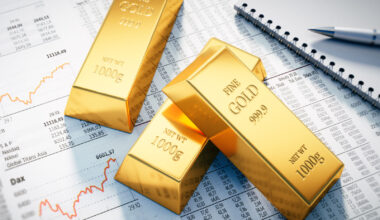
Where to Sell Gold in Uganda | Trusted Buyers & Stay Legal
If you’re wondering where to sell gold in Uganda safely, legally, and for the best price, you’re not alone. With Uganda’s growing role in the regional gold trade, many individuals and small-scale miners are looking for trusted gold buyers, especially in key cities like Kampala, Entebbe, and Jinja. Whether you’re selling raw gold, gold bars, or jewelry, it’s essential to find a verified gold dealer who offers fair prices and secure transactions.
One of the most reliable platforms to sell gold online in Uganda is www.pricesinafrica.com. As a licensed and trusted gold-buying company, Prices in Africa offers a transparent, fast, and secure process for anyone looking to sell gold in Uganda, whether locally or for export. Their online presence makes it easy to request quotes, verify pricing based on current market rates, and schedule transactions with confidence.
In this guide, we’ll show you the best places to sell gold in Uganda, how to avoid scams, what documents you need, and how to get the highest value for your gold.
Understanding the Ugandan Gold Market
The Ugandan gold market is dynamic and influenced by global spot prices, local currency fluctuations (Ugandan Shilling), and supply-demand dynamics. While Uganda produces a significant amount of gold domestically, it also acts as a transit point for gold from neighboring countries.
Pricing: Gold prices in Uganda generally align with the London Bullion Market Association (LBMA) spot price. Prices for different purities (24K, 22K, 18K) are adjusted proportionally. It’s essential to stay updated on daily price variations, which can be affected by currency exchange rates and local market conditions. Many reputable dealers offer live pricing based on global rates.
Purity: Gold in Uganda is typically traded in various karats, with 24K (99.99% pure) being the most sought after, followed by 22K and 18K. Always request an assay or purity certificate to verify the gold’s content before any transaction.
Market Growth: With increasing investment in modern gold refineries and government support for mining, Uganda is positioning itself as a major gold trading hub. This growth offers lucrative opportunities for sellers.
Where to Sell Gold in Uganda / Kampala)
Kampala is the central trading hub for gold in Uganda. Several legitimate avenues exist for selling your gold:
1 Licensed Gold Dealers: This is the most secure and recommended option. Licensed dealers operate under strict government regulations, ensuring transparency and fair practices. They often have physical offices, clear business details, and official signage, unlike illicit traders who may operate solely through informal channels.
2 Gold Sales Investment (GSI) Uganda: Known for reliable buying and selling services, competitive prices, and dependable appraisals.
3 Gold Buyers Africa: Offers competitive wholesale and retail pricing for 24K and 22K gold, provides assay reports, and assists with export documentation.
4 Dewan Aldahab: Specializes in the purchase and sale of pure gold and jewelry products, emphasizing security and supply chain assurance.
5 Gold Refineries: Selling directly to a refinery can guarantee the quality and purity of your gold and often yields competitive prices.
6 Online Platforms: Some licensed dealers have established online platforms to facilitate gold sales. While convenient, ensure the platform is linked to a reputable, verifiable physical entity.
7 Local Gold Markets: Traditional gold markets, particularly in Kampala, are avenues for selling smaller quantities, often jewelry or ornaments. However, due diligence is paramount to avoid scams.
8 Selling Directly to Miners: While this might offer competitive prices, it requires thorough due diligence to ensure compliance with Ugandan laws and to avoid illicit trade. It’s generally not recommended for individuals unfamiliar with the local mining landscape.
Current Gold Prices in Uganda (UGX & USD) – 24K, 22K, 18K
| Weight | 24K Gold | 22K Gold | 18K Gold |
|---|---|---|---|
| UGX / USD | UGX / USD | UGX / USD | |
| 1 gram | UGX 302,000 / $79.47 | UGX 277,000 / $72.89 | UGX 227,000 / $59.74 |
| 5 grams | UGX 1,510,000 / $397 | UGX 1,385,000 / $364 | UGX 1,135,000 / $298 |
| 10 grams | UGX 3,020,000 / $794 | UGX 2,770,000 / $729 | UGX 2,270,000 / $597 |
| 20 grams | UGX 6,040,000 / $1,588 | UGX 5,540,000 / $1,458 | UGX 4,540,000 / $1,195 |
| 50 grams | UGX 15,100,000 / $3,974 | UGX 13,850,000 / $3,645 | UGX 11,350,000 / $2,987 |
| 100 grams | UGX 30,200,000 / $7,947 | UGX 27,700,000 / $7,289 | UGX 22,700,000 / $5,974 |
| 1 Tola (11.66g) | UGX 3,520,000 / $926 | UGX 3,220,000 / $847 | UGX 2,630,000 / $692 |
| 1 Ounce (31.1g) | UGX 9,400,000 / $2,474 | UGX 8,630,000 / $2,271 | UGX 7,080,000 / $1,863 |
| 1 Kg (1000g) | UGX 302,000,000 / $79,474 | UGX 277,000,000 / $72,895 | UGX 227,000,000 / $59,736 |
Note. Prices change depending on the current world market
How Gold is Priced Before Selling in Uganda
The gold valuation process in Uganda involves:
Testing purity (in karats: 24K, 22K, 18K, etc.)
Weighing the gold on certified digital scales
Calculating the value using the global spot price, adjusted by:
Current UGX-USD exchange rate
Seller’s commission or dealer margin
Tax, if applicable
Trusted gold dealers and refineries in Kampala, Busia, and Arua often offer better rates due to higher volumes and international connections.
Factors Affecting Gold Rates in Uganda
Several factors influence the gold market in Uganda, including:
1 Global spot price (set in USD)
2 UGX exchange rate performance
3 Demand from local and foreign buyers
4 Smuggling & border trade pressure
5 Mining output from Mubende, Karamoja, and Busia
6 Government policies or tax changes
How to Get the Best Price When Selling Gold Locally
Want the highest return when selling your gold in Uganda? Follow these tips:
1 Compare offers from multiple licensed dealers
2 Know your karat rating – test it before visiting dealers
3 Sell in urban hubs like Kampala or Busia, where prices are more competitive
4 Check the live price on trusted platforms before negotiating
5 Avoid middlemen and unlicensed traders
Use www.goldpricesinafrica.com to find daily rates and connect with verified gold dealers across Uganda.
Steps for a Secure Gold Sale in Uganda
To ensure a safe and profitable transaction when selling gold in Uganda, follow these crucial steps:
1 Verify the Buyer’s Legitimacy: Always deal with licensed and reputable buyers. Check for verifiable offices, official business registrations, and positive reviews. Be wary of individuals offering deals that seem too good to be true, especially those operating without a physical presence or proper documentation.
2 Get Your Gold Assayed/Tested: Before selling, have your gold independently tested for purity and weight. Reputable buyers will conduct their assay, but having a prior understanding of your gold’s value is empowering.
3 Understand Pricing: Be aware of the current market prices for different gold karats. Compare offers from multiple licensed dealers to ensure you’re getting a competitive rate. Gold prices can fluctuate daily, so monitor the market.
4 Demand Proper Documentation: For any significant transaction, ensure you receive a purchase agreement and a certificate of authenticity for the gold, verifying its purity and weight.
5 Comply with Regulations: The Ugandan government has implemented stringent measures to regulate gold trade, including export taxes and licensing requirements.
6 Licensing: Only parties holding valid licenses (mineral dealers’, mining, or refining licenses) are authorized to engage in gold transactions for larger quantities.
7 Export Taxes: Uganda imposes a $200 export tax per kilogram of refined gold and a 10% tax on unrefined gold. Ensure your buyer handles all necessary taxes and export permits if you are involved in export-level transactions.
8 Importation Permits: If the gold originated outside Uganda and is being re-exported, an importation permit and proof of royalty payments from the country of origin are required.
Avoiding Scams and Risks
The gold market can attract illicit activities. Be extremely cautious and aware of common scams:
1 Unrealistic Offers: Offers that are significantly below or above market rates should be a red flag.
2 Refusal to Meet at a Refinery: Legitimate buyers should be willing to conduct testing and transactions at a recognized refinery.
3 Shady Locations and Unofficial Contacts: Avoid dealing with individuals who only communicate via informal channels (e.g., WhatsApp with no verifiable business details) or insist on meeting in secluded or private locations.
4 Police Impersonators/Corrupt Officials: There have been reports of individuals impersonating police or government officials to extort money or gold. Always verify credentials and conduct transactions in legitimate business settings.
5 Fake Gold: Be vigilant about counterfeit gold. Always insist on professional assay testing.
Profitability of Selling Gold in Uganda
Selling gold in Uganda can be profitable due to the country’s strategic location, growing gold industry, and increasing global demand. Uganda’s low production costs can keep prices competitive on the global market. However, profitability depends on:
1 Market Fluctuations: Gold prices are subject to global market dynamics.
2 Purity and Weight: The higher the purity and weight, the more valuable your gold.
3 Dealer Premiums: Different dealers may offer slightly varying prices based on their overheads and margins.
4 Legal Compliance: Operating within legal frameworks avoids penalties and losses.
By understanding the market, choosing reputable buyers, and adhering to legal procedures, individuals can confidently and profitably sell gold in Uganda. Always prioritize due diligence and transparency to ensure a secure and successful transaction.
Why individuals and businesses might want to sell gold in Uganda:
1 Investment Liquidation: Gold is a traditional safe-haven asset. Selling it can provide immediate liquidity for personal or business needs.
2 Capitalizing on Price Fluctuations: Savvy sellers can monitor global and local gold prices to sell when the market is favorable.
3 Disposal of Unwanted Assets: This includes old jewelry, inherited pieces, or scrap gold that no longer serves a purpose.
4 Artisanal Mining Output: For those involved in small-scale mining, selling raw gold is their primary source of income.
General advice on market conditions and price factors (global vs. local):
Gold prices are primarily influenced by global market conditions, including economic stability, interest rates, geopolitical events, and the strength of the US dollar. These global trends set the benchmark. However, local factors in Uganda, such as supply and demand dynamics, government policies, import/export regulations, and the presence of major buyers, can also influence the price offered by local dealers. It’s advisable to stay informed about both global spot prices and local market rates to ensure you get a fair deal.
Types of Gold to Sell
Understanding the different forms of gold you might encounter, and their specific selling considerations, is vital for a smooth transaction.
1 Raw/Unrefined Gold (Gold Ore/Nuggets)
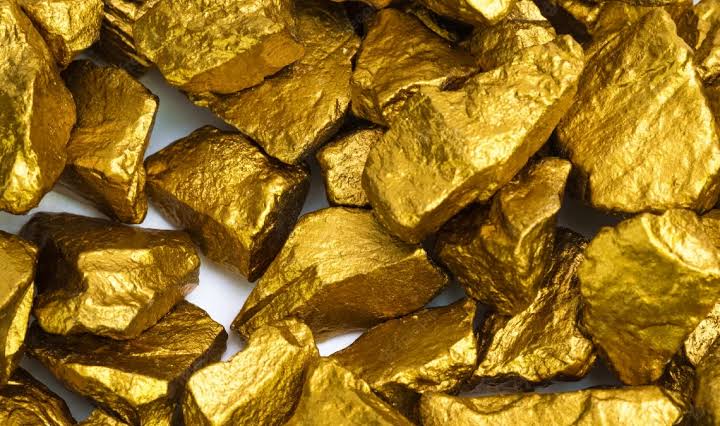
Raw gold, often found in the form of gold ore or nuggets, is typically sourced from artisanal and small-scale miners.
What it is and common sources: Gold ore is rock containing gold, while nuggets are naturally occurring pieces of gold found in placer deposits. Artisanal miners are a primary source of this type of gold in Uganda.
Considerations for purity and testing: Raw gold’s purity varies significantly. It’s often mixed with other minerals and impurities. Buyers will require testing (assaying) to determine the actual gold content. This often involves fire assay or X-ray fluorescence (XRF) testing.
Legal aspects and challenges (e.g., permits, origin): Selling raw gold, particularly in larger quantities, comes with significant legal considerations. Sellers must be able to prove the gold’s legitimate origin to avoid dealing in illegally mined or smuggled gold. This often requires mining permits, transportation permits, and documentation from relevant authorities like the Ministry of Energy and Mineral Development. Without proper documentation, sellers risk seizure of their gold and legal penalties.
2 Refined Gold (Bars, Bullion, Coins)
Refined gold represents gold that has been processed to a high level of purity and cast into standardized forms.
Common purities (24K, 22K, 18K):
24 Karat (24K): This is 99.9% pure gold, considered the highest purity available.
22 Karat (22K): Contains 91.67% gold, often alloyed with other metals for durability, commonly used in jewelry.
18 Karat (18K): Contains 75% gold, also used in jewelry, offering greater strength.
Importance of assay certificates and hallmarking: Reputable refiners issue assay certificates that guarantee the gold’s purity and weight. Hallmarking, a stamp on the gold indicating its purity and the refiner, is also crucial for authenticity. These documents significantly enhance the gold’s value and ease of sale.
Where to get bars/bullion authenticated: If you possess refined gold without proper documentation, or if you wish to verify its authenticity, you can approach established gold dealers, assaying laboratories, or authorized financial institutions that deal in precious metals.
3 Gold Jewelry/Scrap Gold
This category includes items like old rings, necklaces, broken earrings, dental gold, or any gold item not intended as investment bullion.
Selling old jewelry, broken pieces, or dental gold: Many individuals choose to sell unwanted or broken gold jewelry to unlock its inherent value.
How value is determined (weight, purity, less any design premium): Unlike refined bullion, where value is primarily based on weight and purity, jewelry’s value is determined by:
Weight: The total weight of the gold item.
Purity: The karatage of the gold (e.g., 14K, 18K, 22K).
Less any design premium: While a piece of jewelry might have had a high initial retail price due to its brand or design, when selling it for its gold content, the design premium is often disregarded. Buyers are primarily interested in the melt value of the gold. Stones (such as diamonds and gemstones) will be valued separately or removed before weighing the gold.
Legal Requirements to Sell Gold in Uganda
To legally sell or deal in minerals, including gold, in Uganda, you must possess a Mineral Dealer’s License. The Mining and Minerals Act 2022 strictly prohibits buying or selling minerals without a license.
Key requirements for dealing in gold:
1 Mineral Dealer’s License: This is mandatory for anyone buying or selling minerals, whether as a principal or agent.
2 Goldsmith’s License: If you intend to manufacture articles from precious minerals, you also need a goldsmith’s license. Retail shopkeepers can sell articles partly manufactured from precious minerals without a goldsmith’s license if permitted by the minister, and such sales don’t constitute their sole or principal business.
3 Export Permits: For exporting any mineral, including gold, an export permit issued by the Ministry of Energy and Mineral Development is required. This permit does not exempt the holder from other export requirements, such as proof of royalty payments, certificates of origin and analysis, and customs clearance.
How to Get a Gold Trading License in Uganda
The primary license for gold trading is the Mineral Dealer’s License, issued by the Ministry of Energy and Mineral Development, specifically through the Directorate of Geological Survey and Mines (DGSM).
Steps and requirements generally include:
1 Register with the Mining Cadastre and Registry System (MCRS): This is an e-government portal for stakeholders in the mining sector.
2 For Individuals: Filled registration form, personal identity (passport/National ID), Tax Identification Number (TIN).
3 For Companies: Filled registration form, personal identity of directors, TIN, certified copies of Certificate of Incorporation, certified copies of memorandum and articles of association, registered board resolution authorizing use of the MCRS.
4 Demonstrate Technical and Financial Capacity: Provide proof of technical competence (e.g., CVs and academic documents of relevant personnel with at least 3 years of experience) and financial resources.
5 Provide a Proposed Plan: Detail your plan for marketing, buying, and selling minerals, as well as information on storage facilities and office location.
6 Environmental and Social Impact Assessment (ESIA): Obtain a certificate of approval for an ESIA.
7 Pay Statutory Fees: These vary depending on the type and scale of the license.
8 Application fees, registration fees, annual mineral rent, and renewal fees apply. For a Mineral Dealer’s License, the application fee is UGX 300,000, registration fee is UGX 1,000,000, license fee is UGX 5,000,000, and annual mineral rent is UGX 1,000,000.
9 Trading License from KCCA (for Kampala-based businesses): If your business is located in Kampala, you will also need a trading license from the Kampala Capital City Authority (KCCA). Requirements include proof of business premises, statement of particulars, rent receipts, and identification documents for directors.
Mineral Dealer’s Licenses are valid for one year and expire on December 31st of the year they are granted.
Uganda Revenue Authority (URA) Regulations for Gold Sales
The URA plays a crucial role in regulating gold sales and exports, primarily concerning taxation and customs clearance.
Key URA regulations and involvement:
1 Export Levy: Uganda has implemented an export levy on gold. According to recent rules, the rate is set at $200 per kilogram for refined gold and 5% of the value for unprocessed gold.
2 Tax Compliance: Exporters must demonstrate proof of all necessary royalty payments related to the gold being exported. URA also requires exporters to clear any outstanding tax arrears or make arrangements to do so before processing gold shipments.
3 Customs Clearance: The URA manages customs clearance for gold exports. Exporters must obtain an export permit from the Ministry of Energy and Mineral Development, and this permit is a mandatory requirement for URA to process gold exports.
4 Documentation: Commercial invoices detailing the transaction (sale price, quantity, description), assay certificates (confirming purity and weight), and certificates of origin are crucial for URA customs clearance.
5 Importation Permit: For importing gold into Uganda, an importation permit priced at $270 is now mandatory, along with proof of royalty payments from the country of origin and stringent purity standards.
Tax Implications When Selling Gold in Uganda
Selling gold in Uganda has tax implications, primarily related to export levies and potential capital gains.
1 Export Levies: As mentioned, a fixed levy of $200 per kilogram applies to refined gold exports, and 5% of the value for unprocessed gold.
2 Royalties: Holders of mineral dealers’ licenses are required to pay all royalties due on any minerals bought, received, or exported. They must also provide security for the due payment of such royalties.
3 Capital Gains Tax (CGT): While not explicitly detailed for gold in Uganda in the provided search results, in many countries, gold is treated as a capital asset. Therefore, profits from the sale of gold (jewelry, coins, bullion) can be subject to CGT. The tax rate often depends on whether it’s a short-term (within 3 years of acquisition) or long-term gain (after 3 years). It’s advisable to consult with a tax expert in Uganda for specific guidance on CGT for local gold sales not related to export.
4 VAT and Withholding Tax on Imports: While not directly related to selling gold mined in Uganda, imported goods (which could include gold for refining or specific purposes) are subject to an 18% Value Added Tax (VAT) and a 15% withholding tax, effectively a 33% tax on foreign goods and services.
Trusted Places to Sell Gold Online in Uganda
| Platform / Company | Type | Location | What You Can Sell | Contact Method |
|---|---|---|---|---|
| Gold prices in Africa | Licensed Dealer | Kampala & Online | Gold bars, nuggets, dust | Website / WhatsApp |
| Jumia Uganda (Business Sellers) | E-commerce | Online | Small gold jewelry items | sell on Jumia |
| Facebook Marketplace (Local Buyers) | Social Media | Nationwide | Jewelry, coins, nuggets | Facebook groups (e.g. Gold Dealers Uganda) |
| OLX Uganda (now Jiji Uganda) | Classified Ads | Online | All gold forms | www.jiji.ug |
| Gold Mining & Dealers WhatsApp Groups | Private groups | Nationwide | Raw gold, nuggets | Invite via gold trade contacts |
| Uganda Gold Forums (LinkedIn / Telegram) | Forums / B2B | Online | Large quantities, bulk deals | LinkedIn / Telegram search |
| Entebbe Gold Refinery (for bulk buyers) | Refiner | Entebbe | Refined & unrefined gold | Visit or call for B2B deals |
Legal Requirements for Selling Gold in Uganda
Before selling gold online in Uganda, ensure:
1 Gold Ownership is Proven. You must have documentation showing the source of your gold (e.g., mining license, export permit, or purchase invoice).
2 Licensed Dealer Status. For bulk gold or international deals, you must be registered with the Uganda Directorate of Geological Survey and Mines (DGSM).
3 Taxes & Export Permits. Uganda Revenue Authority (URA) requires documentation for gold export, even for small quantities.
4 Avoid Selling Illegally. Unlicensed trade is punishable under Uganda’s Mining and Minerals Act.
Safety Tips When Selling Gold Online
1 Meet in Safe, Public Places or certified offices (avoid random meetups).
2 Always verify buyer credentials.
3 Use escrow services or contracts for large deals.
4 Take photos, weigh gold in front of buyers, and use video calls for remote transactions.
Can I Export Gold from Uganda After Selling?
Yes, but only through a licensed exporter. You must:
1 Get a gold export permit from DGSM
2 Have your gold assayed and tested
3 Pay export taxes and fees
How to Verify if a Gold Buyer is Licensed in Uganda
Verifying the legitimacy of a gold buyer in Uganda is crucial to avoid fraudulent activities. Here’s how:
1 Request their Licenses: A legitimate gold dealer should be able to provide their Mineral Dealer’s License and export license (if they are also an exporter) issued by the Ministry of Energy and Mineral Development or the Directorate of Geological Survey and Mines (DGSM).
2 Contact DGSM Directly: The most reliable way to verify a license is by contacting the Directorate of Geological Survey and Mines (DGSM) directly. You can call them or visit their office in Entebbe. Their contact information is generally available on official government websites.
3 Check for Assay Certificates: Licensed dealers should provide official assay certificates for their gold, which confirm the purity and weight.
4 Look for Business Registration: Verify if the business is registered with the Uganda Registration Services Bureau (URSB).
5 Reputable Dealers: Look for established and trustworthy gold dealers. Some companies, like Novalex Gold Limited or Trade Panel International Limited, clearly state their licensing and help verify their credentials.
6 Request Receipts and Export Documents: Ensure that any gold transaction is accompanied by proper receipts and, if applicable, export documents.
Always exercise due diligence and be cautious of buyers who cannot readily provide verifiable documentation.
Legal Requirements for Gold Export in Uganda
1. Obtain an Export License
To export gold legally from Uganda, you must obtain a Mineral Export Permit issued by the Directorate of Geological Survey and Mines (DGSM) under the Ministry of Energy and Mineral Development.
Documents Required:
Certificate of Incorporation (for companies)
TIN (Tax Identification Number)
Valid Trading License
Proof of premises for business
Police clearance for directors or individuals
Bank statement for the last 6 months
Company profile
Evidence of gold source (purchase receipts, license of the supplier)
- Compliance with the Mining and Minerals Act (2022)
As of 2022, Uganda passed a revised Mining and Minerals Act, which regulates:
Artisanal and small-scale mining (ASM)
Gold refining and traceability
Export standards and government royalties
Key Provision: All gold exports must be declared and taxed. Non-compliance is treated as smuggling.
- Export Clearance from Uganda Revenue Authority (URA)
Before export, your gold must be:
Declared through the ASYCUDA system
Inspected and weighed
Tax and royalty paid (currently 5% of the gold value as royalty)
URA issues a Gold Export Permit, only after verifying:
Origin of gold
Valid export license
Payment of applicable taxes
- Get a Certificate of Origin
The exporter must obtain a Certificate of Origin from:
Uganda Chamber of Commerce or
Uganda Export Promotion Board (UEPB)
This is often required by customs authorities in the buyer’s country to confirm the gold’s origin.
- Refining and Assay Requirements
Gold must be:
Assayed (tested for purity) before export.
Assaying can be done at licensed refineries in Uganda, such as:
African Gold Refinery (Entebbe)
Bullion Refinery (Kampala)
Purity report is attached to the shipment for customs and the buyer.
- Bank of Uganda (BOU) Notification
While BOU does not issue gold export permits, exporters must:
Declare export proceeds
Use formal banking channels for payment repatriation
Comply with anti-money laundering (AML) requirements
- Customs Declaration at Exit Points
Uganda’s exit points for gold exports include:
Entebbe International Airport
Mpondwe or Busia Border Points (for road transit)
Gold must be:
Physically inspected
Declared to URA customs officers
Accompanied by legal documents:
Export permit
Invoice
Certificate of origin
Assay report
Packing list
8. Anti-Money Laundering Compliance
The Financial Intelligence Authority (FIA) monitors gold exports for AML risks. Exporters must:
Declare beneficial ownership
Maintain transaction records
File Suspicious Transaction Reports (STRs) where necessary
Conclusion:
Selling gold in Uganda can be highly profitable, if you know where to go and who to trust. Whether you’re in Kampala, Entebbe, or a mining town near the border, it’s essential to deal with licensed gold buyers who offer transparency, fair pricing, and secure transactions. As the demand for gold continues to rise, so does the risk of encountering scams and unregulated dealers.
If you’re searching for a safe and efficient way to sell gold in Uganda, www.pricesinafrica.com is a company you can trust. With their online platform, you can get real-time gold price evaluations, schedule secure sales, and work with professionals who understand the Ugandan gold market. Whether you’re selling raw gold, refined bars, or old jewelry, they provide a seamless experience from start to finish.