Raw Gold from South Africa | Prices, Dealers, and Legal Export Guide
Are you looking to buy or sell raw gold from South Africa? You’re in the right place. South Africa remains one of Africa’s most trusted and resource-rich gold producers, supplying high-quality raw gold to global buyers, investors, and refineries. Whether you’re a gold trader, a refinery seeking direct supply, or an investor interested in unprocessed gold, South Africa offers an extensive and legally compliant gold market.
With a long-standing history in gold mining, South Africa provides access to reliable sources of raw gold, including artisanal miners and licensed suppliers. Our network connects international buyers with verified raw gold sellers in Johannesburg, Cape Town, Durban, and across the gold-rich provinces of Gauteng and Mpumalanga.
If you’re searching for raw gold for sale in South Africa, or you’re looking to buy raw gold in bulk, we offer secure, fast, and transparent gold trading services tailored to your business needs.
History of Raw Gold from South Africa
South Africa, often referred to as the “Cradle of Gold,” has been a cornerstone of the global gold industry for over a century, historically producing nearly half of the world’s mined gold. The Witwatersrand Basin alone, a geological marvel, has yielded over 1.5 billion ounces (approximately 40,000 metric tons), representing about 50% of all gold ever mined on Earth.
While South Africa’s dominance has waned, with Ghana www.goldpricesinafrica.com it as Africa’s top gold producer in 2019, the country remains the world’s eighth-largest gold producer, with an output of 110 metric tons in 2022.
Raw gold, unrefined gold in forms like nuggets, dust, or doré bars, remains a significant commodity in South Africa’s market, attracting investors, collectors, and jewelers.
Origin & Characteristics of Raw Gold in South Africa
Raw gold in South Africa primarily originates from the Witwatersrand Basin, a 300-km-long geological formation in Gauteng Province, home to some of the world’s largest gold deposits. Other key regions include Barberton in Mpumalanga and the Free State goldfields.
Gold is mined through both industrial operations (e.g., deep underground mines like Mponeng, reaching 4 km) and artisanal mining, particularly in abandoned or marginal sites.
Raw gold, as opposed to refined gold, is unprocessed, often containing impurities like silver, copper, or other minerals, with purity levels ranging from 90% to 98% (21.6–23.5 karat).
- Forms of Raw Gold:
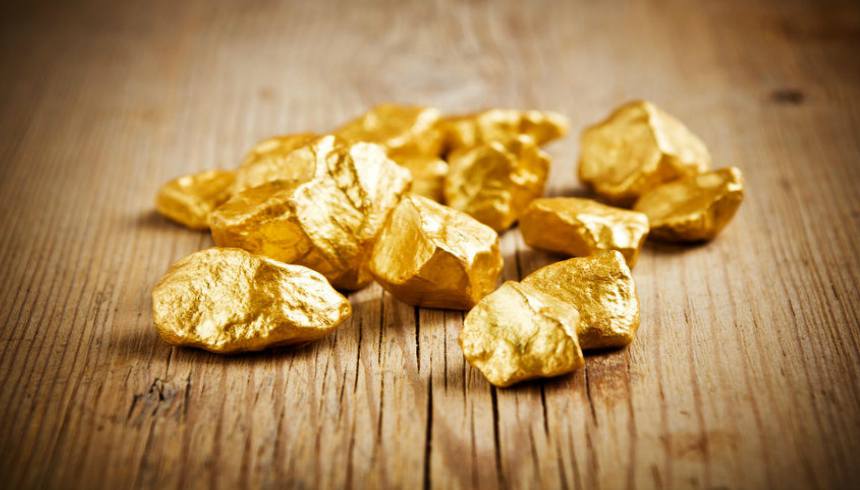
- Nuggets: Naturally occurring pieces, often found in alluvial deposits, valued for their rarity and aesthetic appeal. Sizes range from small flakes to large nuggets (e.g., 5–100 grams).
- Gold Dust: Fine particles collected during mining, typically 92–95% pure, requiring further refining for investment-grade use.
- Doré Bars: Semi-refined bars produced at mine sites, usually 80–95% pure, used as a precursor to refined bullion.
- Characteristics: Raw gold has a distinctive yellow hue, is denser (19.32 g/cm³) than most metals, and is non-magnetic. Its unpolished, rough appearance contrasts with the lustrous finish of refined bars. South African raw gold is prized for its high gold content and historical significance, often bearing traces of the Witwatersrand’s unique geological signature.
South Africa’s gold is extracted from both primary (hard rock) and secondary (alluvial) deposits. Industrial mines like South Deep (Harmony Gold), Mponeng (AngloGold Ashanti), and Driefontein (Sibanye-Stillwater) use advanced technologies to extract gold from deep reserves, while artisanal miners in regions like Barberton rely on manual methods.
The country’s gold reserves are estimated at 6,000 metric tons, the second-largest globally, ensuring a steady supply despite declining ore grades.
Key Gold-Producing Regions and Mines in South Africa
- Witwatersrand Basin (Gauteng): The world’s largest gold placer deposit, producing iconic mines like Mponeng (deepest mine globally, 4 km underground), South Deep (largest reserves), and Driefontein. It accounts for the majority of South Africa’s gold output.
- Barberton (Mpumalanga): Home to Pan African Resources’ Barberton Mines, known for low-cost production (all-in sustaining costs of $643/oz at tailings retreatment plants). Artisanal mining is also prevalent here.
- Free State Goldfields: Includes mines like Beatrix (Sibanye-Stillwater), known for high-grade deposits.
- Kromdraai: South Africa’s oldest mine, now a tourist attraction, highlighting the country’s gold heritage.
Industrial mining dominates, but artisanal mining also contributes significantly, particularly to the supply of raw gold. However, artisanal operations face challenges like environmental degradation and illegal trade, necessitating ethical sourcing.
Raw Gold Buyers in South Africa
Here are raw gold buyers in South Africa, including licensed dealers, refineries, and gold trading companies that specialize in purchasing unrefined or raw gold:
- Rand Refinery
Location: Germiston, Johannesburg
Website: www.randrefinery.com
Overview:
Rand Refinery is one of the largest integrated single-site precious metals refining and smelting complexes in the world. While primarily a refinery, they also purchase raw gold from certified suppliers and miners.
Services:
- Buys raw and unrefined gold from legal miners and licensed suppliers
- Assays, refines, and mints gold bars
- Offers compliance with LBMA and conflict-free sourcing standards
- SA Bullion
Location: Cape Town & Johannesburg
Website: www.sabullion.co.za
Overview:
SA Bullion focuses on gold investment and bullion trading, but they also buy gold from verified sources, including raw gold sellers like licensed artisanal miners and small-scale producers.
Services:
- Gold bullion trading
- Purchases and assays raw gold from vetted sellers
- Secure storage and gold vaulting services
3. Gold Capital
Location: Johannesburg
Website: www.goldcapital.co.za
Overview:
Gold Capital is a registered gold buyer with a retail presence and a strong online platform. They buy all forms of gold, including raw gold, especially from small-scale miners and gold prospectors.
Services:
- Purchases raw and scrap gold
- On-site XRF testing and weighing
- Instant payment in cash or bank transfer
- MetCon (Metal Concentrators SA Pty Ltd)
Location: Midrand, Gauteng
Website: www.metcon.co.za
Overview:
MetCon is a precious metals refinery and supplier. They source gold from local miners and suppliers and process raw gold into investment-grade products.
Services:
- Buys raw gold from legitimate sources
- Offers refining, smelting, and assaying
- Supplies gold bars and coins to retailers and investors
- Cape Precious Metals (CPM)
Location: Cape Town
Website: www.capepreciousmetals.co.za
Overview:
CPM is a registered precious metal dealer that buys gold, including raw and unrefined gold. They serve both walk-in sellers and commercial clients like small-scale miners.
Services:
- Buys raw gold, jewellery, and dental gold
- Melting and assaying services
- Same-day payments and transparent pricing
Important Note:
Selling raw gold in South Africa requires adherence to legal guidelines under the Precious Metals Act. Always ensure:
- You have a valid mining or trading permit
- You sell to licensed buyers
- Transactions are documented to avoid legal issues
Investment Potential of Raw Gold
Raw gold from South Africa is a compelling investment for several reasons:
- Affordability: Raw gold often carries lower premiums than refined bullion, with prices 5–10% below spot due to impurities and minimal processing. For example, raw gold nuggets cost approximately 1,880–1,900 ZAR per gram (~$100–USD 105) compared to 2,000 ZAR for refined 24-karat gold.
- Historical Value: South African gold’s legacy, tied to the Witwatersrand, adds collectible appeal, especially for nuggets.
- Hedge Against Inflation: Gold’s value tends to rise during economic uncertainty, with prices increasing 558% since 2001 (from $271/oz to $2,313/oz in May 2024).
- Liquidity: Raw gold can be resold to refiners or dealers, though refining to 99.9% purity may be required for maximum marketability.
However, raw gold’s lower purity and need for assaying can reduce liquidity compared to refined bars or coins like the Krugerrand. Investors should weigh these factors against their goals and risk tolerance.
Best Places to Buy Raw Gold in South Africa
Purchasing raw gold requires diligence to ensure authenticity, fair pricing, and compliance with South Africa’s Precious Metals Act 37 of 2005. Below are the top places to buy raw gold, with a focus on reputable suppliers:
- Rand Refinery
Rand Refinery, based in Germiston, is one of the world’s largest precious metals refining complexes and an LBMA-accredited facility. It sources raw gold from South African mines and produces doré bars, refined bars, and coins like the Krugerrand.
- Why Buy Here?: LBMA certification ensures 99.9% purity for refined products, with assay reports for raw gold. Offers 24-hour turnaround assaying and secure logistics.
- Products: Doré bars, refined bars (1 oz to 1 kg), Krugerrands.
- Pricing: Aligned with spot price (1,956,233 ZAR/oz or $3,200 USD in July 2025), with refining fees of 0.5–1%.
- Gold prices in Africa Ltd
Gold prices in Africa Ltd, headquartered in Kampala but with operations in South Africa, sources raw and refined gold from Witwatersrand and Barberton mines. We offer 92–99.9% pure raw gold (nuggets, dust, doré) and refined 24-karat bars, certified by SGS and South Africa’s Precious Metals Regulator, ensuring compliance with ethical standards.
- Why Buy Here?: Competitive pricing (1,880–1,900 ZAR/gram for raw gold), secure online platform, insured global delivery via DHL/Brinks, and bulk discounts (5% for orders over 5 kg). We handle export permits and taxes.
- Products: Raw gold nuggets (1–100 grams), dust, doré bars, refined bars (1 gram to 1 kg), Krugerrands.
- Pricing: Raw gold at ~$100–$105/gram; 1-kg refined bars at $75,000–$80,000 USD.
- SA Bullion
SA Bullion, based in Cape Town, is a trusted dealer specializing in gold bullion, including raw and refined products. Known for excellent service, they offer Krugerrands and bars with transparent pricing.
- Why Buy Here?: Professional service, secure transactions, and tamper-evident packaging. Customer reviews praise their reliability and quick delivery.
- Products: Raw gold dust, nuggets, Krugerrands, minted bars.
- Pricing: 1,900–2,000 ZAR/gram ($105–USD 110), with premiums for minted products.
- Location: Cape Town, with online purchasing at sabullion.co.za.
- Village Local Miners
Village Local Miners, a supplier based in Cameroon but active in South Africa, offers raw gold bars, nuggets, and dust sourced from local miners. They emphasize quality and affordability.
- Why Buy Here?: Competitive prices and a focus on unadulterated raw gold (90–95% pure). Suitable for collectors and investors.
- Products: Raw gold bars, nuggets, dust.
- Pricing: 1,850–1,900 ZAR/gram ($100–USD 105).
- Johannesburg Gold Markets
Johannesburg’s gold markets, such as those in the Central Business District, offer raw gold from artisanal miners and licensed traders. These markets provide a hands-on buying experience but require caution.
- Why Buy Here?: Access to unique nuggets and dust at competitive prices, often below spot due to minimal processing.
- Products: Nuggets, dust, small doré bars.
- Pricing: 1,800–1,900 ZAR/gram ($98–USD 105).
Regulatory Considerations
South Africa’s Precious Metals Act 37 of 2005 governs the acquisition, possession, and sale of raw gold. Key requirements include:
- Licensing: Sellers must hold a valid license from the South African Precious Metals Regulator. Buyers should verify licenses to avoid illegal transactions.
- Export Permits: Exporting raw gold requires a permit from the South African Revenue Service (SARS) and a certificate of origin. Export duties (e.g., VAT) apply, typically 1–3% of value.
- Documentation: Buyers must obtain assay certificates, receipts, and proof of compliance with anti-money laundering regulations (FICA).
- Ethical Sourcing: South Africa adheres to the Kimberley Process for conflict-free minerals, but buyers should ensure traceability to avoid illicit trade, as seen in smuggling to the UAE (e.g., $15.1 billion in unreported gold exports in 2016).
Pricing Dynamics
Raw gold prices in South Africa are tied to the global spot price, which was approximately 1,956,233 ZAR per ounce ($3,200 USD) in July 2025. Key factors include:
- Global Demand: High demand from China and India drives prices, with Africa supplying a significant portion of global gold.
- Currency Fluctuations: The South African Rand’s value (e.g., 1 USD = 17.74 ZAR in March 2025) impacts local pricing.
- Mining Costs: Declining ore grades increase extraction costs, with low-cost operations like Pan African Resources’ Barberton ($643/oz) being exceptions.
- Premiums: Raw gold carries lower premiums (1–5% above spot) than refined bars (5–10%), but assaying and refining costs may apply.
For example, a 1-ounce nugget costs ~1,900,000 ZAR ($3,100 USD), while a 1-kg doré bar ranges from $75,000–$80,000 USD after refining.
Avoiding Scams
Scams are a risk in South Africa’s gold market, particularly with raw gold. Common issues include:
- Counterfeit Gold: Gold-plated iron sulfide (pyrite) is often passed off as raw gold. Use magnet, density, or acid tests to verify authenticity.
- Fraudulent Sellers: Avoid deals offering 10–20% below spot price
Illegal Gold Buying (IGB): The Precious Metals Act prohibits unlicensed trading. Engage legal counsel for due diligence, as recommended by the U.S. Embassy.
Storage and Security
Protecting raw gold is critical:
- Home Storage: Use a fireproof, bolted safe with tamper-evident packaging. Install alarms and cameras, and secure bullion-specific insurance.
- Vault Storage: Professional vaults like those partnered with 24k Gold Bars Africa Ltd offer 24/7 surveillance and insurance. Annual fees are 0.5–2% of value.
- Insurance: Insure based on appraised value, retaining assay certificates and receipts.
How to Buy Raw Gold Safely in South Africa
Start by acknowledging the allure of South African raw gold but immediately highlight the importance of safety and legality due to the value and market complexities.
Key Pillars of Safe Purchase:
1 Verify Seller Licensing: Detail what a valid license from the South African Precious Metals Regulator (SADPMR) looks like and why it’s crucial. Provide links or guidance on how a buyer can verify a license.
2 Demand Documentation: Explain the necessity of assay certificates (what they show, why they’re important for purity verification), receipts, and FICA (Financial Intelligence Centre Act) compliance.
3 Understand Payment Methods: Clearly state that reputable dealers will not accept cash. Emphasize EFTs and other traceable payment methods. Refer to Rand Refinery’s policy of only accepting inter-account transfers.
4 Physical Verification/Assaying: Encourage buyers (especially for raw gold) to seek independent assaying services if not buying from a major refinery. Explain simple at-home tests (magnet, density) for initial checks, but stress their limitations.
5 Ethical Sourcing and Traceability: Dedicate a significant section to this. Explain the Kimberley Process (though primarily for diamonds, the principles of conflict-free minerals apply). Emphasize asking for proof of origin and supply chain transparency. Mention the risks of illicit trade.
6 Contract and Legal Counsel: Advise buyers, especially for significant transactions, to use a formal signed agreement and consider legal counsel for due diligence, as suggested by the U.S. Embassy.
Common Scams and How to Avoid Them:
1 Counterfeit Gold: Elaborate on pyrite and other common fakes. Provide more in-depth testing methods (acid tests, specific gravity).
2 Too-Good-To-Be-True Prices: Reinforce that prices significantly below spot are red flags.
3 Illegal Gold Buying (IGB): Explain what this entails and the severe penalties for engaging in it.
4 Pressure Tactics: Warn against sellers who push for quick decisions or cash deals.
Reputable Places to Buy Briefly mention Rand Refinery, Gold Prices Africa Ltd, SA Bullion, etc., as examples of entities adhering to safety protocols, and direct readers to the
Note. encourage potential buyers to contact your company, highlighting your adherence to all safety and legal standards.
Top Licensed Gold Exporters in South Africa
Licensing & Accreditations: Explicitly mention their SADPMR license and any international accreditations (e.g., LBMA for Rand Refinery, SGS for 24k Gold Bars Africa Ltd). This is your strongest trust signal.
Primary Offerings: Detail what types of gold they export (raw gold forms, refined bars, Krugerrands).
Key Differentiators/Benefits for Buyers:
Rand Refinery: LBMA certified, 99.9% purity for refined, assay reports, 24-hour assaying, secure logistics. Crucially, clarify their policy of transacting only with registered companies holding specific licenses (Jewellers’ Permit/Works Recovery license) as this is a major distinction.
Gold prices in Africa Ltd. Competitive pricing for raw gold, SGS certified, ethical standards, secure online platform, insured global delivery, bulk discounts, export permit/tax handling. Emphasize your direct sourcing from Witwatersrand and Barberton and handling of export logistics.
SA Bullion: Professional service, secure transactions, tamper-evident packaging, reliability.
Village Local Miners: Competitive prices, focus on unadulterated raw gold (90-95% pure). Add a strong disclaimer here about verifying their specific SA licensing and ethical sourcing practices given their base in Cameroon.
Johannesburg Gold Markets: Access to unique raw gold. Add a significant warning about the higher risk of scams and the absolute necessity of due diligence and expert verification for these informal markets.
Contact Information/Website: Provide clear links to their official websites.
Selection Criteria for Buyers: Summarize what buyers should look for when choosing an exporter: licensing, transparency, assaying services, secure logistics, ethical sourcing policies, and customer reviews.
Regulatory Framework Reminder: Briefly reiterate the importance of the Precious Metals Act 37 of 2005 and the need for export permits.
Raw Gold vs Refined Gold – Which Is Better?
Define both raw and refined gold simply, setting the stage for a comparative analysis within the South African context.
Raw Gold – Pros & Cons
Pros:
Affordability: Lower premiums (5-10% below spot) due to impurities and minimal processing. Provide local examples (1,880–1,900 ZAR per gram).
Historical/Collectible Value: Emphasize South Africa’s “Cradle of Gold” narrative and the unique appeal of Witwatersrand nuggets.
Direct from Source: Appeal to those wanting a more “authentic” connection to the mining origin.
Cons:
Purity Variation: Clearly state the 90-98% purity range (21.6–23.5 karat) and the need for further refining for investment-grade use.
Lower Liquidity: Explain that lower purity and the need for assaying can make it harder to sell quickly compared to refined products like Krugerrands.
Verification Challenges: Higher risk of scams and the absolute need for proper testing.
Storage & Handling: Unpolished, rough appearance might require different handling.
Refined Gold – Pros & Cons
Pros:
High Purity: 99.9% (24 karat) or 99.99% purity, meeting international “Good Delivery” standards.
High Liquidity: Easily bought and sold globally, recognized universally (e.g., LBMA bars, Krugerrands).
Assured Authenticity: Comes with certifications from reputable refiners (e.g., Rand Refinery).
Ease of Storage: Standardized sizes and forms make storage simpler.
Cons:
Higher Premiums: Costs 5-10% above spot due to refining, manufacturing, and branding.
Less “Raw” Appeal: Lacks the unique, natural characteristics some collector’s desire.
Investment Considerations/Who is it For?
Raw Gold: Ideal for collectors, those seeking a lower entry point, or investors willing to manage the refining process.
Refined Gold: Best for serious investors seeking high liquidity, guaranteed purity, and ease of transaction.
Conclusion: Summarize that the “better” option depends on the buyer’s goals, risk tolerance, budget, and willingness to engage with the refining process.
Raw Gold Price in South Africa.
Raw gold price in South Africa is influenced by global spot prices, purity levels, and the form in which gold is traded (nuggets, dust, or doré bars). Below is a breakdown of average market prices:
| Type of Raw Gold | Purity | Price per Gram | Price per Ounce | Price per Kilogram |
|---|---|---|---|---|
| Raw Gold Nuggets | 92–98% | ZAR 1,880–1,900 (~$100–105) | ZAR 58,460–59,070 (~$3,100–3,150) | ZAR 1,880,000–1,900,000 (~$100,000–105,000) |
| Raw Gold Dust | 91–95% | ZAR 1,850–1,890 (~$98–103) | ZAR 57,550–58,900 (~$3,050–3,130) | ZAR 1,850,000–1,890,000 (~$98,000–103,000) |
| Doré Bars (Semi-Refined) | 80–95% | N/A | ZAR 56,000–58,000 (~$2,900–3,050) | ZAR 1,750,000–1,850,000 (~$93,000–98,000) |
Price Factors: Raw gold is typically 5–10% cheaper than refined bullion due to impurities and minimal processing. Prices are tied to the international spot price (~$3,200/oz), the Rand–USD exchange rate, and the cost of refining or export.
Factors Affecting South Africa Gold Prices:
1 Currency Fluctuations: Detail how the ZAR/USD exchange rate directly impacts local gold prices. Provide an example (e.g., 1 USD = 17.74 ZAR in March 2025 – update this with the current rate if possible or use a more generalized example).
2 Local Supply & Demand: Briefly touch on South Africa’s declining ore grades but continued supply from major mines and artisanal sources.
3 Premiums & Discounts: Reiterate the concept of premiums for refined gold and lower prices/discounts for raw gold due to impurities/processing costs. Give examples (e.g., raw gold at 1-5% above spot vs. refined at 5-10% above spot, but then factor in raw gold’s initial lower price before refining).
4 Mining Costs: Briefly mention how extraction costs influence overall pricing.
Raw vs. Refined Gold Prices in South Africa
| Gold Type | Form | Purity Range | Price per Gram (ZAR/USD) | Price per Ounce (ZAR/USD) | Price per Kg (ZAR/USD) |
|---|---|---|---|---|---|
| Raw Gold Nuggets | Flakes/Nuggets | 92–98% | 1,880–1,900 / ~$100–105 | 58,460–59,070 / ~$3,100–3,150 | 1,880,000–1,900,000 / ~$100,000–105,000 |
| Raw Gold Dust | Fine Particles | 91–95% | 1,850–1,890 / ~$98–103 | 57,550–58,900 / ~$3,050–3,130 | 1,850,000–1,890,000 / ~$98,000–103,000 |
| Doré Bars | Semi-Refined | 80–95% | N/A | 56,000–58,000 / ~$2,900–3,050 | 1,750,000–1,850,000 / ~$93,000–98,000 |
| Refined Gold Bars (24K) | 1g–1kg Bars | 99.99% | 2,000–2,050 / ~$110–115 | 62,000–63,800 / ~$3,250–3,350 | 2,000,000–2,050,000 / ~$110,000–115,000 |
| Krugerrands (1 oz) | Coin (Bullion) | 91.67% (22K) | N/A | 63,500–65,000 / ~$3,300–3,380 | N/A |
Note: Prices vary depending on supplier, quantity, and current spot price (approx. ZAR 1,956,233 per oz or ~$3,200 USD in July 2025). Always confirm with a live dealer.
Historical Data (Chart or Summary: Include a chart showing historical gold price trends in ZAR over 1-year, 5-year, and 20-year periods, demonstrating gold’s role as a hedge against inflation (as you mentioned a 558% increase since 2001).
Calculator (Optional but Recommended: A simple calculator where users can input weight (grams/ounces/kilograms) and purity to get an estimated price based on the current spot.
Disclaimer: Clearly state that prices are indicative and subject to market fluctuations, and final prices will depend on the specific dealer, product, and transaction terms.
How to Export Gold Legally from South Africa
Emphasize the strict legal framework governing gold export from South Africa and the importance of compliance to avoid severe penalties.
Key Regulatory Bodies & Legislation:
South African Diamond and Precious Metals Regulator (SADPMR): Main licensing authority.
South African Revenue Service (SARS): Handles export permits and duties.
South African Reserve Bank (SARB): Regulates foreign exchange.
Precious Metals Act (Act 37 of 2005): The foundational law.
Step-by-Step Guide to Legal Export Gold in south Africa:
- Obtain Necessary Licenses:
Precious Metals Beneficiation License: buyer/exporter usually needs this, or must work with a licensed entity.
Export Permit from SADPMR: Detail the application process, required documentation, and associated costs (if possible, provide indicative figures or a range, stating they are subject to change).
2. Verify Gold Source & Authenticity:
Assay Certificate: Must be from a recognized laboratory, stating purity and weight.
Certificate of Origin: Crucial for proving legal sourcing and compliance with conflict-free mineral initiatives.
Traceability: Emphasize the importance of a transparent supply chain, especially from artisanal miners.
- Financial Compliance:
Proof of Payment: Demonstrate legitimate acquisition of the gold.
Anti-Money Laundering (AML) / FICA Compliance
- Taxation and Duties:
Export Duties/VAT: Explain that these typically apply (e.g., 1-3% of value) and how they are calculated.
- Secure Logistics & Insurance:
Reputable Transport Companies: Highlight the use of specialized, insured carriers (e.g., Brinks, secure divisions of DHL).
Secure Packaging: Tamper-evident, properly labeled.
Customs Clearance: Mention the role of customs brokers to expedite the process.
- Destination Country Regulations: Briefly advise buyers to also understand import regulations and duties in their own country.
Risks of Non-Compliance:
Fines, confiscation of gold, export bans, legal prosecution.
Reputational damage and potential blacklisting.
Contribution to illicit trade.
Gold Prices in Africa Ltd Assists: Position your company as a reliable partner that handles all these complexities for clients, ensuring a fully legal and compliant export process.