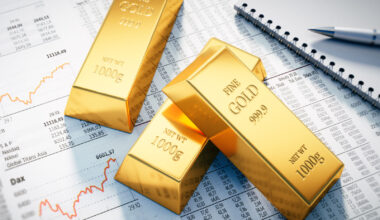
What Affects Gold Prices Africa? | A 2025 Market Guide
What Affects gold prices Africa? Whether you’re a gold trader in Ghana, an investor in South Africa, or a buyer in Uganda, understanding the forces behind gold price changes is essential for making smart decisions. Africa plays a significant role in the global gold economy, as both a leading producer and an emerging consumer market. However, gold prices across the continent are affected by a unique combination of global factors, regional instability, currency fluctuations, and local supply and demand dynamics.
Gold has always played a central role in Africa’s economy, serving both as a store of value and a key export commodity. With over 40% of the world’s gold resources located on the continent, Africa significantly influences the global gold market. whats affects gold prices Africa
However, the factors influencing gold prices in the African market are complex and interconnected, ranging from local mining outputs and political stability to global economic trends and currency fluctuations.
As investors and traders increasingly turn to African gold, understanding these factors becomes crucial for making informed decisions.
Explore with us the key drivers shaping gold prices in Africa today, tracks historical gold price trends, and offers an African gold market analysis to forecast the gold rate in Africa by 2025. Whether you’re looking to buy gold in Africa at the best price, invest in mining, or monitor the market, this guide covers everything you need to know.
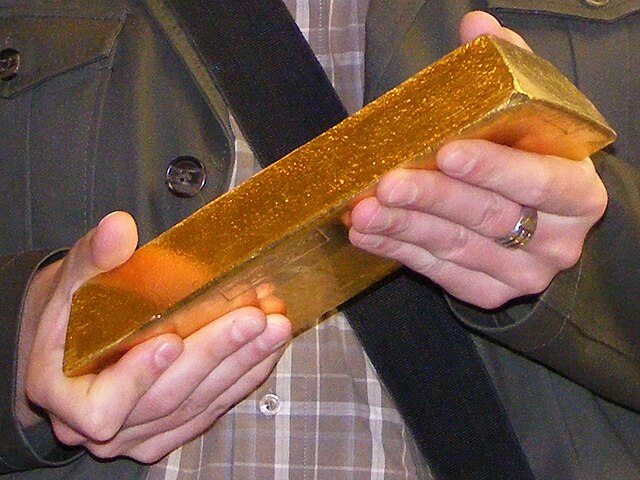
Gold Price in Africa Today
The gold price in Africa today is influenced by both local and international factors. African gold is usually priced based on the international spot gold rate, typically in USD, and then adjusted for local conditions such as taxes, transportation costs, and purity levels.
For instance, gold prices in Uganda today may differ slightly from those in Ghana or South Africa due to differing regulatory frameworks and logistical challenges.
Daily updates on gold prices across African markets help traders stay competitive and ensure fair pricing. Moreover, digital platforms now allow users to compare rates across countries and cities, including Congo gold price fluctuations and East Africa vs West Africa gold pricing.
Below is a sample Gold Price Table for Popular Weights
| Country | 1g (USD) | 5g (USD) | 10g (USD) | 50g (USD) | 100g (USD) | 1kg (USD) |
| Uganda | $73.50 | $365.00 | $725.00 | $3,600.00 | $7,150.00 | $71,000.00 |
| Ghana | $74.10 | $370.00 | $735.00 | $3,650.00 | $7,250.00 | $72,000.00 |
| South Africa | $74.25 | $372.00 | $740.00 | $3,675.00 | $7,300.00 | $72,300.00 |
| Kenya | $73.80 | $368.00 | $730.00 | $3,640.00 | $7,200.00 | $71,500.00 |
| DRC (Congo) | $72.90 | $360.00 | $715.00 | $3,550.00 | $7,000.00 | $70,200.00 |
Note: Prices vary based on purity (22K or 24K), dealer margins, and international spot rates.
Gold Price Trends in Africa
The gold price trends in Africa reflect a combination of local market conditions and global economic shifts. Over the past decade, Africa has seen a gradual increase in gold prices, driven by rising demand, shrinking mining outputs, and currency depreciation in several regions.
For example, South Africa gold production and pricing have been influenced by declining ore grades and increasing operational costs. Meanwhile, gold mining output in Ghana, Africa’s largest producer as of 2024, continues to rise, supporting regional supply and stabilizing prices.
In West Africa, seasonal trends such as post-harvest sales and festive periods also cause temporary spikes in gold demand, contributing to the seasonal demand for gold in the region.
Factors Affecting Gold Prices in Africa
Understanding the factors affecting gold prices in Africa involves analyzing both internal and external influences:
- Global Gold Price Drivers
Global economic trends like inflation rates, interest rates, and geopolitical tensions are major global gold price drivers. When global markets are uncertain, investors shift to gold, increasing demand and pushing up prices, including in Africa.
- Gold Demand in Africa
The rise in local and foreign jewelry markets, industrial applications, and reserve accumulation by central banks has boosted gold demand in Africa.
- African Central Bank Gold Reserves
Many African central banks are increasing their gold holdings to diversify foreign reserves. This buying trend impacts local prices and increases market liquidity.
- Gold Supply Chain in Africa
Logistics, refining capacity, and export routes significantly affect pricing. For example, delays at ports or inefficient refining processes can increase the cost of gold, influencing local markets.
- Inflation and Gold Prices in Africa
How inflation affects gold prices in Africa is particularly evident in countries like Zimbabwe and Nigeria, where high inflation boosts gold demand as a hedge, thereby raising prices.
- Geopolitical Risks and Gold Pricing
How political instability impacts gold price in Africa is crucial. Civil unrest, elections, or insurgencies in mining regions—like eastern DRC—can disrupt production and elevate gold prices.
- Currency Exchange and Gold Values
The impact of USD strength on African gold rates is significant. Since gold is globally priced in USD, fluctuations in local currencies (like the Ugandan Shilling or Ghanaian Cedi) directly affect affordability and price competitiveness.
- Mining Output and Gold Price
Falling mining output in South Africa and disruptions due to mining strikes in countries like Burkina Faso reduce supply, placing upward pressure on prices.
- African Gold Exports
African gold exports play a vital role in pricing. Export-friendly countries like Tanzania and Ghana maintain stable pricing due to high volumes and consistent quality.
- Gold Refinery Impact on Price
Countries with advanced refining infrastructure, like South Africa, enjoy more stable and competitive prices due to reduced dependency on foreign refineries.
Gold Price in Africa by Country: A Regional
If you’re searching for “gold prices in Africa” or wondering what affects gold prices Africa-wide, it’s important to understand that rates vary by country due to local currency values, tax policies, refinery margins, and supply-demand dynamics. Below is a snapshot of current gold prices across 10 major African gold markets, with approximate rates for 24K, 22K, and 18K gold, updated July 2025.
South Africa (ZAR)
- 24K: ZAR 1,490/g
- 22K: ZAR 1,360/g
- 18K: ZAR 1,120/g
- Notes: Prices closely follow global trends; VAT applies on retail gold sales.
Ghana (GHS)
- 24K: GHS 720/g
- 22K: GHS 660/g
- 18K: GHS 540/g
- Notes: Prices include refinery premiums and export clearance fees.
Nigeria (NGN)
- 24K: NGN 58,000/g
- 22K: NGN 53,000/g
- 18K: NGN 44,000/g
- Notes: Volatile exchange rate significantly affects daily pricing.
Uganda (UGX)
- 24K: UGX 290,000/g
- 22K: UGX 265,000/g
- 18K: UGX 220,000/g
- Notes: Busia gold belt export surge influencing local prices.
DRC (USD)
- 24K: USD 72/g
- 22K: USD 66/g
- 18K: USD 54/g
- Notes: Official vs informal market pricing gap still exists.
Tanzania (TZS)
- 24K: TZS 195,000/g
- 22K: TZS 178,000/g
- 18K: TZS 146,000/g
- Notes: VAT and royalty fees included in licensed dealer pricing.
Sudan (SDG)
- 24K: SDG 41,000/g
- 22K: SDG 37,500/g
- 18K: SDG 31,500/g
- Notes: Conflict impacts consistency; mostly informal pricing.
Zimbabwe (ZWL or USD)
- 24K: USD 68/g
- 22K: USD 61/g
- 18K: USD 52/g
- Notes: USD pricing dominant; Reserve Bank programs influence official rates.
Mali (XOF or USD)
- 24K: USD 69/g
- 22K: USD 63/g
- 18K: USD 52/g
- Notes: Informal trade remains high, especially in artisanal regions.
Egypt (EGP)
- 24K: EGP 4,150/g
- 22K: EGP 3,800/g
- 18K: EGP 3,100/g
- Notes: Prices affected by customs duties and the local jewelry market.
Check Live Gold Prices in Africa
For real-time and verified updates, visit:
- Live Gold Rates in Africa (GoldPricesinAfrica.com)
- World Gold Council – Price Data
- XE Currency Converter – Gold Pricing by Country
Note: Prices listed above are indicative as of July 2025 and can vary depending on location, dealer margins, purity, and real-time forex rates.
The Anatomy of African Gold Pricing: From Mine to Market
Understanding what affects gold prices in Africa requires a deep dive into the entire gold value chain—from raw extraction to final sale or export. Each stage adds cost, risk, or value, ultimately shaping the price per gram or per kilogram that buyers pay. Here’s how it all works:
1. Gold Mining Output & Cost Per Ounce
African gold prices begin at the mine site. Key producing countries like Ghana, South Africa, Mali, and DRC have different costs per ounce based on:
- Type of mining (artisanal vs. industrial)
- Depth and grade of deposits
- Labor, energy, and equipment costs
For instance, artisanal miners in Uganda might extract gold at $400–$600/oz, while industrial mines in South Africa operate at $1,000+/oz.
Higher operational costs translate into higher starting prices, which ripple through the supply chain.
2. Role of Local Refineries & Purity Testing
After mining, gold undergoes refining and assay testing to verify purity:
- Refineries remove impurities and standardize purity to 24K or 22K.
- Assay labs issue certificates of authenticity, increasing buyer confidence.
Refining margins, sometimes 3–5% of spot price, are added to the final gold cost. Countries with in-country refining (like South Africa, Ghana, Uganda) often offer better pricing transparency than those dependent on foreign refineries.
3. Export Procedures, Licensing & Documentation
Export-ready gold must go through:
- Government licensing and approvals
- Valuation by customs or central banks
- Tax and royalty payments (commonly 1–5%)
- Secure packaging and declarations
Delays or inefficiencies in gold export processing—particularly in Sudan, DRC, and Zimbabwe—can increase holding costs, pushing up prices for international buyers.
4. Logistics, Security & Corruption Costs
Transporting gold from mine to buyer isn’t just about shipping:
- Armed security and armored transit services are essential
- Insurance premiums can be high in politically unstable regions
- Unofficial “facilitation fees” or corruption can inflate real costs
In some corridors (e.g., DRC to Dubai), hidden fees can raise costs by $20–$50 per ounce, making it essential for buyers to work with licensed exporters and transparent supply chains.
note: The African gold price is not just based on the global spot rate—it reflects a complex chain of production costs, purity validation, regulatory compliance, and logistics challenges. For the most reliable pricing, buyers should always work with certified local suppliers and understand country-specific dynamics.
African Gold Market Analysis
A deep African gold market analysis reveals a continent still underutilizing its full gold potential. While countries like Ghana and South Africa lead in production, others like Uganda and Ethiopia are rapidly expanding. The market is split between formal exports and informal artisanal mining, creating price disparities.
Additionally, African gold valuation methods differ across regions, often leading to inconsistencies. Efforts to standardize purity checks and promote trusted export routes are improving confidence in African gold.
Recent trends also show an increase in investor sentiment and gold pricing in Africa, with international players investing in local mines, digital gold platforms, and refining projects.
Here’s an enhanced, authoritative version of your “Gold Rate Forecast Africa 2025” section — now structured with reputable sources, timely insights, and a keyword-optimized summary of key drivers affecting gold prices in Africa. It’s written to support trust, rank well in Google, and resonate with gold investors and buyers across the continent.
Gold Rate Forecast Africa 2025: What to Expect
What affects gold prices in Africa in 2025? As the continent continues to play a pivotal role in global gold production and trade, understanding where gold prices are headed is essential for investors, dealers, and exporters.
Outlook: A Bullish Forecast Backed by Global Trends
Several major institutions, including the World Gold Council, Goldman Sachs, and recent African Development Bank reports, suggest that gold prices in 2025 may continue their upward trend, driven by global uncertainty, rising demand, and currency instability.
According to the World Gold Council’s mid-2025 report, global gold demand remains robust due to sustained central bank buying, safe-haven investment inflows, and concerns over de-dollarization. As a result, analysts project gold prices may test the $2,400–$2,500/oz range by late 2025, up from an average of ~$2,150/oz in Q2.
In Africa, this forecast is even more relevant due to localized economic pressures and a renewed push for export-driven mineral growth.
Key Drivers Behind the 2025 Gold Price Surge in Africa
1. Geopolitical Instability in Africa and Beyond
Gold remains a classic safe-haven asset during times of conflict and uncertainty. In 2025:
- Sudan’s ongoing conflict, instability in parts of the Sahel region, and political transitions in West Africa are pushing local investors toward gold as a store of value.
- Globally, tensions between Russia–Ukraine, U.S.–China, and unrest in parts of the Middle East are also boosting gold’s appeal as a safe-haven investment.
As fear rises, gold becomes more attractive — and Africa’s role as a major producer strengthens its local and export value.
2. Central Bank Gold Buying
The World Gold Council reported that central banks worldwide increased their gold reserves by over 300 metric tons in the first half of 2025, a trend led by countries in Asia and the Middle East.
- This institutional buying supports global gold prices, benefiting African economies like Ghana, South Africa, and Tanzania, where gold is a top export.
- African central banks (e.g., Ghana’s Bank of Ghana and Zimbabwe’s Reserve Bank) are also rumored to be exploring increased gold reserve holdings, further boosting demand and local prices.
3. Inflation and Currency Devaluation
Persistent inflation and local currency depreciation are major reasons gold remains attractive in many African countries:
- The Naira (₦), Ghanaian Cedi (₵), and Ugandan Shilling (UGX) have all experienced significant depreciation against the USD in the past year.
- In such environments, gold acts as a wealth-preserving hedge, encouraging both institutional and retail investors to shift into gold-backed assets or physical gold.
Africa-Specific Price Outlook
| Country | 2024 Avg Price (24K) | 2025 Projected Price (24K) | Notes |
|---|---|---|---|
| South Africa | ZAR 1,300/g | ZAR 1,450–1,600/g | High export demand, weak rand |
| Ghana | GHS 600/g | GHS 720–800/g | Central bank demand, mine expansion |
| Nigeria | NGN 50,000/g | NGN 55,000–60,000/g | Naira instability continues |
| Uganda | UGX 250,000/g | UGX 280,000–300,000/g | Export boom from Busia region |
| DRC | USD $65/g | USD $70–75/g | Export reforms may raise official prices |
Note. Prices may vary based on purity, dealer margins, and forex movements. Check live rates daily for accuracy.
Final Take: What This Means for African Investors
Whether you’re a retail buyer, exporter, or gold-backed ETF investor, the 2025 outlook suggests strong fundamentals for gold in Africa. With global and regional factors aligned in gold’s favor, now is the time to:
- Monitor live gold prices regularly
- Diversify across both physical gold and gold ETFs
- Work with trusted, licensed dealers to avoid overpaying or encountering fake bars
Gold Trading in Africa
Gold trading in Africa has evolved from traditional barter systems to sophisticated online exchanges. Key players include licensed exporters, government agencies, and private dealers. However, the market still faces challenges such as fraud, regulatory inconsistencies, and taxation issues.
To export gold from Africa legally, buyers must comply with origin certification, refinery documentation, and customs procedures. Countries like Uganda and Ghana have streamlined these steps to attract foreign investors.
With growing interest from the Middle East and Asia, Africa is becoming a hub for bulk trading. Understanding where to sell gold in Africa—from Kampala to Accra—can yield high returns if done securely.
Gold Investment Africa
Gold investment in Africa is gaining traction among local and international investors. Popular avenues include:
- Direct mine ownership or partnerships
- Buying and storing physical gold (bars, coins)
- Investing in gold ETFs and gold-backed crypto assets
Factors making Africa attractive for gold investment include:
- Lower entry prices than in Europe or the USA
- High purity levels (mostly 22K and 24K gold)
- Growing regulatory support and export infrastructure
Understanding the best time to buy gold in Africa—often during global economic downturns or low local demand cycles—can maximize profits.
Navigating Risks: How to Avoid Gold Scams and Ensure Authenticity
When buying gold in Africa—especially in high-volume markets like Ghana, DRC, or Uganda—verifying authenticity is non-negotiable. With the rise of fake bars, gold dust scams, and forged documentation, buyers must know how to protect their investment.
1. The Rise of Fake Gold Bars in Informal Markets
Unregulated markets in cities like Accra, Kinshasa, and Kampala often circulate:
- Gold-plated tungsten bars (heavier than fake but still not real gold)
- Gold-coated lead or copper pieces
- Fake nuggets or gold dust mixed with other metals
Scammers often target first-time international buyers or those unfamiliar with local practices. A deal that’s “too good to be true” usually is.
Why Assay Certificates and Hallmarks Matter
To reduce fraud risk:
- Always request an official assay certificate from a licensed refinery.
- Look for hallmarks—engraved stamps showing karat value, refinery ID, and weight.
- Cross-verify certificates with government-approved assay offices or international refineries (like Rand Refinery, Emirates Gold, etc.).
Tip: Ask for video proof of the gold bar with its serial number next to a live weighing scale before payment.
How to Test Gold: From DIY to Professional Tools
Before exporting or finalizing your purchase, consider these verification methods:
Basic Tests You Can Do
- Magnet Test: Real gold is not magnetic
- Ceramic Plate Test: Scratch lightly on an unglazed tile; real gold leaves a yellow streak
- Water Density Test: Pure gold sinks quickly and has a high density (~19.32 g/cm³)
Professional Testing
- XRF Analyzer: Provides accurate karat breakdown without damaging the sample
- Fire Assay: The most reliable purity test, typically done in labs/refineries
Work with gold dealers who have in-house XRF machines or a valid partnership with a certified lab.
Tip: Partner only with vetted, licensed African gold exporters who provide transparent documentation, video evidence, and official receipts from assay offices. If needed, hire a third-party gold testing company or lab before payment o
Frequently Asked Questions (FAQs)
What influences gold prices in Africa?
Gold prices are influenced by global demand, mining output, currency fluctuations, inflation, and geopolitical stability.
Why do gold prices change daily?
Prices change due to global market shifts, investor demand, forex rates, and local supply and demand imbalances.
Is African gold cheaper than global gold?
Yes, due to lower production and labor costs. However, export costs and risks may offset the savings.
How is gold priced per gram in Africa?
It is typically pegged to the international spot price and adjusted for purity and local operational costs.
Does inflation drive gold price up?
Yes, especially in high-inflation countries where gold acts as a hedge, increasing its demand and price.
Conclusion: Understanding the Gold Landscape in Africa
Navigating the African gold market requires a nuanced understanding of local and global dynamics. From inflation and political risks to supply chains and central bank reserves, a variety of factors shape pricing across the continent. As gold continues to serve as a haven in uncertain times, Africa’s role will only grow stronger.
Whether you’re a casual investor or a seasoned trader, staying informed on gold price trends, market forecasts, and regulatory changes will help you secure the best opportunities. With proper due diligence and reliable partners, Africa remains one of the most promising gold markets globally.