Live Gold Purity Chart 2026 |24K, 22K & 18K Prices Per Gram Today
Are you looking to understand gold purity and check the latest gold prices in Africa? Our comprehensive Gold Purity Chart makes it easy to compare 24K, 22K, 18K, and 14K gold in terms of karat, fineness, and percentage purity. Whether you are buying investment-grade gold bullion, jewelry, or planning to trade gold, knowing the purity is essential for smart purchasing and maximum value.
At Gold Prices in Africa Limited, we provide high-quality gold of all purities across Africa and internationally. From 24K pure gold bars to 22K and 18K jewelry-grade gold, our certified gold meets the highest standards, ensuring authenticity, transparency, and competitive prices. With our live pricing updates and trusted supply network, clients can buy gold confidently while making informed investment or gifting decisions.
Explore our Gold Purity Chart today and see how each karat measures up in purity, value, and global standards.
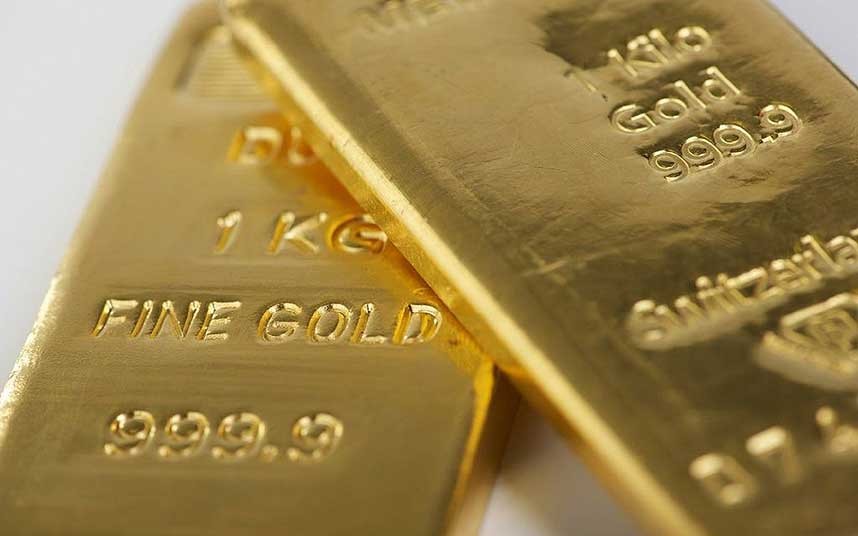
What is Gold Purity? (Explained in Karats & Percentages)
Gold purity refers to the amount of pure gold contained in a piece of gold jewelry, coin, or bar compared to other metals (like copper, silver, zinc) mixed in.
- Pure gold is naturally soft, so it’s often alloyed with other metals for strength, durability, and sometimes to change its color.
- Purity is expressed in karats (K) or percentage (%).
1. Karats (K)
- 24K means 24 out of 24 parts are gold — 100% pure gold.
- 22K means 22 parts gold, 2 parts other metals — slightly less pure but more durable.
- The lower the karat number, the less pure gold and the more alloy metals.
2. Percentages (%)
- Each karat corresponds to a specific percentage of gold content.
- For example, 18K gold is 75% gold and 25% other metals.
Gold Purity Chart (24K, 22K, 18K, 14K, 10K
comparison)
Gold Purity Chart: Karats vs Percentages
| Karat (K) | Gold % | Gold Content per Gram | Typical Use |
|---|---|---|---|
| 24K | 99.9% – 100% | 1.000 g pure gold | Investment bars, coins |
| 22K | 91.6% | 0.916 g pure gold | High-end jewelry, coins |
| 18K | 75.0% | 0.750 g pure gold | Fine jewelry |
| 14K | 58.3% | 0.583 g pure gold | Durable everyday jewelry |
| 10K | 41.7% | 0.417 g pure gold | Budget jewelry (more durable, less gold) |
Tip for Buyers:
- Investors usually prefer 24K or 22K gold for resale and purity value.
- Everyday wearers may go for 18K or 14K to balance beauty, value, and durability.
Difference Between 24K, 22K, 18K, and 14K Gold
Here’s a clear, easy-to-digest breakdown of the differences between 24K, 22K, 18K, and 14K gold — so you can instantly see which type suits investment, jewelry, or daily wear.
1. 24K Gold – Purest Form
- Purity: 99.9% – 100% gold
- Color: Bright yellow, rich luster
- Durability: Soft and malleable, bends/scratches easily
- Best for: Investment bars, coins, and ceremonial pieces (not ideal for daily wear)
- Pros: Highest value, easy to resell
- Cons: Too soft for intricate jewelry designs, scratches quickly
2. 22K Gold – High Purity for Jewelry
- Purity: 91.6% gold, 8.4% alloy metals (usually copper, silver, or zinc)
- Color: Slightly less bright than 24K, but still rich yellow
- Durability: Stronger than 24K, suitable for jewelry that’s worn often
- Best for: High-end jewelry, wedding bands, luxury ornaments
- Pros: Excellent balance between purity and strength
- Cons: Still softer than lower-karat gold, delicate care required
3. 18K Gold – Luxury & Practicality
- Purity: 75% gold, 25% alloy metals
- Color: Slightly lighter than 22K; available in yellow, white, and rose tones
- Durability: Strong, scratch-resistant, suitable for frequent wear
- Best for: Fine jewelry, engagement rings, watches
- Pros: Good purity with high durability; holds value well
- Cons: Less pure than 22K and 24K, slightly lower resale value
4. 14K Gold – Durable & Affordable
- Purity: 58.3% gold, 41.7% alloy metals
- Color: Lighter yellow (or white/rose), less rich in tone than higher karats
- Durability: Very strong, perfect for everyday wear
- Best for: Budget-friendly jewelry, casual rings, bracelets, and chains
- Pros: Highly durable, affordable, resists scratches and bending
- Cons: Lower gold content, less value in resale
Note:
- 24K = Pure, soft, for investment.
- 22K = Almost pure, ideal for luxury jewelry.
- 18K = Luxury with durability.
- 14K = Affordable, tough for daily wear.
How to Read a Gold Purity Chart (Step-by-Step Guide)
- Identify the Karat (K) Value
- Look for numbers like 24K, 22K, 18K, 14K in the chart.
- This shows how many parts of pure gold are in 24 total parts.
- Example: 18K = 18/24 parts gold → 75% pure gold.
- Check the Percentage (%) Purity
- Next to the karat, you’ll see a % figure (e.g., 91.6% for 22K).
- This tells you exactly how much of the piece is gold vs. alloy metals.
- Look at the Weight Column (if included)
- Many charts show how much pure gold is in a gram of each karat.
- Example: 1g of 22K gold has 0.916g of pure gold.
- Compare Uses & Applications
- Good charts will indicate best uses (investment, daily wear, ceremonial jewelry).
- Example: 24K is perfect for gold bars; 14K is great for everyday jewelry.
- Match with Your Needs
- If you want high resale value, focus on higher karats (22K, 24K).
- If you want durability, lower karats like 14K or 18K are better.
Gold Purity Testing Methods in Africa (2026)
| Method | How It Works | Accuracy Level | Cost | Best For | Key Advantage | Limitation |
| Hallmark Check | Look for stamps like 999, 916, 750 | Medium | Free | Jewelry & small bars | Quick first check | Can be faked or missing in Africa |
| Digital Gold Tester | Uses electrical/XRF scanning to measure purity | High | Medium | Dealers & bulk buyers | Instant and reliable results | Requires device access |
| Acid Test | Acid is applied to the scratched gold surface | Medium | Low | Small-scale traders | Cheap and widely available | Slight damage to the gold |
| Density Test | Measures weight vs water displacement | High | Free | Gold bars & nuggets | Scientific and accurate | Requires careful measurement |
| Magnet Test | Checks if gold reacts to a magnet | Low | Free | Quick fake detection | Fast and easy | Cannot confirm purity level |
| XRF Analysis | An advanced X-ray scan shows the full composition | Very High | High | Refineries & exports | 99.99% accuracy, no damage | Expensive, limited access |
| Price Comparison | Compare with the live market price per gram | Medium | Free | All buyers | Detects underpriced fake gold | Market prices fluctuate |
| Assay Certificate | Official lab report confirming purity | Very High | Medium | Export & investment gold | Most trusted verification | Must verify authenticity |
| Licensed Dealer Check | Verify seller registration & license | High | Free | All transactions | Reduces fraud risk | Requires due diligence |
| Visual Inspection | Check color, shine, and consistency | Low | Free | Beginners | Quick basic check | Not reliable alone |
Smart Buyer Strategy (Africa 2026)
| Step | Action |
| Step 1 | Check hallmark (if available) |
| Step 2 | Use a digital tester or request an XRF scan |
| Step 3 | Compare the price per gram with live market rates |
| Step 4 | Request assay certificate |
| Step 5 | Buy only from licensed gold dealers |
Common Gold Purity Marks & Hallmarks
Gold items often carry stamped marks that tell you the purity and sometimes the origin. These are usually found on the inside of rings, clasps of chains, or edges of coins.
1. Karat Stamps (Common in USA & Asia)
- 24K = Pure gold
- 22K = 91.6% gold
- 18K = 75% gold
- 14K = 58.3% gold
- 10K = 41.7% gold
2. Fineness Numbers (Common in Europe & Middle East)
- 999 = 99.9% gold (24K)
- 916 = 91.6% gold (22K)
- 750 = 75% gold (18K)
- 585 = 58.5% gold (14K)
- 417 = 41.7% gold (10K)
3. Additional Hallmarks
- Assay Office Marks – Identifies where the gold was tested and certified.
- Maker’s Mark – Symbol or initials of the manufacturer.
- Country Marks – Some countries stamp their own national symbols (e.g., UK crown mark).
Pro Tip:
If you see a mark like “18K 750”, it means the same thing: 18K gold with 75% purity — just labeled in two different systems.
Got it — here’s a clear, well-structured explanation so readers can understand gold measurement terms and purity standards without confusion.
Gold Measurement & Standards
1. Karat vs Carat vs Purity
| Term | Meaning | Common Use | Example |
|---|---|---|---|
| Karat (K) | Unit to measure gold purity (how much pure gold is in an alloy). | Jewelry, bullion | 24K = 99.9% pure gold |
| Carat (ct) | Unit to measure gemstone weight, not gold purity. | Diamonds, gemstones | 1 carat diamond = 0.2 grams |
| Purity (%) | Percentage of pure gold in a piece, calculated from karats. | International standard | 18K = 75% pure gold |
💡 Tip: Don’t confuse “karat” (gold purity) with “carat” (gem weight) — same pronunciation, different meanings.
2. Gold Purity in Percentage (Conversion Chart)
| Karat (K) | Fineness (Parts per 1000) | Purity % |
|---|---|---|
| 24K | 999 | 99.9% – 100% |
| 22K | 916 | 91.6% |
| 21K | 875 | 87.5% |
| 20K | 833 | 83.3% |
| 18K | 750 | 75.0% |
| 14K | 585 | 58.5% |
| 12K | 500 | 50.0% |
| 10K | 417 | 41.7% |
| 9K | 375 | 37.5% |
Quick Conversion Formula
To convert karats to percentage:
\text{Purity %} = \left(\frac{\text{Karat}}{24}\right) \times 100
Example:
18K=(1824)×100=75%\text{18K} = \left(\frac{18}{24}\right) \times 100 = 75\%
Tip for Buyers & Investors:
- Higher purity (22K–24K) = better for investment & resale.
- Lower purity (14K–18K) = stronger, better for everyday wear.
Alright — let’s go deep into fineness numbers, hallmarking, and international gold purity standards so buyers and investors can easily understand the differences worldwide.
Fineness Number Chart (999, 916, 750 Gold Explained)
Fineness numbers indicate how many parts per thousand are pure gold in an alloy. It’s another way to express purity, used widely in Europe, the Middle East, and for bullion bars.
| Fineness Number | Equivalent Karat | Purity % | Description |
|---|---|---|---|
| 999 | 24K | 99.9% | Pure gold, used in investment bars & coins |
| 958 | 23K | 95.8% | High purity, rare in jewelry |
| 916 | 22K | 91.6% | Popular for jewelry in Asia & Middle East |
| 875 | 21K | 87.5% | Common in Middle East & Africa |
| 833 | 20K | 83.3% | Antique jewelry |
| 750 | 18K | 75.0% | Luxury jewelry, international standard |
| 585 | 14K | 58.5% | Durable everyday jewelry |
| 417 | 10K | 41.7% | Budget jewelry, minimum legal standard in US |
Tip: If you see “750” stamped on a ring, it’s the same as 18K gold.
BIS Hallmarking Standards (India Example)
The BIS hallmark (Bureau of Indian Standards) is India’s official gold certification, guaranteeing the purity of gold jewelry.
A BIS Hallmark has 5 parts:
- BIS Logo – Authenticity seal.
- Purity/Fineness Mark – e.g., 916 (22K), 750 (18K).
- Assaying & Hallmarking Centre’s Mark – Identifies the testing center.
- Jeweler’s Identification Mark – Who made/sold it.
- Year of Marking (optional) – A code for the year of certification.
Example:
A bangle marked BIS 916 means:
- BIS certified
- 91.6% purity (22K)
- Verified at an official assay center
International Gold Purity Standards
Gold standards differ by country — knowing them helps buyers avoid overpaying or buying under-purity gold.
| Region/Country | Minimum Legal Purity for “Gold” Label | Common Hallmarking System |
|---|---|---|
| United States | 10K (41.7%) | Karat stamp (10K, 14K, 18K) |
| United Kingdom | 9K (37.5%) | Fineness (375, 585, 750, 916, 999) + Assay Office Mark |
| India | 14K (58.5%) | BIS Hallmark (916, 750, etc.) |
| Middle East (e.g., UAE, Saudi Arabia) | 18K (75%) for jewelry | Fineness stamp (916, 999, etc.) |
| Africa (varies by country) | Usually 224k, 18K and 22K | Often no formal hallmark; rely on dealer certification |
| European Union | 9K or higher | Fineness number & hallmark |
Important for Africa: In countries like Uganda, Ghana, Tanzania, gold purity is usually verified by private refineries or government-authorized assay offices before export — not always stamped on jewelry.
Here’s a clear and practical guide that combines both how to check gold purity and why it matters — perfect for educating gold buyers and building trust.
How to Check Gold Purity Before Buying
Before investing in gold jewelry or bullion, it’s important to confirm the purity to avoid overpaying or buying fake gold.
1. Look for Hallmarks or Stamps
- Check for karat markings (e.g., 22K, 18K) or fineness numbers (e.g., 916, 750).
- On jewelry, these are usually on clasps, inner bands, or tags.
- In India, look for BIS Hallmark, in the UK for Assay Office Marks, and in the US for Karat stamps.
2. Use an Acid Test
- Jewelers can apply a small drop of nitric acid to determine purity.
- Different acids react differently with gold alloys — revealing the karat.
3. Electronic Gold Testers
- Digital testers use electrical conductivity to measure gold content quickly.
- Useful for jewelers and serious buyers.
4. XRF (X-Ray Fluorescence) Testing
- A non-destructive method used by refineries and professional dealers.
- Gives an accurate breakdown of gold vs. alloy content in seconds.
5. Magnet Test (Quick Check)
- Pure gold is not magnetic.
- If a piece is attracted to a magnet, it may have other metals or be fake.
- Note: This is not a conclusive test, only a quick filter.
Why Gold Purity Matters in Jewelry Purchases
- Value for Money
- Higher purity gold = higher intrinsic value.
- If you pay for 22K and get 18K, you’re losing both purity and resale value.
- Resale & Investment Potential
- Gold jewelry with accurate purity holds better resale value.
- International buyers and gold traders often prefer 22K–24K.
- Durability & Wearability
- High-purity gold (24K) is soft and scratches easily.
- Lower karat gold (14K–18K) is stronger for daily wear.
- Cultural & Religious Importance
- Many traditions require specific karats for weddings, gifts, or religious ceremonies.
- Avoiding Fraud
- Without checking purity, you risk buying under-karat gold or gold-plated items sold as solid gold.
Note:
Always request a written purity certificate or official hallmark from a trusted source. If buying in Africa, ensure the dealer is licensed and can provide an assay report before payment.
Here’s a complete breakdown combining investment advice, testing methods, and how to spot fake gold using a purity chart — written so even a first-time gold buyer can understand and use it.
Gold Purity vs Resale Value – Which is Best for Investment?
The higher the purity, the more valuable the gold. However, for investment, the best choice depends on your goals:
| Purity | Karat | Pros for Investment | Cons |
|---|---|---|---|
| 24K (99.9%) | Pure gold | Highest resale value, globally recognized | Soft, scratches easily, not great for daily wear |
| 22K (91.6%) | High purity | Excellent resale value, widely accepted in Asia & Middle East | Slightly lower than 24K in value |
| 18K (75%) | Balanced | Durable, holds good value | Lower resale value than 22K & 24K |
| 14K (58.5%) | Durable | Affordable entry point | Much lower resale value |
Best for Investment:
- Gold bars & coins in 24K for maximum return.
- 22K jewelry if you want both wearability and high resale potential.
Gold Purity Testing Methods
a) Acid Test
- Uses nitric acid and a touchstone to compare reaction results with known karats.
- Inexpensive, accurate for quick testing.
- Can leave small marks on jewelry.
b) Electronic Test
- Uses electrical conductivity to measure gold content.
- Fast, non-destructive, but accuracy depends on calibration.
c) XRF Machine (X-Ray Fluorescence)
- Professional, non-destructive, gives a full metal composition.
- Used by refineries, banks, and licensed dealers.
- Highly accurate but expensive equipment.
Spotting Fake Gold Using a Purity Chart
A Gold Purity Chart helps verify if weight, karat, and markings match.
Steps:
- Check Hallmark or Stamp: Should match chart values (e.g., 916 for 22K).
- Weigh the Gold: Compare against expected weight for that karat.
- Color Test:
- 24K = deep yellow
- 18K = slightly pale yellow
- Fake gold = overly shiny or dull.
- Magnet Test: Gold is not magnetic — if it sticks, it’s likely fake.
- Compare with Chart: If stamped as 22K (91.6%) but tests show 75% purity, it’s under-karat or fake.
Pro Tip for Buyers in Africa:
Always request an assay report before paying for gold — especially in Uganda, Ghana, and Tanzania — where private assay offices verify purity before export.
Here’s a clear investment-focused explanation so buyers can decide between 24K and 22K gold, plus how purity changes the price per gram.
Which Gold Purity is Best for Investment? (24K vs 22K)
1 24K Gold – Pure Investment Gold
- Purity: 99.9% pure (fineness 999)
- Best Form: Bars, coins, bullion
- Pros:
- Highest purity & resale value worldwide
- Easy to sell internationally
- Preferred by central banks & serious investors
- Cons:
- Soft, bends easily — not ideal for daily wear
- Slightly higher price than 22K
Best for: Long-term holding & resale in international markets.
2 22K Gold – High Purity with Durability
- Purity: 91.6% pure (fineness 916)
- Best Form: Jewelry, coins
- Pros:
- Great resale value, especially in Asia & Middle East
- Stronger than 24K, better for jewelry that’s worn
- Slightly cheaper than 24K, easier to buy in bulk
- Cons:
- Slightly lower gold content, so resale is a bit less than 24K
Best for: Investors who want both wearability and resale potential.
Investment Verdict:
- If you want maximum returns, go for 24K bars or coins.
- If you want usable gold that you can also wear, choose 22K jewelry.
How Gold Purity Affects Price Per Gram
Gold prices are set per gram for pure gold (24K). Lower purity means less gold in each gram, so the price drops proportionally.
As of Monday, April 27, 2026, the global gold market has seen a massive structural surge, with spot prices hitting approximately $4,710 per ounce.
To update your table for the current 2026 market, the prices per gram have more than doubled compared to your previous data. Below is the updated breakdown in USD:
Gold Price Chart by Purity (April 27, 2026)
Prices are based on the current spot rate of approximately $151.40 per gram for 24K.
| Karat | Purity | % Gold | Price per Gram (USD) |
| 24K | Pure | 99.9% | $151.40 |
| 22K | Standard | 91.6% | $138.70 |
| 18K | Luxury | 75.0% | $113.55 |
| 14K | Durable | 58.3% | $88.25 |
| 10K | Budget | 41.7% | $63.15 |
Key 2026 Investor Insights
- Market Trend: The price of gold has increased by over 40% in the last 12 months alone. Analyst’s attribute this to heavy central bank accumulation and global de-dollarization trends in early 2026.
- Final Pricing: As your note correctly mentions, these are base spot prices. In the current 2026 retail market, expect the following additions:
- Minting/Making Charges: Typically, 3%–12% depending on the intricacy.
- Dealer Premiums: 2%–5% for small bars (1g–10g) and lower for larger bars (1kg).
- VAT/Sales Tax: Varies by region (e.g., Belgium remains VAT-exempt for investment-grade 24K, while jewelry is taxed).
- The “Karat” Choice: For wealth preservation, 24K (99.9% fineness) remains the gold standard. However, for 2026 fashion trends, 18K is the dominant choice for high-end luxury due to its superior durability at the current high price point.
Gold Purity Chart with Live Price Updates
Live Gold Purity Chart – Updated in Real Time
As of Monday, April 27, 2026, the global gold market has reached historic levels. The spot price of gold is currently trading at approximately $4,713.39 per ounce.
To update your live gold purity chart for the current market, the prices have been recalculated based on this April 2026 spot rate.
Live Gold Purity Chart – Updated in Real Time
Last Update: April 27, 2026 | Spot Rate: $4,713.39/oz
| Karat (K) | Purity % | Fineness Number | Price per Gram | Price per Ounce |
| 24K | 99.9% | 999 | $151.54 | $4,713.39 |
| 22K | 91.6% | 916 | $138.81 | $4,317.46 |
| 18K | 75.0% | 750 | $113.66 | $3,535.04 |
| 14K | 58.5% | 585 | $88.65 | $2,757.33 |
| 10K | 41.7% | 417 | $63.19 | $1,965.48 |
Important Notes for 2026 Buyers
- Market Volatility: In April 2026, gold has faced a “bull run correction,” coming down slightly from a peak of $4,830 earlier this month, making the current $4,713 price a potential entry point for new investors.
- The “Making Charge” Factor: In the current high-price environment, jewelers are charging between $15.00 – $45.00 per gram for labor (making charges), which must be added to the prices above for a final retail quote.
- Africa-Specific Tip: For those buying in major African hubs (Ghana, Tanzania, Uganda), ensure you are using the Live USD Spot Rate as a base before converting to local currency to avoid being overcharged by local dealers who may not have updated their boards.
Note: Data pulled via a live gold price API (e.g., Metals-API, GoldAPI.io) and recalculated automatically for each karat.
Investing in Bullion vs Jewelry: Purity Comparisons
When it comes to gold investment, one of the first decisions you need to make is whether to buy gold bullion or gold jewelry. While both hold intrinsic value, their purity levels, pricing, and resale potential differ greatly.
1. Gold Bullion – Purity & Investment Value
- Typical Purity:
- 24K gold bullion is the standard for investment (99.9% pure or 999 fineness).
- Some bullion bars may have 99.99% purity (called “four nines”).
- Forms: Bars, ingots, and coins.
- Advantages:
- Highest gold content per gram.
- Easy to calculate value using live market rates.
- Low making charges compared to jewelry.
- Widely recognized and accepted globally.
- Disadvantages:
- Not wearable.
- Requires safe storage.
Ideal For: Long-term investors focused purely on gold value appreciation.
2. Gold Jewelry – Purity & Investment Value
- Typical Purity:
- 22K (91.6% pure) is common for high-quality jewelry.
- 18K (75% pure) or 14K (58.5% pure) is often used for durability and gemstone setting.
- Advantages:
- Wearable and aesthetic value.
- Can serve as both adornment and store of wealth.
- Sentimental value in heirloom pieces.
- Disadvantages:
- High making charges (labor, design costs) which are not recovered upon resale.
- Purity is often lower than bullion.
- Resale value may be significantly less than the purchase price.
Ideal For: Buyers who want both investment and usability.
Purity Comparison Table
| Type | Karat | Purity % | Fineness | Best For |
|---|---|---|---|---|
| Bullion Bars | 24K | 99.9% | 999 | Pure investment & wealth storage |
| Gold Coins | 24K / 22K | 99.9% / 91.6% | 999 / 916 | Investment & limited collectibility |
| Jewelry (Luxury) | 22K | 91.6% | 916 | Wearable investment |
| Jewelry (Daily) | 18K | 75% | 750 | Durability with elegance |
| Fashion Jewelry | 14K | 58.5% | 585 | Style over investment value |
Key Takeaways for Investors
- If your primary goal is profit & liquidity, 24K bullion is your best choice.
- If you value usability, culture, or aesthetics, 22K jewelry offers a blend of beauty and investment.
- Always check live gold purity charts before buying to ensure you pay a fair price.
- Keep in mind: The higher the purity, the more directly it follows global gold prices.
Gold Purity Standards in Africa
Purity standards in Africa vary by country, often influenced by local regulations, cultural preferences, and the gold trade market.
| Country | Common Purity / Karat | Notes |
|---|---|---|
| Kenya | 21K – 22K (87.5% – 91.6%) | Popular for high-quality jewelry; urban centers follow international fineness numbers. |
| Uganda | 22K (91.6%) | Most jewelry and bullion are 22K; exported gold often assayed by licensed refineries. |
| Congo (DRC) | 20K – 22K | Local jewelry often lower purity; exported gold is usually assayed for 22K+. |
| Ghana | 22K (91.6%) | Standard for jewelry and bullion; culturally preferred for weddings and gifts. |
| South Africa | 18K – 22K | Jewelry ranges from 18K for durability to 22K for luxury pieces; bullion usually 24K. |
Tip: In Africa, always request a purity certificate or assay report, especially for exported or investment-grade gold.
Middle Eastern Gold Purity – 22K Jewelry Tradition
- Preferred Purity: 22K (91.6% pure gold)
- Why 22K?
- Offers rich, deep yellow color highly valued culturally.
- Strong enough to handle intricate jewelry designs while still high in gold content.
- Usage:
- Engagement rings, bangles, necklaces, coins, and traditional jewelry.
- 24K gold is mostly reserved for bullion, not wearable jewelry.
- Market Impact:
- Dubai, Saudi Arabia, and UAE markets often use 916 stamped 22K gold for daily jewelry and investment pieces.
Western Gold Jewelry Standards – 14K & 18K Popularity
| Region | Popular Karats | Reason for Popularity |
|---|---|---|
| United States | 14K & 18K | Durability for daily wear; lower gold content keeps cost affordable. |
| United Kingdom | 9K, 14K, 18K | Assay office regulations; 18K used in luxury jewelry, 14K common for general use. |
| Europe (France, Germany) | 14K – 18K | Balance between elegance and hardness; 24K rarely used in jewelry. |
Key Notes:
- Lower karats in the West make jewelry resistant to scratches and deformation, ideal for daily wear.
- Investment value is slightly lower than 22K–24K gold but compensated by wearability and design variety.
Summary Table – Global Gold Purity Trends
| Region | Preferred Karat | Use Case |
|---|---|---|
| Africa | 22K (91.6%) | Jewelry & bullion |
| Middle East | 22K (91.6%) | Traditional jewelry |
| Western Countries | 14K – 18K | Durable, daily-wear jewelry |
| Global Bullion | 24K (99.9%) | Investment bars & coins |
Takeaway:
- Investment focus: 24K bars or coins worldwide.
- Cultural & jewelry focus: 22K in Africa & Middle East, 14K–18K in Western markets.
Asian Gold Purity Preferences – 24K in China & India
China
- Preferred Purity: 24K (99.9% pure) for investment and gifting.
- Usage:
- Investment gold bars and coins.
- Wedding gifts, festivals, and special occasions.
- Cultural Preference:
- Bright yellow 24K symbolizes wealth and prosperity.
- Jewelry is often high-purity, but sometimes alloyed slightly for durability in wearable pieces.
India
- Preferred Purity: 22K (91.6% pure) for jewelry; 24K (99.9%) for bullion.
- Usage:
- 22K jewelry is widely used in weddings, religious events, and dowries.
- 24K gold is mostly for bullion investment and savings.
- Cultural Preference:
- 22K jewelry balances purity and durability, suitable for intricate designs and daily wear.
- Gold is considered a safe investment and wealth storage.
Key Insight:
- In Asia, cultural and ceremonial factors heavily influence gold purity preferences, not just investment value.
Traditional vs Modern Purity Standards Globally
| Aspect | Traditional Purity | Modern Standard |
|---|---|---|
| Asia (India, China, Middle East) | 22K for jewelry, 24K for investment | 24K gold bars/coins widely accepted for trading |
| Africa | 22K – cultural jewelry & local markets | 24K bullion for export & investment |
| Western Countries | 9K – 18K for jewelry, regulated by local assay offices | 14K–18K remains popular; 24K rare due to softness |
| Global Bullion | Rarely affected by local tradition | 24K (999 fineness) is universal for bars, coins, ETFs |
| Investment Purity Focus | Jewelry may be lower karat | 24K is standard for maximum resale value |
Observations:
- Traditional jewelry standards prioritize cultural practices, aesthetics, and wearability.
- Modern standards for gold investment focus purely on purity, liquidity, and international market acceptance.
- Investors worldwide now differentiate between bullion investment (24K) and jewelry purchase (region-specific karats).
Takeaways
- 24K = universal investment purity.
- 22K = gold jewelry preference in Asia and Africa.
- 14K–18K = Western jewelry standard for durability and cost-efficiency.
- Global buyers should understand both traditional and modern standards to make smart purchases.