1kg Gold Bars for sale South Africa | Certified Dealers, Prices & Export Guide
Looking for 1kg gold bars for sale in South Africa? Whether you are an investor, collector, or exporter, buying high-quality gold bars in South Africa has never been easier. South Africa, known for its rich gold mining heritage, offers licensed gold dealers, certified refiners, and secure marketplaces where you can purchase 1kg gold bars with confidence.
Our guide helps you navigate the best places to buy 1kg gold bars in Johannesburg, Cape Town, and Durban, understand South African gold export laws and regulations, and ensure safe transactions. Learn how to verify gold purity, obtain assay certificates, avoid scams, and compare local vs international buyers to get the best price.
Stay informed about daily gold prices in South Africa, understand taxes, fees, and documentation requirements for gold export, and make secure investments in 1kg gold bars today. Trust only licensed dealers and refiners to ensure your gold investment is safe, legal, and profitable.
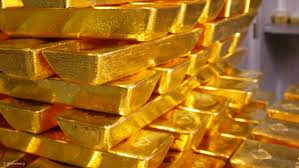
Steps to Consider When Buying 1kg Gold Bars in South Africa
Buying 1kg gold bars in South Africa requires careful planning, verification, and compliance with local laws to ensure a safe and profitable investment. Follow these steps:
1. Verify the Seller or Dealer
- Always buy from licensed gold dealers or certified refiners in South Africa.
- Check registration with the South African Reserve Bank (SARB) or the Department of Mineral Resources and Energy (DMRE).
- Avoid informal or unverified sellers, as gold scams are common.
2. Check Gold Purity and Certification
- Confirm the purity of the gold bar (typically 999.9 for 24K gold).
- Obtain an assay certificate from a recognized refiner, which verifies weight, purity, and authenticity.
- Never buy gold without certification.
3. Compare Prices
- Research current gold prices in South Africa for 1kg bars.
- Compare rates across different dealers, refiners, and marketplaces.
- Take note of premiums, commissions, or fees that may apply.
4. Understand Legal Requirements
- Ensure the seller provides all necessary documentation for legal ownership.
- If you plan to export, ensure compliance with South African gold export laws, including licenses, permits, and customs forms.
5. Arrange Safe Payment
- Use secure and traceable payment methods (bank transfers or verified escrow services).
- Avoid cash transactions with unknown sellers.
- Keep receipts and transaction records for verification and potential resale.
6. Inspect the Gold
- If buying locally, inspect the gold bar in person.
- Verify weight, markings, and manufacturer stamps.
- Some dealers allow independent verification by third-party assayers.
7. Plan for Storage and Security
- Store 1kg gold bars in secure vaults, bank safety deposit boxes, or insured storage facilities.
- Consider insurance to protect against theft, loss, or damage.
8. Decide Between Local or International Buyers
- Selling locally is faster and simpler, often in Rand (ZAR).
- International buyers may offer higher prices but require export permits, taxes, and shipping arrangements.
9. Avoid Scams
- Never fall for deals that promise prices significantly above market rates.
- Always to verify assay certificates, dealer licenses, and buyer references.
- Conduct transactions in secure, official locations.
Types of 1kg Gold Bars for Sale South Africa
1. Cast Gold Bars
- Description: These bars are made by pouring molten gold into molds. They often have a rougher, less uniform surface.
- Weight Ranges: Usually from 1 gram up to 12.5 kg.
- Pros: Often cheaper than minted bars due to simpler production.
- Cons: Less uniform; sometimes less recognizable for new investors.
2. Minted (Refined) Gold Bars
- Description: Machine-pressed bars produced by reputable mints, giving a smooth, polished surface.
- Weight Ranges: Commonly 1g, 5g, 10g, 1oz (31.1g), 50g, 100g, 1kg.
- Pros: Highly recognized and trusted; easier to sell or trade.
- Cons: Slightly higher premium compared to cast bars.
3. Kilobar (1kg) Gold Bars
- Description: Standard 1kg gold bars, widely traded in South Africa and internationally.
- Purity: Usually 99.99% (24K gold).
- Pros: Ideal for large investments; widely accepted.
- Cons: Requires secure storage; higher upfront cost.
4. Gold Ounces and Fractional Bars
- Description: Small bars sold in ounces (1oz, 2oz) or fractional grams (1g, 5g, 10g, 20g, 50g, 100g).
- Pros: Affordable for small investors; easy to liquidate.
- Cons: Premium per gram may be higher than bulk bars.
5. Branded Gold Bars
- Description: Produced by well-known refineries or mints like Rand Refinery, SA Mint, PAMP Suisse, and Valcambi.
- Pros: Recognized worldwide; easier to resell.
- Cons: Slightly higher premium than unbranded bars.
6. Commemorative and Special Edition Bars
- Description: Limited edition gold bars with special designs, often sold by mints for collectors.
- Weight: Usually 1g–100g.
- Pros: Can have collectible value above the gold price.
- Cons: Less liquid than standard bars; higher cost per gram.
7. Gold Grain or Nuggets
- Description: Raw gold is sold in small granules or natural nugget form.
- Purity: Varies; usually 90–99%.
- Pros: Can be melted into custom bars; sometimes cheaper per gram.
- Cons: Requires assaying before resale; less standardized.
Tip for Buyers in South Africa:
Always verify that the gold bar is certified and comes with a certificate of authenticity, especially for large investments like 1kg bars. Reputable sellers like Rand Refinery, Gold Buyers Africa, or licensed dealers are preferred to avoid scams.
1kg Gold Price in South Africa Today
| Gold Purity | Price per 1kg (ZAR) | Price per 1kg (USD) |
| 24K | 1,250,000 ZAR | 68,750 USD |
| 22K | 1,145,000 ZAR | 62,975 USD |
| 18K | 935,000 ZAR | 51,425 USD |
Note. These prices change depending on the current world market
24K Gold Price in South Africa per Gram, Ounce & Kilogram
Here’s the 24K Gold Price in South Africa per gram, ounce, and kilogram:
| Weight | 24K Gold Price (ZAR) | 24K Gold Price (USD) |
|---|---|---|
| Gram (1g) | 1,250 ZAR | 68.75 USD |
| Ounce (31.1g) | 38,879 ZAR | 2,138 USD |
| Kilogram (1000g) | 1,250,000 ZAR | 68,750 USD |
Historical Gold Prices in South Africa (2020–2025 Trends)
| Year | Avg Price per Gram (24K) | Avg Price per Ounce (24K) |
|---|---|---|
| 2020 | 850 ZAR | 26,000 ZAR/oz |
| 2021 | 920 ZAR | 28,600 ZAR/oz |
| 2022 | 1,050 ZAR | 32,600 ZAR/oz |
| 2023 | 1,180 ZAR | 36,700 ZAR/oz |
| 2024 | 1,300 ZAR | 40,500 ZAR/oz |
| 2025 | 1,250 ZAR | 38,900 ZAR/oz |
South African Gold Price Forecast for 2025 & Beyond
| Year/Period | Projected Price per Gram (24K) | Projected Price per Ounce (24K) |
|---|---|---|
| 2025 (Q4) | 1,260 – 1,320 ZAR | 39,200 – 41,000 ZAR/oz |
| 2026 | 1,350 – 1,450 ZAR | 42,000 – 45,000 ZAR/oz |
| 2027 | 1,420 – 1,550 ZAR | 44,500 – 48,500 ZAR/oz |
| 2028 | 1,500 – 1,650 ZAR | 47,000 – 52,000 ZAR/oz |
| 2029 | 1,600 – 1,750 ZAR | 50,000 – 55,000 ZAR/oz |
| 2030 | 1,700 – 1,900 ZAR | 53,000 – 60,000 ZAR/oz |
Best Places to Buy 1kg Gold Bars in South Africa (Johannesburg, Cape Town & Durban)
- Johannesburg – Africa’s Gold Hub
Johannesburg, known as the City of Gold, is the largest gold trading center in South Africa. Buyers looking for 1kg gold bars can explore:
- Rand Refinery – The most trusted refinery in Africa, producing LBMA-certified gold bars suitable for investment and export.
- South African Gold Coin Exchange (SAGCE) – A reputable dealer offering bullion bars and coins with secure purchase processes.
- Private Bullion Dealers in Sandton & Rosebank – Specialized shops that sell large investment bars, including 1kg and above, with secure delivery options.
Johannesburg is ideal for wholesale buyers and international investors due to its direct refinery access.
- Cape Town – Premium Dealers & Banks
Cape Town offers a secure and international environment for gold bar transactions. Trusted places include:
- Cape Town Bullion Dealers – Licensed traders who stock 1kg and fractional bars from local and international refineries.
- Major Banks & Financial Institutions – Some South African banks in Cape Town facilitate bullion purchases for verified clients.
- Jewelry & Precious Metals Shops in the CBD – While smaller in scale than Johannesburg, several shops in Cape Town provide direct access to 24K gold bars.
Cape Town is recommended for investors who prefer bank-facilitated transactions and those seeking export-ready opportunities.
- Durban – Growing Gold Investment Market
Durban, a key port city, is gaining traction in gold trading due to its international shipping connections. Buyers of 1kg gold bars can check:
- Durban Bullion Traders & Dealers – Licensed dealers offering wholesale bars to both local and international buyers.
- Jewelry & Precious Metals Markets – Some trusted jewelers in Durban sell investment-grade bars alongside jewelry.
- Export & Logistics Partners – Durban’s proximity to shipping routes makes it attractive for buyers who plan to export 1kg gold bars abroad.
Durban is especially convenient for traders focusing on export markets and shipping logistics.
Buyer Tip: Always verify licenses, request assay certificates, and compare the 1kg gold bar price in South Africa (ZAR & USD) before completing transactions. For international clients, companies like Gold Prices in Africa Limited can assist in sourcing, documentation, and export from Johannesburg, Cape Town, or Durban.
Comparison Table: Best Places to Buy 1kg Gold Bars in South Africa
Here’s a comparison table for buying 1kg gold bars in Johannesburg, Cape Town, and Durban – focused on price, reliability, and export convenience.
| City | Key Dealers & Sources | Reliability | Price Competitiveness | Export Convenience |
|---|---|---|---|---|
| Johannesburg | Rand Refinery, South African Gold Coin Exchange (SAGCE), Sandton Bullion Dealers | (Most trusted, LBMA-certified refinery access) | (Best wholesale rates due to refinery proximity) | (Airfreight & bank clearance available) |
| Cape Town | Cape Town Bullion Dealers, Banks, CBD Precious Metals Shops | (Secure and bank-supported) | (Slightly higher than Johannesburg due to dealer margins) | (Strong banking + export services) |
| Durban | Durban Bullion Traders, Jewelry Markets, Export & Logistics Partners | (Emerging market, requires careful dealer vetting) | (Competitive due to port city access) | (Excellent for sea freight and global shipping) |
Summary:
- Johannesburg. Best for lowest prices & direct refinery-certified 1kg gold bars.
- Cape Town. Best for secure bank transactions & premium investors.
- Durban. Best for export-focused buyers using sea freight logistics.
Top 10 Licensed Gold Dealers in South Africa
South Africa remains one of the world’s biggest gold producers and exporters, making it a prime market for bullion investors. Whether you’re buying 1kg gold bars, gold coins, or smaller bullion units, dealing with licensed and regulated gold dealers ensures authenticity, fair pricing, and legal compliance. Below are the top 10 trusted gold dealers in South Africa for 2025.
- Rand Refinery (Johannesburg)
- Africa’s largest gold refinery, producing LBMA-certified gold bars.
- Supplies 1kg, 100g, and other bullion products to banks and global markets.
- Ideal for bulk investors and international buyers.
- South African Gold Coin Exchange (SAGCE) – Johannesburg & Nationwide
- Specializes in bullion coins and gold bars.
- Licensed dealer with over 40 years of experience.
- Known for Krugerrands and investment-grade bullion.
- The Scoin Shop (Multiple Cities)
- Retail branch of SAGCE with outlets in Johannesburg, Cape Town, Durban, and Pretoria.
- Sells certified Krugerrands, coins, and bars to walk-in and online clients.
- First National Bank (FNB) – Johannesburg & Cape Town
- One of the first South African banks to trade in physical gold.
- Offers Krugerrands and bullion bars for retail and institutional clients.
- Secure, bank-backed transactions.
- Standard Bank – Johannesburg
- Licensed to trade precious metals including gold.
- Provides bullion investment solutions for local and international buyers.
- Strong focus on compliance and export facilitation.
- Absa Bank Bullion Division (Johannesburg & Cape Town)
- Handles gold investments and physical bullion sales.
- Offers secure purchase, storage, and export documentation.
- Cape Town Bullion Dealers (Cape Town CBD)
- Private licensed bullion dealers specializing in 1kg gold bars and investment coins.
- Popular with investors looking for export-ready gold.
- Durban Bullion Exchange (Durban)
- Licensed trading hub for gold and other precious metals.
- Convenient for export buyers due to Durban’s port facilities.
- Gold Capital SA (Johannesburg)
- Licensed dealer focused on wholesale bullion bars.
- Known for fast transactions, refinery-certified products, and exports.
- Gold Prices in Africa (Nationwide, HQ in Johannesburg)
- Licensed gold dealer and exporter serving Uganda, Kenya, Tanzania, Congo, and South Africa.
- Offers 24K and 22K gold bars (1kg and above) with full documentation.
- Specializes in international exports and is trusted by global clients.
Why Buy from Licensed Dealers in South Africa?
- Guaranteed authenticity & purity (24K, 22K, 18K gold).
- Access to export-ready documentation (SARS, Reserve Bank compliance).
- Competitive pricing linked to global spot prices.
- Safer transactions with banks, refineries, and authorized companies.
Online vs Offline Gold Buying in South Africa: Which is Safer?
South Africa has a strong gold market, with both online platforms and physical dealerships offering bullion and coins. Each method has its pros and risks, and buyers must carefully evaluate before investing.
Online Gold Buying
- Advantages:
- Convenient – buy 24K or 22K gold bars from anywhere.
- Easy to compare prices across multiple dealers.
- Some licensed dealers (Rand Refinery, Gold Buyers Africa, SAGCE) offer secure e-commerce platforms.
- Risks:
- Exposure to online scams and fake websites.
- Delays in delivery or issues with international shipping.
- Requires extra verification of licenses and certifications.
Offline Gold Buying
- Advantages:
- Direct physical inspection of gold bars/coins.
- Immediate possession after payment.
- Stronger trust when buying from banks, refineries, and licensed dealers.
- Risks:
- Limited comparison – fewer dealers in one location.
- Potential exposure to theft if carrying large quantities.
- Higher overhead costs for shops may affect pricing.
Which is Safer?
- Offline buying from licensed dealers or banks is generally safer for first-time buyers because you can verify the gold physically and receive documentation immediately.
- Online buying is safe if done only through licensed and verified platforms like Rand Refinery, Gold Buyers Africa, or major South African banks.
Ways to Spot Fake Gold Dealers in South Africa
- Lack of Licensing & Certification
- A legitimate dealer must be licensed under South African Reserve Bank (SARB) and SARS regulations.
- Always ask for their dealer registration number and verify it.
- Unrealistic Pricing
- If a dealer offers gold prices far below the international spot rate, it’s a red flag.
- Real dealers peg prices to global gold markets (in ZAR & USD).
- No Documentation Provided
- Fake dealers avoid giving assay certificates, receipts, or export permits.
- A trusted dealer will always provide legal paperwork.
- Suspicious Payment Demands
- Beware of dealers insisting on cash-only, upfront wire transfers, or offshore accounts.
- Licensed companies accept bank transfers, escrow services, or verified financial channels.
Note: Always cross-check dealers with known and trusted names like Rand Refinery, SAGCE, or Gold Buyers Africa to avoid scams.
How to Export 1kg Gold Bars from South Africa – Step by Step Guide
Exporting gold from South Africa requires strict compliance with government regulations to prevent illegal trade. Below is the step-by-step process every buyer must follow:
Step 1: Identify a Licensed Gold Dealer or Refinery
- Work only with licensed gold dealers approved by the South African Reserve Bank (SARB) and South African Revenue Service (SARS).
- Trusted names include Rand Refinery, SAGCE, major banks, and Gold Buyers Africa.
- Ensure the gold bars come with assay certificates (purity verification).
Step 2: Secure a Sales Contract
- Draft and sign a sales agreement with the dealer, clearly stating:
- Purity (24K / 22K)
- Weight (1kg or multiples)
- Price in ZAR & USD
- Mode of payment
- This contract is essential for customs clearance.
Step 3: Obtain Export Permits
- Apply for a precious metals export permit through the Department of Mineral Resources and Energy (DMRE).
- The permit authorizes you to move gold bars across borders.
- SARS also issues an export declaration certificate (SAD500 form).
Step 4: Comply with Tax & Reserve Bank Regulations
- Exporters must declare the transaction with SARS for tax compliance.
- Payments should pass through the South African Reserve Bank (SARB) to ensure legal foreign exchange clearance.
- Licensed dealers typically assist with this paperwork.
Step 5: Choose a Secure Logistics Partner
- Use trusted logistics companies such as Brink’s, G4S, or Malca-Amit for insured transport.
- Options include airfreight from Johannesburg (O.R. Tambo) or Cape Town International Airport, or sea freight from Durban.
Step 6: Customs Clearance at the Port of Exit
- Submit all documents at customs, including:
- Export permit from DMRE
- Assay certificate
- Commercial invoice & packing list
- SAD500 form from SARS
- Customs verifies, seals, and clears the gold bars for shipment.
Step 7: Delivery to Buyer’s Destination
- Once cleared, the logistics company ships the 1kg gold bars to the buyer’s country.
- On arrival, the buyer must comply with import duties and gold regulations in their own jurisdiction.
Pro Tip: Always deal through licensed gold exporters like Gold Prices in Africa who handle the entire process — sourcing, permits, customs, and logistics — to ensure your investment is safe and compliant.
Here’s a detailed description of South African Gold Export Laws & Regulations:
South African Gold Export Laws & Regulations
South Africa, being one of the largest gold producers in the world, has strict laws and regulations governing the mining, sale, and export of gold. These laws are designed to ensure legal compliance, proper taxation, and the integrity of the gold trade. Understanding these regulations is crucial for investors, traders, and exporters to operate safely and profitably.
1. Legal Framework for Gold Export
The primary legal framework regulating gold exports in South Africa includes:
- Mineral and Petroleum Resources Development Act (MPRDA), 2002:
This act governs the ownership and management of all mineral resources in South Africa. All mining and export activities must be licensed under this law. Gold, as a precious mineral, falls under these regulations. Only holders of valid mining or refining licenses can legally export gold. - Customs and Excise Act, 1964:
This act regulates the export of goods, including gold, ensuring compliance with tax, duties, and documentation requirements. - Financial Intelligence Centre Act (FICA), 2001:
FICA ensures that gold transactions comply with anti-money laundering and anti-terrorism financing laws. Exporters must verify the source of funds and report large or suspicious transactions.
2. Licensing Requirements
To export gold from South Africa, businesses and individuals must obtain the necessary licenses:
- Precious Metals License:
Issued by the South African Reserve Bank (SARB), this license allows the legal export of gold. Only registered refiners or authorized dealers can apply. - Mining or Refining Permit:
Gold exporters must hold a valid mining permit (if extracting gold) or a refining license (if processing gold). - Exporter Registration:
Exporters must be registered with SARS (South African Revenue Service) and have a valid tax clearance certificate for customs purposes.
3. Required Documentation for Gold Export
Every gold export shipment must include accurate documentation:
- Export Permit: Authorized by SARB or the Department of Mineral Resources.
- Invoice and Purchase Agreement: Proof of legal ownership of the gold.
- Certificate of Origin: Verifies the gold was mined or refined in South Africa.
- Assay Certificate: Confirms the purity and weight of the gold.
- Customs Declaration Forms: Required by SARS for legal export.
4. Gold Export Taxes & Fees
South African law imposes certain fees and duties on gold exports:
- Export Levy: Determined by the government to regulate gold outflow.
- VAT: Value Added Tax may apply depending on the type of transaction.
- Royalty Fees: Mining companies must pay royalties based on production under MPRDA regulations.
5. Compliance and Restrictions
South Africa strictly monitors gold exports to prevent illegal trade, money laundering, and smuggling:
- Unauthorized gold export is illegal and punishable by fines and imprisonment.
- Export of unrefined or uncertified gold is prohibited.
- Exporters must comply with international trade agreements and restrictions in target countries.
6. Key Government Authorities
- South African Reserve Bank (SARB): Oversees precious metal exports and financial compliance.
- South African Revenue Service (SARS): Handles customs, duties, and taxes on exported gold.
- Department of Mineral Resources and Energy (DMRE): Issues mining and refining licenses.
- Financial Intelligence Centre (FIC): Monitors suspicious gold transactions for anti-money laundering.
Summary:
Exporting gold from South Africa legally requires proper licensing, documentation, and compliance with national and international regulations. Authorized exporters must adhere to MPRDA, Customs laws, and FICA, while paying all applicable taxes and fees. Failure to comply can lead to severe penalties, including fines, imprisonment, or seizure of gold.
By understanding these laws, investors and traders can confidently navigate South Africa’s gold market while avoiding legal risks.
Required Documents to Buy & Export Gold from South Africa
Exporting gold from South Africa is a highly regulated process, and both buyers and exporters must ensure all legal documents are in place. The main documents required include:
1. Precious Metals License
- Issued by the South African Reserve Bank (SARB).
- Allows an individual or company to buy, sell, and export gold legally.
- Only authorized dealers, refiners, or licensed exporters can obtain this license.
2. Mining or Refining Permit
- Required if you are directly mining gold or refining it.
- Issued by the Department of Mineral Resources and Energy (DMRE).
- Confirms that the gold being sold or exported originates from a legal source.
3. Export Permit
- Needed for every shipment leaving South Africa.
- Ensures compliance with SARB regulations and customs requirements.
- Must detail the quantity, type, and value of gold being exported.
4. Certificate of Origin
- Confirms that the gold was legally mined or refined in South Africa.
- Often required by foreign customs authorities to verify the source of gold.
5. Assay Certificate
- Confirms the purity and weight of the gold.
- Typically issued by a recognized South African refiner.
- Essential for both buyers and customs officials to verify authenticity.
6. Invoice & Purchase Agreement
- Proof of legal ownership of the gold.
- Includes details of the buyer, seller, gold weight, and price.
- Required for customs clearance and potential audits.
7. Customs Declaration Forms
- Submitted to South African Revenue Service (SARS).
- Provides official notification of goods leaving South Africa.
- Must match the quantity and value stated in invoices and permits.
8. Tax Clearance Certificate
- Issued by SARS to confirm the exporter has no outstanding tax obligations.
- Required for gold export approval.
Tip: Missing any of these documents can lead to seizure of gold, fines, or criminal charges. Always ensure documentation is complete and verified before export.
Gold Export Taxes & Fees in South Africa
Exporting gold from South Africa in 2025 involves paying several taxes and fees. These are designed to regulate the industry, protect local interests, and generate revenue:
1. Export Levy / Duty
- Charged on gold shipments leaving South Africa.
- Amount depends on gold type, weight, and value.
- Helps the government regulate precious metal outflow.
2. Royalties
- Mining companies must pay royalties to the South African government under the Mineral and Petroleum Resources Development Act (MPRDA).
- Typically a percentage of the gold’s market value.
- Applies even if the gold is being exported, not sold locally.
3. Value Added Tax (VAT)
- VAT may apply on gold sales and exports depending on the type of transaction.
- Businesses registered for VAT must include this in their export calculations.
4. Licensing & Administrative Fees
- Fees for precious metals license, export permit, and assay certification.
- These are usually small compared to the export value but mandatory for legal compliance.
5. Penalties for Non-Compliance
- Exporting gold without proper documentation or licenses can result in:
- Seizure of gold
- Heavy fines
- Imprisonment for serious violations
Important: All fees and taxes must be paid before customs clearance. Exporting without proper compliance is illegal and carries severe consequences.
Where to Sell 1kg Gold Bars in South Africa for the Best Price
Selling gold in South Africa requires choosing reputable buyers to get the best value. Here are the main options:
a) Licensed Gold Dealers
- These are registered dealers authorized by the South African Reserve Bank (SARB).
- Offer competitive rates based on the current market price.
- Examples include major refiners in Johannesburg, Cape Town, and Durban.
- Advantages: Safe, legal, and transparent transactions.
- Disadvantage: May charge a small commission or fee.
b) Gold Refineries
- Sell directly to refineries like Rand Refinery for near-market rates.
- Refineries can purchase large quantities, including 1kg bars.
- Requires assay certificates and proof of ownership.
c) Banks & Precious Metal Exchanges
- Some South African banks and precious metal exchanges buy gold bars.
- Advantage: Transparent pricing linked to London Bullion Market rates.
- Disadvantage: Banks may have stricter verification requirements.
d) International Buyers
- Exporters or foreign investors may pay slightly higher prices depending on demand.
- Requires proper export documentation (licenses, customs clearance, assay certificate).
Tip: Always compare live gold prices in South Africa before selling to ensure you get the best rate.
How to Avoid Gold Scams When Selling Gold in South Africa
Gold scams are a real risk, especially for large bars like 1kg. Here’s how to protect yourself:
a) Verify Buyer Credentials
- Always deal with licensed dealers or registered refiners.
- Check SARB or DMRE databases to confirm legitimacy.
b) Avoid Upfront Payment Requests
- Scammers often ask sellers to pay fees upfront for certification or transport.
- Legitimate buyers deduct fees after the gold is weighed and assayed.
c) Use Assay Certificates
- Ensure all gold bars have valid assay certificates confirming weight and purity.
- Buyers will not accept uncertified gold for large transactions.
d) Avoid Online-Only Buyers Without References
- Be cautious of buyers with no physical office or verifiable history.
- Check reviews, references, and prior transactions.
e) Conduct Transactions in Secure Locations
- Prefer licensed offices, bank vaults, or recognized refineries.
- Avoid street or informal exchanges.
Reselling 1kg Gold Bars: Local Market vs International Buyers
When reselling 1kg gold bars, choosing between local and international buyers affects pricing, convenience, and risk:
Local Market
- Advantages:
- Immediate payment in South African Rand (ZAR).
- Simple process if selling to licensed dealers or refineries.
- Lower paperwork and no export taxes.
- Disadvantages:
- Prices may be slightly below international market rates.
- Fewer high-volume buyers for large bars.
International Buyers
- Advantages:
- Potential for higher prices due to global demand.
- Access to large-volume buyers.
- Disadvantages:
- Requires export documentation, licenses, and customs clearance.
- Longer processing time and potential currency fluctuations.
- Additional fees for shipping, insurance, and export duties.
Tip: For maximum profit, weigh the difference between local rates and international offers, factoring in export costs and risks. Often, licensed local refineries provide a safer and faster option, while international buyers are better for bulk sales.