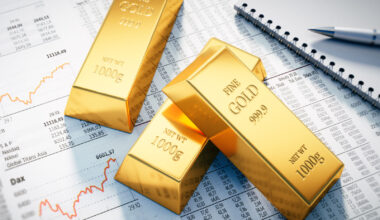
Gold Price in Nairobi Today 24K,22K,18K | Live Rates & Export Guide
Looking for the latest gold prices in Nairobi today? Whether you are buying 24K, 22K, or 18K gold bars, coins, or jewelry in Kenya, staying updated on the daily rates is essential for smart investing. Nairobi has become one of East Africa’s leading gold trading hubs, attracting both local buyers and international investors. With gold prices constantly changing due to global market trends, supply and demand, currency exchange rates, and mining production in Kenya, knowing the current price per gram, ounce, and kilogram of gold in Nairobi helps you make informed decisions.
At Gold prices in Africa Limited, we provide real-time gold price updates in Nairobi, trusted buying guides, and connections to licensed gold dealers, refineries, and exporters. Whether you’re looking to buy gold in Nairobi, sell gold at the best rates, or export gold legally from Kenya, our platform ensures transparency, safety, and maximum returns.
Gold Price in Nairobi Today – 24K
If 1 kilogram of 24K gold = $140,000, we can calculate the prices for smaller weights proportionally.
| Weight | Price in KES (Kenyan Shilling) | Price in USD |
|---|---|---|
| 1 gram | 19,600 KES | 140 USD |
| 5 grams | 98,000 KES | 700 USD |
| 10 grams | 196,000 KES | 1,400 USD |
| 20 grams | 392,000 KES | 2,800 USD |
| 50 grams | 980,000 KES | 7,000 USD |
| 100 grams | 1,960,000 KES | 14,000 USD |
| 250 grams | 4,900,000 KES | 35,000 USD |
| 500 grams | 9,800,000 KES | 70,000 USD |
| 1 kilogram | 19,600,000 KES | 140,000 USD |
note. KES prices are approximate based on an exchange rate of 1 USD = 140 KES. Actual gold prices in Nairobi may vary depending on market demand, dealer premiums, and purity verification.
Gold Price in Nairobi Today – 22K Gold
If 24K gold = $140,000 per kilogram, then 22K gold (91.6% purity) will be about $128,240 per kilogram.
| Weight | Price in KES (Kenyan Shilling) | Price in USD |
|---|---|---|
| 1 gram | 17,954 KES | 128.24 USD |
| 5 grams | 89,768 KES | 641.20 USD |
| 10 grams | 179,536 KES | 1,282.40 USD |
| 20 grams | 359,072 KES | 2,564.80 USD |
| 50 grams | 897,680 KES | 6,412 USD |
| 100 grams | 1,795,360 KES | 12,824 USD |
| 250 grams | 4,488,400 KES | 32,060 USD |
| 500 grams | 8,976,800 KES | 64,120 USD |
| 1 kilogram | 17,953,600 KES | 128,240 USD |
note. KES prices are approximate based on an exchange rate of 1 USD = 140 KES. Actual prices in Nairobi may vary depending on dealer margins, purity testing, and market demand.
Gold Price in Nairobi Today – 18K Gold
If 24K gold = $140,000 per kilogram, then 18K gold (75% purity) will be about $105,000 per kilogram.
| Weight | Price in KES (Kenyan Shilling) | Price in USD |
|---|---|---|
| 1 gram | 14,700 KES | 105 USD |
| 5 grams | 73,500 KES | 525 USD |
| 10 grams | 147,000 KES | 1,050 USD |
| 20 grams | 294,000 KES | 2,100 USD |
| 50 grams | 735,000 KES | 5,250 USD |
| 100 grams | 1,470,000 KES | 10,500 USD |
| 250 grams | 3,675,000 KES | 26,250 USD |
| 500 grams | 7,350,000 KES | 52,500 USD |
| 1 kilogram | 14,700,000 KES | 105,000 USD |
note. KES prices are approximate based on an exchange rate of 1 USD = 140 KES. Actual gold prices in Nairobi may vary depending on market conditions, dealer margins, and purity verification.
Since you updated the 24K price to $140 per gram, the other purities should be adjusted proportionally based on gold purity.
- 24K = 99.9% (≈ $140/g)
- 22K = 91.6%
- 18K = 75%
Gold Price per Gram in Nairobi Today
| Purity | Price per Gram (KES) | Price per Gram (USD*) |
|---|---|---|
| 24K | 19,600 KES | 140 USD |
| 22K | 17,950 KES | 128 USD |
| 18K | 14,700 KES | 105 USD |
note. USD prices are approximate, based on an exchange rate of 1 USD ≈ 140 KES. Actual gold prices in Nairobi may vary depending on market demand, dealer premiums, and purity verification.
Notes:
- 24K gold = 99.99% pure gold
- 22K gold = 91.6% pure gold
- 18K gold = 75% pure gold
- Prices fluctuate daily depending on global gold rates, currency exchange, and local demand in Nairobi.
- Always buy from licensed and reputable dealers to ensure authenticity.
Yearly Gold Price Trends in Nairobi (2020–2026) – 24K Gold
| Year | 1g (KES) | 5g (KES) | 10g (KES) | 50g (KES) | 100g (KES) | 1kg (KES) |
|---|---|---|---|---|---|---|
| 2026* | 19,200 – 19,600 | 96,000 – 98,000 | 192,000 – 196,000 | 960,000 – 980,000 | 1,920,000 – 1,960,000 | 19,200,000 – 19,600,000 |
| 2025 | 8,150 – 8,350 | 40,750 – 41,750 | 81,500 – 83,500 | 407,500 – 417,500 | 815,000 – 835,000 | 8,150,000 – 8,350,000 |
| 2024 | 7,600 – 7,900 | 38,000 – 39,500 | 76,000 – 79,000 | 380,000 – 395,000 | 760,000 – 790,000 | 7,600,000 – 7,900,000 |
| 2023 | 6,900 – 7,500 | 34,500 – 37,500 | 69,000 – 75,000 | 345,000 – 375,000 | 690,000 – 750,000 | 6,900,000 – 7,500,000 |
| 2022 | 6,200 – 6,800 | 31,000 – 34,000 | 62,000 – 68,000 | 310,000 – 340,000 | 620,000 – 680,000 | 6,200,000 – 6,800,000 |
| 2021 | 5,700 – 6,100 | 28,500 – 30,500 | 57,000 – 61,000 | 285,000 – 305,000 | 570,000 – 610,000 | 5,700,000 – 6,100,000 |
| 2020 | 5,300 – 5,600 | 26,500 – 28,000 | 53,000 – 56,000 | 265,000 – 280,000 | 530,000 – 560,000 | 5,300,000 – 5,600,000 |
note. 2026 prices are estimated based on current market trends in Nairobi, reflecting a rise to approximately 19,600 KES per gram for 24K gold
Differences Between 24K, 22K & 18K Gold in Nairobi
- 24K Gold (99.99% Pure) – The purest form of gold, bright yellow, soft, and mostly sold as bars or coins in Nairobi. Ideal for investors but less common in jewelry.
- 22K Gold (91.6% Pure) – Slightly mixed with alloys for durability. Very popular in jewelry shops in Nairobi since it balances purity and strength.
- 18K Gold (75% Pure) – Contains more alloys, making it stronger but less pure. Cheaper than 24K and 22K, suitable for fashion jewelry.
Key Difference: The higher the purity (karats), the higher the price per gram in Nairobi.
How to Check Gold Purity Before Buying in Nairobi
- Hallmark Stamp. Look for official karat stamps (24K, 22K, 18K) on bars/jewelry.
- Ask for an Assay Certificate. Licensed dealers in Nairobi provide purity test reports.
- Acid Test. Jewelers use nitric acid to verify the karat level.
- Electronic Purity Machine (XRF Test). Many gold dealers in Nairobi malls use digital scanners.
- Buy from Licensed Dealers Only. Avoid street vendors or unregistered sellers.
Popular Gold Bar Sizes for Sale in Nairobi (1g – 1kg)
Gold investors in Nairobi can purchase bars in different sizes depending on budget:
| Bar Size | Common Buyers | Purpose |
| 1g – 5g | Small buyers, gifts | Easy entry-level investment |
| 10g – 50g | Middle-class investors, jewelers | Savings & small trade |
| 100g – 500g | Business traders | Larger investments |
| 1kg | Exporters & bulk investors | High-value storage & trade |
Legal Gold Purchase & Export Guidelines for International Buyers – Kenya 2026
| Step | Requirement | Notes |
|---|---|---|
| 1 | Licensed Dealer | Buy gold only from KRA-registered and iTax-integrated dealers in Nairobi. |
| 2 | Purchase Documentation | Obtain an official invoice/receipt stating gold weight, purity, and price. |
| 3 | Export Permit | Apply for a gold export permit through the Ministry of Mining or relevant authority. |
| 4 | Export Duty Payment | Pay standard export duty (~2%) based on the declared gold value. |
| 5 | Transport Compliance | Use certified logistics providers for secure transport; follow Customs regulations. |
| 6 | Refinery Verification (Optional) | Verify gold purity at licensed refineries (e.g., Nairobi Gold Refinery or Euro Gold Refinery). |
| 7 | Customs Clearance | Present documentation and duty payment receipts at Kenyan Customs before leaving the country. |
note. International buyers can safely purchase gold from Nairobi if they follow legal procedures. Using licensed dealers, proper documentation, and secure transport ensures compliance with Kenyan law and avoids fraud.
Where to Buy Gold in Nairobi
Nairobi has become one of the most active gold trading hubs in East Africa, attracting local and international buyers. When purchasing gold in the city, investors often look for secure, licensed, and trustworthy sources. The best places to buy gold in Nairobi include:
- Nairobi Gold Market District (CBD & Westlands) – Well-known for retail and wholesale gold shops, offering everything from small jewelry pieces to investment-grade gold bars.
- Rand Refinery Distributors & Licensed Dealers – Trusted for certified 24K and 22K gold bars and coins with international recognition.
- Nairobi Bullion Dealers – Specialize in investment gold bars (from 1g to 1kg), ideal for investors seeking bulk purchases.
- Major Banks (with Gold Trading Desks) – Some Kenyan banks provide access to gold investment products, including physical bullion.
- Licensed Refineries & Export Companies – Such as Gold Prices in Africa Limited and other licensed exporters, who sell both locally and to international buyers.
Top Licensed Gold Dealers in Nairobi
To avoid scams, it’s critical to only deal with licensed gold traders. Here are five of the most trusted:
- Gold Prices in Africa Limited – A well-known company for certified 24K gold bars, export assistance, and bulk trading across Africa.
- Nairobi Gold Refinery – Specializes in refining and selling pure investment-grade gold, both locally and internationally.
- Auric Gold & Bullion Kenya – A licensed bullion dealer offering 1g to 1kg bars, as well as customized investment options.
- Kenya Precious Metals Dealers (PMD) – Government-approved entities registered with Kenya’s Ministry of Mining for gold trading.
- Forex Gold & Exchange Dealers Nairobi – Offers both foreign exchange and certified gold sales, popular among small to medium investors.
Online vs Offline Gold Buying in Nairobi: Which is Safer?
Gold buyers in Nairobi today have two major options: online platforms and offline (physical) shops. Each has its advantages and risks:
Online Gold Buying in Nairobi
- Pros:
- Convenient – buy from anywhere.
- Wider access to international sellers.
- Easy price comparisons across multiple platforms.
- Cons:
- Higher risk of fraud if not using a licensed dealer.
- Requires due diligence and secure payment channels.
Offline Gold Buying in Nairobi (Physical Dealers & Shops)
- Pros:
- Face-to-face transactions ensure transparency.
- You can verify gold purity instantly (assay or hallmark test).
- Safer when buying in bulk from licensed dealers.
- Cons:
- Limited to local availability.
- May require physical presence in Nairobi.
Note. Offline gold buying in Nairobi is generally safer, especially for bulk purchases (like 1kg bars). However, online platforms from licensed Nairobi dealers are increasingly reliable if backed by certificates and secure payment systems.
Tip for Investors: Always demand a certificate of authenticity, verify the dealer’s license with Kenya’s Ministry of Mining, and cross-check gold rates with the daily Nairobi gold price before buying.
Ways to Spot Fake Gold Dealers in Nairobi
Unfortunately, Nairobi has its share of fraudulent gold traders targeting unsuspecting buyers. Here are five key ways to identify fake gold dealers:
- Lack of Proper Licensing
- Genuine gold dealers in Nairobi must be registered with Kenya’s Ministry of Mining and hold a valid Precious Minerals Dealer’s License.
- Fake dealers usually avoid showing licenses or presenting forged documents.
- Unrealistic Prices
- If the dealer offers gold at prices far below market rates, it’s a major red flag. Authentic dealers base prices on the daily Nairobi gold price linked to international markets.
- No Physical Office or Address
- Scammers often hide behind temporary offices, hotel rooms, or purely online accounts. Trusted dealers have permanent business premises in Nairobi.
- Avoidance of Assay or Testing
- Fake sellers will resist any attempt to verify gold purity through assay labs or portable testers. Genuine dealers will allow purity testing before purchase.
- Suspicious Payment Demands
- Fraudulent traders usually push for upfront payments, cryptocurrency transfers, or cash-only deals. Reputable Nairobi gold dealers offer bank transfers, receipts, and signed contracts.
Anti-Scam Checklist – Nairobi Gold Market
Nairobi is a major hub for gold trading in East Africa, but like any busy market, it has its risks. One of the most common threats is “wash-wash” scams, where fake or low-quality gold is sold as genuine. To protect yourself, it’s important to follow a verified anti-scam checklist.
Scam Alert: Watch for Unrealistic Discounts
A key red flag in Nairobi’s gold market is “discounted gold” offers that are too good to be true.
- Example: If a seller offers gold at 20–30% below the London spot price, this is almost certainly a scam.
- Why: Gold is a global commodity, and its price is tracked worldwide via benchmarks like the LBMA spot price. Dealers cannot legally or sustainably sell genuine gold far below market rates.
Other important tips to avoid scams:
- Buy only from licensed dealers – check for KRA registration and iTax integration.
- Verify gold purity – use certified scales and tests before payment.
- Request proper documentation – invoices, export permits, or refinery receipts.
- Avoid cash-only deals with unknown sellers – traceable payments are safer.
- Check market alignment – compare the offered price with LBMA spot prices and local refinery-direct rates.
Following this checklist helps investors and buyers avoid “wash-wash” scams and ensures that Nairobi gold transactions are safe, verified, and transparent.
Buying Gold in Bulk: Tips for Investors in Nairobi
For investors looking to purchase large quantities of gold (e.g., 1kg bars or multiple kilos) in Nairobi, safety and value optimization are crucial. Here are key tips:
- Work Only with Licensed Dealers
- Verify the dealer’s license number with the Ministry of Mining to ensure you’re dealing with a legitimate source.
- Insist on Certification & Documentation
- Every bulk purchase should come with a certificate of authenticity, invoice, and export permit (if applicable).
- Negotiate for Lower Premiums
- Bulk purchases often allow for better pricing per gram or kilo. Investors should negotiate directly with dealers or refineries in Nairobi.
- Secure Storage & Transport
- For large transactions, arrange bank vault storage or armored transport services to ensure safety.
- Consider Export Regulations
- If buying gold in Nairobi for export, be aware of Kenya’s gold export laws, taxes, and documentation (export license, customs clearance, and proof of funds).
- Check Market Timing
- Monitor global gold price trends before purchasing bulk amounts, as even small fluctuations can have a big impact on kilo-level investments.
Note: Nairobi is a strong hub for gold trading in East Africa, but bulk investors must combine due diligence, certified dealers, and proper legal compliance to avoid scams and maximize profits.
Nairobi Gold Market Overview
Nairobi remains one of the most important gold trading and investment hubs in East Africa, connecting buyers from Uganda, Tanzania, DRC Congo, and South Sudan to international markets in the Middle East, Europe, and Asia.
By 2025, the Nairobi gold market will be characterized by:
- Strong Demand from Local and International Investors
Gold continues to be a safe-haven investment, with buyers in Nairobi seeking 24K and 22K gold bars, jewelry, and bulk consignments. - Growth in Licensed Dealers and Refineries
more licensed dealers and refineries are setting up operations in Nairobi to cater to the rising demand for authentic gold. - Digital & Online Trading Platforms
the shift towards online gold trading platforms is growing, making it easier for investors to compare prices and buy securely. - Export & Import Activity
Nairobi acts as a gateway for gold exports to Dubai, India, and China. Licensed companies like Gold Prices in Africa Limited facilitate safe export procedures. - Investment in Small and Large Quantities
From 1g bars for small buyers to 1kg bars and bulk consignments for investors, Nairobi offers diverse options.
Gold Buyers in Nairobi
- Gold Prices in Africa Limited – Nairobi Office
Gold Buyers Africa is one of the most reliable gold trading companies in Nairobi. They specialize in buying and exporting gold bars, nuggets, and coins across Africa. The company offers competitive rates, full documentation support, and safe transactions. Investors prefer them for their licensed operations and international export connections.
- Nairobi Bullion Exchange (NBX)
A well-known gold marketplace in Nairobi that deals in refined gold bars, bullion coins, and jewelry resale. NBX works with both local miners and international investors, offering spot price-based transactions. Their office is located in Nairobi’s central business district, making it easy for sellers to access.
- Alinani Precious Metals – Nairobi
Alinani Precious Metals is a licensed gold refinery and buyer operating in Nairobi. They purchase raw gold from local miners and traders, refine it, and export it globally. They are trusted for fair gold testing, fast payments, and compliance with Kenyan export laws.
- Kenya Gold Buyers Ltd.
Kenya Gold Buyers Ltd. is a private company in Nairobi that specializes in buying 24K, 22K, and 18K gold from individuals, jewelers, and traders. They are popular for offering instant cash payments and providing sellers with assay reports to confirm purity before purchase.
Note. These four gold buyers represent licensed, trusted, and client-focused companies in Nairobi, making them the best options for safe and profitable gold sales.
Factors Affecting Gold Price in Nairobi
Gold prices in Nairobi are not fixed—they fluctuate daily based on several global and local factors:
- Global Gold Market Trends
- Nairobi gold prices are directly influenced by the international spot price of gold in USD per ounce.
- Any changes in New York, London, or Dubai gold markets impact Nairobi prices instantly.
- Kenya Shilling (KES) vs US Dollar Exchange Rate
- Since gold is priced globally in USD, fluctuations in the KES/USD exchange rate affect local prices.
- A weaker shilling raises gold prices in Nairobi.
- Local Supply from Neighboring Countries
- Much of the gold traded in Nairobi comes from Uganda, the DRC, Congo, and Tanzania. Disruptions in supply or cross-border restrictions can impact pricing.
- Government Policies & Taxes
- Import/export duties, mining laws, and regulations from Kenya’s Ministry of Mining play a big role in gold pricing and trade costs.
- Global Economic Conditions
- During inflation, currency instability, or financial crises, investors flock to gold as a safe asset, driving up prices in Nairobi.
- Seasonal Demand & Local Jewelry Market
- Weddings, festivals, and cultural events in Kenya often push up demand for 22K and 18K jewelry, influencing short-term price spikes.
Key Insight for Investors:
To maximize returns, gold buyers in Nairobi should track global spot prices, exchange rates, and local market trends, while always dealing with licensed and certified dealers for secure transactions.
Gold Export Laws in Kenya
Kenya has clear regulations governing the export of gold to protect investors and reduce illegal trade. The key points of the Kenya gold export laws include:
- Licensing Requirement – Only companies and individuals holding a valid Precious Minerals Export License issued by the Ministry of Mining are allowed to export gold.
- Verification of Gold – All gold for export must be tested and assayed by an accredited refinery in Nairobi to confirm purity and weight.
- Customs Compliance – Exports must be registered with the Kenya Revenue Authority (KRA) for customs clearance.
- Destination Approval – Exporters must declare the country of destination and comply with international trade standards.
- AML (Anti-Money Laundering) Regulations – Exporters are required to provide proof of funds, contracts, and buyer verification documents to comply with anti-money laundering laws.
Required Documents to Export Gold from Nairobi
Any gold export transaction in Nairobi requires the following documents:
- Export License from the Ministry of Mining.
- Certificate of Origin. proving the source of the gold.
- Assay Report. confirming purity (24K, 22K, etc.) and weight.
- Commercial Invoice & Packing List. detailing buyer, seller, quantity, and value.
- Customs Declaration Form (KRA). for clearance at the border/airport.
- Proof of Funds / Payment Receipts. to comply with anti-money laundering laws.
- Air Waybill or Shipping Documents. if the gold is being exported via air cargo.
Kenya Gold Trading Regulations and Taxes in 2026
Kenya has introduced several regulatory and tax updates in 2026 aimed at improving transparency, strengthening compliance, and supporting legitimate gold trading businesses. Understanding these changes is important for investors, exporters, and gold dealers operating in Nairobi and across Kenya.
Export Duty on Gold
The Kenyan government maintains a standard export duty of approximately 2% on gold exports. This duty is typically calculated based on the declared value of the gold being exported. Exporters must ensure that all shipments are properly declared and that export documentation is submitted through the relevant government agencies before the gold leaves the country. Compliance with export duty regulations helps prevent illegal gold trade and supports government revenue collection.
Finance Bill 2026 – VAT Adjustment
The Finance Bill 2026 introduced a notable tax adjustment affecting the mining and precious metals sector. Under the new reforms, Value Added Tax (VAT) on certain export-related equipment has been reduced to 8%. Previously, higher VAT rates made it expensive for companies to acquire machinery, refining equipment, and logistics tools used in the gold export process.
This reduction is expected to benefit large-scale gold traders, refiners, and exporters, as it lowers operational costs and encourages investment in better equipment, improved refining technology, and secure transportation systems.
Kenya Revenue Authority (KRA) iTax Integration
Another major development in 2026 is the integration of licensed gold dealers with the Kenya Revenue Authority (KRA) iTax system. Through this system, licensed traders and exporters must report transactions electronically, allowing the government to monitor gold trading activities in real time.
The integration with KRA iTax helps to:
- Improve transparency in the gold trading sector
- Reduce illegal gold exports and smuggling
- Ensure accurate tax reporting by licensed dealers
- Strengthen trust for international gold buyers dealing with Kenyan companies
For buyers and investors, this new system provides greater assurance that licensed gold dealers in Nairobi are operating under regulated and monitored financial systems.
Verified “Refinery-Direct” Gold Pricing
When buying or selling gold in Nairobi, it’s important to understand the difference between refinery-direct prices and retail shop prices.
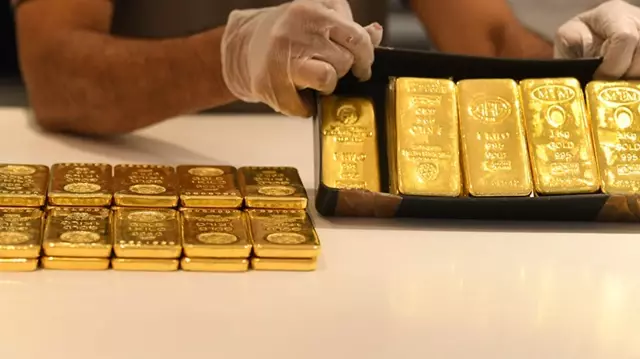
Refinery-Direct Pricing refers to the rates offered directly by gold refineries, such as the Nairobi Gold Refinery or Euro Gold Refinery. These prices are typically closer to the global market value of gold because they reflect the cost of pure gold without additional retail markups. In contrast, jewelry shops and local dealers often add premiums for craftsmanship, design, branding, and operational costs, which means retail gold prices can be slightly higher than refinery-direct rates.
Our platform tracks LBMA (London Bullion Market Association) spot prices, which are considered the global benchmark for gold trading. Using LBMA spot prices as a reference ensures that investors, traders, and buyers in Nairobi can see real-time, verified market values, helping them make informed decisions whether they are buying 24K bars, 22K coins, or other forms of gold.
Key Points:
- Refinery-direct prices are closer to pure gold value.
- Retail prices include markups for design and service.
- LBMA spot price tracking ensures transparency and alignment with the global gold market.
This approach allows Nairobi buyers to compare local prices with global standards, ensuring they get fair value for their gold transactions.
Legal vs Illegal Gold Trading in Nairobi
Gold trading in Nairobi exists in both legal and illegal markets. Here’s the difference:
Legal Gold Trading
- Conducted through licensed dealers and refineries.
- Backed by certificates of authenticity, assay reports, and export permits.
- Fully compliant with Kenya’s Mining Act, KRA regulations, and international trade laws.
- Provides buyers with safety, transparency, and recourse in case of disputes.
Illegal Gold Trading
- Conducted by unlicensed dealers or smugglers.
- Often involves fake documents, underreporting, or tax evasion.
- High risk of fraud, seizure, or legal penalties.
- Common scams include “gold offers” at below-market prices with no proper documentation.
Verdict:
For safe investments, always choose legal gold trading in Nairobi by verifying dealer licenses with the Ministry of Mining and ensuring all required export documents are in place.
Investor Insight: Kenya is strengthening its gold trade regulations in 2025 to eliminate fraud and illegal exports. Working only with licensed dealers and certified refineries in Nairobi ensures compliance and investor protection.