24K Gold Purity in Africa| 2026 Buyer’s Guide & Price Trends
Gold has captivated humanity for millennia, symbolizing wealth, power, and beauty. In its purest commercial form, 24K gold represents the pinnacle of purity, containing 99.9% or more gold content (often denoted as 999 or 999.9 fineness). This means that out of 24 parts, all 24 are essentially pure gold, with only trace impurities that modern refining cannot fully eliminate. Unlike lower karats like 22K (91.6% gold) or 18K (75% gold), 24K gold is soft, malleable, and brilliant in its deep yellow hue, making it ideal for investment bars, bullion coins, and high-value applications rather than everyday jewelry.
Africa plays a pivotal role in the global gold landscape. The continent produces nearly 20% of the world’s annual gold output, with major contributors including Ghana, South Africa, Mali, Tanzania, Burkina Faso, Sudan, Uganda, and others. These nations boast rich deposits from ancient geological formations, and much of the extracted gold can achieve exceptional purity levels when properly refined. While raw or artisanal-mined gold often starts at 90-98% purity (roughly 21K-23K), refined 24K gold from African sources frequently meets or exceeds international benchmarks of 99.9% to 99.99%.
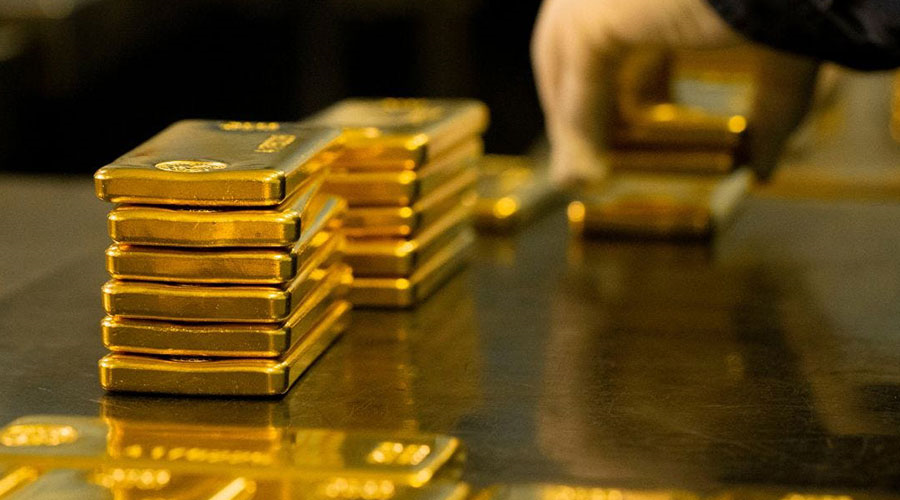
Understanding 24k Gold Purity in Africa and the Karat System
The karat system divides gold purity into 24 units, a standard rooted in historical weight measurements. Pure gold is 24K, equating to 100% gold in theory, though commercially it reaches 99.9% (999 fineness) due to practical refining limits. Lower karats of alloy gold with metals like copper, silver, or zinc to increase durability:
- 24K: 99.9%+ gold – soft, investment-grade.
- 22K: 91.6% gold – common in durable jewelry.
- 21K: 87.5% gold – popular in some North and West African markets.
- 18K: 75% gold – balanced for everyday wear.
In Africa, purity preferences vary by region and use. Investment and export gold is typically refined to 24K to comply with global standards like those from the London Bullion Market Association (LBMA). Jewelry, however, often favors 22K or 21K for its strength and cultural appeal in weddings, traditions, and daily adornment.
24K Gold in African Mining and Refining
Gold mining in Africa spans large-scale industrial operations and widespread artisanal and small-scale mining (ASM). Naturally occurring gold in ore is rarely 24K; it usually emerges at 75-85% purity (18K-20K) mixed with other minerals. Refining processes, crushing ore, chemical extraction (e.g., cyanidation), smelting, and electrolysis elevate it to high purity.
Key African refineries ensure 24K standards:
- In Ghana, the Precious Minerals Marketing Company (PMMC) and the Ghana Gold Board (GoldBod) oversee assaying, refining, and export. GoldBod regulates purchases, assays for accurate purity, and exports refined gold, often to 99.9%+ levels, supporting national reserves and foreign exchange.
- South Africa’s Rand Refinery produces world-class 24K bars and coins (like the Krugerrand, though alloyed at 22K for durability).
- Uganda, Tanzania, and others have growing refineries (e.g., African Gold Refinery in Uganda) focusing on 24K bars for export, often certified to 99.9% or 99.99%.
Many African-sourced 24K bars carry hallmarks, serial numbers, and certificates verifying purity, weight, and origin. This traceability appeals to international buyers seeking ethical, high-purity gold.
How African Refineries Test for 24K Purity
Before Kenyan gold reaches international buyers, it passes through rigorous, hands-on testing procedures at licensed refineries and assay laboratories. These are the same methods trusted by exporters shipping gold to Dubai, India, and Europe.
- XRF (X-Ray Fluorescence) Testing
In most Kenyan assay labs, the first test performed is XRF analysis. The gold sample is cleaned, flattened, and placed inside an XRF spectrometer. Within seconds, the machine displays a detailed breakdown of the metal composition.
From experience, operators pay close attention not just to the purity number but also to trace elements such as silver, copper, or iron. An unusually high presence of base metals immediately raises red flags and prompts further testing.
XRF testing is:
- Non-destructive
- Fast (results in under a minute)
- Ideal for initial purity verification
However, experienced traders know that XRF alone is not enough for high-value shipments.
- Fire Assay (The Gold Standard)
For export-grade gold, especially doré bars above 1 kg, fire assaying is the final authority. This process is more time-consuming and destructive but delivers the most accurate results.
A small chip is physically cut from the gold bar. This step alone tells a lot. Real high-purity gold cuts smoothly and cleanly, unlike fake or heavily alloyed bars that resist the blade.
The sample is then:
- Crushed and mixed with fluxes
- Heated in a furnace at extremely high temperatures
- Separated to isolate pure gold content
This method can take several hours, but it produces a purity result trusted by customs officials, refineries, and international bullion buyers.
- Practical Insider Checks Used Before Lab Testing
Before any machine is switched on, seasoned African gold handlers often perform quick physical checks:
- Weight-to-size comparison – genuine gold feels denser than expected
- Color consistency – uneven coloration often indicates plating
- Sound test – real gold produces a dull, solid sound when gently tapped
These checks do not replace laboratory testing, but they often prevent costly mistakes early in the process.
Regional Variations in 24K Gold Usage
Africa’s gold markets reflect diverse cultural and economic contexts:
- West Africa (Ghana, Mali, Burkina Faso): Rich in production, with 22K-21K dominant in jewelry markets for cultural pieces like bridal sets. Export bars are refined to 24K, meeting LBMA or ISO standards.
- East Africa (Uganda, Tanzania, Kenya): Emerging hubs for 24K bars, often sourced from artisanal mines retaining high natural purity. Uganda has become a key exporter of refined 24K gold.
- Southern Africa (South Africa, Zimbabwe): Advanced refining yields 99.99% 24K products. South Africa emphasizes investment-grade bullion.
- Central Africa (DRC, Cameroon): Artisanal mining produces high-purity raw gold, refined locally or exported as 24K bars.
Across the continent, 24K gold shines in investment. Bars and coins offer liquidity, hedge against inflation, and provide portfolio diversification. African 24K gold often trades at competitive prices due to direct sourcing, sometimes 3-5% below global spot in bulk deals.
Why 24K Gold from Africa Stands Out
African 24K gold attracts investors for several reasons:
- High Purity: Refined products consistently hit 99.9%-99.99%, rivaling global leaders.
- Competitive Pricing: Proximity to mines reduces costs; ethical sourcing and regulations enhance appeal.
- Traceability and Standards: Increasing compliance with LBMA, OECD, and national bodies ensures quality.
- Investment Potential: With Africa’s output growing, 24K gold offers exposure to a dynamic market.
Buyers should verify purity through assays, hallmarks, and reputable dealers, avoiding risks in informal markets.
2026 Market Realities: Regulation, Green Gold & High-Value Purity Risk
The gold market in 2026 is no longer driven by volume alone. It is driven by regulation, traceability, and verified purity. Across Africa, including Kenya, major policy shifts and record-high gold prices have fundamentally changed how gold is produced, refined, and accepted by international buyers.
The Ghana Gold Refining Law of 2025 and Its Impact on Kenya
Although enacted in West Africa, the Ghana Gold Refining Law of 2025 has reshaped expectations across the entire African gold trade. The law requires a greater percentage of gold to be refined domestically before export, with strict documentation on origin, purity, and chain of custody.
By 2026, international buyers, particularly in Dubai, India, and Europe, are applying similar standards to East African gold, including shipments from Kenya. In practical terms, this means:
- Doré bars with loosely verified purity face longer inspection times
- Buyers demand refinery-backed assay certificates
- Preference is shifting toward refined or near-refined bars
- Untraceable gold is increasingly rejected at the destination
For Kenyan exporters, this has raised the bar: gold is no longer judged only by weight, but by documentation and refinement level.
The 2026 Push for “Green Gold” in the East African Community
In 2026, the East African Community (EAC) intensified its push toward “Green Gold,” gold produced without mercury and with reduced environmental harm. This initiative targets artisanal and small-scale mining, which historically relied on mercury for gold recovery.
From a market perspective, this shift is not symbolic; it is commercial:
- Mercury-free gold is accepted faster by international refiners
- Environmentally compliant gold attracts premium buyers
- Export permits increasingly factor in sourcing methods
- Refiners flag mercury-contaminated doré as high risk
In Kenya, gold sourced from gravity separation or controlled, mercury-free processes now has a clear advantage in pricing and export approval, especially for buyers targeting Europe and ESG-compliant funds.
24K Gold Price Trends in Africa
| Country | 24K Gold Price per KG (USD) | Market Insight |
|---|---|---|
| Kenya | $88,000 – $89,000 | Slight discount due to refining and export logistics |
| Uganda | $87,800 – $88,800 | Competitive pricing, strong regional supply |
| Ghana | $88,500 – $89,500 | Supported by PMMC and refined gold policies |
| South Africa | $89,000 – $90,000 | Rand Refinery premium and strong compliance |
| Tanzania | $88,000 – $89,200 | Export controls influence pricing |
| Democratic Republic of Congo (DRC) | $87,500 – $88,700 | High supply, higher compliance risk discount |
| Mali | $88,200 – $89,300 | Strong production, improving traceability |
| Burkina Faso | $88,000 – $89,200 | Growing gold output, regional demand |
| Ethiopia | $88,300 – $89,400 | Centralized export controls stabilize prices |
| Sudan | $87,000 – $88,500 | Informal supply lowers prices, higher risk factor |
Notes. Prices are indicative and based on international gold benchmarks. Actual prices vary depending on purity (99.9 vs doré), quantity, refinery certification, taxes, and export compliance.
Why the 99.9% Hallmark Matters More Than Ever
With global gold trading between USD $4,800 and $5,100 per ounce in 2026, the cost of purity errors has become severe.
In real trade conditions, unrefined African doré bars often contain a 3–5% purity gap between declared and actual gold content. At today’s prices, that gap can translate into tens of thousands of dollars in losses on a single kilogram shipment.
This is why experienced buyers and exporters now insist on verifying the “999.9” hallmark on African gold bars.
A genuine 999.9 bar indicates that:
- The gold has undergone final refining
- Purity has been confirmed by refinery-level fire assay
- Pricing disputes at export and destination are minimized
- The gold is immediately tradable in international bullion markets
In the 2026 market, assuming purity is no longer a risk, it is a guaranteed loss. Verification is no longer optional; it is the foundation of trust in the African gold trade.
Why This Matters for Gold in Africa
For anyone involved in gold in Kenya, miners, dealers, exporters, or investors, the message is clear:
- Regulatory compliance now determines market access
- Environmental sourcing affects pricing and acceptance
- High prices magnify even small purity discrepancies
Those who adapt to these realities will succeed. Those who ignore them will be priced out, delayed, or rejected by the global market.
Transparency, Certification & Primary Refinery Standards
In the 2026 gold market, trust is no longer built on claims; it is built on verifiable certification. With gold trading near historic highs, international buyers, customs authorities, and bullion banks now require clear proof that African gold has passed through recognized, accredited refineries operating under global standards.
Experienced buyers do not rely on verbal assurances or local test results alone. They verify refinery credentials against official refinery standards and hallmark registries, ensuring the gold meets international acceptance criteria.
Why Refinery Certification Matters in 2026
At current price levels, even small purity discrepancies carry major financial consequences. This has pushed buyers to demand gold that is:
- Refined or certified by a recognized Melter assayer
- Clearly hallmarked with refinery-specific stamps
- Accompanied by assay documentation traceable to official standards
Gold lacking these indicators often faces:
- Re-assaying at destination
- Price discounts
- Delays or outright rejection
Recognized African Refineries & Official 24K Hallmarks (2026)
The table below highlights trusted African refineries whose hallmarks are widely accepted in international markets. These marks are not decorative; they are legal and commercial identifiers backed by refinery accountability.
| Refinery | Country | Official 24K Hallmark |
| Rand Refinery | South Africa | The Springbok symbol or registered Melter Assayer stamp |
| PMMC (Precious Minerals Marketing Company) | Ghana | Diamond-shaped mark with stamped purity (e.g., 999.9) |
| AGR (African Gold Refinery) | Uganda | Map of Africa symbol with 999.9 fineness |
How Professionals Use Hallmarks in Real Trade
In real inspection scenarios, buyers do not look at purity numbers alone. They examine:
- Stamp clarity – blurred or uneven stamps raise immediate concerns
- Stamp placement – legitimate refineries follow consistent positioning
- Matching documentation – assay reports must match the stamped fineness
A genuine 999.9 hallmark from a recognized African refinery signals that:
- The gold has undergone final refining
- Fire assay verification has been completed
- The refinery accepts liability for the stated purity
This dramatically reduces disputes, re-testing costs, and settlement delays.
Primary Standards & Certification Awareness.
Top refineries such as Rand Refinery, PMMC, and AGR operate under internationally aligned standards, including:
- Responsible sourcing requirements
- Chain-of-custody documentation
- Refinery-level assay controls
In 2026, buyers increasingly cross-check refinery claims against official refinery certification standards before concluding high-value transactions.
Why This Matters for Gold in Africa
For Kenyan gold entering regional or global markets, alignment with recognized African refinery standards has become a competitive advantage. Whether gold is refined locally or exported as doré for final refining, buyers now assess:
- Refinery reputation
- Hallmark legitimacy
- Traceability documentation
Gold that cannot meet these expectations is no longer considered “discounted” it is considered high risk.
How to Spot Fake 24K Gold in African Markets
Gold is not just a commodity; it’s a financial investment. In Kenya, Ghana, Uganda, and other African markets, verifying purity is critical because mistakes or scams can result in significant financial loss. Buyers and investors should approach every transaction with caution.
Key Ways to Spot Fake or Low-Quality 24K Gold.
- Check for consistent weight and density
Genuine 24K gold is very dense. A bar or coin that feels unusually light for its size may be underweight or alloyed with cheaper metals. Experienced traders always compare weight vs expected volume before paying. - Listen for the “ping” test
Tap a gold coin or small bar lightly with another metal object. Real 24K gold produces a soft, mellow ringing sound, while plated or fake gold produces a dull thud. This simple test can quickly flag suspicious items. - Examine stamps and hallmarks carefully
Look for recognized refinery stamps, such as Rand Refinery Springbok, PMMC Diamond, or AGR Map of Africa 999.9 fineness. Blurred, uneven, or missing stamps are a major red flag, especially for high-value bars. - Avoid unregistered street brokers or raw gold from informal markets
Buying “raw gold” dust or nuggets from unlicensed sellers in Nairobi, Accra, or other major cities is risky. Many of these sources sell plated gold, alloys, or misrepresented purity. Always transact with licensed dealers or verified exporters to reduce financial and legal risk
How to Spot Fake 24K Gold in African Markets
Gold is more than a commodity; it is a financial investment. In Kenya, Ghana, Uganda, and other African markets, verifying purity is critical. Mistakes or scams can lead to significant financial loss, so buyers and investors must approach every transaction with caution.
Key Ways to Identify Fake or Low-Quality 24K Gold
- Check for Consistent Weight and Density
Genuine 24K gold is extremely dense. A bar or coin that feels lighter than expected may be underweight or mixed with cheaper metals. Experienced traders always compare weight vs expected volume before paying. - Listen for the “Ping” Test
Tap a gold coin or small bar lightly with another metal object. Real 24K gold produces a soft, mellow ringing sound, while plated or fake gold produces a dull thud. This simple test quickly flags suspicious items before more expensive verification steps. - Examine Stamps and Hallmarks Carefully
Always look for recognized refinery stamps, such as:- Rand Refinery (South Africa) – Springbok or registered Melter Assayer stamp
- PMMC (Ghana) – Diamond-shaped hallmark with purity number
- AGR (Uganda) – Map of Africa symbol with 999.9 fineness
Blurred, uneven, or missing stamps are major red flags, especially for high-value bars.
- Avoid Unregistered Street Brokers or Raw Gold from Informal Markets
Buying “raw gold” dust or nuggets from unlicensed sellers in Nairobi, Accra, or other cities is extremely risky. Many sellers offer plated gold, alloys, or misrepresented purity. Always transact with licensed dealers or verified exporters to minimize financial and legal risk.
Challenges and the Future of 24K Gold in Africa
Despite strengths, challenges persist: informal mining risks lower or inconsistent purity, environmental concerns, and smuggling. Governments push formalization via boards like Ghana’s GoldBod and regulations promoting sustainable practices.
Looking ahead, Africa’s 24K gold sector is poised for growth. Investments in refining, traceability, and ethical mining will elevate standards, making African 24K gold a cornerstone of global supply.
In summary, 24K gold purity in Africa embodies the continent’s mineral wealth and refining capabilities. From Ghana’s regulated exports to South Africa’s advanced mints, 24K represents the purest, most valuable form available, bridging tradition, investment, and global trade.