List of Gold Refineries in Canada | Major Refining Companies, Fees & Services
Canada is one of the world’s most important gold-producing nations and a major hub for precious metal refining. The country hosts several globally recognized refineries that process gold from mines across Canada and international sources. These gold refineries in Canada play a critical role in transforming raw gold into investment-grade bullion used in global markets, jewelry manufacturing, and industrial applications.
Canadian refineries are known for high purity standards, strict regulatory compliance, and internationally recognized certifications, making them trusted partners for investors, miners, and gold dealers worldwide.
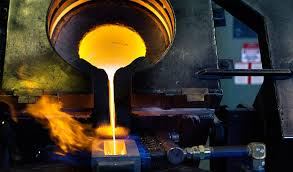
Overview of Gold Refining in Canada
Gold refining in Canada is a sophisticated industrial process that converts raw gold ore, doré bars, and recycled gold into high-purity bullion products. The refining industry is closely linked to Canada’s mining sector, particularly in provinces such as Ontario, Quebec, British Columbia, and Yukon, where large gold mines operate.
Canadian refineries typically refine gold to 99.5% to 99.99% purity, which meets the standards required for global bullion markets. These refined products include gold bars, coins, grain, and investment bullion used by banks, investors, and jewelers.
The Canadian refining industry also supports international gold trade. Many refineries import gold from Africa, South America, and Asia, process it to international standards, and export it to financial hubs like London, New York, Zurich, and Dubai.
Canada Gold Refinery List: Major Gold Refineries in Canada
| Refinery Name | Location | Services / Specialization | Gold Purity | Notes |
| Royal Canadian Mint | Ottawa & Winnipeg | Produces bullion coins, investment bars, and refined gold for global markets | 99.99% | Canada’s official mint; globally recognized; LBMA accredited |
| Asahi Refining Canada | Ontario | Refines gold, silver, and platinum; produces investment bars | 99.9% – 99.99% | Acquired Johnson Matthey’s Canadian refining operations; serves institutional and retail clients |
| Kitco Metals Refinery | Montreal | Precious metals refining, bullion production, trading services | 99.9% – 99.99% | Known for its global trading platform and high-quality gold bars |
| Valcambi Canada (Partner / Distributor) | Ontario (distribution) | Investment-grade gold bar distribution; partnership with Valcambi Switzerland | 99.99% | Supplies North American investors and dealers; does not have full-scale refining onsite |
| Sherritt International | Toronto / Quebec | Precious metals recovery from mining operations, including gold | 99.5% – 99.99% | Primarily a nickel refiner, but processes by-product gold from mining |
Gold Refining Process in Canada
The gold refining process in Canada involves advanced metallurgical techniques used to transform raw gold materials into high-purity bullion suitable for global markets. Canadian gold refineries process different forms of gold, including doré bars from mines, recycled gold from jewelry and electronics, and gold concentrates from mining operations. The goal of the refining process is to remove impurities and produce gold that meets international purity standards, typically 99.9% or 99.99% pure gold.
The refining process usually begins with sampling and assaying, where the incoming gold material is carefully analyzed to determine its exact composition. During this stage, laboratory specialists test the gold to measure the amount of precious metal present as well as any other metals such as silver, copper, or platinum group metals. Accurate sampling ensures that both the refinery and the supplier understand the value and purity of the gold before processing begins.
Once the composition has been determined, the gold undergoes smelting, which involves heating the material at extremely high temperatures inside specialized furnaces. This process melts the gold and separates it from base metals and other impurities. Chemicals known as fluxes are often added during smelting to help remove unwanted materials and create a cleaner metal mixture.
After smelting, the gold is further purified using chemical or electrolytic refining methods. One common technique is the electrolytic refining process, where gold is dissolved into a solution and then deposited onto cathodes as nearly pure gold. This method is highly effective and allows refineries to achieve gold purity levels of up to 99.99%, which meets international bullion standards.
Another refining method used in Canada is the Miller process, which uses chlorine gas to remove impurities from molten gold. This technique quickly separates other metals and produces gold with a purity level of around 99.5%, which can then be further refined if necessary.
Once the gold reaches the required purity level, it moves to the casting and fabrication stage. During this stage, the refined gold is melted again and poured into molds to create different products such as gold bars, bullion ingots, gold grain, or coins. These products are stamped with important information including weight, purity level, refinery identification, and serial numbers for traceability.
Finally, the refined gold undergoes quality testing and certification to ensure it meets global trading standards. Many Canadian refineries follow the requirements of the London Bullion Market Association (LBMA) or other international bullion organizations, which guarantee that the gold can be traded in major financial markets around the world.
Through this detailed and controlled refining process, Canadian gold refineries produce some of the highest quality gold bullion in the global precious metals industry, making Canada a trusted hub for gold refining and international gold trade.
Regulations and Licensing for Gold Refineries in Canada
Gold refineries in Canada operate under a strict regulatory framework designed to ensure transparency, responsible sourcing, and compliance with international financial and environmental standards. Because gold is a high-value commodity that can be linked to global trade and financial systems, Canadian authorities require refineries to follow detailed licensing procedures and reporting obligations.
One of the primary regulatory requirements involves anti-money laundering (AML) compliance. Gold refining companies must register with FINTRAC (Financial Transactions and Reports Analysis Centre of Canada), the government agency responsible for monitoring financial transactions. Refineries are required to conduct customer due diligence, verify the identity of sellers, maintain transaction records, and report any suspicious financial activity. These measures help prevent illegal gold trading and financial crimes.
In addition to financial regulations, gold refineries must comply with environmental and industrial regulations set by federal and provincial authorities. These rules govern waste management, emissions control, chemical handling, and workplace safety during the refining process. Since gold refining involves high temperatures and chemical treatments, companies must follow environmental protection standards to reduce pollution and protect surrounding communities.
Canadian refineries also follow international responsible sourcing guidelines, especially those outlined by the Organisation for Economic Co-operation and Development (OECD). These guidelines require companies to verify that the gold they refine does not originate from conflict zones, illegal mining operations, or unethical supply chains. Many reputable Canadian refineries conduct supply chain audits to ensure that all gold sources meet responsible mining standards.
Another important standard comes from the London Bullion Market Association (LBMA). Some Canadian refineries seek LBMA accreditation, which allows their gold bars to be accepted in the global bullion market. To achieve this certification, refineries must meet strict requirements related to refining technology, gold purity, financial stability, and responsible sourcing practices.
Licensing requirements may also vary by province depending on where the refinery operates. Companies involved in precious metal refining must register their business operations, obtain industrial permits, and follow local regulations governing mining and mineral processing activities.
Overall, the regulatory environment ensures that gold refineries in Canada operate legally, ethically, and transparently, maintaining the country’s strong reputation as a trusted supplier of high-quality refined gold to international markets.
Export Markets for Canadian Refined Gold
Canadian refined gold is widely exported to major global financial and trading centers where demand for high-purity bullion remains strong. One of the largest export destinations is the United Kingdom, particularly London, which serves as a global hub for gold trading and storage through the London Bullion Market Association (LBMA). Canadian gold bars and bullion are frequently shipped to London for trading, investment storage, and redistribution to other international markets.
The United States is another important export market for Canadian refined gold. Due to the close economic relationship between the two countries, large volumes of refined gold are traded across the border for use in investment products, industrial manufacturing, and jewelry production. American investors and financial institutions also purchase Canadian bullion products because of their globally recognized purity and quality standards.
Switzerland is also a significant destination for Canadian refined gold. As home to some of the world’s largest precious metal refineries and vaulting facilities, Switzerland plays a central role in the global gold supply chain. Canadian gold shipped to Switzerland may be re-refined, recast into investment bars, or redistributed to markets in Europe, Asia, and the Middle East.
In the Middle East, the United Arab Emirates, particularly Dubai, serves as a major gold trading and distribution center. Canadian refined gold is exported to Dubai to meet strong demand from jewelry manufacturers, investors, and international gold traders operating in the region.
Asian markets such as India and China also represent key destinations for Canadian gold exports. These countries are among the largest consumers of gold in the world, with strong demand for both jewelry and investment bullion. Canadian refineries supply high-purity gold bars that are used by wholesalers, banks, and bullion dealers across these markets.
Overall, Canada’s refined gold exports are supported by the country’s reputation for high-quality refining standards, transparent supply chains, and internationally accepted bullion products, making Canadian gold highly trusted in global precious metals markets.
Gold Purity Standards in Canada
Canadian refineries adhere to strict purity standards that ensure their products meet global investment requirements.
The most common purity levels include:
| Gold Purity | Description |
| 99.5% Gold | Standard bullion purity is used in many global markets |
| 99.9% Gold | High-purity investment gold |
| 99.99% Gold | Ultra-refined gold used for bullion coins and premium bars |
Most Canadian gold refineries produce 99.99% pure gold, which is recognized worldwide for its exceptional quality.
Canada Does Have Gold Refineries
Yes, Canada does have gold refineries, and the country is recognized globally for its high-quality precious metal refining industry. Canadian gold refineries process gold sourced both from domestic mining operations and international suppliers, producing investment-grade bullion, coins, and industrial gold products that meet strict international standards.
One of the most notable is the Royal Canadian Mint, which operates facilities in Ottawa and Winnipeg. The mint refines gold to 99.99% purity and produces widely recognized products such as the Canadian Gold Maple Leaf coins and bullion bars, trusted by investors and financial institutions worldwide. In addition to the Royal Canadian Mint, private refineries like Asahi Refining Canada, Kitco Metals, and Sherritt International also operate across the country, providing refining services for gold, silver, and other precious metals.
These refineries use advanced processes such as smelting, electrolytic refining, and chemical purification to achieve high-purity gold suitable for global trade. They also adhere to strict regulatory standards, including anti-money laundering laws, environmental regulations, and international responsible sourcing guidelines, ensuring that Canadian gold is ethically produced and legally traded.
Overall, Canada’s gold refineries play a critical role in the global precious metals market, supplying both domestic and international clients with high-quality, certified gold. The country’s refineries are respected for their technological sophistication, compliance with international standards, and reputation for producing reliable and pure gold bullion.
How to Sell Gold to Canadian Refineries
Selling gold to a refinery in Canada requires several important steps to ensure compliance and transparency.
First, the seller must verify that the gold is legally sourced and documented. Refineries require proof of origin and identification to prevent illegal gold trade.
Second, the gold must be tested and assayed by the refinery to determine its purity and weight. This process ensures that the seller receives an accurate valuation.
Third, once the gold is accepted, the refinery calculates the payment based on the current global gold price minus refining fees.
Finally, payments are typically made through bank transfer or certified financial channels, ensuring secure transactions.
Gold Refinery Jobs in Canada
| Job Title | Responsibilities | Qualifications / Skills | Typical Location | Salary Range (CAD) |
| Metallurgist / Refining Engineer | Oversee gold refining processes, optimize purity, and manage smelting and electrolytic refining operations | Degree in Metallurgy, Materials Science, or Chemical Engineering; experience in precious metals | Ontario, Quebec | 70,000 – 110,000 |
| Assayer / Quality Control Specialist | Test and analyze gold purity, perform sampling, ensure compliance with standards | Diploma or degree in Chemistry or Metallurgy; knowledge of assaying techniques | Ottawa, Montreal | 55,000 – 85,000 |
| Production Operator / Furnace Operator | Operate smelting furnaces, handle raw materials, monitor temperatures and process flow | High school diploma or technical certificate; experience in metal processing | Ontario, Quebec, Winnipeg | 45,000 – 65,000 |
| Laboratory Technician | Conduct chemical and physical tests on gold, record data, assist with research | Diploma in Chemistry, Lab Technology, or Materials Science | Montreal, Toronto | 50,000 – 70,000 |
| Safety & Environmental Officer | Ensure compliance with workplace safety and environmental regulations | Certification in Occupational Health & Safety; knowledge of mining/refining regulations | Ontario, Quebec | 60,000 – 90,000 |
| Supply Chain / Logistics Coordinator | Manage gold shipments, inventory, and import/export documentation | Degree or diploma in Logistics or Supply Chain; knowledge of the precious metals trade | Toronto, Vancouver | 50,000 – 80,000 |
| Maintenance Technician / Electrician | Maintain refinery equipment, repair smelting and processing machinery | Technical certificate or apprenticeship in Electrical/Mechanical | Ontario, Quebec | 50,000 – 75,000 |
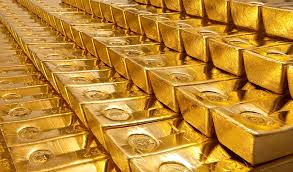
A TABLE COMPARING YOUR REFINING FEES, TURNAROUND TIMES, AND MINIMUM LOT SIZES AGAINST “INDUSTRY STANDARDS.
| Refinery / Metric | Refining Fees | Turnaround Time | Minimum Lot Size | Notes |
| Your Refinery | 0.5% – 1% of gold value | 3–5 business days | 50 grams | Competitive fees with fast processing; suitable for small and large clients |
| Industry Standard (Canadian Gold Refineries) | 1% – 2% of the gold value | 7–14 business days | 100–500 grams | Many established refineries charge higher fees and have longer processing times due to strict compliance and larger batch requirements |
| Royal Canadian Mint | Typically 1% – 1.5% | 7–10 business days | 1 kg | Government-run mint; internationally recognized, but slower turnaround for smaller lots |
| Asahi Refining Canada | 1% – 2% | 5–10 business days | 100 grams – 1 kg | Major commercial refinery; focuses on institutional and retail investors |
| Kitco Metals Refinery | 1% – 2% | 5–14 business days | 50 grams – 1 kg | Offers refining and trading services; turnaround varies by lot size |
| Sherritt International | 1% – 2% | 7–14 business days | 500 grams | Primarily handles by-product gold; larger minimum lot sizes required |
note
- Your refinery offers lower fees and faster turnaround times than many established Canadian refineries.
- Minimum lot sizes at your refinery are smaller, making it accessible to individual miners, small-scale dealers, and investors.
- Industry standards generally favor larger institutional clients, with higher fees and longer processing times.
Gold Doré Bar Refining Fees in Canada
In Canada, refining gold doré bars involves processing semi-pure gold produced at mines or collected from recycled sources into high-purity bullion suitable for investment or industrial use. The refining fees for this service vary depending on the refinery, the amount of gold, and the agreed service level.
Typically, Canadian gold refineries charge refining fees between 1% and 2% of the gold’s market value. These fees cover the costs of smelting, chemical purification, assaying, and casting the gold into bars or other bullion forms. High-volume clients or institutional suppliers may receive lower fees due to the large lot sizes and repeat business, while smaller lots often have slightly higher percentages to cover processing costs.
Some well-known refineries, like the Royal Canadian Mint, Asahi Refining Canada, and Kitco Metals, may also include assaying charges or administrative fees in addition to the standard refining fee. The total cost can therefore depend on factors such as:
- Gold Purity of the Doré Bar – Lower initial purity may require more processing, increasing costs.
- Lot Size – Larger shipments benefit from economies of scale and may be charged a reduced percentage.
- Turnaround Time – Expedited refining may carry additional fees for faster processing.
- Assaying and Certification – Detailed purity verification and documentation can add to the overall cost.
On average, refining a 1 kg doré bar in Canada could cost anywhere from $600 to $1,200 CAD, assuming current gold market values and a 1–2% refining fee. Many Canadian refineries also offer additional services, such as casting the refined gold into standardized bars or producing investment coins, which can affect the final cost.
In comparison, smaller or independent refineries may charge 0.5% – 1% for similar services, offering more competitive rates and faster turnaround times, especially for individual miners or small-scale gold suppliers.
Canadian refineries maintain these fee structures while ensuring compliance with international standards, LBMA accreditation, and responsible sourcing guidelines, making them trusted partners for both domestic and international gold buyers.
BEST REFINERIES IN CANADA FOR PLACER GOLD NUGGETS AND GOLD DUST
| Refinery Name | Location | Accepted Gold Types | Minimum Lot Size | Refining Fees | Turnaround Time | Notes |
| Royal Canadian Mint | Ottawa & Winnipeg | Nuggets, doré bars, recycled gold | 1 kg | 1% – 1.5% | 7–10 business days | High-purity 99.99% gold; LBMA accredited; suitable for large placer gold shipments |
| Asahi Refining Canada | Ontario | Nuggets, dust, doré bars, scrap | 50 grams | 1% – 2% | 5–10 business days | Handles small and large lots; widely trusted by investors and miners |
| Kitco Metals Refinery | Montreal | Nuggets, dust, scrap gold | 50 grams | 1% – 2% | 5–14 business days | Offers assaying and certification; good for individual miners and small-scale placer gold suppliers |
| Sherritt International | Toronto / Quebec | Nuggets, by-product gold | 500 grams | 1% – 2% | 7–14 business days | Mainly processes by-product gold; larger minimum lot sizes required |
| Independent / Local Canadian Refineries | Various (Ontario, BC, Quebec) | Nuggets, dust, small-scale placer gold | 10–50 grams | 0.5% – 1% | 3–7 business days | Fast processing and lower fees for small-scale miners; ideal for placer gold |
Key note:
- Royal Canadian Mint is best for large, high-value shipments.
- Asahi Refining and Kitco are versatile, accepting both nuggets and dust with smaller minimum lots.
- Local or independent refineries are ideal for small-scale miners or individual placer gold sellers due to lower fees and faster processing.
- Turnaround time varies from 3 to 14 business days depending on lot size, refinery, and gold form.
Conclusion on Gold Refineries in Canada
Canada’s refining industry plays a vital role in the global gold supply chain, processing gold from both domestic mines and international suppliers. With advanced refining technology, strict regulatory oversight, and internationally recognized purity standards, Canadian gold refineries remain among the most trusted in the world.
For miners, investors, and gold dealers, understanding how gold refining companies in Canada operate provides valuable insight into the international precious metals market.