24K Gold Price in Tanzania Today (2026) | Live Gold Rates per Gram
The 24K gold price in Tanzania today is influenced by the international gold market, the USD–TZS exchange rate, and demand from major mining regions like Geita, Mwanza, and Shinyanga. Tanzania is among Africa’s top gold producers, meaning the local gold market closely follows global bullion prices.
Currently, the average 24K gold price in Tanzania starts from around $110 per gram, depending on market conditions, dealer premiums, and export demand.
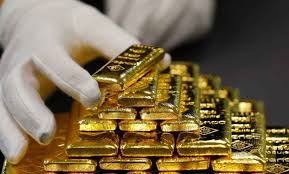
Below is an estimated live gold price reference for Tanzania based on current international gold trends.
24K Gold Price in Tanzania Today
| Gold Unit | Price in TZS | Price in USD |
| 1 Gram | TZS 280,000 | $110 |
| 5 Grams | TZS 1,400,000 | $550 |
| 10 Grams | TZS 2,800,000 | $1,100 |
| 1 Tola (11.66g) | TZS 3,265,000 | $1,283 |
| 50 Grams | TZS 14,000,000 | $5,500 |
| 100 Grams | TZS 28,000,000 | $11,000 |
| 1 Kilogram | TZS 280,000,000 | $110,000 |
Note: Gold prices change throughout the day depending on global bullion markets and currency exchange rates.
Live Gold Price Chart Tanzania (2020–2026 Historical Data)
Understanding historical gold prices helps investors analyze long-term trends. Between 2020 and 2026, the gold price in Tanzania has steadily increased due to global inflation, rising demand for precious metals, and the expansion of the African gold trade.
Tanzania Gold Price Historical Trend (2020–2026)
| Year | Average Gold Price per Gram (TZS) | Average Gold Price per Gram (USD) |
| 2020 | 155,000 | $65 |
| 2021 | 170,000 | $70 |
| 2022 | 190,000 | $78 |
| 2023 | 215,000 | $88 |
| 2024 | 240,000 | $98 |
| 2025 | 260,000 | $105 |
| 2026 | 280,000 | $110 |
Key Insights from the Gold Price Chart
- Gold prices in Tanzania have increased significantly since 2020, following global bullion trends.
- Investors continue turning to gold as a safe-haven investment during economic uncertainty.
- Tanzania’s strong mining sector supports a consistent supply for local and international buyers.
These trends explain why many international investors search for “buy gold in Tanzania” or “gold dealers in Tanzania.”
How much is 1 gram of gold in Tanzania today?
As of today, the price of 1 gram of gold in Tanzania varies depending on market fluctuations and purity, with 24K gold trading at approximately TZS 275,000 – 280,000 per gram, reflecting both global gold rates and local Tanzanian market factors, making it a key benchmark for investors, traders, and jewelry buyers across the country.
Gold Price in Tanzania Shillings vs USD
Gold trading in Tanzania is conducted using two primary currencies:
- Tanzanian Shillings (TZS) for domestic transactions
- US Dollars (USD) for international gold trading and exports
Since gold is globally priced in USD, any fluctuation in the USD/TZS exchange rate directly impacts local gold prices.
Tanzania Gold Price Comparison (TZS vs USD)
| Gold Unit | Price in TZS | Price in USD |
| 1 Gram | 280,000 TZS | $110 |
| 5 Grams | 1,400,000 TZS | $550 |
| 10 Grams | 2,800,000 TZS | $1,100 |
| 1 Ounce | 8,560,000 TZS | $3,355 |
| 1 Kilogram | 280,000,000 TZS | $110,000 |
Gold Prices in Dar es Salaam (24K Gold)
Dar es Salaam is Tanzania’s main gold trading and export hub, where many licensed dealers, refineries, and international buyers operate. Because of its strong connection to global markets, gold prices in Dar es Salaam closely follow international gold spot prices.
| Gold Weight | Price in USD | Price in TZS |
| 1 Gram | $110 | 280,000 TZS |
| 5 Grams | $550 | 1,400,000 TZS |
| 10 Grams | $1,100 | 2,800,000 TZS |
| 20 Grams | $2,200 | 5,600,000 TZS |
| 50 Grams | $5,500 | 14,000,000 TZS |
| 100 Grams | $11,000 | 28,000,000 TZS |
| 250 Grams | $27,500 | 70,000,000 TZS |
| 500 Grams | $55,000 | 140,000,000 TZS |
| 1 Kilogram | $110,000 | 280,000,000 TZS |
Note: Prices may vary depending on dealer premiums, refining costs, and export demand.
Arusha Gold Market Rates (24K Gold)
Arusha serves as an active trading center in northern Tanzania, sourcing gold from nearby mining regions like Mererani, Geita, and Shinyanga.
| Gold Weight | Price in USD | Price in TZS |
| 1 Gram | $130 | 332,000 TZS |
| 5 Grams | $650 | 1,660,000 TZS |
| 10 Grams | $1,300 | 3,320,000 TZS |
| 20 Grams | $2,600 | 6,640,000 TZS |
| 50 Grams | $6,500 | 16,600,000 TZS |
| 100 Grams | $13,000 | 33,200,000 TZS |
| 1 Tola (11.66g) | $1,515 | 3,870,000 TZS |
| 250 Grams | $32,500 | 83,000,000 TZS |
| 500 Grams | $65,000 | 166,000,000 TZS |
| 1 Kilogram | $130,000 | 332,000,000 TZS |
Tip: Arusha prices are often slightly higher than Dar es Salaam due to transport, refining, and local market premiums.
WHERE GOLD IS FOUND IN TANZANIA
| Gold Mining Region | Major Mines / Companies | Type of Gold Deposits | Description / Notes |
| Geita Region | Geita Gold Mine (Gold Fields), Bulyanhulu Mine | Lode & Alluvial Gold | One of Tanzania’s largest gold-producing regions with high-grade lode deposits and significant alluvial gold streams. |
| Shinyanga Region | Buzwagi Mine, North Mara Mine | Lode & Alluvial Gold | Home to several large-scale mines and small-scale artisanal mining; rich in gold-bearing veins. |
| Mwanza Region | Nyankanga and Tulawaka Mines | Lode Gold | Known for underground lode mining operations and moderate alluvial gold in riverbeds. |
| Arusha Region | North Mara Gold Mine (Artisanal sites nearby) | Alluvial & Lode Gold | Contains both small-scale artisanal mining and industrial lode mines. |
| Dodoma Region | Bahi and Manyoni Gold Fields | Lode Gold | Emerging mining region with potential for small- to medium-scale gold extraction. |
| Lindi & Mtwara Regions | Selous Gold Belt | Lode Gold | Southern gold belt with primarily lode deposits explored for large-scale mining. |
| Kilimanjaro Region | Mererani and surrounding artisanal sites | Alluvial Gold | Small-scale artisanal gold mining in riverbeds and secondary deposits. |
Note. Gold in Tanzania is primarily found in regions such as Geita, Shinyanga, Mwanza, Arusha, and Dodoma, where both large-scale industrial mines and artisanal mining operations extract high-quality gold for domestic and international markets.”
Key Factors Affecting Gold Prices in Tanzania
Gold prices in Tanzania do not move randomly. They are influenced by several economic and market factors that determine how much 24K gold costs per gram, ounce, or kilogram in the country. Understanding these factors helps investors, miners, and buyers predict price movements and make better trading decisions.
1. Global Gold Spot Price
The global gold spot price is the most important factor influencing gold prices in Tanzania. Gold is traded internationally in major financial markets such as the London Bullion Market Association (LBMA) and the New York COMEX exchange, where prices are set based on global supply and demand.
When the international gold price increases, the price of gold in Tanzania also rises because local traders and refineries adjust their rates to match global market levels. For example, if the global price of gold increases due to economic uncertainty or high investment demand, the price of 24K gold per gram in Tanzania will also increase.
Similarly, if global prices drop due to strong economic growth or reduced demand for safe-haven assets, local gold prices in Tanzania may decline.
2. Exchange Rate (USD vs TZS)
Another key factor affecting the gold price in Tanzania is the exchange rate between the US Dollar (USD) and Tanzanian Shilling (TZS). Gold is priced globally in US dollars, but local transactions within Tanzania are often conducted in Tanzanian shillings.
If the US dollar strengthens against the Tanzanian shilling, the local price of gold increases even if the international gold price remains the same. This happens because more shillings are required to buy the same amount of gold priced in dollars.
For example:
- If 1 USD = 2,500 TZS, gold may cost around 280,000 TZS per gram.
- If the shilling weakens and 1 USD = 2,700 TZS, the local gold price automatically rises.
Because of this, fluctuations in currency exchange rates play a major role in determining the daily gold price in Tanzania.
3. Mining Production
Tanzania is one of the largest gold-producing countries in Africa, with major mining operations located in regions such as Geita, Mwanza, Kahama, and Shinyanga. The level of gold production from these mining areas directly affects the supply of gold available in the local market.
When mining production increases, more gold enters the market, which can sometimes stabilize prices due to higher supply. On the other hand, if mining output decreases due to operational challenges, regulations, or reduced exploration, the supply of gold becomes limited, which may push prices higher.
Large mining companies and small-scale miners both contribute to Tanzania’s gold supply, making the country an important gold trading hub in East Africa.
4. Export Demand
International demand also plays a major role in determining the price of gold in Tanzania. The country exports large amounts of gold to major global markets such as Dubai, Switzerland, India, and the United Arab Emirates.
When global buyers increase their demand for Tanzanian gold, local dealers and exporters may raise their prices to match the international market demand. High export demand can lead to stronger competition among buyers, which often pushes prices upward.
Conversely, if international demand slows down due to economic changes or trade restrictions, gold prices in Tanzania may stabilize or decline slightly.
New Tanzanian Mining Regulations
In 2026, Tanzania introduced a new mining policy requiring large-scale gold mining companies to refine at least 20% of their gold production locally before export. This regulation aims to increase domestic gold supply, boost the local refining industry, and enhance transparency in gold trading. By mandating local refining, the government ensures that a portion of the country’s gold is processed within Tanzania, supporting licensed gold refineries and creating more opportunities for investment, assay services, and local employment in the precious metals sector.
For miners, investors, and gold traders, this regulation means:
- Increased availability of locally refined gold for purchase.
- Assurance that gold exported meets Tanzanian legal and traceability standards.
- Encouragement for international buyers to source LBMA-standard gold from verified local refineries.
This policy strengthens Tanzania’s gold market transparency, supports licensed gold refining companies, and aligns with global trends for ethical and traceable gold sourcing.
Weekly Gold Price Trends in Tanzania
Monitoring weekly gold price trends in Tanzania helps investors and gold buyers understand short-term market movements.
Weekly Gold Price Trend (24K Gold per Gram)
| Day | Price (TZS) | Price (USD) |
| Monday | 276,000 | $108 |
| Tuesday | 278,000 | $109 |
| Wednesday | 280,000 | $110 |
| Thursday | 282,000 | $111 |
| Friday | 281,000 | $110.5 |
| Saturday | 280,000 | $110 |
| Sunday | 280,000 | $110 |
Weekly Market Analysis
This week, gold prices in Tanzania showed a moderate upward trend, reflecting strong global demand and currency fluctuations.
Experts expect gold prices to remain strong in 2026, especially as investors seek protection against inflation and global market uncertainty.
Where to Buy 24K Gold in Tanzania
If you are planning to buy 24K gold in Tanzania, it is important to work with licensed gold dealers, refineries, and trusted mining suppliers to ensure authenticity, legal compliance, and secure transactions. Tanzania is one of Africa’s major gold producers, making it a popular destination for international gold buyers and investors.
Below are some of the best places to buy 24K gold in Tanzania:
- Dar es Salaam Gold Market – The commercial hub of Tanzania, where many licensed gold dealers, exporters, and refineries operate, making it one of the most reliable places to buy 24K gold bars and bullion.
- Geita Mining Region – A major gold mining area in Tanzania where buyers can source raw gold, nuggets, and refined gold from miners and authorized dealers.
- Mwanza Gold Trade Center – Known as the gateway to Tanzania’s gold belt, Mwanza hosts several gold trading companies and mineral markets that supply gold to local and international buyers.
- Licensed Gold Refineries in Tanzania – Purchasing gold directly from certified refineries ensures high-purity 24K gold bars with proper documentation and export certificates.
- Trusted International Gold Dealers – Many global buyers purchase gold through established African gold trading companies that handle sourcing, testing, and export procedures.
NOTE
When purchasing gold in Tanzania, always verify government export licenses, refinery certificates, and assay reports to confirm the gold purity and legality of the transaction.
These steps help ensure that investors and traders can buy 24K gold in Tanzania safely and in compliance with international gold trading regulations.
Best Gold Refineries in Tanzania
Tanzania has become an important gold refining and trading hub in East Africa, thanks to its large gold production from regions such as Geita, Mwanza, Shinyanga, and Kahama. Several refineries process raw gold from miners and prepare it for local sale and international export.
Below is a table of some well-known gold refineries operating in Tanzania.
| Gold Refinery | Location | Services Offered | Key Features |
| Geita Gold Refinery | Geita | Gold refining, smelting, and bullion production | Located near major mining areas, processes large volumes of gold from small-scale miners |
| Mwanza Precious Metals Refinery | Mwanza | Gold smelting, purity testing, bullion casting | Serves gold traders and miners in the Lake Victoria gold belt |
| Dar es Salaam Gold Refinery | Dar es Salaam | Gold refining, export preparation, bullion certification | Strategic location for international gold trade and export |
| Kahama Mineral Refinery | Kahama (Shinyanga) | Smelting, refining, assay testing | Works closely with mining communities in northern Tanzania |
| East Africa Gold Refinery Partners | Dar es Salaam | Precious metal refining, export documentation | Supports international buyers and gold exporters |
Why Gold Refineries Are Important in Tanzania
Gold refineries play a critical role in the Tanzania gold supply chain by:
- Purifying raw gold to 24K investment-grade bullion
- Providing assay testing and certification
- Preparing gold for international export markets
- Supporting miners, traders, and investors
Because Tanzania produces over 40–50 tonnes of gold annually, refineries are essential for processing gold before it enters global markets such as Dubai, Switzerland, and London.
Gold Price Prediction 2026 Tanzania
The gold price prediction for Tanzania in 2026 shows a generally positive outlook due to strong global demand for precious metals, ongoing economic uncertainty, and Tanzania’s expanding gold mining industry. Since Tanzania is one of Africa’s top gold producers, local gold prices are closely tied to international gold markets and the USD exchange rate.
Market analysts expect the 24K gold price in Tanzania to remain strong throughout 2026, with prices potentially ranging between $110 and $125 per gram depending on global market conditions.
Expected Gold Price Range in Tanzania (2026)
| Gold Unit | Expected Price Range (USD) | Estimated Price Range (TZS) |
| 1 Gram | $110 – $125 | 280,000 – 320,000 TZS |
| 10 Grams | $1,100 – $1,250 | 2,800,000 – 3,200,000 TZS |
| 1 Tola (11.66g) | $1,280 – $1,460 | 3,260,000 – 3,730,000 TZS |
| 100 Grams | $11,000 – $12,500 | 28,000,000 – 32,000,000 TZS |
| 1 Kilogram | $110,000 – $125,000 | 280,000,000 – 320,000,000 TZS |
Avoiding Scams in the Tanzanian Gold Market
Buying gold in Tanzania can be profitable, but investors and buyers must remain cautious to avoid scams and counterfeit products.
- Always work with licensed dealers and certified refineries to ensure your gold is genuine and legally sourced.
- Verify gold purity with an assay certificate before making any purchase, especially for 24K gold bars or bullion.
- Avoid buying gold from unknown individuals or unverified street sellers, as counterfeit gold and fraud cases are common.
- Check for government export licenses if you plan to export gold from Tanzania internationally.
- Compare prices across multiple dealers to avoid overpaying or being targeted with inflated rates.
- Use secure payment methods and avoid cash-only transactions when buying high-value gold.
- Keep proper documentation of all transactions, including receipts, certificates, and dealer contact information.
- Be cautious of deals that seem “too good to be true,” as extremely low prices often indicate fraud or fake gold.
- Consult market experts or international trading platforms if you are unfamiliar with Tanzanian gold trading practices.
- Stay updated with local news and gold market trends to spot unusual pricing or suspicious offers.
Is Gold a Good Investment in 2026?
Gold continues to be one of the most trusted long-term investment assets, especially during periods of inflation and economic uncertainty. In 2026, gold is expected to remain a valuable store of wealth, attracting investors, central banks, and bullion traders worldwide.
Reasons Why Gold Is a Strong Investment in 2026
- Hedge Against Inflation: Gold tends to maintain its value when currencies lose purchasing power.
- Global Safe-Haven Asset: Investors often buy gold during economic or political instability.
- Growing Demand: Jewelry markets and central banks continue increasing gold reserves.
- High Liquidity: Gold can easily be bought or sold in international markets.
- Tanzania’s Mining Advantage: With large gold reserves, Tanzania offers opportunities for buyers to access gold directly from mining regions.
For investors interested in buying gold in Tanzania, working with licensed dealers and certified refineries can help ensure safe transactions and high-quality 24K gold bullion.