African Gold Bars for Sale 2026 | Prices, Dealers & Safe Buying Guide
Africa is one of the world’s most important gold-producing regions, supplying a significant share of the global gold market through countries such as Ghana, South Africa, Uganda, Tanzania, and Mali. As a result, many international investors and gold buyers look to Africa to purchase 24K gold bars, wholesale bullion, and investment-grade gold at competitive prices. With growing demand for physical gold in 2026, Africa has become a strategic destination for buyers seeking high-purity gold bars directly from licensed dealers, refineries, and mining suppliers. Understanding current gold prices, trusted dealers, export procedures, and secure buying methods is essential for anyone looking to invest in African gold while ensuring transparency, legal compliance, and safe international delivery.
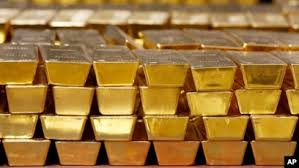
Definition of African Gold Bars
African gold bars are physical bullion products made from gold mined in various African countries such as Ghana, Uganda, Tanzania, South Africa, and Mali. These bars are produced after raw gold ore is extracted from mines and smelted and refined to remove impurities and increase purity. In many African markets, gold bars are available in both refined and semi-refined forms, depending on the level of processing carried out by local refineries or smelting facilities.
Refined gold bars are typically processed to very high purity levels, often 99.5% to 99.99% (24K gold), making them suitable for international trading, investment, and storage in bullion markets. These bars are usually stamped with important details such as weight, purity, refinery mark, and serial number, which help verify authenticity and quality.
On the other hand, semi-refined gold bars are partially processed gold that still contains small amounts of other minerals or metals. These bars typically require further refining before reaching full investment-grade purity and are commonly traded among miners, local dealers, and refineries. Semi-refined gold is often exported to international refineries where it undergoes further purification to meet global bullion standards.
Gold Purity Levels Found in Africa
| Gold Purity | Purity Percentage | Description | Common Use in Africa |
| 24K Gold Bars | 99.99% Pure Gold | 24K gold is the highest purity level of gold available and is considered investment-grade bullion. It contains almost no other metals and is typically produced by refineries after full purification of mined gold. These bars are usually stamped with weight, purity, and refinery marks. | Mostly used for investment, international gold trading, central bank reserves, and large bullion purchases. Commonly exported from countries such as Uganda, Ghana, Tanzania, and South Africa. |
| 22K Gold Bars | 91.6% Pure Gold | 22K gold contains 91.6% pure gold mixed with small amounts of other metals, such as copper or silver, to increase durability. While still very valuable, it is slightly stronger than 24K gold due to these added metals. | Often used for gold jewelry production, regional trading, and some small investment bars in African markets. |
| 18K Gold Bars | 75% Pure Gold | 18K gold contains 75% pure gold and 25% other metals, making it more durable and resistant to scratching or bending. Because of this strength, it is widely used in the jewelry industry. | Primarily used for jewelry manufacturing, decorative gold products, and local retail markets rather than large-scale bullion investment. |
Common Gold Bar Sizes Available in Africa
| Gold Bar Size | Weight (Grams) | Weight (Kilograms) | Description | Common Buyers |
| 1 Gram Gold Bar | 1 g | 0.001 kg | A small investment gold bar is often purchased by individual investors who want an affordable entry into the gold market. | Small investors, collectors, retail buyers |
| 10 Gram Gold Bar | 10 g | 0.01 kg | A popular small bullion size that is easy to trade and store. Often produced by refineries for retail investment. | Retail investors and small gold traders |
| 50 Gram Gold Bar | 50 g | 0.05 kg | Medium-sized gold bar that balances affordability with higher gold value. Often used by investors who want more gold without buying large bars. | Individual investors and jewelry manufacturers |
| 100 Gram Gold Bar | 100 g | 0.1 kg | One of the most common investment gold bar sizes sold in international bullion markets. Easy to store and trade. | Investors, gold dealers, and bullion traders |
| 500 Gram Gold Bar | 500 g | 0.5 kg | A larger bullion bar is typically purchased by serious investors or gold dealers looking for higher-value transactions. | Gold traders and institutional buyers |
| 1 Kilogram Gold Bar | 1,000 g | 1 kg | The most common large gold bullion bar is traded internationally. Usually refined to 99.99% purity (24K) and used for wholesale gold trading. | International investors, gold exporters, bullion dealers
|
-
factors to consider When buying African gold bars
- Gold Purity and Quality:
One important factor to consider when buying African gold bars is the purity and quality of the gold. Gold purity is usually measured in karats or fineness, with 24K gold being the purest at about 99.9%. Buyers should always request an assay certificate or refinery report to confirm the purity of the gold before making a purchase. - Supplier Reputation and Licensing:
Another key factor is the reputation and licensing of the gold supplier. Buyers should ensure that the seller is a legally registered company with proper mining or trading licenses. Working with a reputable and licensed gold dealer helps reduce the risk of fraud and ensures that the gold is sourced legally. - Gold Pricing and Market Value:
The price of gold should always be compared with the current international market price, commonly known as the spot price. Buyers should be cautious if the price offered is extremely low because it may indicate a scam or low-quality gold. Understanding market prices helps buyers make informed investment decisions. - Export Documentation and Legal Compliance:
Proper documentation is essential when purchasing African gold bars, especially for international buyers. Important documents such as an export permit, certificate of origin, and assay certificate help verify that the gold is legally mined and approved for export. Without these documents, transporting the gold across borders can become difficult. - Security, Delivery, and Payment Terms:
Security and payment arrangements are also important when buying gold bars. Buyers should clearly understand how the gold will be delivered, insured, and transported. It is also important to agree on secure payment methods, such as bank transfers or escrow services, to protect both the buyer and the seller during the transaction.
Top Countries Producing African Gold Bars
- Ghana – Ghana is the largest gold producer in Africa and one of the most important suppliers of gold bars to international markets. The country has well-established mining operations and licensed refineries that produce high-quality gold bars for export and investment purposes.
- South Africa – South Africa has historically been one of the world’s leading gold producers, with deep underground mines and advanced refining facilities. The country continues to supply refined gold bullion that meets international purity standards.
- Tanzania – Tanzania is one of East Africa’s major gold producers, with several large mining projects and increasing gold refining capacity. Gold bars produced in Tanzania are widely traded both regionally and globally.
- Uganda – Uganda has become a growing gold trading hub in East Africa, with gold sourced from local and neighboring countries and processed through licensed refineries. The country exports significant quantities of gold bars to global buyers.
- Mali – Mali is among the top gold-producing nations in West Africa, with large-scale mining operations contributing significantly to the country’s economy and gold exports.
- Democratic Republic of Congo (DRC) – The DRC has abundant gold reserves, particularly from artisanal and small-scale mining sectors, which contribute to the supply of raw and semi-refined gold bars in the African market.
- Burkina Faso – Burkina Faso has rapidly developed its gold mining industry over the past decade and is now considered one of the key gold-producing countries in West Africa.
8. Sudan – Sudan is also a significant gold producer in Africa, with gold mining being one of the country’s major sources of export revenue and an important contributor to the regional gold supply.
24K Gold Bar Price per Gram in Africa
The price of 24K gold bars in Africa is influenced by the global gold market, usually based on the London Bullion Market Association (LBMA) spot price. However, the final price buyers pay can vary depending on factors such as purity verification, refinery costs, export taxes, transportation, and dealer margins. In many African gold trading hubs such as Uganda, Ghana, Tanzania, and Kenya, wholesale buyers often purchase gold bars at a discount of 2%–5% below the international spot price when buying in large quantities. As of recent market trends, the average 24K gold price in Africa is around $130 per gram, though this can fluctuate daily depending on global demand, currency exchange rates, and local supply conditions.
African Gold Price Table (1g – 1kg)
| Gold Bar Weight | Weight in Grams | Estimated Price (USD) | Description |
| 1 Gram Gold Bar | 1 g | $130 | A small investment gold bar is commonly purchased by retail investors. |
| 5 Gram Gold Bar | 5 g | $650 | Popular small bullion size for individual investors and collectors. |
| 10 Gram Gold Bar | 10 g | $1,300 | Frequently traded gold bar size in retail bullion markets. |
| 50 Gram Gold Bar | 50 g | $6,500 | Medium investment gold bar used by private investors and traders. |
| 100 Gram Gold Bar | 100 g | $13,000 | Common bullion bar for investors and small gold dealers. |
| 500 Gram Gold Bar | 500 g | $65,000 | A large gold bar is typically purchased by professional traders and gold companies. |
| 1 Kilogram Gold Bar | 1,000 g (1 kg) | $130,000 | Standard wholesale gold bar used in international gold trading and investment markets. |
Note: Prices are estimated averages based on a 24K gold rate of approximately $130 per gram and may change depending on market conditions, dealer pricing, and global gold price fluctuations.
Factors Affecting African Gold Prices
- Global Gold Market (LBMA Spot Price)
The primary factor influencing African gold prices is the international gold price, set by global trading centers such as the London Bullion Market Association (LBMA). Since gold is traded globally, any increase or decrease in the international spot price directly affects the price of gold bars sold in African markets. - Gold Purity and Refining Costs
The purity level of gold, such as 24K (99.99%), 22K, or 18K, plays an important role in determining its value. Higher purity gold bars are more expensive because they contain a greater percentage of pure gold. Additionally, refining costs involved in processing raw gold into investment-grade bullion can influence the final selling price. - Government Taxes and Export Regulations
Many African countries impose royalties, export taxes, and regulatory fees on gold production and trading. These charges, along with licensing and compliance costs, can affect the final price buyers pay when purchasing gold for export or international investment. - Supply, Demand, and Mining Production
Local mining production levels and market demand can also influence gold prices in Africa. When gold supply from mines increases, prices may become more competitive, while limited supply or higher global demand can push prices higher in regional markets.
Where to Buy African Gold Bars Safely
| Buying Option | Description | Advantages | Important Tips for Buyers |
| Licensed Gold Dealers | Licensed gold dealers are registered companies that legally trade gold bars and bullion in African countries such as Uganda, Ghana, and Tanzania. These dealers usually work with mines and refineries to supply verified gold bars. | Provides legal transactions, verified gold purity, and proper export documentation. | Always confirm the dealer’s license, company registration, and export permits before making a purchase. |
| Gold Refineries | Gold refineries process raw gold into high-purity bullion bars such as 24K (99.99%) gold bars. Many refineries sell directly to investors and large buyers. | High purity gold, refinery certification, and internationally accepted bullion standards. | Request refinery certificates, assay reports, and stamped gold bars showing purity and weight. |
| Gold Mining Companies | Some large mining companies sell gold directly to approved buyers or dealers after extraction and refining. These transactions are usually done in bulk quantities. | Direct access to gold supply and often competitive wholesale pricing. | Ensure the transaction follows government regulations and official export procedures. |
| Trusted Gold Trading Companies | International and regional gold trading companies act as intermediaries between miners, refineries, and international buyers. They help facilitate secure transactions and export logistics. | Assistance with verification, logistics, export documentation, and secure delivery. | Work with reputable companies that provide clear contracts, inspection procedures, and payment terms. |
| Government-Approved Gold Markets | Some African countries operate official gold trading centers or government-approved markets where licensed dealers buy and sell gold. | Regulated environment and greater transparency in gold transactions. | Buyers should verify the legal framework and market regulations before trading. |
Licensed Gold Dealers in Africa
| Country | Licensed Dealer | Location / Headquarters | Services Offered | Key Notes for Buyers |
| Ghana | Movenpick Gold Ltd | Accra | Sale of 24K and 22K gold bars, investment gold, and export services | Verify Ghana Minerals Commission license and request official assay certificates. |
| Uganda | Gold Buyers Africa | Kampala | 24K gold bars, wholesale bullion, export assistance, secure transactions | Provides assay reports and international shipping for buyers. |
| South Africa | Rand Refinery | Germiston, Johannesburg | Refined 24K gold bars, investment-grade bullion, LBMA-certified products | Offers internationally recognized LBMA-certified gold bars for global buyers. |
| Tanzania | Tanzanian Gold Refineries Ltd | Dar es Salaam | Refined gold bars, wholesale trading, export facilitation | Ensure compliance with Tanzania Mines and Minerals regulations. |
| Mali | Société des Mines de Loulo | Bamako | Gold bullion supply, export documentation, and mining partnerships | Works under government mining licenses; recommended for bulk purchases. |
| Kenya | African Gold Refinery Ltd | Nairobi | 24K gold bars, investment gold, assay, and purity verification | Offers verified gold bars with export documentation for international buyers. |
| DRC | Kibali Gold Operations | Bunia / Kinshasa | Semi-refined and refined gold, export support | Buyers must confirm compliance with DRC mining and export laws. |
| Burkina Faso | Semafo Gold Company | Ouagadougou | Refined gold bars, wholesale gold sales | Check mining permits and official export certification before purchasing. |
Gold Refineries Selling Gold Bars in Africa
| Country | Refinery Name | Location | Gold Bar Purity | Services Offered | Notes for Buyers |
| South Africa | Rand Refinery | Germiston, Johannesburg | 24K (99.99%) | Refined gold bars, LBMA-certified bullion, assay reports, export services | Globally recognized; ideal for international buyers requiring certified gold bars |
| Uganda | Niton Trading / Local Refineries | Kampala, Entebbe | 24K & 22K | Refining, assay certificates, export facilitation | Works with licensed dealers; suitable for wholesale and investment gold |
| Ghana | Movenpick Gold Refinery | Accra | 24K | Refined bullion bars, wholesale supply, export documentation | Verify the Ghana Minerals Commission license before purchase |
| Tanzania | Tanzanian Gold Refineries Ltd | Dar es Salaam | 24K & 22K | Refined gold bars, wholesale trading, assay reports, export assistance | Recommended for large-scale buyers; ensure compliance with mining laws |
| Kenya | African Gold Refinery Ltd | Nairobi | 24K | 24K gold bars, verification reports, export services | Provides certified bullion for retail and wholesale buyers |
Trusted Online African Gold Suppliers
| Supplier Name | Country | Platform / Website | Products Offered | Key Advantages | Buyer Tips |
| Gold Buyers Africa | Uganda | www.goldbuyersafrica.com | 24K & 22K gold bars, wholesale bullion, investment gold | Trusted for secure payments, verified assay reports, and export support | Confirm serial numbers and assay certificates before purchase |
| Movenpick Gold Ltd | Ghana | Online ordering via the official site | 24K gold bars, small investment bars | Offers official licenses, export documents, and verified gold purity | Always verify the company registration and the Ghana Minerals Commission license |
| African Gold Refinery Ltd | Kenya | Online & offline | 24K gold bars, investment-grade bullion | Provides certified gold bars and export facilitation | Ensure official invoices and export permits are provided |
| Rand Refinery | South Africa | Online wholesale inquiries | LBMA-certified 24K gold bars | Internationally recognized, high-purity gold for large investors | Best for institutional buyers and global shipments |
| Tanzanian Gold Refineries Ltd | Tanzania | Online & direct contact | 24K & 22K gold bars, assay certificates | Offers wholesale trading and official export documentation | Buyers should check mining and export compliance |
How to Buy African Gold Bars (Step-by-Step Guide)
- Research Licensed Dealers and Refineries – Start by identifying reputable gold dealers, refineries, and online suppliers in Africa. Focus on companies that are licensed, verified, and have positive reviews to ensure you are buying authentic gold.
- Check Gold Purity and Certification – Confirm the gold bar’s purity, such as 24K (99.99%), and request assay certificates, refinery stamps, and serial numbers. This guarantees you are purchasing investment-grade bullion.
- Compare Prices and Market Rates – Review current African gold bar prices per gram and for various bar sizes (1g–1kg). Compare multiple dealers to find competitive rates while factoring in taxes, refining fees, and shipping costs.
- Verify Legal Compliance and Export Requirements – Ensure all transactions comply with local mining and export regulations, including government permits, export taxes, and customs documentation, especially if you plan to ship gold internationally.
- Arrange Secure Payment and Delivery – Use trusted payment methods such as bank transfers or escrow services and confirm secure logistics for delivery. For large orders, consider professional secure shipping and insurance to protect your investment.
- Inspect Gold Upon Receipt – When receiving the gold bars, verify that the weight, purity, and serial numbers match the provided certificates. Consider professional testing or an independent assay to confirm authenticity.
- Store Gold Safely – After purchase, store your gold in a secure safe, vault, or licensed bullion storage facility to protect your investment from theft, damage, or loss.
common mistakes people make when buying gold bars in Africa
| Mistake | Description |
|---|---|
| Not Verifying Gold Purity | Many buyers fail to confirm the purity of the gold before purchasing. Without an assay certificate or refinery report, it is difficult to verify whether the gold is truly 24K or of lower quality. |
| Buying from Unlicensed Dealers | Some buyers purchase gold from individuals or companies that are not legally registered. This can lead to fraud, confiscation by authorities, or receiving illegally sourced gold. |
| Ignoring Export Documentation | A common mistake is purchasing gold without checking for proper export documents such as an export permit, certificate of origin, and customs clearance papers. Missing documents can cause serious problems during transportation or international trade. |
| Paying Large Upfront Payments Without Verification | Some buyers send large deposits before verifying the gold, the seller, or the transaction process. This increases the risk of scams and financial losses. |
| Not Comparing Gold Prices with the Global Market | Buyers sometimes accept prices that are too low or too high without checking the international gold spot price. Extremely cheap gold offers can often be a sign of fraud or poor-quality gold. |
Note: Always conduct proper due diligence, verify documents, and work with trusted gold dealers to ensure a safe and secure gold transaction in Africa.
Exporting African Gold Bars
Required Documents for Gold Export
Exporting gold bars from Africa requires proper documentation to ensure legal compliance and smooth international transactions. Key documents typically include:
- Export License / Permit – Issued by the country’s mining authority or government to authorize legal export of gold.
- Invoice / Purchase Agreement – Official document showing buyer and seller details, gold quantity, and price.
- Assay Certificate – Certifies the gold’s purity, weight, and authenticity, usually issued by a licensed refinery.
- Refinery or Serial Number Documentation – Details the stamped serial numbers on gold bars to verify traceability.
- Customs Declaration – Required for international shipping, detailing shipment contents and value.
- Shipping Insurance Papers – Protects the gold during transit against loss, theft, or damage.
These documents are mandatory in countries like Uganda, Ghana, South Africa, and Tanzania to ensure compliance with mining, export, and international trade regulations.
CIF vs FOB Gold Shipping Explained
| Shipping Term | Full Form | Description | Key Considerations for Gold Buyers |
| CIF | Cost, Insurance, and Freight | The seller is responsible for shipping, insurance, and freight charges until the gold reaches the buyer’s port of destination. | Buyer receives gold at their port without arranging insurance or shipping. Costs are included in the total price. Ideal for first-time buyers or those unfamiliar with logistics. |
| FOB | Free on Board | The seller delivers gold to the port, and the buyer assumes responsibility for shipping, insurance, and freight from that point onward. | Buyer handles logistics, insurance, and freight costs. Provides more control over shipping but requires experience with international shipping and customs clearance. |
Gold Export Taxes in Africa
| Country | Export Tax (Refined Gold) | Export Tax (Semi-Refined/Raw Gold) | Royalty Fees / Notes |
| Ghana | 0.5% – 1% | Up to 3% | Royalties vary depending on mine ownership and production scale. |
| Uganda | 5% | High, to encourage refining locally | Buyers often need to provide refinery certificates for lower tax rates. |
| South Africa | 0% – 1% | N/A | Mainly regulated through licensing, exported gold is often LBMA-certified. |
| Tanzania | ~2% | Variable | Mining royalties apply; large miners must refine a portion locally as per 2026 regulations. |
| Kenya | ~2% | Variable | Export taxes depend on the type of gold; buyers must comply with the Kenya Mines and Minerals Act. |
| Mali | 0.5% – 2% | Variable | Export taxes are applied according to the government mining code. |
Note: Export taxes and royalties vary depending on gold form, local mining laws, and government policies. Buyers should always confirm updated regulations before exporting gold bars.
Benefits of Buying Gold Bars from Africa
- Access to High-Purity Gold – African gold bars, especially from countries like Ghana, South Africa, Uganda, and Tanzania, are often refined to 24K (99.99%) purity, making them ideal for investment and international trading.
- Competitive Prices – Gold bars sourced directly from African mines or licensed refineries often come at lower prices than imported bullion, giving buyers better value while maintaining high quality.
- Diverse Bar Sizes for Investment – Africa offers gold bars in various sizes, from 1 gram for small investors to 1 kilogram for institutional buyers, allowing flexibility in investment strategies.
- Growing Investment Opportunities – With Africa’s expanding mining industry and increasing global demand, buying African gold bars presents long-term wealth preservation and portfolio diversification.
- Reliable and Licensed Suppliers – Many African countries have regulated gold markets, licensed dealers, and certified refineries, ensuring that buyers receive genuine and verified gold bars with proper documentation.
- Export and International Trading Potential – African gold bars are widely accepted in global bullion markets, making it easy for investors to export, trade, or sell internationally with proper export permits and assay certificates.
- Support for Local Mining Economies – Purchasing African gold supports local miners, refineries, and economies, contributing to sustainable mining practices and regional economic growth.
- Secure Investment Asset – Physical gold bars from Africa provide tangible, stable, and hedge-friendly investments, offering protection against currency fluctuations, inflation, and economic instability.
Risks When Buying African Gold Bars
| Risk Type | Description | How to Mitigate |
| Fraud and Scams | Some sellers may offer fake, underweight, or unverified gold bars, especially to international buyers. | Buy only from licensed dealers, certified refineries, and trusted suppliers. Always request assay certificates and serial numbers. |
| Purity Issues | Semi-refined or untested gold bars may contain impurities, lowering the actual gold content and value. | Verify purity through independent assayers, check refinery stamps, and request official certification documents. |
| Legal and Export Compliance Risks | Buying or exporting gold without proper permits or documentation can lead to legal penalties, confiscation, or delays. | Ensure all transactions comply with local mining and export laws; obtain export licenses and customs approvals. |
| Price Volatility | Gold prices fluctuate daily due to global market conditions, affecting the value of purchased gold bars. | Monitor current gold prices (LBMA spot price) and plan purchases strategically to minimize risk. |
| Shipping and Delivery Risks | Gold bars shipped internationally can be lost, stolen, or damaged if not properly insured or secured. | Use insured shipping, verified logistics companies, and track shipments carefully. |
| Counterfeit Documentation | Fake assay certificates, invoices, or serial numbers can mislead buyers about authenticity. | Always cross-check documents with refineries, and use trusted, verifiable sources for purchases. |
| Political and Economic Risks | Unstable political environments or changes in mining/export policies can affect gold availability and pricing. | Research the political and economic stability of the gold-producing country before investing. |
Tips for Investing in African Gold Bars
- Buy from Licensed and Verified Dealers – Always purchase gold bars from officially licensed dealers, certified refineries, or trusted online suppliers to ensure authenticity and avoid fraud.
- Check Purity and Certification – Confirm the gold’s purity level (such as 24K or 22K) and request assay certificates, serial numbers, and refinery stamps for verification.
- Compare Prices and Market Rates – Monitor the current African and global gold prices, and compare multiple sellers to get competitive rates while considering taxes, refining fees, and shipping costs.
- Understand Legal and Export Requirements – Ensure compliance with local mining regulations, export permits, and customs documentation, especially if planning international shipping.
- Diversify Gold Bar Sizes – Invest in a range of bar sizes, from small 1–10 gram bars for flexibility to larger 100g–1kg bars for long-term wealth accumulation.
- Secure Safe Storage – Store gold in a licensed vault, bank safe, or secure home storage to protect your investment from theft, damage, or loss.
- Consider Global Market Trends – Keep an eye on international gold demand, currency fluctuations, and economic factors that may affect gold prices in Africa.
- Plan Long-Term Investments – Treat African gold bars as a long-term, tangible asset for wealth preservation, portfolio diversification, and protection against inflation.
- Request Transparent Documentation – Always obtain invoices, export papers, and shipping insurance to ensure complete transparency in transactions.
- Work with Experienced Advisors – If new to African gold trading, seek guidance from experienced dealers, brokers, or gold trading companies to navigate the market safely.
Frequently Asked Questions About African Gold Bars
- What are African gold bars?
African gold bars are physical bullion products made from gold mined in Africa. They can be refined (24K) or semi-refined and are used for investment, trading, and export. - Which African countries produce the most gold bars?
Top producers include Ghana, South Africa, Tanzania, Uganda, Mali, Burkina Faso, and the DRC, supplying both regional and international markets. - What purity levels are available for African gold bars?
Common purity levels include 24K (99.99%), 22K (91.6%), and 18K (75%), with 24K being the most widely traded for investment purposes. - What sizes do African gold bars come in?
Sizes range from 1 gram, 5g, 10g, 50g, 100g, 500g, up to 1 kilogram, catering to both small investors and wholesale buyers. - How much is 1 gram of 24K gold in Africa today?
Prices vary by country and dealer, but the average price per gram is around $130, depending on global gold rates and local market conditions. - Where can I buy African gold bars safely?
Buy from licensed dealers, certified refineries, government-approved gold markets, and trusted online suppliers with proper documentation. - What documents are required to export African gold bars?
Key documents include export licenses, invoices, assay certificates, refinery stamps, customs declarations, and shipping insurance. - What is the difference between CIF and FOB shipping?
CIF (Cost, Insurance, Freight) means the seller covers shipping and insurance to the buyer’s port. FOB (Free on Board) means the buyer assumes responsibility for shipping and insurance after the gold leaves the seller’s port. - Are African gold bars good for investment?
Yes, they are high-purity, tangible assets suitable for long-term wealth preservation, portfolio diversification, and protection against inflation. - How can I verify the authenticity of African gold bars?
Check refinery stamps, serial numbers, and assay certificates, and consider independent testing or verification by trusted professionals. - Do African countries impose export taxes on gold bars?
Yes, taxes vary by country. For example, Uganda charges 5% on refined gold, Ghana 0.5–1%, and Tanzania ~2%, with additional royalties for semi-refined gold. - Can I buy gold bars online from Africa?
Yes, some licensed online suppliers and trading companies provide verified African gold bars with export and shipping support. - What risks should I be aware of when buying African gold bars?
Risks include fraud, counterfeit bars, purity issues, price volatility, legal non-compliance, and shipping risks. Always verify dealers and documents. - How should I store African gold bars?
Store in secure safes, licensed vaults, or bank facilities to protect against theft, loss, or damage. Insurance is also recommended. - Can I sell African gold bars internationally?
Yes, but you must provide export permits, assay certificates, and comply with both the exporting and importing countries’ regulations for legal international trade.
Conclusion
African gold bars are among the most sought-after precious metal investments in the global market. With Africa being home to some of the world’s richest gold reserves, many investors and traders look to the continent for high-quality 24K gold bars at competitive prices. However, successful gold buying requires careful verification of gold purity, trusted suppliers, proper export documentation, and secure payment procedures. By conducting proper research and working with licensed dealers, buyers can safely access profitable opportunities in the African gold market while minimizing risks.
Call to Action
If you are planning to buy authentic African gold bars, it is important to work with trusted and experienced suppliers who understand the international gold trade and export requirements. You can visit www.goldpricesinafrica.com to check the latest African gold prices, market insights, and trusted gold sourcing information.
Start exploring the African gold market today and connect with reliable dealers to secure high-quality 24K gold bars with proper documentation and safe delivery options.