24K vs 22K Gold Price in Africa 2026 | Which is Better to Buy
In a continent that produces over 25% of the world’s gold, Africa remains a hotspot for investors seeking tangible wealth. The choice between 24K and 22K gold is no longer just about the shine or aesthetic appeal it is a strategic financial decision that can significantly impact long-term returns. From the gold trading hubs of Nairobi in Kenya, Accra in Ghana, Johannesburg in South Africa, to Kampala in Uganda, prices fluctuate daily, influenced by global market trends, local supply, currency exchange rates, and regulatory frameworks.
As an investor in 2026, understanding the price spread, purity levels, and market dynamics is critical for securing maximum value while minimizing risk. 24K gold offers pure, globally recognized investment-grade value, while 22K gold provides durability and versatility for jewelry and trade within African markets. Making the wrong choice can mean paying a premium for lower resale potential or missing out on a highly liquid, high-demand asset.
This guide will provide you with actionable insights, verified market data, and practical tips to confidently navigate the African gold market. Whether you are buying physical gold bars, coins, or jewelry, this comprehensive overview equips you to make decisions that protect and grow your wealth. By the end of this article, you will clearly understand which gold type suits your investment strategy, how to spot trustworthy dealers, and how to leverage 2026 market trends for maximum returns.
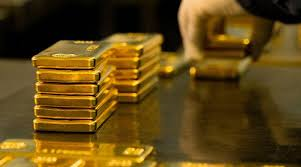
What is 24K Gold? (Pure Gold Explained)
24K gold is the purest form of gold available on the market, with a purity level of 99.9%. This means it contains almost no impurities or added metals, making it highly valuable and globally recognized.
Unlike lower karats such as 22K or 18K, 24K gold has no alloys mixed into it. It is composed entirely of gold, which gives it its distinct bright yellow color and soft texture. Because of its softness, 24K gold is not commonly used for jewelry that is worn daily. Instead, it is primarily used for:
- Gold bars (1g to 1kg and above)
- Gold coins
- Investment-grade bullion
For serious investors and international buyers, purity is everything—and 24K gold offers the highest level of trust and value.
Current 24K Gold Price in Africa (Per Gram to 1kg)
Gold prices in Africa vary slightly by country due to factors like taxes, logistics, and dealer premiums. However, Africa generally offers more competitive rates compared to global trading hubs.
Below is an estimated 2026 price range based on market averages:
| Country | Price per Gram (USD) | 100g Gold Bar (USD) | 1kg Gold Bar (USD) |
| Uganda | $125 – $132 | $12,500 – $13,200 | $125,000 – $132,000 |
| Ghana | $126 – $133 | $12,600 – $13,300 | $126,000 – $133,000 |
| Kenya | $127 – $134 | $12,700 – $13,400 | $127,000 – $134,000 |
| Tanzania | $125 – $132 | $12,500 – $13,200 | $125,000 – $132,000 |
| South Africa | $128 – $135 | $12,800 – $13,500 | $128,000 – $135,000 |
note:
African gold prices are often closer to the global spot price, making them attractive for bulk buyers and exporters looking to reduce costs and increase margins.
Why Investors Prefer 24K Gold Bars
24K gold bars are the top choice for serious investors and international buyers for several important reasons:
1. High Resale Value
Because of its 99.9% purity, 24K gold commands the highest resale value in global markets. Buyers, refineries, and financial institutions prefer pure gold since it requires no additional refining.
2. International Acceptance
24K gold bars are universally recognized and accepted. Whether you are selling in Dubai, Europe, Asia, or the USA, pure gold is easy to trade without complications. Most international markets require gold to meet LBMA (London Bullion Market Association) standards, which align closely with 24K purity.
3. Best for Export and Bulk Trading
For exporters and large-scale buyers, 24K gold is the most efficient form of gold trade. It simplifies:
- Customs clearance
- Assay verification
- Pricing negotiations
Additionally, countries like the UAE (Dubai) offer favorable conditions, such as the Reverse Charge Mechanism (VAT advantage), making 24K gold even more profitable when exported from Africa.
What is 22K Gold? (Jewelry & Mixed Gold )
22K Gold Composition and Durability
22K gold is a high-purity gold commonly used for jewelry, made up of 91.6% pure gold and 8.4% other metals (alloys) such as copper, silver, or zinc.
These added metals make 22K gold stronger and more durable than 24K gold, which is naturally soft. This is why 22K is widely used in:
- Rings, necklaces, and bangles
- Traditional and luxury jewelry
- Items designed for daily or occasional wear
While it still maintains a rich golden color, 22K gold is more resistant to scratches and bending, making it practical without losing much value.
22K Gold Price in Africa (Updated Rates)
Since 22K gold contains less pure gold than 24K, its price is slightly lower, but still closely follows global gold market trends.
Below is a 2026 estimated price comparison between 22K and 24K gold across key African markets:
| Country | 24K Price/Gram (USD) | 22K Price/Gram (USD) | Price Difference |
| Uganda | $125 – $132 | $114 – $121 | ~$10 – $12 less |
| Ghana | $126 – $133 | $115 – $122 | ~$10 – $12 less |
| Kenya | $127 – $134 | $116 – $123 | ~$10 – $12 less |
| Tanzania | $125 – $132 | $114 – $121 | ~$10 – $12 less |
| South Africa | $128 – $135 | $117 – $124 | ~$10 – $12 less |
note:
22K gold is typically 8–10% cheaper than 24K gold, reflecting its lower purity. However, pricing may include additional jewelry-making charges, especially in retail markets.
When Should You Buy 22K Gold?
22K gold is ideal in situations where durability and design matter more than maximum purity. Here’s when it makes the most sense:
| Use Case | Why 22K Gold is Ideal |
| Jewelry Purchase | Stronger than 24K, suitable for daily wear without easily bending |
| Cultural/Traditional Jewelry | Preferred in many African, Middle Eastern, and Asian markets |
| Local Resale Markets | Easier to resell in local jewelry markets where 22K is standard |
| Affordable Luxury | Slightly cheaper than 24K while still maintaining high gold value |
Quick Comparison: 22K vs 24K Gold
| Feature | 24K Gold (Pure) | 22K Gold (Jewelry) |
| Purity | 99.9% | 91.6% |
| Strength | Soft | More durable |
| Best Use | Investment, bars | Jewelry |
| Price | Higher | Slightly lower |
| Resale (Global) | Very high | High (mostly local) |
note:
If your goal is investment or export, 24K gold is the better choice. But if you are buying jewelry for use or local resale, 22K gold offers the perfect balance between purity, strength, and affordability.
24K vs 22K Gold Price Comparison in Africa
Understanding the price difference between 24K and 22K gold is essential for both investors and jewelry buyers. While both follow the global gold market, the variation in purity directly affects their value.
In 2026, 22K gold is typically 5%–10% cheaper than 24K gold, reflecting its 91.6% purity compared to 99.9% in 24K.
Price Difference Per Gram, Ounce, and Kg
Below is a clear comparison based on the average 2026 market prices in Africa:
| Measurement | 24K Gold Price (USD) | 22K Gold Price (USD) | Price Difference (USD) | % Difference |
| Per Gram | $130 | $118 – $122 | $8 – $12 | 6% – 9% |
| Per Ounce (31.1g) | $4,043 | $3,670 – $3,794 | $249 – $373 | 6% – 9% |
| Per 100g | $13,000 | $11,800 – $12,200 | $800 – $1,200 | 6% – 9% |
| Per 1kg | $130,000 | $118,000 – $122,000 | $8,000 – $12,000 | 6% – 9% |
note
- The price gap directly reflects purity, not market inefficiency
- 24K gold = maximum value + global liquidity
- 22K gold = slightly lower price + better durability for jewelry
For bulk buyers and exporters, even a 5%–10% difference per kilogram can translate into thousands of dollars in margin, which is why understanding this comparison is critical before making a purchase.
Note. “If your goal is international resale or export to markets like Dubai, always prioritize 24K gold. But if you are targeting jewelry resale or local markets, 22K gold can offer better flexibility and demand.”
Country-by-Country Price Comparison Table
Gold prices across Africa remain closely tied to the global spot price, with slight variations due to taxes, logistics, and dealer premiums. Below is a comparative table of 24K vs 22K gold prices across African markets to help buyers identify the best sourcing locations.
| Country | 24K Price/Gram (USD) | 22K Price/Gram (USD) | 24K Price (1kg) USD | 22K Price (1kg) USD | Market Insight |
| Uganda | $125 – $132 | $114 – $121 | $125,000 – $132,000 | $114,000 – $121,000 | Strong export hub, competitive pricing |
| Ghana | $126 – $133 | $115 – $122 | $126,000 – $133,000 | $115,000 – $122,000 | Mature gold market, high global demand |
| Kenya | $127 – $134 | $116 – $123 | $127,000 – $134,000 | $116,000 – $123,000 | Regional trading hub, slightly higher premiums |
| Tanzania | $125 – $132 | $114 – $121 | $125,000 – $132,000 | $114,000 – $121,000 | Close to mining sources, stable pricing |
| South Africa | $128 – $135 | $117 – $124 | $128,000 – $135,000 | $117,000 – $124,000 | Highly regulated, globally recognized market |
| DR Congo (DRC) | $124 – $131 | $113 – $120 | $124,000 – $131,000 | $113,000 – $120,000 | Lower entry prices require due diligence |
| Mali | $124 – $130 | $113 – $119 | $124,000 – $130,000 | $113,000 – $119,000 | Emerging export market, competitive rates |
| Burkina Faso | $123 – $129 | $112 – $118 | $123,000 – $129,000 | $112,000 – $118,000 | Lower premiums, growing mining sector |
Key Insights for Buyers and Investors
- Lowest Prices: Burkina Faso, Mali, and DRC often offer slightly lower entry points
- Best Stability: Ghana and South Africa provide more regulated and secure transactions
- Best Balance (Price and Access): Uganda and Tanzania are ideal for both pricing and export logistics
Why 24K Gold is Slightly More Expensive
24K gold is the purest form of gold, containing 99.9% pure gold, which makes it more valuable than lower-karat options like 22K. Its higher purity means it is rarer, retains its value better over time, and is easier to trade internationally, making it the preferred choice for investors and serious buyers. Additionally, refining gold to achieve 24K requires extra processing to remove impurities, which slightly raises production costs. Combined with strong market demand, especially in Asia and the Middle East, these factors make 24K gold slightly more expensive but also a safer and smarter investment for long-term wealth.
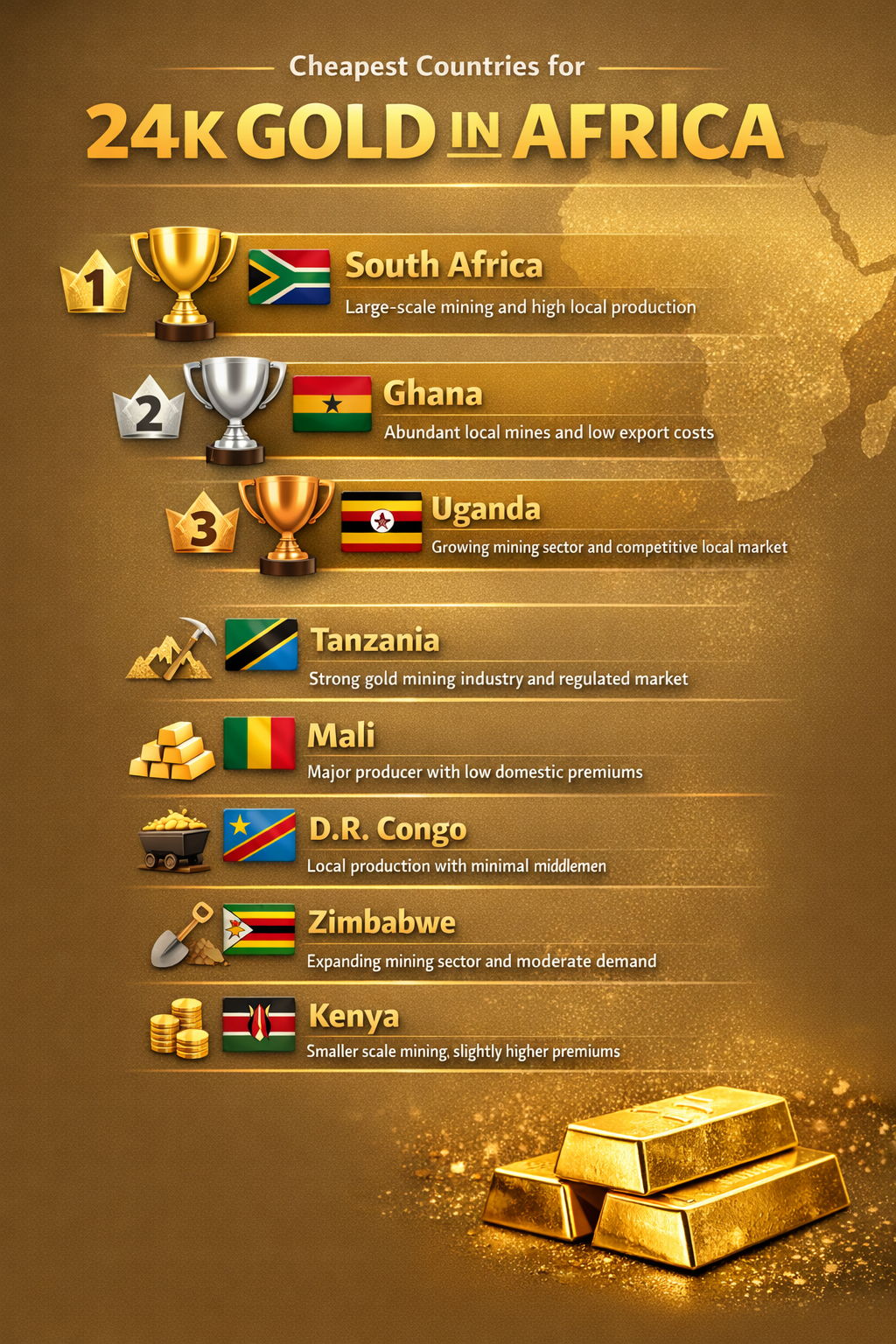
The cheapest countries for 24K gold in Africa
| Rank | Country | Notes / Reason for Low Price |
| 1 | South Africa | Large-scale mining and high local production |
| 2 | Ghana | Abundant local mines and low export costs |
| 3 | Uganda | Growing mining sector and competitive local market |
| 4 | Tanzania | Strong gold mining industry and a regulated market |
| 5 | Mali | Major producer with low domestic premiums |
| 6 | Democratic Republic of Congo (DRC) | Local production with minimal middlemen |
| 7 | Zimbabwe | Expanding mining sector and moderate demand |
| 8 | Kenya | Smaller-scale mining, slightly higher premiums |
FACTORS THAT AFFECT GOLD PRICES IN AFRICA
- Global Market Prices: Gold prices in Africa are closely linked to international gold markets, especially the London Bullion Market and New York COMEX. When global prices rise or fall, African gold prices generally follow.
- Supply and Production: Countries with large-scale gold mining and high production, like South Africa and Ghana, often have slightly lower local gold prices due to abundant supply.
- Currency Fluctuations: Gold is priced in U.S. dollars, so changes in the value of local African currencies against the dollar can make gold more expensive or cheaper for local buyers.
- Demand and Investment Trends: Increased demand from jewelry makers, investors, and exporters can push prices higher. Seasonal demand, such as during festivals and weddings, also affects prices.
- Government Policies and Taxes: Import duties, export taxes, and regulations imposed by governments directly influence local gold prices. Countries with lower taxes often offer cheaper gold.
- Refining and Purity: Higher-purity gold, like 24K, requires more refining, which increases production costs and raises the market price compared to lower-karat gold.
- Political Stability and Security: Gold-producing regions affected by political instability or conflict often have higher prices due to mining risks, transportation difficulties, and supply disruptions.
How to Secure the Best Gold Rates in Africa Without the Risk
Investing in gold in Africa can be highly profitable, but the market has its risks. From fluctuating prices to unverified dealers, buyers must be cautious. Here’s a comprehensive guide to getting the best rates safely.
- Understand Gold Pricing in Africa
Gold prices are determined by:
- Purity: 24K is pure gold, 22K has alloys. Higher purity, higher price.
- Global Market Rates: African gold often follows the London Bullion Market prices plus local premiums.
- Supply and Demand: Limited availability in certain regions can raise prices.
- Currency Fluctuations: Local currency vs. USD affects cost in countries like Uganda, Kenya, or Tanzania.
Tip: Always check real-time gold rates from trusted platforms before making a purchase.
- Work Only with Licensed Gold Dealers
- Always verify if a dealer is licensed by the Ministry of Mining in their country.
- Licensed dealers provide assay certificates, invoices, and export permits.
- Avoid unverified sellers who may offer “cheaper rates” but deliver fake or substandard gold.
- Compare Prices Across Regions
Gold rates can vary by country and even by city in Africa. For example:
- Uganda and Tanzania often have competitive 24K gold prices due to active mining regions.
- South Africa and Kenya may have slightly higher rates due to local taxes and processing costs.
Tip: Compare multiple verified dealers before committing to a purchase.
- Negotiate with Transparency
- Ask for a full breakdown of costs: gold rate per gram, taxes, fees, and shipping.
- Some dealers may include hidden fees; ensure you confirm the final price in writing.
- Verify Gold Purity Before Purchase
- 24K gold should come with a certificate of purity or assay report.
- Use tools like a touchstone test, XRF machine, or acid test if buying in person.
- Use Secure Payment Methods
- Avoid cash transactions or unverified mobile money transfers.
- Use escrow services, verified bank transfers, or secure gold trading platforms.
- Always ensure that the dealer provides proof of receipt and shipment documentation.
- Check Export & Legal Compliance
- Exporting gold from Africa requires proper documentation and permits.
- Licensed dealers can provide customs clearance papers and ensure legal compliance.
- Avoid informal sellers who may offer cheaper rates but risk your investment with illegal transactions.
- Timing Matters
- Gold prices fluctuate daily based on global market trends.
- Buying when prices dip slightly or negotiating for bulk purchases can help secure better rates per gram.
- Consider Long-Term Value Over Short-Term Savings
- Don’t chase “cheap” gold; focus on verified purity and secure delivery.
- 24K gold bought at a fair rate from a licensed dealer is more valuable and easier to resell globally than cheaper, unverified alternatives.
- Partner With Trusted Suppliers
- Trusted African gold suppliers provide:
- Verified 24K, 22K, and 18K gold
- Assay reports and invoices
- Safe shipping & export compliance
- Transparent pricing and guidance
24K vs 22K Gold: Which One Should You Buy
| Feature | 24K Gold | 22K Gold |
| Purity | 99.9% pure gold | 91.6% gold, 8.4% other metals (copper, silver) |
| Color | Bright, rich yellow | Slightly paler yellow due to alloy metals |
| Durability | Soft, scratches easily | Harder, more durable for daily wear |
| Price per gram | Higher (based on global gold rates) | Slightly lower (5–10% cheaper than 24K) |
| Best Use | Investment (bullion, bars, coins) | Jewelry, rings, bangles, daily wear |
| Resale Value | Very high, globally recognized | High, but may require refining to match 24K purity |
| Weight | Heavier for the same volume | Slightly lighter due to alloy metals |
| Popularity in Africa | Preferred by investors | Preferred for jewelry & cultural gifting |
| Maintenance | Needs careful handling | Less prone to damage, easier to maintain |
Tip:
- Choose 24K gold if your goal is investment and resale value.
- Choose 22K gold if you want durable jewelry or gifts that can withstand everyday use.
- Here’s a high-converting, client-focused Step-by-Step Guide for “How to Buy Gold in Africa Safely” that you can use in your website’s section to convert visitors into buyers:
How to Buy Gold in Africa Safely (Step-by-Step Guide)
| Step | What to Do | Tips for Safety & Success |
| Step 1: Research Licensed Dealers | Only work with licensed and verified gold dealers in your country. | Check registration with the Ministry of Mining, read reviews, and verify OECD compliance if applicable. |
| Step 2: Decide the Type of Gold | Choose between 24K bars, 22K jewelry, or gold nuggets based on your goal. | Investors: 24K bars. Jewelry buyers: 22K gold for durability. |
| Step 3: Verify Gold Purity | Ask for an assay certificate or test report. | Certificates from recognized labs ensure you’re paying for real gold. |
| Step 4: Compare Prices | Check current gold rates in Africa across multiple dealers. | Use real-time price charts to avoid overpaying. |
| Step 5: Negotiate & Confirm Payment Terms | Confirm price per gram, total cost, and payment method. | Use secure payment methods such as bank transfers or escrow services. |
| Step 6: Inspect Before Receiving | Examine the gold physically or request a certified shipment inspection. | For bars, check weight, serial numbers, and purity marks. |
| Step 7: Secure Transport & Storage | Use insured shipping if buying internationally. Store in a safe or vault locally. | Consider a bank vault or private safe storage to protect your investment. |
| Step 8: Keep Documentation | Retain receipts, certificates, and shipping records. | Essential for resale, insurance claims, or export compliance. |
Note: Buying gold in Africa safely means never rushing into deals, always verifying the dealer’s license, and confirming gold purity before payment.
Documents You Need to Export Gold Safely from Africa
To export gold legally and securely, you must have:
- Mining or Export License: Proof that the gold is legally sourced.
- Assay Certificate: Confirms gold purity and weight.
- Commercial Invoice & Packing List: Details the gold type, quantity, and value.
- Customs Declaration & Export Permits: Required for international shipping.
- Insurance & Shipping Documents: Protects your gold in transit.
Pro Tip: Always work with licensed gold exporters who provide complete documentation. This ensures your gold shipment is safe, legal, and hassle-free.
Common Risks & How to Avoid Gold Scams in Africa
Buying gold can be highly profitable, but it comes with risks if proper precautions aren’t taken. Here are the main risks and how to avoid them:
| Risk | What It Means | How to Avoid |
| Fake or Low-Purity Gold | Gold sold is mixed with cheaper metals or counterfeit. | Always ask for an assay certificate from a recognized lab and verify the dealer’s license. |
| Unlicensed Dealers | Sellers without proper permits may sell illegal gold or disappear after payment. | Work only with licensed and verified dealers registered with the Ministry of Mining. |
| Overpricing or Hidden Fees | Buyers are charged above market rates or extra fees are added secretly. | Compare real-time gold prices, confirm all costs upfront, and get a written quote. |
| Fraudulent Online Deals | Scammers advertise gold online but deliver nothing or fake shipments. | Use trusted platforms, check reviews, and insist on insured shipping. |
| Shipping & Loss Risks | Gold can be lost, stolen, or seized during transport. | Always use insured shipping and retain full documentation. |
| Legal or Export Issues | Lack of proper export permits may lead to confiscation or fines. | Ensure all licenses, customs forms, and certificates of origin are in place before export. |
Note: The safest way to buy gold in Africa is through licensed dealers who provide verified documents, insured delivery, and transparent pricing. Never rush deals, and always confirm purity, price, and legality before payment.
Why Buy from Licensed Gold Dealers
When buying 24K gold in Africa, choosing a licensed and trusted dealer is the most important step to protect your investment. Here’s why:
- Guaranteed Purity & Authenticity
Licensed dealers provide assay certificates confirming the gold’s 24K purity. You can be confident you are buying real, high-quality gold without risk of adulteration. - Legal Compliance
Working with licensed dealers ensures that your purchase is fully legal, with all necessary permits, customs documents, and export certificates in place. This prevents fines, confiscation, or legal issues. - Secure Transactions
Trusted dealers offer insured shipping and verified payment options, reducing the risk of scams, theft, or lost shipments. - Market-Competitive Pricing
Licensed suppliers provide transparent pricing based on current African and global gold rates. You avoid hidden fees and overpriced deals. - Easy Resale & Liquidity
24K gold bought from licensed dealers is recognized globally, making it easy to sell or export anywhere without deductions or disputes.
Pro Tip: Always buy 24K gold from dealers who are registered with the Ministry of Mining, provide full documentation, and offer secure delivery.
Purity vs. Practicality: Which One Should You Buy Today?
When buying gold in Africa, one of the most common questions investors and jewelry buyers face is whether to choose pure 24K gold or practical 22K gold. Each has its advantages, and the right choice depends on your purpose, budget, and long-term goals.
Understanding Purity: 24K Gold
- Definition: 24K gold is 9% pure gold. It contains almost no alloys, making it the most valuable form of gold.
- Pros:
- Highest resale value globally
- Ideal for long-term investment and wealth preservation
- Recognized and easily traded internationally
- Cons:
- Soft and malleable can be scratched or bent easily
- Less practical for daily-wear jewelry
Tip: Choose 24K gold if your primary goal is investment, trading, or storing value.
Understanding Practicality: 22K Gold
- Definition: 22K gold contains 6% gold and 8.4% alloy, usually copper or silver.
- Pros:
- Harder and more durable for jewelry
- Ideal for daily wear and intricate designs
- Slightly lower price per gram than 24K, making it more affordable
- Cons:
- Slightly lower resale value than 24K
- Price influenced by alloy type and design
Tip: Choose 22K gold if you want durable jewelry or decorative pieces, or if you plan to wear it regularly.
Price Difference: Purity vs. Practicality
- 24K gold is generally 5–10% more expensive per gram than 22K gold in African markets.
- The premium reflects the pure gold content, while 22K gold is slightly cheaper due to alloy inclusion.
| Gold Type | Purity | Best Use | Price Impact |
| 24K | 99.9% | Investment, trading, storing wealth | Higher per gram |
| 22K | 91.6% | Jewelry, daily wear | Slightly lower per gram |
Factors to Consider Before Buying
- Purpose: Investment vs. jewelry
- Budget: 24K is costlier but purer; 22K offers durability at a lower price
- Resale & Liquidity: 24K gold is easier to sell globally
- Durability: 22K gold lasts longer in daily use
Which Should You Buy Today?
- For Investment: Go for 24K gold bars or coins. It retains value globally and is easier to liquidate.
- For Jewelry & Practical Use: Opt for 22K gold. You get durability, wearability, and still substantial value.
- Balanced Approach: Some buyers purchase both 24K for investment, 22K for personal use.
Frequently Asked Questions About 24K vs 22K Gold in Africa
1. What is 24K gold?
24K gold is pure gold (99.9% purity). It is soft, malleable, and primarily used for investment purposes, gold bars, coins, and high-end jewelry. In Africa, 24K gold is highly valued for both trading and long-term wealth preservation.
2. What is 22K gold?
22K gold contains 91.6% gold and 8.4% alloy (usually copper or silver). It is harder than 24K gold, making it ideal for jewelry that is durable and suitable for daily wear.
3. Why is 24K gold more expensive than 22K gold?
Because 24K gold is pure, it is rarer and more valuable per gram. The price reflects the gold content, whereas 22K gold has alloys that slightly reduce its market value.
4. Which gold is better for investment: 24K or 22K?
24K gold is generally preferred for investment and trading because its pure value is consistent and easy to sell globally. 22K gold is better for jewelry and resale within local markets.
5. Can I sell 22K gold at the same price as 24K?
No. 22K gold is worth slightly less per gram than 24K due to its lower purity. Buyers and dealers usually calculate prices based on the gold content.
6. How do I know if gold in Africa is 24K or 22K?
Always request a certificate of authenticity or assay report from licensed dealers. Reputable suppliers in Africa provide this to guarantee purity.
7. Is 24K gold softer than 22K gold?
Yes. 24K gold is softer and can scratch or bend easily. 22K gold is alloyed to be more durable for jewelry and everyday use.
8. Which gold is more common in Africa: 24K or 22K?
Both are available, but 24K gold bars and coins are popular for investment, while 22K gold jewelry dominates the retail market due to durability.
9. Does African gold price differ between 24K and 22K?
Yes. 24K gold is priced higher because it is pure, while 22K gold is priced slightly lower depending on the gold content and local alloy value.
10. Can 22K gold be converted to 24K gold?
Not practically. You would need to refine the gold to remove alloys, which requires specialized refineries. Dealers usually sell them separately by purity.
11. Which gold is easier to export from Africa?
24K gold is preferred for international buyers and investors because it is pure, recognized globally, and easier to price and trade.
12. Are 22K and 24K gold equally liquid in Africa?
24K gold is generally more liquid for investors, while 22K gold is more common in jewelry markets and less standardized for global trade.
13. Does 22K gold tarnish faster than 24K gold?
22K gold contains metals like copper or silver, which may tarnish or change color over time. 24K gold does not tarnish because it is pure.
14. How do I choose between 24K and 22K gold in Africa?
Consider your purpose: investment and trading 24K; durable jewelry or local resale 22K. Always verify purity and price with licensed dealers.
15. Where can I buy trusted 24K and 22K gold in Africa?
Buy only from licensed and verified gold suppliers, such as dealers registered with the Ministry of Mining, who provide certificates, assays, and secure transactions.