Types of Gold in Uganda | Alluvial, Lode & Hard Rock (Guide)
Types of Gold in Uganda include alluvial gold, lode (hard rock) gold, placer gold, and eluvial gold deposits. These valuable resources are found across major mining regions such as Busia, Karamoja, Mubende, Buhweju, and Bushenyi. Each deposit type forms differently and requires specific mining methods, making it important for miners, investors, and gold buyers to understand their characteristics, locations, and commercial potential within Uganda’s expanding gold industry.
This 2026 technical purity and market directory is designed to provide a clear, trustworthy overview of the different types of gold found in Uganda, how purity is measured, where commercial mining takes place, and how international buyers can identify compliant suppliers. The guide reflects current industry practices aligned with Uganda’s Ministry of Energy and Mineral Development (MEMD) regulations, export compliance requirements, refinery assay procedures, and responsible mineral sourcing standards.
For international buyers and investors, understanding Uganda’s gold grades, refining standards, export documentation, and supply chain verification processes is critical before entering commercial transactions. Licensed exporters, assay-certified refineries, and legally registered mining operators remain central to safe and transparent gold trade in Uganda’s expanding mineral economy.
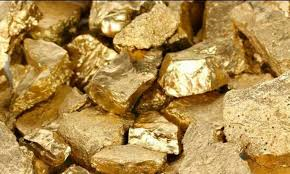
Types of Gold in Uganda
Uganda’s gold industry supplies multiple physical forms of commercial gold to international buyers, refiners, investors, jewelry manufacturers, and bullion traders. The country’s mining and refining network supports both raw gold sourcing and fully refined export-grade bullion production. Understanding the different commercial gold forms available in Uganda helps buyers choose products that match their investment, refining, or manufacturing needs.
1. Gold Doré Bars (70% – 90% Base Purity)
Gold doré bars are semi-pure gold alloys produced directly at mining sites and local processing centers before final refinery purification. In Uganda, doré bars are commonly sourced from mining concessions in regions such as Mubende, Busia, Kassanda, and Karamoja, where miners recover gold from hard rock and alluvial deposits.
Doré bars usually contain a mixture of gold, silver, and trace minerals, with purity levels ranging between 70% and 90% before advanced refining. These bars are transported to centralized refineries where they undergo assay testing and purification into higher-purity bullion products.
| Doré Bar Feature | Description |
| Typical Purity | 70% – 90% |
| Production Source | Mining concessions and local processing plants |
| Common Mining Areas | Mubende, Busia, Karamoja, Kassanda |
| Main Buyers | International refiners and bullion traders |
| Commercial Advantage | Lower acquisition cost before refining |
Commercial buyers often purchase doré gold because it offers flexibility for refinery processing and large-scale bullion production.
2. Alluvial Gold Dust & Flakes (90% – 95% Natural Purity)
Alluvial gold dust and flakes are naturally occurring gold particles recovered from riverbeds, stream sediments, valleys, and placer deposits. In Uganda, these deposits are especially common in Karamoja, Buhweju, Busia, and other artisanal mining regions where gold has been naturally concentrated through erosion and water movement over centuries.
Because alluvial gold is already naturally separated from much of the surrounding rock material, it often has a relatively high baseline purity directly from the ground. Regional refiners and traders value this form of gold because it can require less intensive processing compared to hard rock ore.
| Alluvial Gold Feature | Description |
| Typical Purity | 90% – 95% |
| Physical Form | Gold dust, flakes, and fine particles |
| Main Mining Regions | Karamoja, Buhweju, Busia |
| Mining Method | Riverbed and placer extraction |
| Main Buyers | Refineries and regional gold traders |
Alluvial gold remains one of the most actively traded forms of gold in Uganda’s artisanal mining economy.
3. Natural Gold Nuggets (Up to 98% Purity)
Natural gold nuggets are rare, solid pieces of native gold formed naturally underground and later exposed through erosion or mining activity. Uganda occasionally produces small and medium-sized gold nuggets from high-yield alluvial and hard rock mining zones, particularly in Karamoja and selected western Uganda districts.
These nuggets are highly valued by specialized collectors, luxury jewelry manufacturers, and investors seeking naturally formed, unrefined gold with strong visual appeal and high purity potential. Some nuggets can reach purity levels of up to 98% depending on geological conditions.
| Gold Nugget Feature | Description |
| Typical Purity | Up to 98% |
| Appearance | Solid natural gold formations |
| Common Sources | Karamoja and western Uganda |
| Buyer Category | Collectors and jewelry manufacturers |
| Commercial Value | Premium pricing for rare specimens |
Due to their rarity and natural structure, gold nuggets can sometimes command higher prices than standard raw gold materials.
4. LBMA-Standard Refined Bullion (24K / 99.99% Pure)
Uganda’s growing refinery sector has strengthened the country’s position as a regional gold processing hub capable of producing high-purity 24K bullion bars suitable for international export markets. Raw gold from mining regions is refined locally into hallmarked bullion bars meeting international commercial standards.
These refined bars are commonly prepared for export through secure logistics channels operating via Entebbe International Airport and other approved trade routes. Refined bullion products are preferred by institutional buyers, bullion dealers, investors, and international gold markets because they meet globally recognized purity benchmarks.
| Refined Bullion Feature | Description |
| Typical Purity | 99.99% (24K) |
| Product Type | Investment bullion bars |
| Refining Process | Advanced assay and purification |
| Export Route | Entebbe International Airport |
| Main Buyers | International investors and bullion markets |
Uganda’s localized value-addition process allows raw gold from artisanal and commercial mining regions to be transformed into export-ready bullion products that support international trade, refinery growth, and mineral sector development.
What Types of Gold Are Found in Uganda?
Uganda is rich in several types of natural gold deposits, making the country one of the growing gold sourcing destinations in East Africa. The most common gold found in Uganda includes alluvial gold, hard rock (lode) gold, placer gold, and rare gold nuggets. These deposits are mainly located in gold-producing regions such as Karamoja, Busia, Mubende, Kassanda, and Buhweju. Understanding the different types of gold deposits in Uganda helps investors, miners, and international buyers know the quality, extraction methods, and commercial value of Ugandan gold.
Alluvial Gold in Uganda
Alluvial gold in Uganda is gold that has been naturally washed away from rocks over thousands of years and deposited in riverbeds, streams, floodplains, and valleys. This type of gold is usually easier to extract because it is found mixed with sand, gravel, and soil rather than deep underground. Many small-scale miners in Uganda recover alluvial gold using panning, sluicing, and washing methods near rivers and wetlands. Areas in Karamoja and Busia are known for active alluvial gold mining operations.
Hard Rock (Lode) Gold in Uganda
Hard rock gold, also called lode gold, is found inside solid rock formations underground. These are the primary gold deposits from which other forms of gold originate. Mining hard rock gold in Uganda requires drilling, crushing, and processing ore to separate the gold from quartz and other minerals. Regions such as Mubende, Kassanda, and Buhweju contain important hard rock gold deposits that attract both local miners and larger mining companies.
Placer Gold in Uganda
Placer gold in Uganda refers to tiny gold particles, flakes, or dust that accumulate in loose soil, sand, and gravel after being carried by water over long periods. This gold is commonly found near riverbanks and shallow surface deposits. Placer gold mining is popular among artisanal miners because it requires less expensive equipment compared to underground mining. Buyers often source placer gold from mining communities across eastern and western Uganda.
Nugget Gold in Uganda
Nugget gold is a rare form of naturally occurring gold that appears as larger, solid pieces or chunks. Gold nuggets are more valuable because of their size, purity potential, and rarity. In Uganda, small and medium-sized nuggets have occasionally been discovered in gold-rich areas such as Karamoja and parts of eastern Uganda. Although large nuggets are uncommon, they attract interest from collectors, investors, and international gold buyers.
Why Understanding Uganda’s Gold Deposits Matters
Knowing the different types of gold deposits in Uganda helps buyers and investors identify the right sourcing opportunities, understand refining requirements, and evaluate purity levels before export or investment. Whether purchasing alluvial gold, placer gold, or processed lode gold, working with licensed gold dealers and verified mining companies in Uganda is important for safe and compliant transactions.
Uganda Gold Grades: Understanding Purity and Karats
Uganda produces different grades of gold ranging from raw semi-pure gold to highly refined 24K investment-grade gold. Understanding Uganda gold purity and karat ratings is important for international buyers, investors, jewelers, and exporters who want to verify quality before purchasing or shipping gold. In Uganda, most licensed refineries and gold dealers trade in 24K, 22K, and 18K gold depending on the intended market, refinery process, and final use.
Uganda Gold Purity and Karat Comparison Table
| Gold Grade | Purity Percentage | Common Use in Uganda | Appearance | Buyer Type |
| 24K Gold | 99.9% Pure Gold | Investment bars, export gold, bullion trading | Deep yellow, soft metal | Investors, international buyers, refineries |
| 22K Gold | 91.6% Pure Gold | Jewelry, regional trade, luxury ornaments | Bright yellow with stronger durability | Jewelers and commercial traders |
| 18K Gold | 75% Pure Gold | Jewelry mixed with stronger metals | Slightly lighter gold color | Fashion jewelry buyers |
| Raw Gold/Doré | 70%–95% Purity | Unrefined mining output before refining | Mixed with other minerals | Refineries and processing companies |
24K Gold in Uganda — Highest Purity Gold Production
24K Uganda gold refers to gold that is refined to approximately 99.9% purity, making it the highest-purity gold commonly exported from Uganda. This type of gold is widely traded in the form of bullion bars, gold bars, and investment-grade products. Licensed Ugandan refineries test and refine raw gold from mining regions such as Karamoja, Busia, Mubende, and Kassanda before export to international markets including Dubai, Europe, and Asia.
Because of its high purity, 24K gold in Uganda is preferred by global investors, central buyers, and precious metal dealers looking for certified gold with strong resale value.
22K vs 18K Gold in Uganda
Understanding the difference between 22K and 18K gold helps buyers choose the right grade for investment or jewelry purposes.
| Comparison Factor | 22K Gold | 18K Gold |
| Gold Purity | 91.6% | 75% |
| Strength | Softer | More durable |
| Common Use | Premium jewelry and trading | Fashion and designer jewelry |
| Investment Value | Higher | Moderate |
| Price Level | More expensive | Lower cost |
22K gold contains more pure gold and is commonly used for high-value jewelry and commercial trade, while 18K gold is mixed with additional metals to improve strength and durability for everyday wear.
Assay Certificates: How Uganda Gold Is Tested and Certified
An assay certificate is an official document that confirms the purity, weight, and composition of gold after laboratory testing. In Uganda, licensed refineries and accredited laboratories use professional testing methods such as XRF analysis and fire assay testing to determine gold purity before export or sale.
A standard Uganda gold assay certificate normally includes:
| Assay Certificate Detail | Description |
| Gold Purity | Percentage of pure gold content |
| Weight | Total weight of the gold shipment |
| Serial Number | Unique identification code |
| Refinery Name | Licensed testing or refining company |
| Date of Testing | Official testing date |
| Signature & Stamp | Verification from authorized personnel |
International buyers should always request assay certificates when purchasing Uganda gold to ensure transparency, authenticity, and compliance with export regulations.
Why Gold Purity Matters for Buyers and Investors
Gold purity directly affects market value, resale price, export approval, and investor confidence. Higher-purity Uganda gold, especially certified 24K gold, attracts stronger international demand because it meets global bullion standards. Buyers working with licensed gold companies in Uganda can reduce risks by verifying assay reports, export permits, and refinery documentation before completing transactions.
Where Is Gold Mined in Uganda? Top Producing Regions
Uganda has several gold-rich regions that contribute to the country’s growing mining and export industry. The major gold mining regions in Uganda include Karamoja, Busia, Mubende, Kassanda, Moroto, and parts of western and northern Uganda. These areas contain both alluvial and hard rock gold deposits, attracting artisanal miners, licensed mining companies, gold investors, and international buyers. Understanding Uganda’s top gold-producing regions helps buyers identify major sourcing zones and commercial mining opportunities.
Major Gold Mining Regions in Uganda
| Gold Mining Region | Type of Gold Found | Mining Activity | Known For |
| Karamoja Region | Alluvial & hard rock gold | Large-scale and artisanal mining | Uganda’s richest gold belt |
| Busia District | Alluvial and placer gold | Artisanal mining | Small-scale gold production |
| Mubende & Kassanda | Hard rock (lode) gold | Underground and surface mining | Historic gold mining areas |
| Moroto District | Alluvial gold | Community and local mining | Expanding northern gold fields |
| Buhweju & Western Uganda | Quartz-associated gold | Small-scale exploration | Emerging Western Deposits |
Karamoja Gold — Uganda’s Richest Mineral Belt
Karamoja gold is among the most important mineral resources in Uganda. Located in northeastern Uganda, the Karamoja region contains extensive alluvial and hard rock gold deposits spread across districts such as Kaabong, Abim, Nakapiripirit, and Moroto. The area has attracted both local miners and international exploration companies due to its high gold potential.
Gold mining in Karamoja includes riverbed gold recovery, surface mining, and hard rock extraction. The region continues to grow as one of Uganda’s leading gold production zones supplying raw gold and semi-refined gold to local refineries and export markets.
Busia District — Uganda’s Artisanal Gold Mining Hub
Busia District, located in eastern Uganda near the Kenya border, is widely known for artisanal gold mining activities. Thousands of local miners operate in Busia using traditional methods such as panning, washing, and sluicing to recover alluvial and placer gold from soil and river sediments.
Busia gold is an important source of income for many local communities and contributes significantly to Uganda’s small-scale mining sector. Gold buyers and traders often visit Busia to purchase raw gold, gold dust, and semi-processed gold from licensed dealers and mining cooperatives.
Mubende and Western Uganda Gold Deposits
Mubende and Kassanda districts in central Uganda are historically known for hard rock gold mining. These areas contain underground lode gold deposits associated with quartz veins and mineralized rocks. Mining operations in Mubende range from artisanal mining to more organized commercial exploration projects.
Western Uganda, including areas such as Buhweju and Bushenyi, also contains promising gold deposits that continue to attract exploration companies and investors interested in Uganda’s growing mining industry.
Moroto and Northern Uganda Gold Fields
Moroto District and nearby northern Uganda regions are becoming increasingly important in Uganda’s gold mining sector. Gold discoveries in Moroto have encouraged artisanal mining activities and attracted interest from mineral exploration companies.
The northern Uganda gold fields mainly produce alluvial gold recovered from streams, valleys, and weathered surface deposits. As infrastructure and mining investment improve, Moroto is expected to become a stronger contributor to Uganda’s overall gold production.
Why Uganda’s Gold Mining Regions Matter to Buyers
Uganda’s gold-producing regions play a major role in East Africa’s mineral trade and export market. Buyers sourcing gold from Karamoja, Busia, Mubende, or Moroto should work with licensed mining companies, registered exporters, and certified refineries to ensure legal compliance and verified gold purity. Understanding the origin of Uganda gold also helps investors assess supply reliability, transportation logistics, and export procedures before making commercial transactions.
Uganda vs Other African Gold: How Does It Compare?
Uganda has become one of East Africa’s growing gold trading and refining hubs, competing with major regional suppliers such as the Democratic Republic of Congo (DRC) and Tanzania. Many international buyers compare Uganda gold based on purity, sourcing methods, export procedures, refinery access, and transaction safety. Understanding the differences between Uganda gold and other African gold sources helps investors and commercial buyers choose reliable supply channels for long-term business.
Uganda Gold Compared to Other African Gold Markets
| Country | Common Gold Type | Average Purity Range | Main Mining Style | Key Advantage |
| Uganda | Alluvial, placer, hard rock | 85%–99.9% | Artisanal + refinery processing | Strong refining and export network |
| DRC | Raw alluvial and hard rock gold | 75%–96% | Mainly artisanal mining | Large natural gold reserves |
| Tanzania | Refined and mining-company gold | 90%–99.9% | Industrial and licensed mining | Established mining industry |
Uganda vs DRC Gold — Quality and Sourcing Differences
Uganda and the Democratic Republic of Congo are closely connected in the regional gold trade because some gold processed in Uganda originates from neighboring mining regions. However, there are important differences in sourcing, documentation, and refining.
| Comparison Factor | Uganda Gold | DRC Gold |
| Gold Processing | Often refined before export | Mostly raw or semi-processed |
| Export Structure | Licensed exporters and refineries | Strong artisanal mining sector |
| Documentation | More refinery-based certification | Documentation may vary by source |
| Common Purity | 90%–99.9% after refining | 75%–96% before refining |
| Buyer Preference | Easier for international transactions | Attractive for raw gold sourcing |
Many buyers choose Uganda gold because it is commonly refined locally and accompanied by assay certificates, export permits, and commercial documentation that simplify international trade.
Uganda vs Tanzania Gold — Purity Benchmarks
Tanzania is one of Africa’s largest gold producers and has a well-established mining industry with large-scale commercial mines. Uganda, on the other hand, is rapidly growing as a refining and trading center.
| Comparison Factor | Uganda Gold | Tanzania Gold |
| Gold Industry Growth | Fast-growing export hub | Mature mining sector |
| Typical Purity | 85%–99.9% | 90%–99.9% |
| Refining Access | Expanding local refineries | Large industrial processing |
| Mining Sources | Artisanal and regional sourcing | Large-scale mining companies |
| Export Flexibility | Competitive regional trade routes | Strong formal export system |
Uganda gold competes well with Tanzania gold because buyers can access both raw and refined gold products through flexible regional trading networks and licensed exporters.
Why Buyers Choose Uganda Gold Over Regional Alternatives
International buyers increasingly choose Uganda gold for several commercial and logistical reasons:
| Buyer Advantage | Why It Matters |
| Competitive Pricing | Uganda gold is often priced competitively within East Africa |
| Access to Refineries | Buyers can source refined 24K gold locally |
| Regional Trade Position | Uganda connects East and Central African gold markets |
| Export Documentation | Licensed exporters provide assay reports and permits |
| Growing Gold Market | Uganda’s gold sector continues to expand internationally |
Uganda has also become attractive to gold investors because of its developing infrastructure, expanding refinery sector, and access to gold supplies from multiple mining regions within East and Central Africa.
Understanding Gold Quality Before Buying
Whether comparing Uganda gold, DRC gold, or Tanzania gold, buyers should always verify:
- Gold purity levels
- Assay certificates
- Export licenses
- Source documentation
- Refinery verification
- Compliance with international gold trade regulations
Working with licensed gold dealers and certified exporters helps reduce risks and ensures safe, transparent transactions across African gold markets.
How to Buy Gold in Uganda: Verified Suppliers & Safe Process
Buying gold in Uganda can be profitable for investors, refiners, jewelers, and international traders when transactions are handled through licensed suppliers and legal export channels. Uganda has become an important center for gold trading and refining in East Africa, supplying raw and refined gold to buyers in Dubai, Europe, Asia, and other global markets. Understanding Uganda gold export regulations, supplier verification, pricing structures, and secure payment procedures helps buyers reduce risks and complete safe transactions.
Step-by-Step Process to Buy Gold in Uganda Safely
| Step | What Buyers Should Do | Why It Matters |
| 1. Identify Licensed Suppliers | Work with registered gold companies and exporters | Reduces fraud and illegal transactions |
| 2. Verify Documentation | Check export licenses, company registration, and tax documents | Confirms legal operation |
| 3. Request Assay Reports | Ask for gold purity certificates from accredited refineries | Verifies gold quality |
| 4. Negotiate Quantity & Pricing | Confirm weight, purity, and market-linked pricing | Prevents pricing disputes |
| 5. Sign Sales Agreement | Use formal contracts with transaction terms | Protects both buyer and seller |
| 6. Arrange Secure Payment | Use bank transfers or secure financial channels | Improves transaction safety |
| 7. Organize Export & Shipping | Ensure export permits and customs clearance are complete | Enables legal international delivery |
Uganda Gold Export Regulations and Legal Requirements
Gold exports from Uganda are regulated by government authorities responsible for mining, trade, customs, and financial compliance. International buyers should only purchase gold from companies that hold valid export licenses and comply with Uganda’s mineral trading laws.
Common Documents Required for Uganda Gold Export
| Export Document | Purpose |
| Gold Export License | Authorizes legal gold export |
| Assay Certificate | Confirms purity and weight |
| Certificate of Origin | Shows the source country of the gold |
| Commercial Invoice | Lists transaction value and details |
| Packing List | Identifies shipment contents |
| Customs Clearance Documents | Required for border and airport export |
| Airway Bill | Shipping and cargo transport record |
Buyers should confirm that all export documents are authentic before making payments or arranging shipment.
How to Verify a Uganda Gold Supplier Is Legitimate
Verifying a Uganda gold supplier is one of the most important steps before any transaction. Many professional exporters operate legally, but buyers should conduct due diligence to avoid scams and unlicensed dealers.
Signs of a Legitimate Uganda Gold Supplier
| Verification Check | What Buyers Should Look For |
| Company Registration | Official business registration documents |
| Export License | Valid mineral export authorization |
| Physical Office Location | Traceable office and refinery address |
| Assay Reports | Independent purity testing certificates |
| Export History | Previous international transaction records |
| Bank Verification | Corporate bank account matching the company name |
| Transparent Communication | Clear contracts and legal procedures |
International buyers are advised to avoid suppliers who request cash-only transactions, refuse inspections, or offer unrealistic gold prices far below the global market rate.
Minimum Order Quantities and Pricing Per Troy Ounce
Uganda gold suppliers may offer different minimum order quantities depending on whether the buyer is purchasing raw gold, gold dust, doré bars, or refined bullion.
Typical Uganda Gold Trading Quantities
| Gold Product | Common Minimum Order |
| Gold Dust | 500 grams – 1 kilogram |
| Doré Gold Bars | 1kg – 5kg |
| Refined Gold Bars | 1kg and above |
| Large Commercial Orders | 10kg – 100kg+ |
Uganda Gold Pricing Structure
| Pricing Factor | Description |
| Global Gold Spot Price | International gold market benchmark |
| Gold Purity | Higher purity increases value |
| Refining Costs | Fees for processing raw gold |
| Export Charges | Licensing, customs, and logistics costs |
| Quantity Purchased | Larger orders may receive better pricing |
Most Uganda gold transactions are priced per troy ounce based on the current international gold market rate.
Payment and Shipping: How International Buyers Transact
International gold buyers in Uganda commonly use secure banking and logistics systems for cross-border transactions.
Common Payment Methods for Uganda Gold Transactions
| Payment Method | Common Use |
| International Bank Transfer | Most secure for commercial transactions |
| Letter of Credit (LC) | Used for large international deals |
| Escrow Services | Adds protection for first-time buyers |
| Wire Transfer | Common for refinery and exporter payments |
Gold Shipping and Delivery Process
| Shipping Step | Description |
| Refinery Packaging | Gold sealed and documented |
| Customs Inspection | Export approval and clearance |
| Air Cargo Booking | International transport arrangement |
| Insurance Coverage | Protects shipment value |
| Delivery to Buyer | Gold delivered to the destination country |
Many Ugandan gold exporters use secure international cargo companies and insured air freight services to transport gold legally and safely to overseas buyers.
Why Buyers Choose Licensed Uganda Gold Suppliers
Working with verified Uganda gold suppliers gives buyers greater confidence in product quality, legal compliance, and export safety. Licensed exporters provide assay certificates, transparent contracts, refinery verification, and proper shipping documentation, helping international clients complete smoother and more secure gold transactions.
Uganda Gold Prices Today: Current Rates & Market Overview
Uganda gold prices are closely linked to the international gold spot market, with local rates changing daily based on global demand, purity levels, refining costs, and export conditions. Buyers searching for Uganda gold prices today should understand that the final price depends on the type of gold being traded, whether it is raw gold dust, nuggets, doré bars, or fully refined 24K gold bullion.
Uganda remains an active gold trading hub in East Africa, supplying gold to international markets such as Dubai, India, China, Europe, and the Middle East. Licensed gold dealers and refineries in Uganda usually calculate prices using the live global spot price plus local processing and export costs.
How Uganda Gold Prices Track the Global Spot Price
The international gold spot price is the main benchmark used to determine Uganda’s gold rates. This price changes throughout the day based on global financial markets, investor demand, currency movements, inflation, and central bank activity.
How Gold Pricing Works in Uganda
| Pricing Factor | Description |
| Global Spot Price | International market price per troy ounce |
| Gold Purity | Higher purity gold sells at a higher value |
| Refining Costs | Charges for purification and processing |
| Export Fees | Licensing and customs-related costs |
| Quantity Purchased | Large orders may receive discounts |
| Transportation & Insurance | Shipping costs for international delivery |
Licensed Uganda gold dealers normally reference the London Bullion Market Association (LBMA) or international bullion market prices when preparing commercial quotations.
Current Types of Gold Traded in Uganda
Uganda’s gold market includes several categories of gold products sold locally and internationally.
| Gold Type | Typical Purity Range | Common Buyers |
| Gold Dust | 70%–92% | Refineries and traders |
| Gold Nuggets | 80%–95% | Collectors and investors |
| Doré Gold Bars | 85%–96% | Refiners and exporters |
| Refined 24K Gold | 99.9% | International bullion buyers |
Factors That Affect Uganda Gold Rates
Several factors influence the final price of gold in Uganda beyond the international spot market.
1. Gold Purity
Gold with higher purity levels, such as refined 24K gold, commands higher prices than raw gold dust or unrefined nuggets.
2. Type of Gold Product
| Gold Product | Pricing Impact |
| Gold Dust | Lower due to refining needs |
| Gold Nuggets | May carry collector value |
| Doré Bars | Mid-range export pricing |
| Refined Bullion | Highest commercial value |
3. Refining and Assay Costs
Gold that requires additional laboratory testing or refining may include extra processing charges before export.
4. Export and Logistics Expenses
Transportation, customs clearance, insurance, and export permits can affect the final delivered price for international buyers.
5. Market Demand
Periods of high global demand or economic uncertainty often increase international and Uganda gold prices.
Getting a Quote: What to Ask a Verified Uganda Gold Dealer
Before purchasing gold in Uganda, international buyers should request detailed commercial information from the supplier.
Questions Buyers Should Ask Uganda Gold Dealers
| Important Question | Why It Matters |
| What is the gold purity level? | Confirms actual gold content |
| Is there an assay certificate? | Verifies laboratory testing |
| What is the minimum order quantity? | Helps plan purchase size |
| Is the company licensed to export gold? | Confirms legal compliance |
| What pricing formula is used? | Clarifies spot price calculations |
| Are shipping and insurance included? | Prevents hidden costs |
| What payment methods are accepted? | Ensures secure transactions |
Sample Uganda Gold Price Quote Structure
| Quote Component | Example Description |
| Gold Type | 24K Refined Gold Bar |
| Purity | 99.9% |
| Quantity | 5 Kilograms |
| Spot Price Reference | Based on daily international market |
| Refining Charges | Included or separate |
| Export Costs | Customs and logistics fees |
| Delivery Terms | FOB, CIF, or airport delivery |
Why Buyers Monitor Uganda Gold Prices Daily
Gold prices in Uganda can change frequently because they follow international bullion markets. Investors, jewelers, refiners, and wholesale buyers monitor daily Uganda gold rates to identify the best buying opportunities, manage risks, and negotiate better commercial deals with verified suppliers and licensed exporters.
Is Uganda Gold Certified? Regulation, UCDA & Export Compliance
Uganda’s gold sector is regulated through government agencies, licensed exporters, refinery controls, and mineral trade compliance procedures designed to improve transparency and legal international trade. Buyers asking whether Uganda gold is certified should understand that legally exported gold from Uganda normally includes export permits, assay certificates, customs documentation, and source verification records. These procedures help international buyers confirm gold purity, origin, and compliance with global trade standards.
Uganda has also strengthened its focus on responsible sourcing, anti-money laundering compliance, and conflict-free mineral trade to align with international gold market requirements.
Uganda Gold Regulation and Export Oversight
Gold mining, refining, and export activities in Uganda are supervised through mineral trade laws and government licensing systems. Licensed exporters and refineries are required to follow official procedures before shipping gold to international markets.
Main Areas Covered by Uganda Gold Regulations
| Regulatory Area | Purpose |
| Gold Export Licensing | Controls legal export activity |
| Assay and Purity Testing | Verifies gold quality |
| Customs Clearance | Ensures lawful international shipment |
| Tax and Revenue Compliance | Monitors trade revenue and duties |
| Responsible Sourcing Rules | Supports conflict-free gold trade |
| Anti-Money Laundering Checks | Reduces illegal financial transactions |
These regulations help Uganda maintain credibility as a growing gold trading and refining hub in Africa.
Role of the Uganda Chamber of Mines and Petroleum
The Uganda Chamber of Mines and Petroleum (UCMP) plays an important role in supporting the country’s mining and mineral sector. The organization works with mining companies, investors, refiners, and government stakeholders to encourage responsible mining, investment growth, and industry development.
Functions of the Uganda Chamber of Mines and Petroleum
| Function | Description |
| Industry Representation | Supports mining sector interests |
| Investor Engagement | Encourages local and foreign investment |
| Mining Standards Advocacy | Promotes responsible mining practices |
| Policy Collaboration | Works with regulators and government agencies |
| Sector Awareness | Provides information about Uganda’s mineral resources |
The Chamber helps improve confidence in Uganda’s mining sector by promoting legal compliance and professional industry practices.
What a UCDA Export Permit Covers
A Uganda gold export permit is an official authorization allowing licensed companies to export gold legally from Uganda to international markets. Buyers should always verify that exporters hold valid permits before completing transactions.
Information Typically Covered by a Uganda Gold Export Permit
| Permit Detail | Description |
| Exporter Name | Licensed exporting company |
| Gold Quantity | Approved shipment weight |
| Gold Purity | Assayed gold content |
| Destination Country | Approved export market |
| Export Date | Authorized shipment timeline |
| Customs Verification | Clearance approval information |
A valid export permit helps buyers confirm that the gold shipment complies with Uganda’s mineral export regulations and international trade procedures.
Conflict-Free Sourcing and OECD Compliance
Uganda has increasingly aligned parts of its gold trade system with international responsible sourcing standards, including OECD Due Diligence Guidelines for mineral supply chains. These standards are designed to reduce illegal mining practices, prevent financing of armed conflict, and improve transparency in mineral sourcing.
What Conflict-Free Gold Sourcing Means
| Compliance Area | Purpose |
| Source Verification | Identifies where gold originates |
| Supply Chain Monitoring | Tracks gold movement and trade |
| Responsible Mining Practices | Encourages legal mining operations |
| Due Diligence Procedures | Reduces sourcing risks |
| Export Documentation | Supports traceable transactions |
International buyers often prefer suppliers that provide clear sourcing records, assay certificates, and compliance documentation because these improve trust and simplify import procedures in global markets.
Why Certification and Compliance Matter for Buyers
Certified and legally exported Uganda gold gives buyers greater confidence in purity, origin, and transaction safety. Working with licensed exporters, verified refineries, and compliant suppliers helps reduce commercial risks while supporting transparent and responsible gold trade practices across Africa and international bullion markets.
Frequently Asked Questions About Uganda Gold
What is the purity of Uganda gold dust?
Uganda gold dust typically ranges between 70% and 92% purity depending on the mining location, processing method, and level of refinement. Raw gold dust from artisanal mining areas often requires additional refining before reaching investment-grade purity. Buyers should always request an assay certificate from a licensed refinery or laboratory to confirm the exact gold content before purchase or export.
Can foreigners legally buy and export gold from Uganda?
Yes, foreigners can legally buy and export gold from Uganda when transactions are completed through licensed gold exporters and approved refinery channels. International buyers must comply with Uganda’s mineral export regulations, customs procedures, and financial compliance requirements. Legitimate gold exports normally include export permits, assay certificates, invoices, and customs clearance documentation.
How do I avoid gold scams when sourcing from Uganda?
To avoid gold scams in Uganda, buyers should only work with verified gold companies, licensed exporters, and registered refineries. It is important to confirm business registration documents, request assay reports, verify export licenses, and avoid suppliers offering unrealistically low prices. Buyers are also advised to use secure payment methods, conduct due diligence, and inspect gold through independent testing before completing large transactions.
What documentation comes with genuine Uganda gold?
Genuine Uganda gold is normally accompanied by official trade and export documents that confirm legality, purity, and ownership. Common documents include an assay certificate showing gold purity, an export license, a certificate of origin, a commercial invoice, customs clearance forms, and shipping records. These documents help international buyers verify that the gold complies with Uganda’s export laws and international trade standards.