Current Gold Price in Zimbabwe Today – Live USD & ZWL Rates in 2025
Are you looking to stay ahead of market swings? At Gold Prices in Africa, we bring you the most accurate gold price in Zimbabwe updated live, every day. Whether you’re a seasoned investor, a jewellery buyer, or simply watching your wealth, our Zimbabwe-specific rates let you compare 24K, 22K, 18K, and 14K gold prices across all weights from 1 g to 1 kg in both USD and ZWL. Trust www.goldpricesinafrica.com, the Company you can trust in Zimbabwe to deliver transparent, up-to-the-minute charts, expert insights on gold price trends, and the best local premiums. Bookmark us now to never miss a beat on the gold price in Zimbabwe and make every gold transaction count!
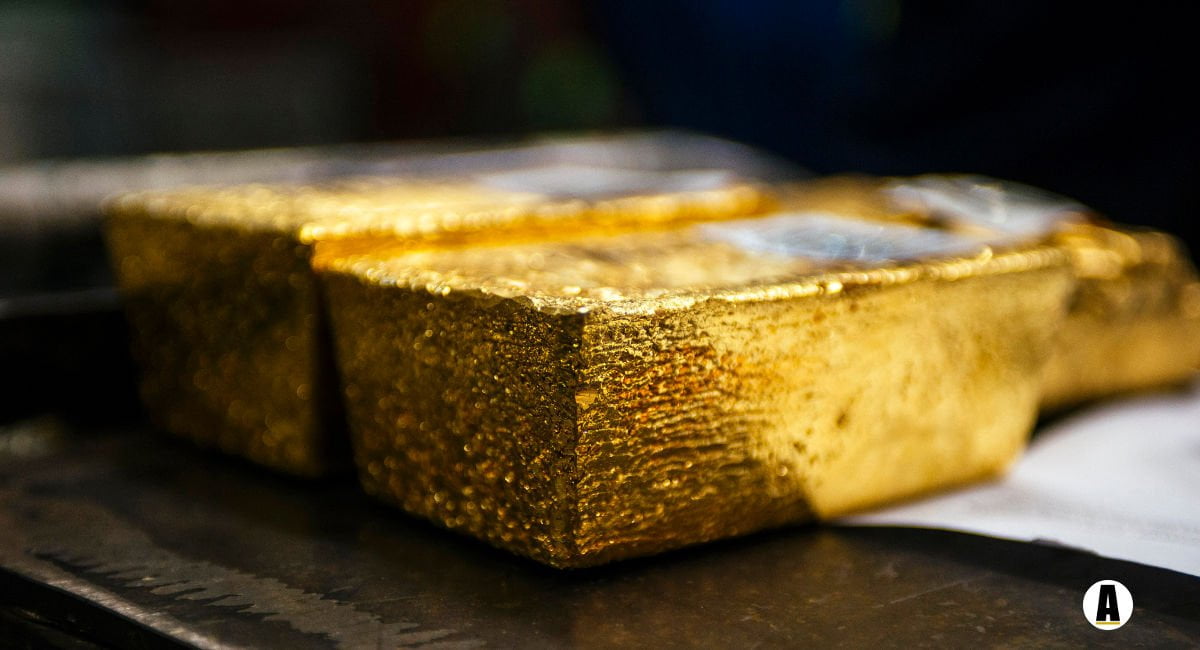
Gold Price in Zimbabwe Overview of Today’s Rates, Purity Grades, Weight Breaks, Currency Conversion (USD ↔ ZWL), and Live-Update Widget
Zimbabweans, whether investors, jewelers, or bullion traders, rely on gold as a hedge against local currency volatility and inflation. Tracking today’s 24K gold spot price, along with common jewelry purities (22K, 18K, 14K), and knowing how to convert between U.S. dollars (USD) and Zimbabwean dollars (ZWL) are essential for making informed buying or selling decisions. gold price in Zimbabwe
Today’s Gold Rates (Per Gram)
- 24K Gold Spot Price (99.9% purity): USD 109.11 / g
- USD → ZWL Mid-Market Rate: 1 USD = 322.00 ZWL
These benchmark rates form the basis for pricing all other purities and weights.
Purity Grades Explained
- 24K (99.99 fineness): Pure gold, highly malleable. preferred for bullion and investment bars.
- 22K (91.6 fineness): 91.6% gold, balance silver/copper. Common in fine jewelry.
- 18K (75.0 fineness): 75% gold, prized for high-end jewelry with greater scratch resistance.
- 14K (58.5 fineness): 58.5% gold, more affordable and durable for everyday wear.
Current gold prices in Zimbabwe 24k, 22k, 18k, 14k Weight Breaks & Prices (USD & ZWL)
Below is a price table for gold of different purities, from 1 g up to 1 kg, quoted in both USD and ZWL based on today’s rates:
| Weight | 24K (USD) | 24K (ZWL) | 22K (USD) | 22K (ZWL) | 18K (USD) | 18K (ZWL) | 14K (USD) | 14K (ZWL) |
| 1 g | 109.11 | 35,133.42 | 99.94 | 32,182.21 | 81.83 | 26,350.06 | 63.83 | 20,553.05 |
| 5 g | 545.55 | 175,667.10 | 499.72 | 160,911.06 | 409.16 | 131,750.32 | 319.15 | 102,765.25 |
| 10 g | 1,091.10 | 351,334.20 | 999.45 | 321,822.13 | 818.32 | 263,500.65 | 638.29 | 205,530.51 |
| 20 g | 2,182.20 | 702,668.40 | 1,998.90 | 643,644.25 | 1,636.65 | 527,001.30 | 1,276.59 | 411,061.01 |
| 50 g | 5,455.50 | 1,756,671.00 | 4,997.24 | 1,609,110.64 | 4,091.62 | 1,317,503.25 | 3,191.47 | 1,027,652.53 |
| 100 g | 10,911.00 | 3,513,342.00 | 9,994.48 | 3,218,221.27 | 8,183.25 | 2,635,006.50 | 6,382.93 | 2,055,305.07 |
| 250 g | 27,277.50 | 8,783,355.00 | 24,986.19 | 8,045,553.18 | 20,458.12 | 6,587,516.25 | 15,957.34 | 5,138,262.67 |
| 500 g | 54,555.00 | 17,566,710.00 | 49,972.38 | 16,091,106.36 | 40,916.25 | 13,175,032.50 | 31,914.67 | 10,276,525.35 |
| 1 kg | 109,110.00 | 35,133,420.00 | 99,944.76 | 32,182,212.72 | 81,832.50 | 26,350,065.00 | 63,829.35 | 20,553,050.70 |
Note. Prices rounded to two decimals. Based on 24K at $109.11/g and 1 USD = 322.00 ZWL. gold price in Zimbabwe
Strategies To Secure The Best Gold-Buying Prices in Zimbabwe:
- Shop Around and Compare Live Quotes
- Contact multiple licensed dealers, banks, and online platforms on the same day. Prices can vary by $1–2 USD per gram depending on their bid–ask spreads and premiums.
- Use real-time tools or WhatsApp groups where dealers post live ZWL and USD quotes, so you can pick the lowest premium over spot.
- Buy Larger Bar Sizes to Reduce Premiums
- Premiums (minting, packaging, assay) are levied per bar, not per gram. A 1 kg bar typically carries a premium of 1–1.5 USD/g, whereas 1 g bars can exceed 5 USD/g.
- If your budget allows, consolidate purchases into 50 g–1 kg bars to bring your all-in cost closer to the raw spot price.
- Transact in U.S. Dollars Whenever Possible
- Since global spot is USD-denominated, paying in USD avoids ZWL depreciation and local currency conversion fees.
- Many dealers will offer a tighter spread for USD-only sales, and you sidestep the volatility of the ZWL↔USD rate.
- Negotiate Volume and Repeat-Buyer Discounts
- Dealers often have unpublished tiers: buying 100 g+ at once or being a regular customer can unlock further markdowns.
- Ask up front about “bulk” or loyalty discounts, and don’t hesitate to walk away if the dealer won’t budge—there’s plenty of competition.
By combining real-time price comparison, larger bar purchases, USD payments, and savvy negotiation, you can shave several dollars per gram off your total cost and maximize the value of every gold transaction in Zimbabwe.
What Factors Affect the Gold Price in Zimbabwe?
- Global Spot Price Movements
Zimbabwe’s local gold price closely tracks the international spot price of gold, which is determined in major markets like London and New York. When global investors flock to gold, often during economic uncertainty, demand pushes up the benchmark price per ounce (or gram), and local dealers adjust Zimbabwean quotes accordingly. gold price in Zimbabwe
- Currency Inflation & Exchange-Rate Volatility
The Zimbabwean dollar (ZWL) has experienced high inflation and periodic revaluations. Since most bullion trades are conducted or benchmarked in U.S. dollars (USD), any depreciation of ZWL against USD dramatically raises local ZWL-denominated gold prices, even if the USD spot price remains stable.
- Local Supply and Mining Output
Zimbabwe is one of Africa’s top gold producers, with both artisanal miners and large-scale operations contributing output. Variations in mine production, due to power shortages, regulatory changes or geological factors, affect how much physical gold is available locally. Lower supply amid steady demand typically drives prices upward.
- Government Policies & Regulatory Environment
Import/export restrictions, taxes, and licensing requirements imposed by Zimbabwean authorities can add premiums or bottlenecks to the local market. For example, increased export levies or delays in permitting can lower liquidity for dealers, who then compensate by marking up prices.
Historical trends of Gold prices in Zimbabwe
Below is a year-by-year chart illustrating the average gold price per gram (in USD) from 2015 through 2024. Although these figures reflect global spot prices, local Zimbabwean rates move in tandem when converted via prevailing USD↔ZWL exchange rates (e.g., 1 USD ≈ 322 ZWL as of June 18, 2025).
Chart: Average Gold Price per Gram (USD) in Zimbabwe (2015–2024)
(See the interactive chart above for exact values.)
From 2015–2016, prices hovered around $37 USD/g, rose to about $42 in 2017, dipped slightly in 2018, then surged through 2019–2021 amid global market uncertainty. A slight pullback occurred in 2022, followed by new highs in 2023–2024, topping around $64 USD/g.
Interpretation:
- 2015–2016 Stability: Reflects range-bound global markets post-2014 commodities slump.
- 2017–2018 Fluctuations: Driven by changing investor sentiment and early COVID-era liquidity.
- 2019–2021 Surge: Escalating safe-haven demand amid trade tensions and pandemic concerns.
- 2022 Dip: Profit-taking and slight global rate-hike expectations.
- 2023–2024 Peak: Renewed geopolitical risks and ongoing inflation fears.
Note. This historical context, paired with the four key factors, equips you to anticipate how Zimbabwe’s gold price may move in the coming months.
Currency Conversion (USD ↔ ZWL)
To convert any USD price to ZWL:
ZWL price = USD price × 322.00
For ZWL → USD, reverse the operation:
USD price = ZWL price ÷ 322.00
Always confirm with your local bank or bureau for the live buying or selling rate, as premiums and fees may apply.
Buying & Selling Guides for Gold in Zimbabwe
Where to Buy Gold in Zimbabwe
- Licensed Bullion Dealers
- Fidelity Printers & Refineries Ltd. The sole official national refiner selling minted bars and coins.
- Local Authorized Traders – Look for members of the Zimbabwe Miners’ Federation or the Bullion Dealers’ Association.
- Commercial Banks
- Standard Chartered, CBZ Bank, Steward Bank, BancABC, and others often stock sealed 24K investment bars (typically 1 g–100 g).
- Banks quote in USD but may accept ZWL at prevailing mid-market rates; premiums vary by size and packaging.
- Online Marketplaces & E-Marketplaces
- Global Platforms: Metal exchanges (e.g., Kitco, BullionVault) that ship to Zimbabwe.
- Local E-Marketplaces: Websites and WhatsApp groups run by vetted dealers, always confirm licensure.
Due Diligence & Authenticity Checks
- Assay Certificates & Hallmarks: Ensure each bar or coin carries a serial number, refiner’s mark (e.g., “FPR”), and purity stamp (e.g., “99.99”).
- Weighing & Verification: Insist on a calibrated electronic scale; use magnet and acid tests for on-the-spot checks.
- Reputation & Reviews: Check dealer accreditation, ask for references, and read recent customer feedback.
Step-by-Step Guide to Selling Your Gold in Zimbabwe
- Prepare Documentation
- Valid photo ID (national ID or passport).
- Proof of ownership: original purchase receipt or assay certificate.
- Compliance forms if selling bars over 50 g (per Reserve Bank reporting rules).
- Get Price Quotations
- Approach multiple dealers or banks on the same day, and prices can vary by 1–2 USD/g.
- Compare the dealer’s bid price (what they’ll pay) versus the spot–premium spread.
- Negotiate Terms
- Ask about buy-back premiums or volume discounts for larger quantities.
- Clarify whether the dealer deducts assay or handling fees.
- Finalize Payment
- Bank Transfer: Safer for large amounts; confirmations can take 1–2 business days.
- Cash: Common for small sales (< 10 g), but carry minimal amounts and get a signed receipt.
- Mobile Money / Ecocash: Some dealers accept Ecocash at agreed USD–ZWL rates.
- Complete the Sale
- Obtain a detailed invoice listing weight, purity, price per gram, total paid, and dealer details.
- If selling > 500 g, you may need to notify the Reserve Bank under anti-money-laundering regulations.
Taxation & Regulation for Gold Transactions
1 Import / Export Rules
- Export Levies: Typically ~2.5% of export value, payable to the Zimbabwe Revenue Authority (ZIMRA).
- Licensing: Only registered refiners and dealers may export gold; individuals must sell to a licensed entity.
2 VAT / GST Considerations
- Investment Gold: Bars and coins of 24K purity are often zero-rated for VAT, but confirm under S.I. 122 of 2018.
- Jewellery Sales: 22K, 18K, and 14K jewellery carry standard VAT (14.5%) on the retail margin.
3 Capital-Gains & Withholding Tax
- Capital-Gains Tax (CGT): Profits from selling investment gold may incur CGT if held less than the statutory period; rates vary, so consult a tax advisor.
- Withholding Tax: Dealers may withhold a small percentage at source for reporting; ensure you receive a withholding tax certificate.
Note. Tax and regulatory frameworks can change. Always verify current rates and requirements with ZIMRA or a qualified local tax consultant before any large transaction.
Overview of Gold Prices in Zimbabwe
Zimbabwe’s gold market operates within a complex economic environment characterized by currency instability, high inflation, and reliance on the US dollar (USD) for most transactions. Since the demonetization of the Zimbabwe Dollar (ZWD) in 2009, gold prices are typically quoted in USD; however, local transactions may reference the Zimbabwe Gold (ZiG) currency or other local equivalents based on prevailing exchange rates. The global gold price, set in USD per troy ounce, serves as the benchmark, but local factors such as supply and demand, mining policies, and economic conditions create slight variations.
Gold prices in Zimbabwe are updated regularly by sources like Fidelity Gold Refinery, which provides daily buying prices for gold delivered by miners. These prices reflect global spot prices adjusted for local market dynamics. For instance, in June 2025, the global gold price per ounce hovered around $3,331.56, with a peak of $3,432.77 in April 2025. In Zimbabwe, these prices are converted into local terms, and Fidelity’s buying rates often lag slightly behind international spot prices due to processing and policy constraints.
Price of 1kg of Gold in Zimbabwe
The price of 1kg of gold in Zimbabwe is derived from the global price per troy ounce, converted to grams and scaled to kilograms. As of June 2025, the global price for 1kg of 24K gold is approximately $67,030.00. In Zimbabwe, this translates to a similar range, though local prices may vary slightly due to exchange rate fluctuations and dealer markups.
Based on recent data, the price of 1kg of 24K gold in Zimbabwe is approximately USD 105,367.64. This figure reflects retail market rates, which include premiums for refining, distribution, and local taxes. For comparison, in August 2020, during the height of the COVID-19 pandemic, 1kg of gold was priced at USD 66,460, indicating a significant increase over the past five years due to global demand and economic uncertainties.
The table below summarizes the price of 1kg of gold in Zimbabwe for different purities as of June 2025:
| Purity (Karat) | Price per Kilogram (USD) | Price per Kilogram (ZWD, est.) |
| 24K (99.9%) | $105,367.64 | 39,448,187.13 |
| 22K (91.6%) | $96,600.00 | 36,182,163.74 (est.) |
| 21K (87.5%) | $92,200.00 | 34,517,163.74 |
| 18K (75.0%) | $79,000.00 | 29,586,140.34 |
Note: ZWD prices are based on an exchange rate of 1 USD = 361.90 ZWD as of June 2025. These are indicative and may vary daily.
Gold Price per Gram in Zimbabwe (USD)
The price of gold per gram is a critical metric for investors and jewelers in Zimbabwe. As of June 2025, the retail price for 24K gold per gram in Zimbabwe is app USD 105.37$105.37 USD. This is slightly higher than the global average due to local economic factors, including inflation and currency depreciation. Over the past year, the price per gram has fluctuated, with USD 80.27$80.27 USD on September 9, 2024, and a USD 100.3200.32 USD on March 31, The25.
The table below shows the price per gram for different karats in Zimbabwe as of June 2025:
| Purity (Karat) | Price per Gram (USD) | Price per Gram (ZWD, est.) |
| 24K (99.9%) | $105.37 | 39,034.73 |
| 22K (91.6%) | $97.00 | 35,791.61 |
| 21K (87.5%) | $92.60 | 34,189.58 |
| 18K (75.0%) | $79.10 | 29,305.35 |
| 14K (58.5%) | $61.60 | 22,858.18 |
Note: Prices are based on retail market rates and may vary slightly depending on the dealer or transaction type.
Fidelity Zimbabwe Gold Price
Fidelity Gold Refinery (FGR), a subsidiary of the Reserve Bank of Zimbabwe (RBZ), holds a monopoly on buying and refining the country’s gold bullion. FGR sets daily buying prices for gold delivered by artisanal and small-scale miners (ASGMs) and large-scale producers. These prices are typically lower than international spot prices due to operational costs and delays in payment, which have been criticized by miners.
As of June 19, 2025, Fidelity’s buying prices per gram for gold of 90% purity (SG 90%) are not explicitly detailed in the provided data, but historical trends suggest they align closely with global prices, adjusted downward. For instance, in July 2020, FGR paid $56.33 per gram while international prices were around $65.72 per gram. Assuming a similar gap in 2025, Fidelity’s buying price for 24K gold could be estimated at approximately $95–$100 per gram, compared to the retail price of $105.37 per gram.
Fidelity’s pricing strategy aims to incentivize legal gold deliveries, but parallel market buyers often offer higher rates, leading to smuggling and leakages. In May 2020, the government introduced a 100% foreign currency retention threshold for ASGMs to curb this, though it faced criticism from the IMF. Investors purchasing gold through Fidelity or licensed dealers should expect prices closer to retail rates, as Fidelity’s buying prices are primarily for miners.
Comparison of Gold Prices Across African Regions
To contextualize Zimbabwe’s gold prices, we compare them with three other African regions: South Africa (Southern Africa), Ghana (West Africa), and Uganda (East Africa). These countries are major gold producers with established markets, making them relevant benchmarks.
South Africa
South Africa is one of the world’s leading gold producers, with competitive prices due to large-scale production and efficient mining infrastructure. As of May 2024, the price of 24K gold per kilogram in South Africa is USD 71,300, with a per-gram price of USD 71.30. For 22K gold, the price per kilogram is USD 58,600. The South African Rand’s exchange rate against the USD impacts local prices, but the country’s robust mining sector keeps costs relatively low.
Ghana
Ghana, another major gold producer, offers slightly lower prices than South Africa. The price of 24K gold per kilogram is $68,200, with a per-gram price of USD 68.20. For 22K gold, the price per kilogram is USD 57,400. Ghana’s abundant gold reserves and favorable mining policies contribute to its competitive pricing.
Uganda
Uganda has the cheapest gold in Africa due to lower production costs and minimal export restrictions. The price of 24K gold per kilogram is approximately USD 56,800, with a per-gram price of USD 56.80. For 22K gold, the price per kilogram is also around USD 56,800. Uganda’s weak local currency against the USD further reduces prices in dollar terms.
Comparison Table
The table below compares 24K and 22K gold prices across Zimbabwe, South Africa, Ghana, and Uganda as of June 2025 (or closest available data):
| Country | 24K Price per kg (USD) | 24K Price per Gram (USD) | 22K Price per kg (USD) | 22K Price per Gram (USD) |
| Zimbabwe | $105,367.64 | $105.37 | $96,600.00 | $97.00 |
| South Africa | $71,300.00 | $71.30 | $58,600.00 | $58.60 |
| Ghana | $68,200.00 | $68.20 | $57,400.00 | $57.40 |
| Uganda | $56,800.00 | $56.80 | $56,800.00 | $56.80 |
Analysis of Price Differences
Zimbabwe’s gold prices are notably higher than those in South Africa, Ghana, and Uganda. Several factors contribute to this:
- Economic Instability: Zimbabwe’s history of hyperinflation and currency fluctuations increases local gold prices, as gold is seen as a safe-haven asset.
- Limited Supply: Despite significant gold production, smuggling and parallel market activities reduce the supply available through legal channels, driving up prices.
- Dealer Markups: Retail prices in Zimbabwe include higher premiums due to economic uncertainties and logistical costs.
In contrast, South Africa and Ghana benefit from large-scale mining and stable currencies, while Uganda’s low prices reflect its emerging market and favorable policies.
Why Invest in Gold in Zimbabwe with Gold Prices Africa Limited?
Despite higher prices, investing in gold in Zimbabwe offers unique advantages, particularly through a reputable dealer like Gold Prices Africa Limited. Here’s a persuasive case for why you should consider this opportunity:
- Hedge Against Economic Uncertainty: Zimbabwe’s economic challenges make gold an attractive investment. As a safe-haven asset, gold preserves value amidst inflation and currency devaluation, which are persistent risks in Zimbabwe. By investing now, you can protect your wealth from future economic shocks.
- Potential for Price Appreciation: Global gold prices have risen by 45% over the past decade, and Zimbabwe’s prices have followed suit. With ongoing geopolitical tensions and demand for gold in industries like technology and jewelry, prices are likely to continue climbing, offering strong returns.
- Access to High-Quality Gold: Gold Prices Africa Limited sources 24K gold (99.9% purity) from licensed dealers and refineries, ensuring authenticity and quality. Their transparent pricing and proper documentation mitigate risks associated with illegal trading, which is prevalent in Zimbabwe.
- Strategic Market Position: Zimbabwe’s gold sector is poised for growth, with government projections estimating 27,958 kg of gold deliveries in 2020 despite earlier setbacks. By investing through Gold Prices Africa Limited, you gain exposure to a market with significant potential, supported by both artisanal and large-scale mining.
- Competitive Despite Higher Prices: While Zimbabwe’s gold is pricier than in Uganda or Ghana, the premium reflects its role as a reliable store of value in a volatile economy. Gold Prices Africa Limited offers competitive rates compared to local retail markets, ensuring you get value for your investment.
- Ease of Investment: Gold Prices Africa Limited simplifies the buying process, offering delivery options and expert guidance on market trends. Whether you prefer gold bars, coins, or biscuits, they provide flexible options tailored to your investment goals.
- Supporting Local Communities: By purchasing gold through a licensed dealer, you contribute to Zimbabwe’s formal economy, supporting artisanal miners and reducing the impact of illegal trading. Gold Prices Africa Limited’s commitment to ethical sourcing aligns with responsible investment principles.
How to Invest with Gold buyers Africa Limited
To start, contact Gold Prices Africa Limited via our website, WhatsApp button, or contact forms for exclusive pricing and market insights. We offer gold in various weights (1g to 1kg) and forms, with clear documentation to ensure compliance with Zimbabwe’s regulations. Given the higher local prices, consider starting with smaller quantities, such as 10g or 100g bars, to diversify your portfolio while monitoring market trends.
Investment Strategies for Gold in Zimbabwe
Is Gold a Good Hedge Against Zimbabwe Inflation?
Gold has historically preserved purchasing power when fiat currencies weaken. In Zimbabwe, where annual inflation has frequently exceeded triple digits, gold priced in USD has outpaced local currencies by retaining real value. gold price in Zimbabwe
- Case Study: 2008–2009 Hyperinflation
During Zimbabwe’s infamous hyperinflation peak (estimated annual rate >79 billion percent), the Zimbabwean dollar collapsed. Anyone holding gold in USD terms saw their wealth preserved; a 1 kg bar priced at roughly $30,000 in early 2008 was still worth close to that level when converted back into ZWL after the currency crash.
- Performance 2016–2024
From 2016–2024, while the ZWL lost over 90 percent of its value versus the USD, gold priced at around $37 / g in 2016 rose to about $64 / g by 2024 (an increase of 73 percent), far outpacing local inflation rates averaging 30–60 percent annually.
Note: Gold denominated in USD functions as a reliable inflation hedge in Zimbabwe, especially when local currency volatility is high. gold price in Zimbabwe
Small-Scale vs. Bulk Gold Buying
| Aspect 1 g Bars (Small-Scale) | 1 g Bars (Small-Scale) | 1 kg Bars (Bulk) |
| Affordability | Low entry cost ($110) | High upfront cost ($110,000) |
| Liquidity | Easier to sell in small increments | Requires finding a buyer for large volume |
| Premiums | Easier to sell in small increments | Lower premium per gram |
| Storage & Security | Negligible space; low-risk theft | Secure vault or bank safe required |
| Portfolio Flexibility | Ideal for incremental accumulation | Best for long-term, large-scale holdings |
- When to Choose 1 g Bars:
If you’re building your position gradually, need frequent liquidity to cover expenses, or have limited capital, 1 g bars let you buy gold in affordable slices, even via mobile-money payments.
- When to Choose 1 kg Bars:
If you have a large capital pool and wish to minimize premium costs, 1 kg bars offer the best price per gram. Bulk buyers also reduce relative transaction fees and can negotiate better buy-back terms.
Diversifying with Gold ETFs & Mutual Funds
For investors seeking exposure to gold without handling physical bars, gold-backed exchange-traded funds (ETFs) and mutual funds offer a paper-gold alternative:
- Gold ETFs (e.g., GLD, IAU):
- Structure: Shares represent ownership of allocated physical gold held in vaults.
- Accessibility: Traded on international stock exchanges; can be bought via brokerage accounts that accept USD.
- Liquidity & Costs: High daily liquidity; typical expense ratios 0.15–0.40 percent per annum.
- Gold Mutual Funds:
- Structure: Pooled funds investing partly in physical gold and partly in gold-mining equities.
- Return Profile: Potential for dividend income from mining stocks, but higher market volatility.
- Minimum Investment: Often $1,000+; expense ratios 0.50–1.50 percent. gold price in Zimbabwe
Pros:
- No storage or security hassles.
- Easy portfolio rebalancing.
- Access to global markets and professional management.
Cons:
- Exposure to counterparty risk (fund manager solvency).
- Management fees erode returns over the long term.
- Currency risk if ETFs trade in USD and you hold ZWL.
Note
A balanced gold investment strategy in Zimbabwe may combine:
- Physical bars (mix of 1 g and 1 kg): To secure tangible wealth.
- Gold ETFs or mutual funds: For paper-gold exposure, liquidity, and portfolio diversification.
- Regular reviews: To adjust for currency swings, inflation trends, and personal liquidity needs.
By understanding how gold performs relative to local inflation, choosing appropriate bar sizes for your budget, and leveraging financial instruments like ETFs, you can craft a robust, multi-faceted gold portfolio tailored to Zimbabwe’s unique economic environment.
Conclusion:
Stay informed and protect your wealth by monitoring the gold price in Zimbabwe daily. Whether you’re buying small 1 g bars or bulk 1 kg bullion, rely on GoldPricesInAfrica.com for transparent rates, expert market analysis, and seamless currency conversions. Bookmark us now and never miss an opportunity to make smarter, more confident gold transactions in Zimbabwe.