Table of Contents
- introduction
- What Makes a Gold Bar Authentic?
- Easy Physical Tests to Spot Fake Gold Bars
- The Role of Assay Certificates & Refineries
- Where to Buy Authentic Gold Bars in Africa
- How to Verify the Authenticity of Gold Bars at Home
- Avoiding Gold Scams in East & West Africa
- Step-by-Step Guide to Buying Gold Bars in Uganda
- Partnering with Trusted Exporters
- Fake vs Real Gold Bars: How to Tell the Difference
- Legal & Tax Considerations When Importing Gold Bars into Africa
- Conclusion: Secure Your Gold Investment
- Frequently Asked Questions about Authentic Gold Bars
How to Identify Authentic Gold Bars | Safe Buying in Africa
At Gold Prices in Africa Limited, we specialize in helping investors across the continent buy authentic gold bars with absolute confidence. Our authentic gold bars are sourced exclusively from LBMA-approved refiners, each bearing verifiable hallmarks, serial numbers, and an assay certificate that guarantees 99.99% purity. Whether you’re looking to purchase authentic gold bars in Kenya, South Africa, Nigeria, or any other African market, our streamlined online platform, transparent pricing tied directly to the daily spot price, and insured continental shipping make the process effortless and secure.
Trust Gold Prices in Africa Limited to deliver only genuine bullion, backed by expert guidance on storage, resale, and regulatory compliance, so you can grow and protect your wealth with the finest authentic gold bars Africa has to offer.
This comprehensive guide will equip you with the essential knowledge and practical steps to confidently identify authentic gold bars. We’ll explore key verification methods, discuss what to look for, highlight common pitfalls, and provide specific advice for buyers navigating the gold markets in Africa.
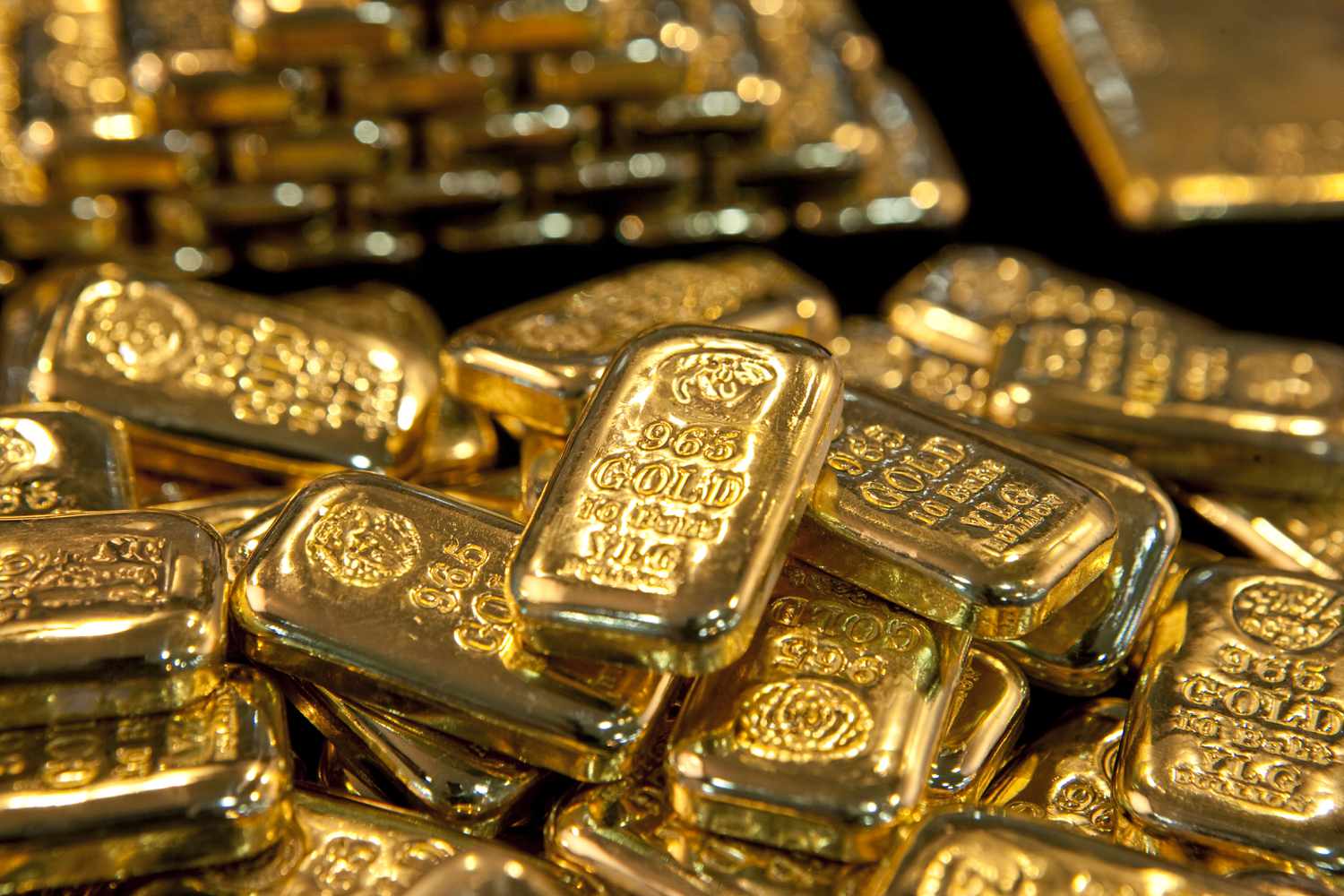
The Hallmarks of Authenticity: What to Look for on a Gold Bar
Genuine gold bars are meticulously crafted and marked with specific identifiers that serve as their “fingerprint.” Understanding these marks is your first line of defense.
1 Refiner’s Mark / Brand Logo. Every reputable gold bar carries the unique logo or insignia of the mint or refinery that produced it. Familiarize yourself with the marks of well-known refiners (e.g., PAMP, Credit Suisse, Valcambi, Rand Refinery, Emirates Gold, and Al Etihad Gold).
2 Purity (Fineness): This indicates the gold content.
- Most investment-grade bars are 999.9 (99.99% pure, also known as “four nines fine”) or 995 (99.5% pure, often seen in larger industrial bars).
- This is typically stamped as 99.99″ or “99.5”
3 Weight: The bar’s exact weight is stamped, usually in troy ounces (oz t) or grams (g) or kilograms (kg). Common sizes range from 1 gram to 1 kilogram, 10 ounces, and the 400 oz London Good Delivery bar.
4 Serial Number: Larger gold bars (typically 1 ounce and above) feature a unique serial number. This allows for traceability and can often be cross-referenced with the refiner’s records for verification.
5 Year of Manufacture (Optional but Common): Some refiners include the year the bar was produced.
The Importance of Assay Certificates and Authenticity Packaging
Beyond the bar itself, accompanying documentation and packaging are vital for verifying authenticity.
1 Assay Certificate (Certificate of Authenticity – COA): This is a formal document issued by the refiner or an independent assayer, confirming the bar’s purity, weight, and serial number. It acts as proof of the bar’s specifications at the time of assaying.
- What to look for: The certificate should match the bar’s serial number, list the refiner’s name, purity, and weight, and be signed by an authorized assayer.
2 Assay Card / CertiPAMP Packaging: Many smaller bars (especially 1 gram to 100 grams) come sealed within a tamper-evident “assay card” that displays all the bar’s information and serves as its certificate. Do NOT remove the bar from this sealed packaging if you intend to resell it, as it preserves its authenticity and marketability.
3 Tamper-Evident Packaging: Reputable refiners use advanced packaging with security features that show if the package has been opened or compromised.
Easy Physical Tests to Spot Fake Gold Bars
While not foolproof on their own, simple physical tests can help identify obvious counterfeits. Always combine these other verification methods.
1 The Magnet Test: Gold is not magnetic. If a bar sticks to a strong magnet, it’s fake or heavily alloyed with magnetic metals. (Limitation: Some fake gold uses non-magnetic metals like tungsten).
2 The Density (Weight) Test: Gold is one of the densest metals (Specific Gravity of 19.3 g/cm³).
- Measure the bar’s exact dimensions (length, width, height) with calipers and weigh it precisely with a calibrated scale.
- Compare these measurements to the known specifications for an authentic bar of that size and weight. A significant discrepancy indicates a fake.
- The “Ping” Test. Pure gold produces a long, clear, bell-like ring when gently tapped. Other metals produce a duller, shorter sound. (Requires practice and a good ear).
4 Ceramic Scratch Test: Rub the gold bar on an unglazed ceramic plate. Authentic gold will leave gold streak. Fake gold will leave a black or green streak. (This test can mark the bar).
- Acid Test (Caution Required!) Nitric acid test kits can differentiate gold from base metals, but they are corrosive and should be used with extreme care, ideally by a professional. This test also leaves a mark.
- X-Ray Fluorescence (XRF) Analysis: A non-destructive, highly accurate method used by many reputable dealers and refiners. It identifies the elemental composition of the bar without damaging it. This is a crucial step for serious buyers.
- Ultrasound Test: An Advanced method that uses sound waves to detect internal inconsistencies or different metals inside the bar, revealing hollow or plated fakes.
Where to Buy Authentic Gold Bars
Here’s a detailed list of trusted places to buy authentic gold bars in Africa, including location, why they’re reliable, and what makes them attractive to bulk buyers, investors, and exporters:
1. Gold prices in Africa – Uganda, Ghana, DRC, Kenya and, Tanzania
Website: www.goldpricessafrica.com
Type: Licensed Gold Export & Wholesale Company
Products: 24K & 22K gold bars (100g to 1kg), nuggets, dust
Why Choose
- Direct mine partnerships across East and West Africa
- Certified by local mineral authorities and international assay labs
- Provides export documentation, customs clearance, and secure logistics
- Trusted by UAE, India, and Europe-based investors
- Top Locations: Kampala, Accra, Bukavu (DRC), Kenya, and Dar es Salaam
- AsanSka Jewellery & Refinery Ltd – Accra, Ghana
Website: www.asanskajewellery.com
Type: Accredited refinery and gold bullion seller
Products: Refined 24K gold bars, customized bullion, gold granules
Why Choose:
- LBMA-compliant refining process
- Offers certified and sealed gold bars for export or safekeeping
- Local and international B2B bulk orders supported
Note: Appointments are required for large transactions and inspections.
- Rand Refinery – Germiston, South Africa
Website: www.randrefinery.com
Type: Africa’s largest and most reputable gold refinery
Products 24K minted and cast gold bars, Krugerrands, coins
Why Choose
Supplies gold to central banks and international mints
World-class security, auditing, and storage services
Highly trusted in the global bullion and investment markets
Best for: Investors seeking LBMA Good Delivery-certified gold
4. Tony Goetz Gold (TGC Africa) – Abidjan, Côte d’Ivoire
Website www.tonygoetzgold.com
Type: Regional gold trader and refinery with Belgian roots
Products: Refined gold bars, dore bars, industrial bullion
Why Choose:
- Backed by international quality standards
- Strong presence in Francophone Africa
- Ideal for gold sourced from West African ECOWAS states
Target Clients: International wholesalers and refiners
- Mineral Link Uganda Ltd – Kampala, Uganda
- Contact: MineralLink Office – Nasser Road
- Type: Licensed gold trading and export firm
- Products: 1kg and 500g gold bars, gold nuggets, raw ore
Why Choose:
- Works with small-scale miners and refines for export
- Offers competitive rates and buyer inspection before payment
- Handles legal export documentation (UBOS, URA, DGSM approvals)
Ideal For: First-time international buyers or regional dealers
Tips Before Buying Gold Bars in Africa.
- Verify licenses and mineral authority certifications
- Insist on assay reports and LBMA/GDL compliance if needed
- Conduct physical inspection or third-party verification
- Use secure escrow or trusted gold shipping and export agents
- Avoid black-market traders or unverified dealers
Buying Authentic Gold Bars in Africa: Specific Considerations & Avoiding Scams
Africa is a major gold-producing continent, offering opportunities but also carrying risks of fraud. Buyers, particularly those around Uganda and other East African nations, must be vigilant.
1 The Rise of Fake Gold Scams: East Africa, unfortunately, has seen a proliferation of sophisticated fake gold scams targeting foreign investors. These often involve promises of unusually low prices, fake documentation, and high-pressure tactics.
Warning Signs: Prices significantly below the international spot price, refusal of independent assaying, insistence on cash-only transactions, unverified “mining licenses,” and vague stories of origin.
Prioritize Licensed & Reputable Dealers/Refiners:
1 In Uganda: Verify licenses with the Ministry of Energy and Mineral Development, the Uganda Revenue Authority (URA), and the Kampala Capital City Authority (KCCA). Seek out established companies with verifiable physical offices and a long-standing reputation.
2 Regional Hubs: Look for dealers connected to international standards, such as those working with DMCC (Dubai Multi Commodities Centre) accredited refineries.
3 LBMA Good Delivery List: While large LBMA bars (400 oz) are typically for institutional investors, understanding which refiners are on the LBMA Good Delivery list gives you a benchmark for quality and ethical sourcing globally. Many African gold, once refined in Dubai, will meet these standards.
4 Demand Full Documentation: Always insist on:
- Sales contracts
- Official assay reports (from independent, third-party labs)
- Proof of origin and responsible sourcing documentation
- Export permits and tax clearances (from the selling country)
5 Never Pay Upfront Without Verification: Arrange for physical inspection and independent assaying before any significant payment is made. Use secure payment methods through established financial institutions.
6 Due Diligence on the Supply Chain: For raw or doré gold, understand the chain of custody from the mine to the point of sale. Responsible sourcing is not just ethical; it’s a legal requirement in many jurisdictions and protects you from association with illicit trade.
How to Verify the Authenticity of Gold Bars at Home
Buying gold bars is a significant investment. Whether you’re a seasoned buyer or a first-time investor, knowing how to verify the authenticity of your gold bars at home can protect you from fraud and counterfeit metals.
This guide provides easy, reliable methods you can use without professional tools—plus warning signs of fake gold bars.
1. Visual Inspection (Stamp & Packaging)
Start with your eyes:
- Check for stamps: Genuine bars usually have:
- Purity (e.g., “999.9” or “24K”)
- Weight (e.g., 100g, 1kg)
- Refiner’s mark (e.g., Valcambi, PAMP, Rand Refinery)
- Serial number
- Examine packaging:
- Sealed blister pack or assay card
- No spelling errors or damaged labels
Red flags: Faded logos, misspellings, odd fonts, or missing details.
2. Magnet Test
Gold is not magnetic.
Steps:
- Use a strong neodymium magnet
- Hold the magnet near the gold bar
- If it sticks or reacts: Fake or alloyed metal
Pro Tip: Gold-coated tungsten may pass this test—so combine it with others.
3. Weight & Dimensions Check
Real gold has a specific density: 19.32 g/cm³
Steps:
- Weigh the gold bar on a digital scale
- Measure its length, width, and thickness
- Use the formula:Density=Mass (grams)Volume (cm3)\text{Density} = \frac{\text{Mass (grams)}}{\text{Volume (cm}^3\text{)}}
Mismatch in weight or dimensions? Likely fake or filled with other metals.
4. Sound or Ping Test
Gold produces a distinct soft, high-pitched “ping” when struck.
How to test:
- Gently tap your bar with a metal rod or another gold item
- Listen for:
- Pure gold: Soft, long, resonant sound
- Fake gold: Dull, short, or clunky sound
Tip: Use a gold testing app to compare frequencies.
5. Home Acid Test Kit
A popular at-home method using nitric acid solution.
What you’ll need:
- Gold test acid (10K to 24K)
- Scratch stone
- Gloves + goggles
Steps:
- Scratch gold bar lightly on the test stone
- Drop acid on the mark
- Match the reaction:
- No reaction = Real gold
- Green or milky color = Fake gold or low-karat alloy
Caution: Handle acids with care and follow instructions.
6. Use a Gold Scanner App or Digital Tester
There are handheld devices and smartphone-compatible tools that analyze metal properties using ultrasonic or XRF-like technology.
Examples:
- Sigma Metalytics Scanner
- Kee Gold Tester
- Auracle AGT3
Fast and safe, but more costly upfront.
7. Scratch Test (Not Recommended for Investment Bars)
You can scratch the surface to see if a different metal shows beneath.
Not advised for sealed or investment-grade bars—it lowers their value.
Use this only on suspected fakes or scrap gold.
Warning Signs of Fake Gold Bars
Watch out for these signs:
| Red Flag | Possible Reason |
|---|---|
| No serial number or purity mark | Counterfeit bar or unrefined gold |
| Sticks to a magnet | Gold-plated or alloyed metal |
| Discoloration on the surface | Gold-plated fake |
| Light in weight or oversized | Filled with tungsten or other cheap metals |
| Cheap packaging or fake assay card | Tampered or reused material |
NOTE
- Buy only from licensed, reputable dealers with a physical address and export licenses.
- Always request:
- Assay certificate
- Receipt and invoice
- Third-party authentication option
When in doubt, get a second opinion from a trusted gold testing lab or dealer.
Need Trusted Gold Bars in Africa?
If you’re looking to buy or verify 24K or 22K gold bars in Uganda, Ghana, Kenya, South Africa, or Dubai, consider working with a certified supplier like Gold Buyers Africa for guaranteed authenticity, proper documentation, and secure delivery.
Ways to Safely Buy Gold Bars in Uganda: A Step-by-Step Guide for International Clients
Uganda has become one of Africa’s most attractive gold sourcing destinations due to its strategic location, growing mining industry, and investor-friendly gold export policies. However, for international clients, purchasing gold bars in Uganda requires careful planning, due diligence, and compliance.
1 Verify the Gold Dealer’s Legitimacy
What to Do:
Confirm that the gold dealer is licensed by the Directorate of Geological Survey and Mines (DGSM).
Ask for their export permit, Uganda Revenue Authority (URA) registration, and company registration certificate.
Choose known names like Gold Buyers Africa or Gold Prices in Africa Limited
Why It Matters:
- Ensures you’re dealing with a legal and traceable supplier.
- Protects you from scams, fake bars, and black-market dealings.
2 Inspect the Gold Before Payment
What to Do:
Travel to Kampala or send a trusted representative.
Arrange for the physical inspection and weight verification of the gold bars.
Request an assay report from an accredited lab (such as Geological Survey Lab or private assay firms).
Why It Matters:
Confirms gold purity (e.g., 24K = 99.99%) and weight.
Helps you detect fakes or mixed metals before parting with money.
3 Use a Secure Escrow or Payment Platform
What to Do:
Avoid paying large amounts in cash or informal transfers.
Use secure escrow services (via lawyers, banks, or gold export firms).
Confirm invoice terms, bank details, and contract agreement before payment.
Why It Matters:
- Reduces the risk of fraud or non-delivery.
- Ensures both parties are protected during the transaction.
4 Complete Legal Documentation for Export
What to Do:
Ensure the dealer prepares the following:
- Export permit
- Customs clearance (URA Form C17)
- Gold license copy
- Assay certificate
- Invoice and packing list
- Gold must go through Entebbe International Airport customs.
Why It Matters:
- Enables legal export to UAE, India, Europe, or any destination.
- Avoids gold seizure or legal issues during shipment.
5 Choose a Trusted Logistics or Security Courier
What to Do:
Use secure gold shipment companies (like Brinks, G4S, or a licensed logistics firm).
- Ensure your shipment is through a third-party insurance provider.
- Confirm you’re tracking number and receive a customs-cleared export receipt.
Why It Matters:
- Ensures gold is safely delivered to your destination.
- Protects your investment from loss, theft, or mishandling.
Note. Work with Licensed Gold Exporters Like [Gold Buyers Africa] (www.goldbuyersafrica.com)
They offer:
- Full buyer assistance
- Legal export facilitation
- Assay-certified gold bars
- Secure international delivery
Note. Buying gold bars in Uganda is safe and profitable if done correctly. With licensed dealers, verified documents, secure payments, and professional export support, you can confidently source authentic 24K gold from Uganda to your international location.
Fake vs Real Gold Bars: How to Tell the Difference
In today’s global gold trade, especially across Africa, the UAE, and Asia—fake gold bars have become a major concern for investors and buyers. Whether you’re sourcing gold bars in Uganda, Dubai, Ghana, or Belgium, it’s critical to know how to distinguish real gold bars from counterfeits to avoid financial loss or legal complications.
Below is your comprehensive comparison and guide to detecting fake vs real gold bars.
Key Differences: Fake vs Real Gold Bars
| Feature | Real Gold Bars | Fake Gold Bars |
|---|---|---|
| Purity Markings | Stamped with purity (e.g., 999.9 or 24K) & serial number | Often missing, poorly engraved, or have incorrect values |
| Weight Accuracy | Precise weight (e.g., 1kg = 1000g) | Often off by a few grams or more |
| Sound Test | Real gold produces a soft, long ‘chime’ sound | Fake bars sound dull, metallic, or short |
| Magnetic Test | Non-magnetic | May stick to magnets if mixed with ferrous metals |
| Price Comparison | Reflects real-time market price | Priced too low or far below spot price (a red flag) |
| Assay Certificate | Comes with lab certificate (XRF or Fire Assay) | No certification or forged documents |
| Color & Shine | Rich yellow, consistent shine | May look pale, too shiny, or off-color |
Trusted Hallmarks to Look for on Real Gold Bars
Always check for these marks on legitimate gold bars:
-
Refiner Logo (e.g., Metalor, Rand Refinery, Emirates Gold)
-
Weight & Purity Stamp (e.g., 1kg, 999.9)
-
Serial Number
-
Assay Stamp or Certified Packaging
How Reputable Entities Ensure Authenticity
The global gold industry relies on a network of trusted entities to maintain integrity.
1 Refineries: Licensed and accredited refineries (like those on the LBMA Good Delivery List or DMCC Good Delivery List) adhere to stringent purity, weight, and ethical sourcing standards.
2 Assayers: Independent assaying laboratories provide unbiased verification of gold content.
3 Regulators: Government bodies (e.g., UAE Ministry of Economy, DMCC) implement strict AML (Anti-Money Laundering) and KYC (Know Your Customer) regulations, ensuring legal and transparent transactions.
4 Security & Logistics: Reputable security firms specialize in the secure transportation and storage of high-value bullion.
Legal & Tax Considerations When Importing Gold Bars into Africa
Importing gold bars into African countries requires a solid understanding of legal frameworks, customs procedures, and taxation policies—all of which vary by country. Whether you’re bringing gold into Uganda, Ghana, Kenya, South Africa, or Nigeria, failure to comply can lead to confiscation, heavy fines, or prosecution.
This guide outlines the key legal and tax considerations international clients and African traders must understand before importing gold bars into Africa.
1 Understand Import Licensing & Registration
Before gold can be imported into any African country, the importer must typically:
- Register as an importer/trader of minerals with the appropriate government agency.
- Acquire a valid import license from the national mineral authority or customs department.
- In most cases, you must be:
- A resident entity or have a registered local partner
- Licensed by the mines and geology department or similar body
Country examples:
- Uganda: Importers must register with the Directorate of Geological Survey and Mines (DGSM)
- Ghana: Importation of gold requires a permit from the Precious Minerals Marketing Company (PMMC)
- Kenya: Import license from the Ministry of Mining and Petroleum
2 Customs Duties & Taxation on Gold Imports
Most African countries treat gold as a strategic commodity, often taxed differently from general imports. You may face:
| Tax Type | Applied? | Typical Rate/Note |
|---|---|---|
| Import Duty | Sometimes | 0–5% in some countries, often waived for bullion |
| VAT / GST | Yes | Often between 5%–18%, but may be reclaimable |
| Royalties / Levies | Yes | May apply based on weight/value (0.5%–2%) |
| Withholding Taxes | Rare | Sometimes charged on commercial declarations |
Example:
- In Uganda, gold bars imported for export may be VAT exempt, but documentation is key.
- In South Africa, import VAT applies unless special exemption is filed.
3 Required Documentation
To legally import gold bars, ensure you have the following:
- Commercial Invoice
- Packing List (indicating weight, purity, quantity)
- Certificate of Origin
- Assay Certificate from a recognized refinery or lab
- Customs Entry Form / Bill of Entry
- Valid Import License
- Waybill or Airway Bill
Failure to present accurate documents often results in delays or confiscation at the border.
Compliance With Anti-Money Laundering (AML) Laws
Gold imports must comply with AML and Counter-Terrorism Financing (CTF) policies.
Most African countries require:
- Full Know Your Customer (KYC) of both sender and receiver
- Declared source of funds
- Third-party verification of exporter’s credentials
- Use of licensed banks or forex bureaus for payment
Warning: If documentation is incomplete or suspicious, customs and Interpol may be alerted.
What’s Illegal or Risky
Avoid the following at all costs:
- Importing gold from unlicensed exporters
- Using fake or incomplete assay certificates
- Hiding gold in shipments (smuggling)
- Under-declaring gold value to evade taxes
- Cash payments without traceable bank records
Penalties range from heavy fines to imprisonment, and you could lose your gold.
Best Practices for Safe Gold Imports into Africa
- Work with a licensed local clearing agent
- Use accredited refineries and certified transporters (e.g., Brinks, G4S)
- Always request an official customs clearance certificate
- Store in licensed vaults until resale or export
- File returns to customs and mineral authorities within required timelines
Import Gold Bars into These Top African Countries
| Country | Key Authority | VAT / Duty Notes |
|---|---|---|
| Uganda | Directorate of Geological Survey & Mines | Often exempt for bullion |
| Ghana | PMMC & Ghana Revenue Authority | Duty-free under PMMC route |
| South Africa | South African Revenue Service (SARS) | VAT applies, reclaimable by exporters |
| Kenya | Ministry of Mining & KRA | Must declare through JKIA/Nairobi port |
| Nigeria | Ministry of Mines & Customs Service | Risky without valid permits |
Note. Importing gold bars into Africa is legally possible and profitable, but only when done by the book. From licensing and taxes to AML compliance and customs documentation, international gold buyers must follow each country’s rules meticulously.
To simplify your process, always consult a legal advisor or work with a licensed gold trading company in Africa like Gold Buyers Africa, who can handle legal compliance, paperwork, and customs clearance professionally.
Conclusion: Invest with Confidence – Your Partner for Authentic Gold
Purchasing authentic gold bars is the cornerstone of a sound gold investment. While the gold market can be complex, especially in regions like Africa, armed with the right knowledge and the right partner, you can navigate it with confidence. Prioritizing due diligence, demanding transparent documentation, and insisting on independent verification are non-negotiable steps.
At Gold Prices in Africa limited, based in Uganda, we understand the unique challenges and immense opportunities of the African gold market. We specialize in connecting serious buyers with ethically sourced, independently assayed, and fully documented authentic gold bars. Our commitment to transparency, legal compliance, and secure logistics ensures that your investment is not just profitable, but also safe and legitimate, whether for local acquisition or international export.
Don’t compromise on authenticity. Contact www.goldpricesinafrica.com today to discuss your gold bar acquisition needs and ensure a secure, verified transaction.
Frequently Asked Questions about Authentic Gold Bars
- What exactly is an authentic gold bar?
An authentic gold bar is a cast or minted piece of refined gold that meets recognized purity and weight standards, carries identifiable hallmarks (such as refinery stamps and serial numbers), and is accompanied by an assay certificate verifying its fineness (e.g., 99.99% pure).
- How can I verify the authenticity of a gold bar?
- Visual inspection: Check for clear hallmarks, serial numbers, and assay certificate.
- Weight & dimensions: Compare against official specs (for example, a 1 kg bar should weigh precisely 1 kg).
- Magnet test: Pure gold is non-magnetic; any attraction suggests impurities or a fake.
- Acid test: A small scratch and drop of nitric/hydrochloric acid can confirm fineness—real gold won’t corrode.
- Electronic/XRF testing: Professional devices can non-destructively measure alloy composition.
3. What hallmarks should I look for on a genuine gold bar?
- Refinery logo: e.g., PAMP, Valcambi, Metalor.
- Purity stamp: Typically “999.9” or “999.99”.
- Serial number: A unique identifier matching the assay certificate.
- Weight marking: In grams or kilograms.
- Assayer mark: Sometimes an additional mark from an independent assay house.
- What purity standards exist for gold bars?
- 24 karat (99.9–99.99%): The industry standard for investment bars.
- 22 karat (91.6%): Common in jewelry but rarely used for investment bars.
- Always choose bars marked “999.9” (four nines) for maximum liquidity.
5. What is an assay certificate and why is it important?
An assay certificate is an official document from the refinery or independent assayer confirming the bar’s weight and purity. It guarantees the bar’s value, underpins trust in secondary markets, and is often required for resale or collateral purposes.
- What’s the difference between LBMA-approved bars and non-approved bars?
- LBMA-approved: Produced by refineries meeting the London Bullion Market Association’s Good Delivery standards—universally accepted and highly liquid.
- Non-approved: May have slightly lower premiums but can be harder to resell at spot value, especially internationally.
- How do bar weight and size affect authenticity checks?
Standard sizes (1 g, 5 g, 10 g, 1 oz, 100 g, 1 kg) have published dimensions. Deviations can indicate hidden cores or counterfeits. Always measure thickness, length, and width against manufacturer specs.
8. Can I accurately test gold bars at home?
Yes, basic home tests include the magnet and acid tests as well as using a precise digital scale. For absolute certainty, professional XRF or ultrasonic devices—available through dealers—provide non-destructive, accurate readings.
- What’s the difference between cast and minted gold bars?
- Cast bars: Poured into molds; typically have a rustic finish and are more affordable.
- Minted (ingot) bars: Stamped under high pressure for a mirror finish, precise edges, and clearer hallmarks; carry slightly higher premiums.
- How do I ensure I’m buying from a reputable dealer?
- Check accreditation: Look for dealers registered with LBMA, local bullion associations, or major mints.
- Read reviews: Verify reputation on industry forums and customer feedback.
- Transparent pricing: Reputable dealers list spot price, premiums, and fees upfront.
- Physical presence: Established brick-and-mortar shops or secure vaults add credibility.
- What are common counterfeit gold bar scams in Africa?
- Under-weight bars: Bars with tungsten cores plated in gold.
- Fake stamps: Poorly engraved or mismatched hallmarks.
- Bogus certificates: Generic or photocopied assay papers.
- Online scams: Listings of bars at deep discounts without verifiable provenance.
- What’s the best way to store and secure my gold bars?
- Home safes: Choose a certified, fire-rated safe bolted to the floor.
- Bank safety deposit boxes: High security but limited accessibility.
- Professional vault storage: Insured, audited vaults offered by bullion banks or bullion storage firms.
- How is the value of a gold bar determined?
- Spot price: Daily market rate per ounce/gram.
- Premium: Dealer markup based on bar size, brand, and liquidity.
- Condition & certification: Bars in original sealed packaging with intact certificates command higher resale.
- 14. Are there taxes or duties on importing gold bars into African countries?
Regulations vary by country. Many impose import duties or VAT, often between 5 % and 20 %. Always check local customs regulations before shipping, and budget for clearance fees, documentation, and insurance.
- How can I sell my authentic gold bars quickly and safely?
- Authorized dealers: Offer instant buyback programs at published rates.
- Online bullion marketplaces: Provide access to a broad buyer pool, but watch for seller fees.
- Auctions or coin shops: Good for rare or collectible bars but may carry higher commissions.
- Peer-to-peer networks: Potentially better margins but require careful vetting and secure meeting protocols.