How to Buy Gold in Tanzania Legally | Step-by-Step Guide for 2025
Tanzania, a jewel of East Africa, is not only renowned for its breathtaking landscapes and adventure activities like hot air balloon safaris in the Serengeti, but also for its status as one of Africa’s leading gold producers. As the continent’s fourth-largest gold producer, with major mines like Geita, Bulyanhulu, and North Mara, Tanzania offers investors a unique chance to acquire high-quality gold at competitive prices. Whether you’re a seasoned investor, a jeweler, or someone seeking a stable asset to diversify your portfolio, buy gold in Tanzania through our government-licensed company is a secure, profitable, and rewarding decision
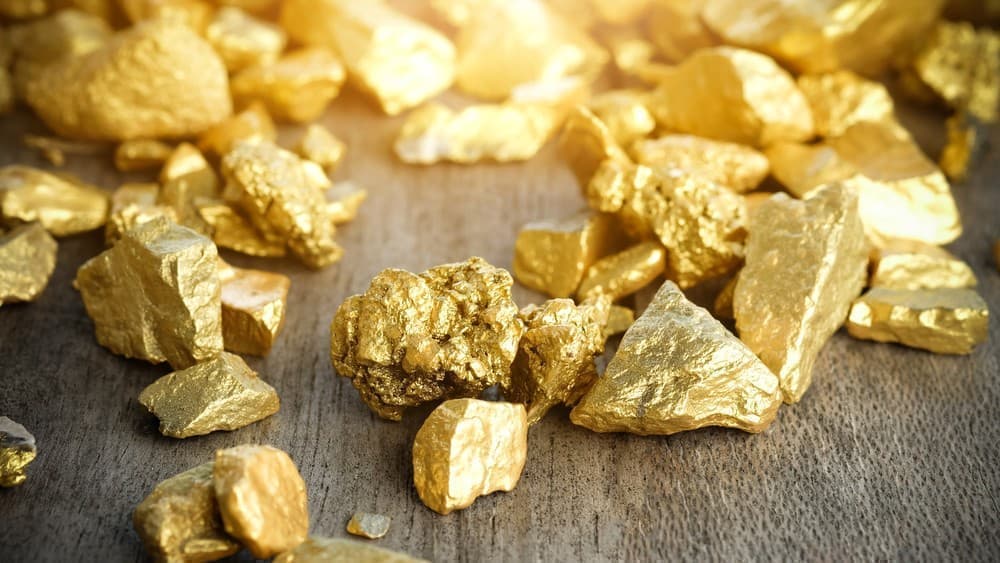
Why Gold in Tanzania?
Tanzania’s gold market is a powerhouse, contributing 89.85% of the country’s mineral revenues in 2020/21 and generating USD 2.743 billion in exports in 2021. With vast reserves in regions like Geita, Shinyanga, and Mara, the country produces high-purity gold (22-24 carats) from world-class mines operated by companies like AngloGold Ashanti and Barrick Gold. This robust mining industry, coupled with Tanzania’s political stability and investor-friendly reforms, makes it an ideal destination for gold buyers. The government’s recent initiatives, such as the Central Bank of Tanzania’s plan to purchase 20% of locally produced gold to bolster reserves, signal strong confidence in the metal’s long-term value. buy gold in Tanzania
Gold is a timeless safe-haven asset, prized for its ability to hedge against inflation, currency devaluation, and geopolitical uncertainty. In Tanzania, buyers benefit from competitive pricing due to proximity to mining sources and lower labor costs, which reduce intermediary markups compared to global markets. For example, while global 24K gold prices hover around USD 71,200 per kilogram, Tanzania’s prices are often slightly lower, around USD 71,650, reflecting local efficiencies. Investing in physical gold—whether bars, coins, or nuggets—offers tangible security, especially in a stagflationary environment where economic growth is sluggish and inflation persists. Tanzania’s stable regulatory framework, enforced by the Ministry of Minerals, ensures that transactions are legal and secure when conducted through licensed dealers like us.
Beyond financial benefits, Tanzania’s gold market supports sustainable development. Revenue from gold purchases funds community projects, anti-poaching efforts, and habitat conservation, aligning your investment with ethical impact. By choosing Tanzania, you’re not just securing wealth, you’re contributing to a nation’s growth while enjoying the opportunity to explore its natural wonders. buy gold in Tanzania
Gold Prices in Tanzania
Understanding current gold prices is crucial for informed investment. As of July 2025, gold prices in Tanzania are driven by the global spot price, set by the London Bullion Market Association (LBMA) at approximately USD 3,300 per troy ounce, with local prices converted to Tanzanian Shillings (TZS) based on an exchange rate of 1 USD = 2,694.96 TZS. Below is a table summarizing approximate gold prices in Tanzania for various purities and units, based on recent data:
| Unit | 24K Gold (TZS) | 22K Gold (TZS) | 18K Gold (TZS) |
| Per Gram | 287,790.18 | 263,807.67 | 215,842.64 |
| Per Ounce | 8,951,283.56 | 8,205,342.76 | 6,713,462.67 |
| Per Kilogram | 287,790,180 | 263,807,670 | 215,842,640 |
| Per Tola | 3,357,269.44 | 3,077,496.82 | 2,517,952.08 |
Note: Prices are approximate, based on and, and subject to daily fluctuations. Dealer premiums (5-10%) may apply for refining, transportation, or storage. The Bank of Tanzania may charge slightly higher prices for added security, while black-market prices can be 5-30% lower but carry significant risks.
These prices reflect Tanzania’s competitive edge, with 24K gold per gram at approximately USD 106.74 (TZS 287,790.18), closely aligned with global rates but often more affordable due to local sourcing.
Gold Price Comparison: Tanzania vs. Uganda, Kenya, and DRC
To highlight Tanzania’s value proposition, let’s compare its gold prices with those in Uganda, Kenya, and the DRC. Each country has a unique gold market influenced by production costs, currency fluctuations, and regulatory frameworks. Below is a table comparing 24K gold prices per kilogram and per gram as of July 2025, based on available data:
| Country | Price per Kilogram (USD) | Price per Gram (USD) | Key Factors |
| Tanzania | 71,650 | 71.65 | Competitive due to major mines (Geita, Bulyanhulu), stable regulations. |
| Uganda | 70,300 | 70.30 | Cheapest in Africa due to low production costs, weak currency. |
| Kenya | 72,100 | 72.10 | Higher due to limited production, strong demand for jewelry. |
| DRC | 71,200 | 71.20 | Slightly lower due to vast reserves but risks from illegal mining. |
Note: Prices are approximate and converted from local currencies using exchange rates (e.g., 1 USD = 2,694.96 TZS, 1 USD = 3,800 UGX, 1 USD = 129 KES, 1 USD = 2,800 CDF).
Analysis:
- Tanzania: Offers a balance of competitive pricing and regulatory stability. Its proximity to major mines reduces costs, making it ideal for buyers seeking value and security.
- Uganda: The cheapest option due to lower production costs and a weaker shilling, but its market is less developed, with higher risks of unregulated sales.
- Kenya: Slightly higher prices reflect limited domestic production and strong jewelry demand, making it less cost-effective for bulk buyers.
- DRC: Competitive prices due to vast reserves, but political instability and illegal mining increase risks, making verified dealers essential.
Tanzania stands out for its combination of affordability, high-purity gold, and a well-regulated market, making it a safer and more reliable choice compared to Uganda or the DRC, while being more cost-effective than Kenya.
Where and How to Buy Gold in Tanzania
Buying gold in Tanzania requires careful navigation to ensure legality and authenticity. Here’s a step-by-step guide on where and how to purchase gold through our trusted company:
- Where to Buy Gold:
- Licensed Gold Dealers: Found in major cities like Dar es Salaam, Arusha, and Mwanza, these dealers are regulated by the Tanzania Mining Commission. Our company partners with top dealers in these hubs, ensuring certified gold.
-
- Bank of Tanzania: The central bank offers gold bars with government-backed security, ideal for risk-averse buyers, though prices may include a slight premium.
-
- Gold Markets: Physical markets near mining areas (Geita, Shinyanga) offer direct purchases, but we recommend our verified partners to avoid risks.
-
- Online Platforms: Our secure online platform allows you to browse gold bars (1g to 1kg), coins, or nuggets, with real-time pricing and delivery options.
- How to Buy Gold:
- Contact Us: Reach out via email ([email protected]) or WhatsApp to discuss your investment goals.
- Browse and Select: Explore our catalog of gold products, with weights and purities clearly listed. For example, a 100g 24K gold bar costs approximately TZS 28,779,018 (USD 7,165). buy gold in Tanzania
-
- Verify Purity: We provide certificates of authenticity from the Tanzania Bureau of Standards (TBS) or independent assayers, confirming 22-24 carat purity.
-
- Secure Payment: Pay via bank transfer or other trusted methods. Our platform ensures encrypted transactions for safety.
- Delivery or Pickup: Choose secure delivery to your address (worldwide) or pickup at our offices in Dar es Salaam, Arusha, or Mwanza. We handle all export documentation, including permits and customs forms.
-
- Export for International Buyers: We manage export permits, assay certificates, and customs declarations, ensuring compliance with Tanzanian law (4-6% export tax applies).
Our company streamlines this process, offering convenience, transparency, and compliance, unlike unregulated sellers who risk counterfeit gold or legal issues.
Steps to Buy Gold in Tanzania
Step 1: Understand the Legal Requirements
Before buying gold in Tanzania, familiarize yourself with the mining and export laws under the Tanzania Mining Act. Key requirements include:
- Only dealing with licensed gold dealers.
- Obtaining an export permit if you’re buying for international purposes.
- Complying with Tanzania Revenue Authority (TRA) and Bank of Tanzania regulations for payment and taxation.
Tip: Always ask for the seller’s mineral trading license issued by the Ministry of Minerals.
Step 2: Identify a Licensed Gold Dealer or Seller
Work only with registered gold dealers or authorized brokers. You can:
- Check the Ministry of Minerals’ list of licensed dealers.
- Contact reputable companies operating in gold trading hubs like Mwanza, Geita, or Dar es Salaam.
- Use referrals or do background checks on platforms like the Tanzania Chamber of Mines.
Warning: Avoid street-level transactions or unlicensed sellers to prevent scams or seizure.
Step 3: Verify the Gold’s Authenticity and Purity
Always inspect the gold before purchasing. Ensure:
- Assay testing is done at a certified Tanzanian refinery or government laboratory.
- You receive proper documentation: weight, purity (usually 22K–24K), and assay reports.
- The gold is conflict-free and traceable.
Ask for gold certificates and ensure the gold is not sourced from restricted or illegal areas.
Step 4: Agree on Pricing and Payment Terms
Gold prices in Tanzania are usually based on the daily international gold spot price, minus a negotiated discount. Payment options may include:
- Bank transfer in USD or TZS
- Escrow services (recommended for international buyers)
- Cash payments in person (only with licensed dealers and receipts)
Always get a receipt and signed invoice for any transaction.
Step 5: Complete the Documentation and Export Process (if needed)
If you’re an international buyer:
- The seller must obtain a gold export permit from the Ministry of Minerals.
- Gold is shipped via authorized logistics companies (usually through Dar es Salaam International Airport).
- Ensure export duty, royalty fees, and taxes are paid.
You will receive a Customs Export Declaration, assay report, and invoice with your shipment.
Places to Find Licensed Gold Dealers in Tanzania
Here are key places in Tanzania where you can find licensed gold dealers, especially if you’re looking to buy gold legally and securely: buy gold in Tanzania
- Dar es Salaam – Tanzania’s Commercial Capital
Dar es Salaam hosts many headquarters of licensed gold trading companies, refineries, and international gold exporters. You’ll find:
- Registered gold dealers with offices in city districts like Kariakoo, Ilala, and City Centre.
- The Tanzania Gold Exchange Market, where gold is bought and sold under government supervision.
- Proximity to government offices like the Ministry of Minerals and the Tanzania Revenue Authority (TRA) for documentation and permits.
Best for: International buyers, bulk gold purchases, export facilitation.
- Mwanza – The Lake Zone Mining Hub
Mwanza is a major mining city near Lake Victoria and a gateway to large gold-producing areas like Geita and Shinyanga. It has:
- Licensed gold trading offices.
- Assay labs and small-scale refineries.
- Direct access to artisanal and small-scale miners (ASMs) under government regulation.
Best for: Regional bulk buyers, traders working with small-scale miners, and access to freshly mined gold.
- Geita – Tanzania’s Leading Gold Producing Region
Geita is home to Geita Gold Mine (GGM) and hundreds of small-scale gold operations. The region has:
- Gold trading centers set up by the government to formalize the market.
- Licensed dealers and agents who work with both local miners and exporters.
- On-site weighing, purity testing, and compliance offices.
Best for: Buyers seeking high-quality gold from primary mining areas.
- Arusha – Northern Trade and Logistics Hub
Though not a major mining zone, Arusha is a strategic gold dealing location due to its access to:
- Cross-border trade routes (especially with Kenya).
- Gold sellers from surrounding regions like Manyara, Simanjiro, and Singida.
- Legal gold dealers and brokers who cater to the tourist and investor markets.
Best for: Boutique and small-scale gold purchases, cross-border investors.
- Mbeya – Southern Highlands Mining Corridor
Mbeya is emerging as a regional hub for gold dealers due to its proximity to gold zones in southwestern Tanzania. It offers:
- Access to gold sourced from Chunya and other artisanal mining areas.
- Government-licensed gold trading posts.
- Reliable logistics for local and regional transactions.
Best for: Buyers interested in gold from southern Tanzania, artisanal trade networks.
Documents Required When Buying Gold in Tanzania
1. Mineral Trading License (from the Seller)
This is the most important document. The seller must present a valid Mineral Trading License issued by the Tanzania Mining Commission or Ministry of Minerals.
Why it’s important: It proves the dealer is legally authorized to sell gold. If they can’t show this, walk away.
- Assay Report / Gold Purity Certificate
Before completing the transaction, the gold should be tested for purity by a certified assay lab or refinery. The assay report includes:
- Purity level (e.g., 92%, 95%, or 99.5%)
- Weight
- Identification number (if barcoded)
This guarantees you’re getting what you’re paying for.
- Invoice or Purchase Receipt
A licensed dealer must provide an official invoice with:
- Seller’s company name and license number
- Buyer’s name or company
- Weight and purity of the gold
- Agreed price and total value
- Date and location of sale
This serves as proof of ownership and is needed for export processing.
- Tax and Royalty Payment Receipts
The Tanzanian government requires that royalties (6%) and withholding tax (5%) be paid on gold transactions.
These are usually handled by the seller, but you should:
- Ask for receipts showing that these fees have been paid.
- Ensure all taxes are settled before proceeding with export.
These payments go to the Tanzania Revenue Authority (TRA).
- Export Permit (if applicable)
If you’re planning to take the gold out of Tanzania, an export permit must be obtained through:
- The Ministry of Minerals
- In coordination with TRA and the Tanzania Minerals Audit Agency (TMAA)
Documents required to apply for the permit:
- Purchase invoice
- Assay report
- Proof of tax and royalty payments
- Packing list and gold bar serial numbers
The export permit is mandatory for customs clearance at the airport.
Optional Documents (Recommended for Buyers)
6. Proof of Identity
As a buyer, you may be asked to show:
- Passport (for foreigners)
- National ID (for locals)
- Business registration documents (if buying through a company)
7. Contract or Sales Agreement (for large deals)
For bulk purchases or international exports, a formal contract may be drafted detailing:
- Quantity
- Quality
- Payment terms
- Delivery/export arrangements
- Dispute resolution
This protects both parties legally.
Important Reminders:
- Never buy gold without documentation.
- Always cross-check the seller’s license and tax receipts.
- Insist on assay testing before final payment.
- For international buyers, use export-compliant dealers or refineries.
Legal Ways to Export Gold from Tanzania
Here are legal ways to export gold from Tanzania, following the regulations set by the Tanzanian Ministry of Minerals, the Tanzania Revenue Authority (TRA), and other relevant authorities.
- Export Through a Licensed Gold Dealer
The most straightforward and secure way is to:
- Partner with a licensed gold exporter or dealer who has a valid Mineral Trading License.
- The licensed dealer will handle documentation, customs clearance, royalty payments, and shipment.
Important: Always verify the dealer’s license with the Tanzania Mining Commission or Ministry of Minerals before proceeding. buy gold in Tanzania
- Use the Government-Designated Gold Buying and Export Centers
Tanzania has established Mineral Trading Centers in key gold-producing regions like:
- Geita
- Mwanza
- Shinyanga
At these centers:
- Gold is weighed, tested, and documented.
- The buyer pays the appropriate taxes and royalties.
- The center issues official export clearance documents, including export permits.
This ensures transparency and compliance with Tanzanian laws.
- Obtain an Individual or Corporate Gold Export Permit
If you want to export gold yourself (not through a dealer), you must:
- Register your business in Tanzania (as a local or foreign company).
- Apply for a Gold Export Permit from the Ministry of Minerals.
Comply with:
- Payment of royalties (6%)
- Withholding tax (5%)
- Customs procedures through TRA and TMAA (Tanzania Minerals Audit Agency)
You’ll also need an assay report confirming purity from a licensed lab or refinery.
- Export via a Certified Gold Refinery
Licensed refineries in Tanzania, such as those in Dar es Salaam or Mwanza, often:
- Buy gold from miners or traders.
- Refine it to 99.5%+ purity (good delivery standard).
- Provide legal export documentation, including assay certificates and invoices.
- Ship directly to international buyers.
This method is commonly used by international clients who want high-purity gold ready for investment or resale.
- Use a Government-Cleared Logistics or Courier Agent
After securing all legal documents, the gold must be shipped through:
- A registered logistics or clearing agent authorized to export minerals.
- Often through Julius Nyerere International Airport (JNIA) in Dar es Salaam.
- The gold is inspected by:
- TRA
- Police minerals unit
- Ministry of Minerals officials
All packages must be sealed and declared properly, with export duties fully paid.
Note. It is illegal to export gold from Tanzania:
- Without a license or export permit
- In raw form without paying government royalties
- Through informal couriers or smugglers
Violations can result in confiscation, arrest, and blacklisting.
Taxes & Regulations for Buying and Exporting Gold in Tanzania (2025)
| Category | Details | Applicable Entity | Notes |
|---|---|---|---|
| Export Royalty Tax | 4% of FOB (Free on Board) value | Exporters | Payable to Tanzania Revenue Authority (TRA) before export. |
| Inspection & Assay Fee | 1% of value | Exporters | Assessed by the Tanzania Minerals Audit Agency (TMAA) for purity and weight certification. |
| Withholding Tax (on profit) | 10% (if applicable) | Investors/resellers | Applies if selling gold locally or repatriating profits. |
| Export Permit Fee | USD 100 – USD 200 per shipment | Exporters | Issued by the Ministry of Minerals; required for legal export. |
| Value Added Tax (VAT) | 0% (Exempt for exports) | Exporters | Gold for export is VAT-exempt, while local sales may attract VAT. |
| Customs Clearance Fee | Varies by shipment (USD 50–200 avg.) | Exporters | Required at point of exit (e.g., airport, border). |
| Company Licensing | Approx. USD 1,000/year | Gold trading companies | Must register with the Tanzania Mining Commission. |
| Dealer Registration | TZS 2,000,000–5,000,000 | Gold dealers | Must be licensed as a mineral dealer or refiner. |
| Reporting Requirement | Monthly export & trade reports | Licensed dealers/exporters | Submitted to the Mining Commission for compliance. |
| Foreign Buyer Eligibility | Allowed with valid passport & KYC | International buyers | Must purchase via licensed dealer with documentation. |
Additional Compliance Tips:
-
Always buy from licensed dealers registered with the Tanzania Mining Commission.
-
Exporters must declare gold at customs, including assay certificate, invoice, and permit.
-
Use third-party assayers or the Tanzania Bureau of Standards (TBS) for purity verification.
Why Buy with Us? Trust and Value
Choosing us ensures a secure and profitable investment:
- Licensed and Reputable: We are registered with the Tanzania Mining Commission, sourcing gold from verified mines like Geita and North Mara.
- Transparent Pricing: Real-time price updates align with global rates, with no hidden fees. For example, a 1kg 24K gold bar costs USD 71,650, competitive with global markets.
- Expert Guidance: Our team, including local consultants and legal experts, provides market insights and navigates regulations, maximizing your investment’s value.
- Safe Transactions: We avoid black-market risks, ensuring all gold is certified and transactions are documented.
- Global Reach: We facilitate exports to markets like the USA, UAE, or Europe, connecting you with buyers for potential resale profits (USD 2,000-$10,000 per kg).
Frequently Asked Questions About Buying Gold in Tanzania
- Is it legal to buy gold in Tanzania?
Yes, buying gold in Tanzania is legal as long as the transaction is conducted through a licensed gold dealer or mineral trading center regulated by the Ministry of Minerals.
- Who can buy gold in Tanzania?
Both locals and foreigners can buy gold in Tanzania. International buyers must follow the correct legal and export procedures to move the gold out of the country.
- Where can I buy gold in Tanzania?
You can buy gold from:
- Licensed gold dealers in Dar es Salaam, Mwanza, Geita, and Arusha
- Government-established Mineral Trading Centers
- Registered gold refineries and exporters
- What types of gold are sold in Tanzania?
Gold in Tanzania is available as:
- Raw gold (gold nuggets or dust)
- Dore bars (semi-pure gold)
- Refined gold bars (purity 99.5% or higher)
- How do I verify if a gold dealer is licensed?
Ask to see the dealer’s Mineral Trading License issued by the Tanzania Mining Commission. You can also contact the Ministry of Minerals to verify their credentials.
- How is gold priced in Tanzania?
Gold prices are usually based on the global spot price with a local discount. Prices may vary depending on:
- Gold purity
- Weight
- Seller’s location
- Quantity purchased
7. Is gold cheaper in Tanzania than in other countries?
Tanzania often offers competitive prices due to its proximity to gold sources, but all purchases must include legal taxes, royalties, and export costs.
- Can I export gold after buying it in Tanzania?
Yes, but you must follow legal export procedures:
- Work with a licensed exporter
- Obtain an export permit
- Pay royalties and taxes
- Complete customs clearance
- Do I need a license to buy gold in Tanzania?
No, buyers don’t need a license. However, the seller must be licensed, and you must comply with laws if exporting.
- What documents do I need to buy gold in Tanzania?
You’ll need:
- A purchase invoice
- Assay report (purity certificate)
- Tax/royalty payment records (handled by seller)
- Export permit (if exporting)
- Can I buy gold directly from miners in Tanzania?
Not legally. You must purchase through licensed mineral dealers or mineral trading centers. Direct buying from miners is considered illegal under Tanzanian law.
- How is gold purity verified in Tanzania?
Gold is tested using:
- Fire assay
- XRF testing
- Through certified government or private labs and refineries
An assay certificate is issued as proof of purity.
- Is it safe to buy gold in Tanzania?
Yes, if you follow the correct legal procedures and deal with licensed and reputable sellers. Avoid street vendors or unverified individuals.
14. How do I pay for gold in Tanzania?
Payment is usually made via:
- Bank transfer (preferred for large deals)
- USD cash (for in-person deals)
- Escrow services for added security in large or international transactions
- Can I get scammed when buying gold in Tanzania?
Yes, scams exist, especially from unlicensed brokers or fake dealers. To protect yourself:
- Verify licenses
- Insist on paperwork
- Use secure payment and delivery methods
- Avoid deals that seem “too good to be true.”