Top 10 Gold Exporting Countries in Africa [2025] | Export Process, Prices & Trusted Dealers
Africa remains a powerhouse in the global Where to Buy Gold in Africa, contributing over 25% of the world’s gold supply. With countries like Ghana, South Africa, and Sudan leading in production, the continent offers unmatched opportunities for gold export. Whether you’re an investor, jewelry manufacturer, or a first-time buyer, understanding the legal export process, market prices, and where to buy gold in Africa is essential.
In this 2025 guide, we highlight the top gold exporting countries in Africa, how to export gold legally, and how to connect with verified African gold suppliers.
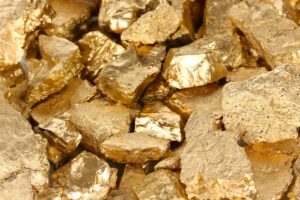
Table of Current Gold Prices in Africa
Here is a table of current gold prices in Africa (as of July 3, 2025) in USD, across different purities (24K, 22K, 18K) and weights (1 gram, 10 grams, 100 grams, 1 kilogram). These are average market prices, but they vary slightly by country and supplier.
| Gold Purity | 1g (USD) | 10g (USD) | 100g (USD) | 1kg (USD) |
| 24K (99.99%) | $73.20 | $732.00 | $7,320.00 | $73,200.00 |
| 22K (91.67%) | $67.00 | $670.00 | $6,700.00 | $67,000.00 |
| 18K (75%) | $55.00 | $550.00 | $5,500.00 | $55,000.00 |
Note: These prices are based on the global gold market rate of approximately $2,278.50 per ounce (as of July 3, 2025) and reflect average buying rates in African countries like Ghana, South Africa, Sudan, Uganda, and Tanzania. Prices may vary by 1-3% due to local demand, dealer premiums, and export charges.
Top 10 Best Countries in Africa for Gold Export Business
1 Ghana
Why it’s a top gold exporter: Ghana is Africa’s leading gold producer, with well-established mining companies and refineries.
Key cities: Accra, Tarkwa, Obuasi
- Regulations: A license from the Precious Minerals Marketing Company (PMMC) is required.
2 South Africa
- Why it’s a top gold exporter: Home to some of the world’s largest gold mines and refineries.
- Key cities: Johannesburg, Cape Town
- Regulations: Gold exports must comply with South African Reserve Bank rules. gold exporting countries in Africa
3 Sudan
- Why it’s a top gold exporter: Sudan has recently become one of Africa’s biggest gold producers.
Key cities. Khartoum, Darfur
- Regulations: Government involvement in gold trade is high—exporters must work with licensed dealers.
4 Mali
- Why it’s a top gold exporter: Strong mining industry and government-supported gold trade.
Key cities. Bamako, Sikasso
- Regulations: Exporters need authorization from the Malian Ministry of Mines.
5 Burkina Faso
- Why it’s a top gold exporter: A major producer in West Africa with a strong mining industry.
Key cities Ouagadougou, Bobo-Dioulasso
- Regulations: Strict export documentation requirements.
6 Democratic Republic of Congo (DRC)
- Why it’s a top gold exporter: Has vast untapped gold reserves but requires due diligence.
- Key cities: Kinshasa, Ituri
- Regulations: Exporters must ensure compliance with conflict-free gold regulations. gold exporting countries in Africa
7 Tanzania
- Why it’s a top gold exporter: Well-regulated gold mining sector with growing exports.
- Key cities: Dar es Salaam, Geita
- Regulations: All gold exports must go through the Tanzania Mineral Audit Agency (TMAA).
8 Ethiopia
- Why it’s a top gold exporter: Increasing gold production and government support for exporters.
Key cities: Addis Ababa, Oromia
- Regulations: Exports require the National Bank of Ethiopia’s approval.
9 Uganda
- Why it’s a top gold exporter: A key transit hub for gold exports from neighboring countries. gold exporting countries in Africa
Key cities: Kampala, Entebbe
- Regulations: Requires licenses from the Uganda Directorate of Geological Survey and Mines.
10 Kenya
- Why it’s a top gold exporter: A growing market with strong investment in gold trade.
Key cities: Nairobi, Migori
- Regulations: Exporters must work with licensed gold traders and follow government export procedures.
Comparison Table for Gold Exporting Countries in Africa
| Country | Gold Output (tons/year) | Export License Agency | Best Export Cities | Risk Level |
| Ghana | 130+ | PMMC | Accra, Obuasi | Low |
| South Africa | 110+ | South African Reserve Bank | Johannesburg, Cape Town | Low |
| Sudan | 90+ | Ministry of Minerals | Khartoum, Darfur | Medium |
| Mali | 70+ | Ministry of Mines | Bamako, Sikasso | Medium |
| Burkina Faso | 60+ | Ministry of Mines | Ouagadougou | High |
| DRC | 50+ | CEEC | Kinshasa, Ituri | High |
| Tanzania | 48+ | TMAA | Dar es Salaam, Geita | Low |
| Ethiopia | 35+ | NBE | Addis Ababa | Medium |
| Uganda | 32+ | DGSM | Kampala, Entebbe | Medium |
| Kenya | 25+ | Ministry of Mining | Nairobi, Migori | Medium |
How to Connect With Verified African Gold Suppliers:
- Use Licensed Gold Marketplaces and Exchanges
Online platforms like the African Gold Refinery, DMCC (Dubai Multi Commodities Centre), or Uganda Gold Market often list licensed and verified African gold suppliers. These platforms work under international compliance standards, so they conduct due diligence and KYC (Know Your Customer) checks on listed sellers.
Tip: Always request to see government-issued export licenses and assay reports when dealing with suppliers listed on these platforms.
- Attend Gold and Mining Trade Shows in Africa
Trade expos such as the Mining Indaba in South Africa or Kenya Mining Week offer the chance to meet legitimate gold producers and exporters face-to-face. These events attract certified suppliers, mining companies, and government officials.
Tip: Verify a supplier’s company registration and licensing status before any deal. Cross-check with the host country’s mining ministry.
- Work with Government-Registered Exporters
Most African countries require gold exporters to be registered and licensed through a government mining or minerals authority. You can directly request a list of verified exporters from:
- Ministry of Mines (e.g., Ghana, Tanzania, DRC)
- Chamber of Mines
- Customs and Excise departments
Tip: Use official government emails or websites to validate these exporters; don’t rely on random LinkedIn contacts or WhatsApp introductions.
4. Partner with Local Gold Buying Agencies or Refiners
Reputable gold buying centers and local refiners often act as intermediaries between buyers and small-scale miners. Agencies like:
- Gold Buyers Africa
- Gold prices in Africa
- Rand Refinery (South Africa)
Have established supply chains and can guarantee the source and purity of gold.
Tip: Request verifiable documentation: refinery certificates, proof of funds, and export documentation (FCO, preform invoice, etc.)
- Hire a Gold Trade Consultant or Due Diligence Firm
Engaging a local gold trade consultant or legal firm experienced in African gold transactions is crucial. These professionals can:
- Verify supplier documents
- Conduct background checks
- Arrange secure in-country visits
- Ensure compliance with anti-fraud and anti-money laundering laws
Tip: Look for consultants with a proven track record and references. They often charge a fee, but can save you from scams or fake suppliers.
Note. Due to the high risk of fraud in African gold trade, always conduct third-party verification and never send money without proper legal protection and documentation (e.g., SPA, Sale and Purchase Agreement).
Steps to Follow When Exporting Gold from Africa
1 Obtain the Necessary Licenses
Each country has different licensing requirements for gold exports. You must apply for an export license from the relevant government agency (e.g., PMMC in Ghana or TMAA in Tanzania).
2 Verify the Gold’s Authenticity
Gold must be assayed and verified for purity before export. This is usually done by government-certified refineries or independent assayers.
3 Secure the Required Documentation
Most African countries require a gold export license, certificate of origin, assay report purity verification, customs clearance documents
4 Arrange Secure Transportation
Gold must be transported securely to avoid theft or loss. Many exporters use armored transport services or secure courier companies.
5 Comply with Import Regulations in the Destination Country
Ensure you meet the import regulations of the receiving country like USA, UAE, or Switzerland which may require additional documentation such as Anti-Money Laundering (AML) compliance. gold exporting countries in Africa
Factors to Consider Before Exporting Gold from Africa
Legal Compliance. Understand that each country has strict gold export regulations that must be followed.
Market Prices & Trends. Understand that gold prices change and fluctuate so timing your sale is crucial always stay updated with the global gold market.
Security & Logistics. Always choose a safe and secure transport because gold transportation requires high security to prevent losses.
Reputable Buyers & Partners. Always work with trusted gold dealers and refineries and ask for all the necessary documents to prove their reputation.
Import Duties & Taxes. Some countries impose taxes on exported gold.
Challenges & Risks in the Gold Export Business
1 Fraud & Scams. Many fake gold dealers operate in Africa is important to make due diligence essential.
2 Government Regulations & Policy Changes. Many African countries do change their export policies which affects business operations.
3 Conflict Gold Risks. Some African countries produce conflict gold which can lead to legal and ethical issues.
4 Gold Price Fluctuations. International gold prices can impact profit margins.
Conclusion
Africa offers some of the best opportunities for gold exporters, with countries like Ghana, South Africa, and Sudan leading the industry. However, navigating the gold export business requires compliance with local laws, secure transportation, and working with reputable dealers. By following the right steps and understanding the risks, you can build a successful and profitable gold export business.
Would you like a country-specific export guide or gold buyer contacts for your business? Let me know how I can assist! gold exporting countries in Africa