Gold is Found in Uganda | Prices, Dealers, Mining Areas & Investment Opportunities
Gold is found in Uganda across multiple regions, making the country one of Africa’s emerging gold hubs. From the rich gold deposits in Eastern Uganda to the mineral-rich veins in Mubende, Buhweju, and Karamoja, Uganda’s landscape is packed with both artisanal and industrial-scale mining potential. If you’re wondering where gold is found in Uganda, key gold mining areas include Busia, Namayingo, Mubende, and Karamoja, forming part of the extensive Uganda gold belt. The country supports a thriving network of artisanal gold mining communities and large-scale licensed operations like the Wagagai Gold Mine, which has uncovered over 12 million ounces of gold. With increasing government support and foreign investment, gold mining in Uganda is rapidly transforming into a major economic sector, attracting global attention for its untapped reserves and high-grade gold.
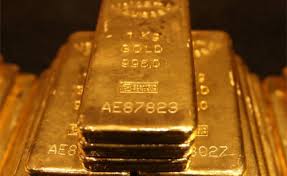
Where gold is found in Uganda
- Busia District (Eastern Uganda)
Location: Near the Kenya-Uganda border.
Major Project: Wagagai Gold Mine in the Osukuru hills.
Details:
- One of Uganda’s most commercially developed gold projects.
- Operated by Chinese-owned Liaoning Hongda (Wagagai Mining).
- Estimated to hold 12.5 million ounces of gold.
- Infrastructure includes a large-scale gold processing and refining plant.
- Type of Mining: Industrial-scale and small-scale artisanal operations.
- Mubende District (Central Uganda)
- Location: Western Central region, about 150 km from Kampala.
Details:
- Hosts many artisanal and small-scale gold mining (ASGM) sites.
- Gold is typically found in quartz veins within hard rock formations.
- The area has witnessed past evictions due to unlicensed mining, but the government now supports formalization.
- Type of Mining: Mostly artisanal, with efforts toward legal licensing and cooperatives.
- Karamoja Region (Northeastern Uganda)
- Districts: Moroto, Kaabong, Nakapiripirit, and Kotido.
Details:
- Gold is widespread, often alluvial, and near the surface.
- High artisanal activity, but limited infrastructure.
- The area is underexplored but holds high potential due to the vast unlicensed zones.
- Challenges: Insecurity, remoteness, and underdevelopment have slowed major investments.
- Buhweju and Bushenyi Districts (Western Uganda)
- Location: Western Uganda, near Mbarara city.
Details:
- Rich in hard rock gold deposits.
- One of the oldest gold mining regions in Uganda, dating back to colonial times.
- Small-scale miners dominate, often using basic tools and mercury for processing.
- Environmental Concerns: Mercury use and river pollution are key issues.
- Kitumbi and Bukuya (Kassanda District, Central Uganda)
- Location: Near Mubende, newly carved out of Mubende District.
Details:
- Known for high-density artisanal mining communities.
- Rich gold veins found in shallow underground tunnels.
- Home to several mining cooperatives and licensed individual miners.
- Type of Mining: Artisanal and small-scale, but open to formal partnerships and investment.
Where to buy gold in Uganda
Here are 6 trusted places where you can buy gold in Uganda, covering licensed dealers, refineries, and mining hubs. These locations are recognized for legal compliance, security, and access to quality gold bars, nuggets, or raw gold for both local and international buyers.
1. Kampala – Central Gold Trading Hub
Why buy here:
Kampala is Uganda’s commercial capital and the primary gold trading center in the country. It hosts many licensed gold dealers, exporters, and assayers. International buyers often use Kampala as the starting point for bulk purchases and export documentation. Gold is found in Uganda
Available gold types: 24K gold bars, nuggets, gold dust
Trusted dealers: Gold Buyers Africa, Gold Prices in Africa Ltd, Trust Gold Uganda
They offer Gold testing, purity verification, and export documentation
- Entebbe – Gold Refining & Export Center
Why buy here:
Entebbe is home to Simba Gold Refinery and is located near Uganda’s main international airport. This makes it ideal for international buyers who want refined gold ready for export.
Available gold types: Refined gold bars (99.9% purity)
Trusted refiners: Simba Gold Refinery, Metal Testing Labs
Services: Gold assay reports, packaging for export, export clearance
- Mubende – Source of Raw Gold from Miners
Why buy here:
Mubende is one of Uganda’s oldest and richest gold mining regions. Buyers can directly source from artisanal miners or cooperatives. It’s ideal for traders looking for raw gold or nuggets at lower prices.
Available gold types: Raw gold, nuggets, flakes
Trusted networks: Uganda Gold Mines Ltd, Mubende Mining Cooperative
Services: Direct sourcing, field inspection, local gold testing
- Busia – Eastern Uganda Gold Belt Discovery Zone
Why buy here:
Following the massive gold discovery in Busia, this area has gained international interest. Busia is now a developing hub for gold sourcing, with both licensed dealers and exploration firms active.
Available gold types: Raw gold, gold dust, partially refined
Trusted operators: Busia Mining Consortium, Eastern Gold Exporters
They provide Field site visits, sample assays, and mining partnership options
- Karamoja (Moroto) – Artisanal Gold Region
Why buy here:
Karamoja is a major site for artisanal gold mining, particularly in Moroto and Nakapiripirit districts. Gold here is often sold through local middlemen or cooperatives. Buyers seeking affordable, unprocessed gold often source it here.
Available gold types: Gold nuggets, dust
Networks: Karamoja Mining Groups, Moroto Gold Traders Association
Note: Requires coordination with local authorities and due diligence.
- Kisita – Kassanda District Gold Area
Why buy here:
Kisita is home to organized mining operations and licensed dealers under government supervision. It offers a safer and more structured alternative to purely artisanal areas.
Available gold types: Raw and partially refined gold
Trusted sources: Kisita Gold Mines Ltd, Kassanda Gold Exporters
Services: On-site verification, purchase agreements, logistics support
Gold Exploration Uganda
Gold exploration in Uganda is quickly progressing, fueled by both government-supported geological surveys and private sector investments. The Directorate of Geological Survey and Mines (DGSM) keeps identifying promising gold-rich zones across the country, including Eastern Uganda, Karamoja, Mubende, and Buhweju. These exploration activities employ modern techniques such as geophysical mapping, trenching, and core drilling. With over 80% of Uganda’s potential mineral areas still underexplored, the country remains one of Africa’s most promising regions for gold discovery and mining investments. Gold is found in Uganda
New Gold Discovery Uganda
In one of Africa’s most significant mineral discoveries, Uganda uncovered over 31 million tonnes of gold ore in 2022, mainly in the Busia District along the Eastern Uganda gold belt. This new gold find in Uganda has attracted global attention because of its estimated 320,158 tons of refined gold, worth more than USD 12 trillion. The discovery is expected to boost Uganda’s economy, draw foreign investment, and establish the country as a regional gold hub. Government officials and private mining companies are now working to develop extraction infrastructure in these newly identified areas.
Uganda Gold Reserves
Uganda’s gold reserves are among the most significant in East Africa, with recent assessments revealing substantial amounts of both refined and unrefined gold. The government estimates that there are over 31 million tonnes of gold ore spread across regions like Busia, Mubende, Karamoja, Buhweju, and Kisita. These reserves include both alluvial and hard-rock gold, making Uganda attractive to artisanal miners as well as industrial mining companies. With legal reforms, improved licensing processes, and strong global demand, Uganda’s gold reserves are set to play a key role in the country’s economic transformation.
Gold Mining in Uganda – Overview
Uganda is emerging as a significant gold-producing country in East Africa. The country has both large-scale mining operations and a widespread artisanal and small-scale gold mining (ASGM) sector. Uganda’s estimated gold reserves are valued at over $620 billion, with major deposits spread across the Eastern, Central, and Western regions.
1. Artisanal Gold Mining in Uganda
Key Features:
- Informal but widespread: Over 200,000 artisanal miners are estimated to be active in Uganda, with thousands more indirectly involved in the supply chain.
Regions active in ASGM:
- Mubende (Central)
- Buhweju and Bushenyi (Western)
- Karamoja (Northeast)
- Busia, Namayingo, and Bugiri (East)
- Mining Methods: Typically includes hand-dug pits, panning, sluicing, and rudimentary crushing.
Risks & Challenges:
- Use of mercury for gold extraction, posing health and environmental hazards.
- Lack of formal licenses, making miners vulnerable to evictions.
- Child labor and unsafe working conditions are widespread.
Opportunities:
- Government now encouraging formalization and cooperatives.
- Donor-backed programs support mercury-free technologies (e.g., gravity concentration, retorts).
2. Eastern Uganda Gold Belt
This is a newly recognized high-potential gold mineralization zone extending along the eastern border of Uganda, primarily in Busia, Bugiri, Namayingo, and Tororo districts.
Major Districts in the Eastern Gold Belt:
| District | Key Highlights |
| Busia | Home to the Wagagai Gold Mine, Uganda’s largest project. Quartz vein gold in greenstone belts. |
| Namayingo | Hosts extensive artisanal mining. Recent exploration shows commercial-grade gold veins. |
| Bugiri | Contains primary and alluvial gold zones. Strong ASGM presence. |
| Tororo | Home to some emerging refinery facilities. |
Geology:
- The region is part of the Lake Victoria Goldfields, geologically similar to gold-rich zones in western Kenya and northern Tanzania.
- Gold is found in quartz reefs, greenstone belts, and alluvial systems.
- High potential for commercial exploitation and joint ventures.
- Wagagai Gold Mine – Flagship Project in Eastern Uganda
- Located in Busia district, Eastern Uganda.
- Operated by Liaoning Hongda (China) under Wagagai Mining Ltd.
Project includes:
- Over 12.5 million ounces of estimated gold.
- On-site processing plant and refinery under construction.
- Employs hundreds of locals and foreign engineers.
- Expected to become Uganda’s largest gold exporter.
- Government and Legal Reforms
- The Mining and Minerals Act (2022):
- Requires licensing for all gold miners (both small and large scale).
- Introduces a state stake (15%) in mining ventures.
- Encourages formalization of artisanal miners.
- Licenses are issued by the Directorate of Geological Survey and Mines (DGSM).
- Environmental and social impact assessments are required for all legal mining operations.
- Opportunities for Investors & Stakeholders
| Opportunity Type | Details |
| ASGM Formalization | Partnering with cooperatives to upgrade technology & legal compliance. |
| Exploration Licenses | Available across much of the Eastern Gold Belt. |
| Gold Refining Ventures | Uganda promotes in-country refining with tax incentives. |
| Trade & Export | Kampala is a gold trading hub with rising demand from the UAE, India, etc. |
Gold investment opportunities in Uganda
1. Equity Participation in State‑backed Mining Ventures
The Ugandan government is now taking a 15% free-carry stake in all mining projects under its 2022 Mineral Act. By partnering with established mining firms, domestic or foreign investors can indirectly gain exposure to government-controlled mines, offering a potentially lower-risk path into Uganda’s gold sector.
2. Invest Directly in Large‑Scale Mines ( Wagagai Mining)
China’s Liaoning Hongda operates Wagagai Mining in Busia, a major gold processing mine with a capacity of 5,000 tons of ore per day and a projected output of 1–1.5 tons of refined gold annually. Investing here, via joint ventures or private equity, gives exposure to a nearly complete mine with existing infrastructure and local government support.
- Financing or Acquiring Artisanal/Small‑Scale Mines
Uganda is home to numerous artisanal gold mines in regions like Karamoja, Mubende, Buhweju, Kigezi, and Busia. With new policies easing formalization, opportunities exist to invest in aggregation projects that buy output from artisanal miners, scale operations, and bring them into the legal supply chain alongside testing and processing facilities.
- Mineral Dealing & Refining Ventures
Uganda is building its refining capacity to enable local value addition rather than exporting raw ore. Investors can support or start mineral dealer businesses (requiring Mineral Dealer’s Licenses) and refine gold domestically, capitalizing on premium prices for ethically sourced and processed gold.
- Gold Trading Platforms & Market Infrastructure
Beyond physical extraction, Uganda’s growing gold exports (approx. US$2.3 billion in 2023)
highlight demand for structured trading platforms. Opportunities include:
- Wholesaling/export through licensed dealers to Dubai and other buyers.
- Secure trading infrastructure, online platforms, or compliant, escrow-backed systems to reduce the risk of fraud that plagues informal markets (per multiple reports).

Major gold deposits in Uganda
Here’s a detailed look at major gold deposits in Uganda, including a focused description of the Busia gold discovery, which is one of the country’s most significant finds.
- Busia Gold Deposit (Eastern Uganda)
Uganda’s Largest Gold Discovery
- Location: Busia District, near the Kenya-Uganda border.
- Operator: Wagagai Mining Ltd (subsidiary of Liaoning Hongda – China).
- Estimated Reserves: Over 12.5 million ounces of gold.
- Geology: The deposit lies within the Lake Victoria Goldfields, similar to the gold-rich areas of western Kenya and Tanzania. Gold occurs in quartz veins and greenstone belts.
- Current Development:
- Large-scale mining infrastructure.
- In-house refinery and processing plant under construction.
- Will be capable of processing 5,000 tonnes of ore per day.
Significance:
- Considered the largest commercial gold project in Uganda’s history.
- Expected to make Uganda a top gold exporter in East Africa.
2. Mubende Gold Deposit (Central Uganda)
- Location: Mubende District (now partly Kassanda District), ~150 km west of Kampala.
- Type: Hard rock gold in quartz reefs.
- Status: Heavily mined by artisanal and small-scale miners (ASGM).
- Notable Zones: Kitumbi and Bukuya sub-counties.
- Potential: Early surveys show significant mineralization; formalization could unlock commercial potential.
- Challenges: Past evictions, lack of formal structure, mercury usage.
3. Buhweju Gold Belt (Western Uganda)
- Location: Buhweju District in the Western Region.
- History: One of the oldest gold mining areas in Uganda, with colonial-era mining activity.
- Type: Hard rock gold, found in narrow quartz veins within basement rocks.
- Mining: Predominantly artisanal; use of rudimentary tools.
- Opportunities: High-grade ore bodies remain underexplored; need investment in geology and technology.
- Karamoja Gold Fields (Northeastern Uganda)
- Districts: Moroto, Nakapiripirit, Kotido, Kaabong.
- Type: Alluvial and lode gold.
- Potential: Significant but largely underexplored due to remoteness and past insecurity.
- ASGM: Thousands of informal miners operate without licenses.
- Government Focus: Now promoting geological mapping and ASGM formalization.
- Namayingo-Bugiri Gold Belt (Eastern Uganda)
- Location: Near the shores of Lake Victoria, adjacent to Busia.
- Geology: Similar to Busia, greenstone-hosted quartz vein systems.
- Artisanal Activity: Widespread illegal mining.
- Exploration Status: Increasing interest from junior exploration firms.
- Potential: Untapped and suitable for joint venture exploration and formal mining projects.
Why the Busia Discovery Matters
- Largest verified deposit in Uganda.
- Positioned to reshape Uganda’s gold economy, adding billions in export revenue.
- Shows Uganda’s untapped geological potential along the Lake Victoria Gold Belt.
- Could stimulate infrastructure development, job creation, and the formalization of artisanal miners nearby.
Gold Price in Uganda Today
Uganda’s gold prices vary based on global market trends, purity, and quantity. Below is an approximate price table as of July 2025:
| Purity | 1g (USD) | 10g | 100g | 1kg |
|---|---|---|---|---|
| 24K | $69 | $690 | $6,900 | $69,000 |
| 22K | $64 | $640 | $6,400 | $64,000 |
| 18K | $54 | $540 | $5,400 | $54,000 |
Note. Prices fluctuate daily—Check live gold prices here
Key Risks & Regulatory Context
Here’s a concise Key Risks & Regulatory Context table for Uganda’s gold sector. You can embed this directly into your article or use it as a quick-reference fact sheet. Gold is found in Uganda
| Key Risk | Description | Regulatory Context & Mitigation |
| 1. Licensing Delays | Slow processing of exploration/mining licenses can postpone project timelines and increase costs. | The Directorate of Geological Survey & Mines (DGSM) issues licenses. Recent reforms aim to streamline applications online and set fixed turn‑around times (60–90 days). |
| 2. Regulatory Uncertainty | Changes in mining laws or export taxes can affect profitability and investment planning. | Mining Regulations (2019) and the Mines and Minerals Act (2022) provide clear tax brackets (1%–5% export duty) and require publication of any regulatory amendments. |
| 3. Environmental Impact | Land degradation, water contamination, and deforestation from mining operations pose reputational and legal risks. | Environmental Impact Assessments (EIAs) are mandatory under the National Environment Act. The National Environment Management Authority (NEMA) enforces compliance fines. |
| 4. Artisanal Mining Hazards | Unsafe working conditions, child labor, and health risks in informal mining sites. | The Artisanal and Small‑Scale Mining Policy (2017) promotes formalization, training, and cooperatives. DGSM works with NGOs to certify and monitor ASM sites. |
| 5. Security & Theft | Gold theft, smuggling, and corruption can erode investor confidence and reduce state revenues. | Uganda Revenue Authority (URA) and the Anti‑Corruption Court oversee gold export audits. Chain‑of‑Custody regulations require assay seals and serial numbering. |
| 6. Price Volatility | Fluctuating global gold prices affect revenue projections and cash‑flow management. | While price controls are not imposed, the Bank of Uganda publishes daily reference rates. Hedging and forward‑sale policies are encouraged for large‑scale miners. |
| 7. Community Relations | Local opposition or land‑use conflicts can delay projects and trigger protests or litigation. | The Mining Act (2022) mandates community consultation, social impact assessments, and a 5% royalties share for host communities to build local support. |
Steps to Consider when Investing in Uganda
- Choose your focus. mining equity (large-scale or artisanal), refining, or trading platforms.
- Legal groundwork. partner with Ugandan firms, ensure DGSM licensing, ESIA compliance, and royalty/tax clarity.
- Due diligence. visit sites, audit supply chains, confirm local permits, and verify buyer/seller credentials.
- Engage government resources. Uganda Investment Authority values mining at USD 620 + billion, and offers support.
- value-add plan. refining and branding ethically sourced gold can command premium prices in export markets.
Licensed gold dealers in Uganda
Here are licensed gold dealers in Uganda, each recognized by the Ministry of Energy & Mineral Development (DGSM) and equipped to trade with full compliance:
- Gold prices in Africa Ltd
- One of Uganda’s most prominent licensed gold dealers and exporters.
- Offers ISO-certified assay certificates, export support, and both retail and wholesale pricing.
- Has a physical office in Kampala and serves investors internationally.
- Live pricing updated daily; assists in documentation, testing, and shipping.
- Amani Gold Ltd.
- Operates a modern refinery and is a recognized export partner.
- Produces branded gold bars (“Amani” and “AfroGold”) and offers bullion vault services.
- Regulated by DGSM, capable of large-scale, compliant transactions.
- Uganda Gold Refinery (Tororo-based)
- Produces locally refined bars certified by the Uganda National Bureau of Standards.
- Offers competitive pricing and assay transparency via Kampala pick-up.
- Licensed and fully integrated in Uganda’s formal gold supply chain.
- Interlink Gold Traders
- Focuses on retail/small-lot gold buyers.
- Stocks major international bullion brands and provides testing and secure payment services
- Licensed by MEMD, with attention to detail in transactions and purity handling.
- Titanium Precious Metals Uganda
- High-security showroom in Kampala’s financial district.
- Provides logistics, export documentation, and secure vault storage.
- Licensed and fully compliant for gold dealing and export.
Other Licensed Dealers to Consider
- Royal Gold Traders Uganda. Licensed dealer and smelter, operating across multiple mining sites and exporting gems/minerals.
- African Gold Dealers. Based in Kololo, Kampala, provides testing, smelting, and documentation services.
How to Verify a Licensed Dealer
- Confirm Licence. Ask for their DGSM license number and validate it with the Ministry of Energy & Mineral Development.
- Check Documentation. Always ensure assay certificates, origin proof, invoices, and export permits when applicable.
- Visit the Office. Licensed dealers typically have physical offices in Kampala (e.g., Kololo, Entebbe Road, financial district).
- Assay Testing. Ask for XRF or fire assay services; reputable dealers often test gold on-site or via certified labs.
Note
- Informal trading, especially in busier hubs, carries high fraud risk; many Reddit users warn that “89% of the people claiming to have gold will scam you”.
- Use licensed, documented, and transparent dealers to avoid being targeted.
Next Steps
- Choose a dealer based on your needs: retail vs wholesale, refining options, export support.
- Contact at least two dealers to compare live pricing, assay quality, and service terms.
- Verify each dealer’s license and physical office before any transaction.
- Insist on full documentation. The hallmark of safe trading in a tricky market.
Frequently Asked Questions (FAQs) about gold found in Uganda
- Where is gold found in Uganda?
Gold is found in several regions across Uganda, particularly in Busia, Mubende, Buhweju, Karamoja, Namayingo, and Bugiri. These areas form part of the Uganda Gold Belt, which includes both hard rock (lode) and alluvial deposits.
- Is gold mining legal in Uganda?
Yes, gold mining is legal in Uganda, but all mining activities must be licensed and regulated by the Ministry of Energy and Mineral Development (DGSM). Both small-scale and industrial miners must acquire permits and comply with environmental and labor regulations.
- What is the biggest gold discovery in Uganda?
The largest gold discovery in Uganda is the Busia gold deposit, currently developed by Wagagai Mining Ltd. It holds over 12.5 million ounces of gold, making it one of the largest in East Africa.
- Is there artisanal gold mining in Uganda?
Yes. Artisanal and small-scale gold mining (ASGM) is widespread in regions like Mubende, Buhweju, and Karamoja. Over 200,000 people are estimated to work in informal mining, often without modern tools or environmental safeguards.
- Can foreigners buy gold in Uganda?
Yes, foreigners can legally buy and export gold from Uganda, provided they transact through a licensed gold dealer and obtain the necessary export permits and customs clearance.
- What is the Uganda gold belt?
The Uganda gold belt refers to a mineral-rich zone stretching across eastern, central, and western Uganda. It includes high-grade deposits in Busia, Namayingo, Mubende, Buhweju, and the Karamoja region. This belt shares geological characteristics with the Lake Victoria Goldfields.
- How is gold mined in Uganda?
Gold in Uganda is mined using both artisanal methods (manual digging, panning, sluicing) and industrial methods (mechanized open-pit and underground mining). The artisanal sector is currently undergoing formalization.
- Is gold refining done in Uganda?
Yes, Uganda has gold refineries such as Aurum Uganda Refinery, Africa Gold Refinery, and Wagagai’s upcoming facility, which process gold locally before export. Refining adds value and improves traceability.
- What challenges face gold mining in Uganda?
Challenges include:
- Unregulated artisanal mining
- Use of mercury in ASGM
- Land disputes and unclear licenses
- Environmental degradation
- Limited access to financing for local miners
- What opportunities exist in Uganda’s gold sector?
Uganda offers many opportunities, including:
- Investment in exploration and mining
- Joint ventures with local mining cooperatives
- Gold export and refining businesses
- Equipment supply and mercury-free technologies for ASGM