Table of Contents
1 introduction
2. Overview of Gold Mining in DRC
3. Top 10 Gold Mines in Congo
4. Artisanal vs Industrial Mining – Comparison Table
5. How to Buy Gold Legally in Congo
6. gold mining laws in congo
7. Gold Export Process & Documents
8. Gold Mining Provinces
9. Safety Tips & Responsible Sourcing
10. FAQ – Gold Mining in Congo
Top 10 Gold Mining in Congo | Export, Laws, & Investment Guide
Gold mining in Congo, officially the Democratic Republic of Congo (DRC), is one of Africa’s most powerful yet complex industries. Home to some of the richest mineral deposits in the world, Congo produces tons of gold each year, mainly from Ituri, South Kivu, North Kivu, Maniema, and Haut-Uele provinces. The country’s gold sector includes both industrial gold mining operations like the world-famous Kibali Gold Mine and a vast network of artisanal and small-scale gold miners (ASM).
Despite challenges like illegal mining, gold smuggling, and conflict zones, Congo remains a top destination for gold investors, buyers, and exporters. With rising global demand and gold prices at historic highs, understanding how gold is mined, traded, and exported legally in Congo is key to safe and profitable investment.
In this guide, we’ll cover Where gold is mined in Congo, The difference between industrial and artisanal gold mining, Laws, taxes, and export procedures, How to buy and sell gold in Congo legally, Conflict-free gold and mining safety tips
Whether you’re an international buyer, investor, or mining partner, this is your complete resource for understanding gold mining in the DRC.
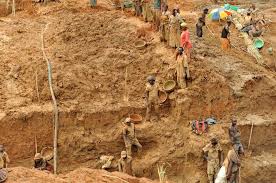
Overview of Gold Mining in the Democratic Republic of Congo (DRC)
The Democratic Republic of Congo (DRC) is one of Africa’s richest countries in terms of natural resources, particularly minerals. Gold mining in the DRC plays a vital role in the national economy and is a major source of livelihood for millions. The country holds an estimated 4,000 tons of untapped gold reserves, making it one of the largest gold-producing countries in Africa.
Gold mining in the DRC is divided into two main sectors: industrial (large-scale) and artisanal (small-scale). Although industrial mining brings in the highest revenue through exports, artisanal mining accounts for over 80% of gold production in the DRC. Unfortunately, the sector is often linked to illegal mining, smuggling, and financing of armed conflict, particularly in eastern regions.
The DRC government and international partners have made efforts to formalize artisanal mining and trace gold from source to market, but challenges remain due to weak governance, corruption, and security concerns.
Top 10 Gold Mines in Congo (DRC) – A Guide to the Richest Gold Deposits in Africa
The Democratic Republic of Congo (DRC) is one of Africa’s most resource-rich nations, home to massive untapped reserves of gold, copper, cobalt, and diamonds. The gold mining sector, in particular, continues to draw significant interest from investors, traders, and gold buyers worldwide.
1. Kibali Gold Mine (Haut-Uélé Province)
• Operator: Barrick Gold & AngloGold Ashanti
• Status: Industrial
• Output: Over 800,000 ounces annually
• Details: Located in northeastern Congo, Kibali is one of Africa’s largest gold mines. It features both open-pit and underground operations and has a world-class processing plant.
2. Twangiza Gold Mine (South Kivu Province)
• Operator: Banro Corporation
• Status: Industrial
• Output: Approx. 100,000 oz annually
• Details: Twangiza sits in the mineral-rich Kivu belt and was Banro’s first operational gold mine in the DRC. It continues to serve as a major regional employer and gold source.
3. Namoya Mine (Maniema Province)
• Operator: Shomka Resources (formerly Banro)
• Status: Industrial
• Output: Over 120,000 oz/year
• Details: Located near the town of Namoya, this mine produces gold using heap leaching and open-pit methods. Security in this area has improved under government oversight.
4. Moku-Beverendi (Ituri Province)
• Operator: Kibali Gold, local cooperatives
• Status: Mix of industrial & artisanal
• Details: A joint zone near Kibali’s operation, Moku is known for large artisanal gold activity. Some of the gold from here is aggregated into Kibali’s industrial flows.
5. Mongbwalu (Ituri Province)
• Operator: Mongbwalu Gold Mines (AGK/OKIMO)
• Status: Industrial & artisanal
• Details: Once a Belgian colonial mining town, Mongbwalu is being redeveloped into a formal mining hub. It’s rich in high-grade gold veins and surrounded by artisanal miners.
6. Kamituga Gold Fields (South Kivu)
• Operator: Artisanal cooperatives
• Status: Artisanal
• Details: Kamituga is a historic gold mining town where small-scale miners dominate. Raw gold from this region is often sold directly to buyers in Bukavu and Goma.
7. Shabunda (South Kivu Province)
• Operator: Artisanal & local cooperatives
• Status: Artisanal
• Details: Remote but rich in placer gold. Shabunda has become a major source of gold dust and nuggets, often processed in Bukavu or smuggled through regional borders.
8. Walikale (North Kivu Province)
• Operator: Artisanal miners & cooperatives
• Status: Artisanal
• Details: Famous for high-purity gold. Despite challenges in infrastructure, Walikale gold is favored by refiners for its quality.
9. Djugu (Ituri Province)
• Operator: Community-run mining groups
• Status: Artisanal
• Details: Gold from Djugu is often exported via Bunia or smuggled toward Uganda. The area is known for high-yield deposits, attracting miners from across the region.
10. Luhihi (South Kivu, near Bukavu)
• Operator: Informal miners (under government supervision)
• Status: Artisanal
• Details: In recent years, Luhihi has seen rapid growth after gold was discovered there. The government has begun efforts to regulate and license activity here.
Why Congo’s Gold Mines Matter
• Africa’s 2nd largest gold reserves after South Africa
• High-grade gold (95% to 98%), especially from artisanal fields
• Central to regional gold trade through Uganda, Rwanda, Kenya
• Increasing foreign investment and demand from UAE, China, and Europe
Responsible Sourcing Reminder
Due to Congo’s complex mining landscape, buyers are strongly advised to:
• Work with licensed suppliers and cooperatives
• Ensure gold is ICGLR-certified and conflict-free
• Use local legal and freight agents for proper export documentation
Map of Major Gold Regions in the DRC
Gold deposits in the DRC are heavily concentrated in the eastern provinces, notably:
1. Kivu (North and South Kivu)
• Rich in both alluvial and hard rock gold.
• Numerous artisanal mining sites operate here, especially in South Kivu.
• Ongoing conflicts and armed groups often exploit the sector.
2. Ituri Province
• Home to one of the largest industrial gold mines in Africa: Kibali Gold Mine, operated by Barrick Gold.
• Artisanal mining is also widespread, particularly around Djugu and Mambasa.
3. Maniema Province
• Hosts several informal mining communities.
• Significant production from riverbeds and forested areas.
• Artisanal miners often work under difficult and unregulated conditions.
4. Haut-Uélé Province
• Location of major gold belts, often overlapping with Ituri’s mining zones.
• Presence of both industrial exploration and informal mining operations.
These provinces form the “gold triangle” in the DRC and are vital hubs for both legal and illegal gold extraction and trade.
Industrial vs Artisanal Gold Mining in DRC – Comparison Table
Here is a comparison table of Industrial vs Artisanal Gold Mining in the Democratic Republic of Congo (DRC). This table can be included in your article to help clients and readers understand the key differences between the two mining sectors:
| Aspect | Industrial Mining | Artisanal Mining (ASM) |
|---|---|---|
| Scale of Operation | Large-scale, mechanized, multi-national operations | Small-scale, manual, often community-based operations |
| Key Operators | Kibali Gold Mine (Barrick), Banro Corporation, etc. | Individual miners, cooperatives, informal groups |
| Location Focus | Haut-Uélé, Ituri, Lualaba, South Kivu | Ituri, Maniema, South & North Kivu, and Orientale Province |
| Ownership | Foreign corporations or joint ventures with the state | Local individuals, families, cooperatives |
| Mining Method | Open-pit or underground, using heavy machinery | Surface mining, river panning, rudimentary digging |
| Gold Output | High (tons/year) | Low to moderate (grams to kg/month per site) |
| Gold Purity | Typically 95–99.99% post-refining | 85–94% (unrefined or semi-refined gold dust/nuggets) |
| Export Compliance | Regulated under DRC’s mining code and export laws | Often smuggled or informally traded |
| Environmental Impact | High (land disturbance, tailings, deforestation) | Medium to high (mercury use, river pollution, deforestation) |
| Human Rights Risks | Moderate (labor regulation applies, though sometimes abused) | High (child labor, poor working conditions, security issues) |
| Revenue Contribution | Major source of tax revenue and GDP for the state | Minimal contribution (due to informal trade and smuggling) |
| Traceability | Certified and traceable through OECD/LBMA chains | Often untraceable, part of illicit supply chains |
| Community Impact | Limited local employment, higher foreign repatriation | Supports livelihoods of over 500,000–2 million Congolese |
| Security Risks | Moderate – often protected, but sometimes conflict-linked | High – ASM linked to armed groups, illegal taxation |
| Formalization Efforts | Backed by foreign investment, government licensing | Supported by NGOs, EITI, and local government pilot programs |
Summary:
• Industrial mining brings large-scale production, but lower prices due to contractual exports.
• Artisanal mining offers higher margins and flexibility, but comes with informal risks.
• Gold Prices in Africa Limited bridges both sectors by working with certified artisanal miners and licensed exporters, offering clients ethical, high-purity gold with traceable sourcing.
Industrial mining, while more regulated, is still under scrutiny for land use and environmental degradation. Artisanal mining remains a humanitarian and regulatory challenge due to its ties with poverty, exploitation, and illicit gold trading.
How to Buy Gold from Mines in Congo
Buying gold from mines in the DRC is possible, but the process involves navigating legal, logistical, and security challenges. Gold mining in the country is split between industrial mines (highly regulated) and artisanal mining (largely informal). Buyers must ensure compliance, due diligence, and secure channels to avoid illegal trade and conflict financing.
1. Understand the Legal Framework
To legally buy gold in Congo:
• Register a Business: You must have a registered local or foreign company with trading rights in mineral commodities.
• Obtain Export Licenses: These are issued by the Ministry of Mines and the CEEC (Centre d’Expertise, d’Évaluation et de Certification).
• Comply with Due Diligence: Congo follows the ICGLR Regional Certification Mechanism and the OECD Due Diligence Guidelines to prevent illegal trade and support traceability. Important Authorities:
• Ministry of Mines (Kinshasa)
• SAEMAPE (supports artisanal miners)
• CEEC (certifies and exports minerals)
2. Choose Between Industrial and Artisanal Sources
Industrial Mines
• Owned by multinationals like Barrick Gold (Kibali Mine).
• Gold is refined, certified, and sold through formal contracts.
• Minimum purchase quantities are high (often kilograms to metric tons).
• Requires negotiations, proof of funds, and often long-term contracts.
Best for: Institutional buyers or licensed bullion dealers.
Artisanal Mining Sites (ASM)
• Scattered across provinces like Ituri, South Kivu, Maniema, and North Kivu.
• Gold is usually in raw form (dust or nuggets) and cheaper.
• Deals are done through local cooperatives, traders, or middlemen.
• Risk of illegally mined or smuggled gold is high unless proper certification is obtained.
Best for: Small-scale buyers with trusted local partners.
3. Source Gold Through a Certified Supply Chain
The safest way to buy gold from Congo is through traceable and certified supply chains, such as:
• Official buying houses (Maisons d’Achat) licensed by the government.
• Cooperatives that are registered and working with the SAEMAPE and international monitoring groups.
• Partnerships with exporters that are certified by the CEEC and comply with international standards.
4. Due Diligence & Risk Management
Before making any transaction:
• Verify the mine’s location and owner
• Check certification documents (CEEC certificate, mining license)
• Inspect the gold (lab tests for purity, usually 22K or 24K)
• Assess security, transportation, and export logistics
• Use secure payment methods (LC, escrow accounts, or trusted intermediaries)
Avoid:
• Street-level dealers or unlicensed exporters.
• Any seller unwilling to provide documents.
• Mines in active conflict zones without a verified supply chain.
5. Exporting Gold from Congo
To export gold:
• Work with a licensed exporter with CEEC certification.
• Gold must be weighed, assayed, and certified before customs clearance.
• The CEEC will issue the official export documents (valuation certificate, origin certificate, export permit).
• Pay the export tax (usually 1–3% of value).
Most exports are routed through Kinshasa, Goma, or Bunia, and fly out via Uganda, Rwanda, Kenya, or the UAE.
6. Work with a Local Gold Agent or Facilitator
Navigating the DRC gold sector is complex. Many foreign buyers work through local agents who:
• Connect buyers to legal mines and cooperatives
• Facilitate negotiations and due diligence
• Assist with certifications and customs
• Arrange logistics, security, and transport
Always ensure any facilitator is reputable and registered. Scams are common in Congo’s gold sector, especially via online or WhatsApp-based offers.
Summary: Step-by-Step Process to Buy Gold in Congo
1 Register business + get trading license
2 Choose industrial or artisanal source
3 Conduct on-site due diligence
4 Secure CEEC certification and export documents
5 Arrange transport and secure payment
6 Export gold via legal channels
Gold Mining Provinces in the Democratic Republic of Congo (DRC)
Here’s a detailed description of the gold mining provinces in the Democratic Republic of Congo (DRC), focusing on their significance, production style, and key features:
1. Ituri Province
Overview:
Ituri is the most significant gold-producing province in the DRC and home to the Kibali Gold Mine, one of Africa’s largest gold operations, managed by Barrick Gold in partnership with AngloGold Ashanti and the Congolese government.
Key Features:
• Dominated by industrial mining.
• Contains large reserves of hard rock gold.
• Towns like Djugu, Mambasa, and Irumu are hotspots for both legal and illegal mining.
• Also hosts extensive artisanal and small-scale mining (ASM).
Challenges:
Ethnic conflict and armed group activity have affected mining safety and regulation. Smuggling is widespread.
2. North Kivu Province
Overview:
Located on the eastern border near Rwanda and Uganda, North Kivu is known for its rich mineral belt that includes both gold and other conflict minerals like coltan.
Key Features:
• Gold is extracted mainly through artisanal mining.
• Major mining zones include Walikale and Masisi.
• The sector is largely unregulated, with profits often linked to armed militias.
Challenges:
Severe insecurity and a lack of government control have allowed illegal gold trade to flourish.
3. South Kivu Province
Overview:
South Kivu is one of the most active artisanal gold mining regions in the DRC. Gold is extracted from rivers, forest areas, and mountain deposits.
Key Features:
• Artisanal mining is the dominant method.
• Areas like Shabunda, Mwenga, and Fizi are key centers.
• Gold is often transported across Lake Tanganyika into Burundi and Tanzania.
Challenges:
Linked to human rights abuses, illegal exports, and exploitation of miners, including women and children.
4. Maniema Province
Overview:
A relatively less developed gold province, Maniema contains vast unexplored gold reserves. It’s considered a frontier for future formal gold exploration.
Key Features:
• Primarily artisanal and small-scale mining.
• Important towns include Pangi, Punia, and Kindu.
• Known for alluvial (placer) gold found in riverbeds.
Challenges:
Remote location, poor infrastructure, and weak state presence make regulation difficult.
5. Haut-Uélé Province
Overview:
Located near the Ituri border, this province shares geological features with Ituri, suggesting rich gold potential.
Key Features:
• Hosts industrial exploration projects.
• Also home to informal mining operations in rural areas.
• Considered a developing gold zone with long-term potential.
Challenges:
Security is relatively better than neighboring provinces, but infrastructure remains underdeveloped.
Other Notable Mentions:
• Tshopo & Bas-Uélé Provinces: Show signs of artisanal gold mining but on a smaller scale.
• Tanganyika Province: Borders South Kivu and has emerging gold mining potential.
Factors to Consider When Choosing Gold Mines in Congo
1. Legal Licensing & ICGLR Certification
Before buying or partnering with any mine, ensure that the site and operator are licensed by Congolese mining authorities and compliant with the ICGLR (International Conference on the Great Lakes Region) certification. This ensures the gold is conflict-free and legally sourced, protecting you from future legal or ethical issues.
2. Purity and Gold Assay Results
Not all mines produce the same quality of gold. Before purchasing, always request:
• Assay reports from a certified lab (e.g., 95% to 98% purity)
• Sample testing of the raw gold, nuggets, or bars
High-purity gold mines offer better resale value and require less refining, saving you money in the long run.
3. Mine Accessibility & Security Conditions
Security in some regions of eastern Congo (Ituri, Kivu) can vary greatly. Choose mines located in stable zones with access to roads, airstrips, or secured logistics corridors. Partnering with mines near major trading hubs like Bukavu, Bunia, or Goma ensures faster transportation and easier export processing.
4. Production Capacity & Consistency
Some artisanal mines produce irregular volumes, while others can deliver several kilograms per week or month. Consider:
• Whether the mine can meet your required quantity (e.g., 500g, 1kg, or more)
• How often it can supply gold consistently
Reliable production helps build long-term trading relationships and ensures smoother logistics planning.
5. Reputation and Track Record
Always conduct due diligence on the mine owner or cooperative:
• Look for past trade records, references, or export history
• Avoid operations with reports of smuggling, fraud, or disputes
Reputable mines with transparent practices are safer to work with and often have established connections with freight companies and government offices.
Before committing to any purchase, visit the mine or have a trusted agent inspect the operation. This helps you verify gold availability, evaluate security conditions, and confirm documentation is in order.
Gold Mining Laws in the Democratic Republic of Congo (DRC)
As of July 2025
| Law / Regulation | Description | Applies To | Enforcement Authority |
|---|---|---|---|
| Mining Code (Law No. 007/2002, revised 2018) | Main legal framework for mining rights, licenses, royalties, and environmental rules. | Industrial & Artisanal Miners | Ministry of Mines / Mining Cadastre |
| Ministerial Decree No. 0057/CAB.MIN/MINES/01/2012 | Details procedures for obtaining mining permits and environmental certificates. | Industrial Mining Operators | Ministry of Mines |
| Law No. 11/009 on Public Procurement | Regulates state participation in mining contracts and procurement transparency. | Public-Private Mining Ventures | ARMP (Public Procurement Authority) |
| Mining Regulation (Decree No. 038/2003) | Implements Mining Code through rules on prospecting, safety, and export permits. | All Mining Activities | Mining Cadastre / SAEMAPE |
| Customs Code (Law No. 11/2004) | Governs export taxes, duties, and formal export procedures for gold and minerals. | Gold Exporters, Traders | DGDA (Customs Authority) |
| Environmental Protection Law (Law No. 11/009) | Imposes environmental impact studies, rehabilitation, and community consultation. | Industrial & Large ASM Sites | Ministry of Environment |
| SAEMAPE Guidelines (Artisanal Mining) | Provides operational and safety rules for small-scale/artisanal miners. | ASM Cooperatives & Individuals | SAEMAPE (Artisanal Mining Support) |
| Anti-Money Laundering Law (Law No. 04/016) | Requires KYC, traceability, and anti-smuggling compliance in gold trade. | Exporters, Refiners, Traders | CENAREF / Central Bank |
| OECD Due Diligence Guidelines (DRC-Required) | International standard adopted into national law to trace conflict-free gold. | Exporters, Refineries | ITSCI / Ministry of Mines |
| EITI Compliance Framework (Voluntary) | Ensures transparency in gold revenues and government royalties. | Government & Licensed Miners | EITI National Committee |
Summary:
-
The Mining Code and Mining Regulation are the core legal frameworks governing gold mining in the DRC.
-
Exporters and traders must comply with traceability, tax laws, and anti-smuggling controls.
-
Artisanal miners must register through SAEMAPE and operate within licensed mining zones (ZEAs).
-
Environmental compliance, KYC, and OECD guidelines are mandatory for international partnerships.
Exporting Gold from Congo: Laws and Logistics
Exporting gold from the Democratic Republic of Congo (DRC) involves navigating complex legal frameworks, strict certification procedures, and logistical hurdles. Due to the DRC’s history of gold smuggling and conflict financing, authorities and international partners have imposed robust controls on gold exports.
Legal Requirements
To legally export gold from the DRC, you must:
1. Be a Licensed Exporter
• Registered with the Ministry of Mines
• Accredited by the Centre d’Expertise, d’Évaluation et de Certification (CEEC)
• Operate through a licensed trading house or mining cooperative
2. Obtain Export Documents from CEEC:
• Certificate of Origin
• Assay Certificate (shows purity)
• Valuation Report
• Export Permit
3. Pay Applicable Taxes and Fees
• Export duties (typically 1%–3%)
• Royalties and administrative fees
4. Comply with Traceability Laws
• Required to follow ICGLR Certification
• Must submit a Due Diligence Report under OECD guidelines
• Artisanal gold must come from validated mining sites
Export Logistics
1. Assaying and Packaging
Gold must be weighed and tested for purity at CEEC-approved facilities.
2. Transport & Security
• Use licensed cargo handlers and secure carriers
• Common exit points: Kinshasa, Goma, Bunia
• Many exporters move gold to Uganda, Rwanda, Kenya, or Dubai
3. Banking and Payment
• Payments often done via letters of credit (LC) or escrow accounts
• USD is the preferred currency
• Beware of wire fraud and unofficial money changers
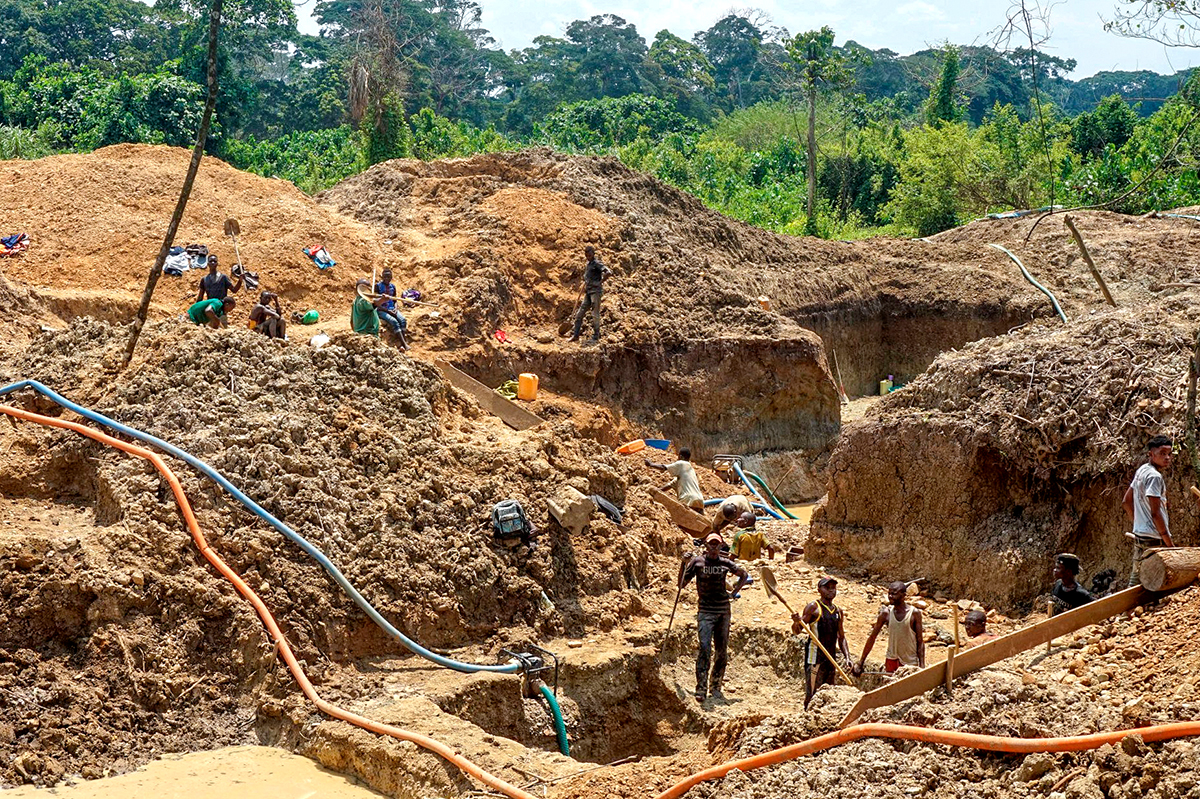
Gold Smuggling and the Conflict-Free Gold Movement
Gold Smuggling in DRC
• Up to 90% of DRC’s artisanal gold is smuggled out of the country illegally.
• Gold often exits through Uganda, Rwanda, and Burundi, bypassing taxes and oversight.
• Smuggled gold is harder to trace and often tied to:
• Illegal armed groups
• Child labor and exploitation
• Money laundering
Smuggling costs the Congolese government millions in lost revenue and perpetuates instability.
Conflict-Free Gold Movement
To combat illicit trade, global organizations and DRC authorities have established frameworks for ethical gold sourcing:
Key Initiatives:
1. OECD Due Diligence Guidance. Requires full supply chain transparency
2. ICGLR Regional Certification Mechanism. Tags gold from conflict-free areas
3. Fairmined & Fairtrade Gold Certifications. Promote responsibly sourced artisanal gold
4. Responsible Minerals Initiative (RMI). Used by international refiners and buyers
These programs aim to:
• Cut off funding to warlords and militias
• Ensure gold benefits local communities
• Provide legal pathways for artisanal miners to access global markets
Gold Buying Safety Tips in Congo
Whether you are a first-time investor or experienced trader, personal safety and fraud prevention are critical when buying gold in the DRC.
Avoid These Risks:
• Fake gold (plated or mixed with other metals)
• Scams involving fake documents or impersonation
• Robbery or extortion in unsecured areas
• Buying from unlicensed sellers or miners
• Conflict-zone transactions linked to armed groups
Conclusion
Gold mining in Congo offers both immense opportunity and serious risk. From rich gold provinces like Ituri and South Kivu, to industrial giants like Kibali Mine, the DRC is Africa’s gold frontier. But only those who operate legally, ethically, and transparently can truly benefit in the long term.
Looking to buy or export gold from Congo safely? Our licensed partners, CEEC consultants, and legal agents can guide you through every step.
Frequently Asked Questions (FAQ) About Gold Mining in Congo
1. Is gold mining legal in Congo?
Yes. Gold mining is legal in the DRC, but it must be done under a valid mining license issued by the Ministry of Mines.
• Industrial mining is governed by the 2018 Mining Code.
• Artisanal miners must register under cooperatives and follow legal protocols through SAEMAPE and CEEC.
2. Where is gold mined in Congo?
Gold is primarily mined in eastern and northeastern DRC. The major gold-producing provinces are:
• Ituri (Djugu, Irumu, and Mongbwalu)
• South Kivu ( Mwenga, Shabunda, Fizi)
• North Kivu (Walikale, Masisi)
• Maniema ( Punia, Kailo)
• Haut-Uele ( Watsa, Durba, home to Kibali mine)
3. What types of gold mining exist in the DRC?
There are two main types:
• Industrial Mining: Large-scale operations run by companies like Barrick Gold (Kibali Mine).
• Artisanal and Small-Scale Mining (ASM): Informal mining by local individuals or cooperatives using basic tools.
4. How much gold does Congo produce annually?
Officially, Congo produces about 30–40 tons of gold per year, but it’s estimated that more than 15–20 tons are smuggled annually due to informal mining and weak regulation enforcement.
5. Can foreigners invest in gold mining in Congo?
Yes. Foreign individuals or companies can:
• Apply for exploration and exploitation licenses
• Partner with local miners or cooperatives
• Buy and export gold legally through licensed trading companies
However, proper due diligence, legal support, and local knowledge are essential.
6. Is Congolese gold conflict-free?
Not always. Some gold from Eastern Congo is linked to armed groups and illegal taxes on miners.
To ensure conflict-free gold:
• Buy from CEEC-certified sources
• Use OECD-compliant suppliers
• Work with traceability initiatives like the ICGLR Regional Certification Mechanism
7. Who regulates gold mining in Congo?
Gold mining is regulated by:
• Ministry of Mines. Licensing and policy
• SAEMAPE. Oversight of artisanal miners
• CEEC. Gold valuation, certification, and export approval
• DGRAD & Customs. Taxation and export documentation
8. What is the gold purity in Congo?
Most artisanal gold is between 22K (91.6%) and 23K (95.8%) in purity.
Industrial gold (e.g. from Kibali Mine) is often refined to 24K (99.99%) before export.
9. How is gold exported legally from Congo?
Legal export requires:
• CEEC assay and valuation certificate
• Certificate of origin
• Export permit from the Ministry of Mines
• Payment of export taxes (1%–3%)
All documentation must be completed before air shipment.
10. Is it safe to buy gold in Congo?
It can be, if you follow these tips:
• Only buy from licensed traders or cooperatives
• Verify CEEC certification and assay reports
• Use secure transport and trusted local agents
• Avoid black market deals, which carry legal and safety risks
11. What challenges does gold mining in Congo face?
Major challenges include:
• Smuggling and corruption
• Insecurity in mining regions
• Environmental damage from artisanal mining
• Lack of formalization in the ASM sector
• Tax evasion and lack of infrastructure
12. What is the role of the CEEC?
The Centre d’Expertise, d’Évaluation et de Certification (CEEC):
• Assays and values gold
• Certifies legal origin
• Issues documents required for export
• Ensures compliance with international traceability standards