Hallmark Gold Purity Chart – Your Guide to Buying Certified Gold in Africa
If you’re planning to buy gold in Africa—whether 24K gold bars, 22K gold jewelry, or investment-grade gold coins—understanding hallmark gold purity is essential. A hallmark gold purity chart helps you identify the exact gold content, ensuring you get genuine, certified, and fair-value gold. At Gold Prices in Africa Limited, we provide a trusted gold purity guide showing the difference between 24K (999), 22K (916), 18K (750), and other grades, so you can make informed investment or jewelry purchases. With us, you’re guaranteed authentic hallmarked gold, sourced directly from reputable African refineries and delivered worldwide. Whether you’re a first-time buyer or a seasoned investor, this chart will help you choose gold that meets both purity standards and resale value expectations.
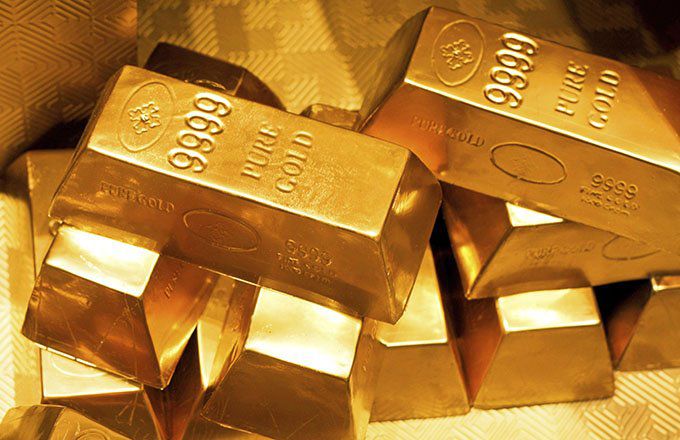
What is Hallmarked Gold?
Hallmarked gold refers to gold that has been officially certified for its purity by a recognized authority or assay office. The hallmark is a stamped mark or laser engraving on the gold item, verifying that the purity level matches what the seller claims. This system protects buyers from fraud, ensures transparency, and guarantees that you are getting exactly the karat and quality you are paying for. In many countries, hallmarking is legally required for gold jewelry and bullion to maintain industry trust.
Hallmark Gold Purity Chart (24K, 22K, 18K, 14K, 10K Explained)
| Karat (K) | Purity % | Gold Content | Common Use |
|---|---|---|---|
| 24K | 99.9% | Pure gold | Investment bars, coins, high-value ornaments |
| 22K | 91.6% | 22 parts gold, 2 parts alloy | Traditional jewelry in Africa, Middle East, India |
| 18K | 75% | 18 parts gold, 6 parts alloy | Luxury jewelry, engagement rings |
| 14K | 58.3% | 14 parts gold, 10 parts alloy | Western jewelry, durability-focused designs |
| 10K | 41.7% | 10 parts gold, 14 parts alloy | Budget jewelry, resistant to wear |
Importance of Hallmarking in Gold Purchases
Hallmarking is crucial for both investment and personal purchases because it acts as an authenticity guarantee. Without hallmarking, buyers risk purchasing gold that is under-karted, mixed with excessive alloys, or even counterfeit. Hallmarked gold maintains its resale value better, as buyers and jewelers trust certified purity. In Africa and global markets, dealers like Gold Prices in Africa Limited ensure all gold — whether 24K bullion or 22K jewelry — is properly tested, hallmarked, and compliant with international standards. This safeguards your investment and ensures you get maximum value when reselling.
Difference Between Hallmarked Gold and Non-Hallmarked Gold
Hallmarked Gold refers to gold that has been tested and certified for purity by an official, government-recognized or internationally accredited body. It comes with a stamp or mark indicating its exact karat value (e.g., 24K, 22K).
Non-Hallmarked Gold, on the other hand, has no official purity certification. It may be genuine, but without hallmarking, there’s no guarantee that the stated purity is accurate. Buyers risk getting less gold content than what they paid for.
| Feature | Hallmarked Gold | Non-Hallmarked Gold |
|---|---|---|
| Purity Verification | Certified by an authorized body | Not verified |
| Trust & Credibility | High | Low |
| Resale Value | Higher (due to assured purity) | Lower (purity doubts) |
| Risk of Fraud | Minimal | High |
| Price Transparency | Clear and fair | Uncertain |
Key Point: Investors and buyers should always prefer hallmarked gold to avoid fraud, get a fair resale value, and ensure they are paying for true purity.
Who Regulates Hallmark Gold Purity?
Hallmarking is regulated by national and international organizations to ensure consistent quality standards.
Global & Regional Gold Hallmarking Regulators
- BIS (Bureau of Indian Standards). Oversees hallmarking in India, mandatory for most gold jewelry.
- LBMA (London Bullion Market Association) – Sets international gold trading and refining standards, followed by bullion dealers globally.
- SADCAS (Southern African Development Community Accreditation Service) – Works in African nations to certify gold purity.
- KEBS (Kenya Bureau of Standards). Regulates gold hallmarking in Kenya.
- UNBS (Uganda National Bureau of Standards). Governs hallmarking and gold trade compliance in Uganda.
- SABS (South African Bureau of Standards). Ensures purity standards for gold sold in South Africa.
- Dubai Central Laboratory (DCL). Oversees hallmarking in the UAE gold market.
- Shanghai Gold Exchange (SGE). Regulates gold purity and trading in China.
Why Regulation Matters:
- Protects consumers from fraud
- Ensures gold meets global purity benchmarks
- Boosts buyer confidence and resale value
- Promotes fair trade in local and international markets
How to Read a Hallmark on Gold Jewelry
Hallmark Gold Purity Chart, Reading a hallmark on gold jewelry is essential to verify its authenticity, purity, and origin. A hallmark is a legally recognized stamp or engraving placed on gold items to confirm they meet certain purity and quality standards. It prevents fraud, ensures transparency, and builds trust between buyers and sellers.
Steps to Read a Gold Hallmark:
- Locate the Hallmark. Usually found on the inside of rings, clasps of necklaces, or the back of pendants.
- Identify the Purity Mark. Look for numbers like 999, 916, 750, 585, or 375. These indicate the gold content in parts per thousand.
- Check the Assay Office Mark. Some hallmarks show the official body that verified the gold.
- Look for the Maker’s Mark. This tells you the manufacturer or jeweler who made the item.
- Confirm Date Letter (if applicable). In some countries, hallmarks include a date code showing when the gold was tested.
Common Hallmark Gold Symbols Explained
| Symbol / Mark | Purity | Karat Equivalent | Meaning |
|---|---|---|---|
| 999 | 99.9% | 24K | Pure gold, highest investment grade |
| 916 | 91.6% | 22K | Popular in Asia & Middle East for jewelry |
| 750 | 75.0% | 18K | Common in Europe & high-end jewelry |
| 585 | 58.5% | 14K | Durable gold, popular in the USA |
| 375 | 37.5% | 9K | Affordable gold, mixed with other metals |
Tip for Buyers: Always request hallmarked gold from reputable dealers. In Africa, Gold Prices in Africa Limited provides certified gold in various purities (24K, 22K, 18K, etc.), ensuring authenticity and compliance with international standards.
Gold Hallmarking Year Mark & Assay Office Marks
Gold hallmarking year marks indicate the year the gold item was officially tested and certified for purity by an assay office. These marks help identify both the time of certification and the location where the gold was tested.
- Year Mark. Often shown as a letter or a number, each corresponding to a specific year (varies by country).
- Assay Office Mark. A unique symbol representing the testing center. For example:
- London (UK). Leopard’s head
- Birmingham (UK). Anchor
- Dubai (UAE). Government hallmark stamp with purity
- South Africa. SA hallmark with karat notation
Purpose. These marks help trace the origin of gold, verify authenticity, and assist in resale or investment value assessment.
Difference Between Hallmark Number (916, 999) and Karat System
- Hallmark Number System – Indicates the percentage of pure gold in the alloy.
- 999 – 99.9% pure (24K gold)
- 916 – 91.6% pure (22K gold)
- 750 – 75% pure (18K gold)
- 585 – 58.5% pure (14K gold)
- 375 – 37.5% pure (9K gold)
- Karat System – Measures gold purity on a scale of 24 parts:
- 24K = 100% pure gold (technically ~99.9%)
- 22K = 22 parts gold + 2 parts alloy
- 18K = 18 parts gold + 6 parts alloy
Key Difference. Hallmark numbers are percentage-based; karats are fraction-based. Both indicate purity, but numbers are often used in international trade, while karats are more common in retail jewelry.
Fake Hallmark vs Genuine Hallmark: How to Verify
Counterfeit hallmarking is a real risk in gold buying, especially in unregulated markets. Here’s how to verify authenticity:
- Magnification Check. Genuine hallmarks are clean, sharp, and evenly stamped. Fakes may be blurry or shallow.
- Cross-Verify with Documents. Reputable dealers provide authenticity certificates.
- Test at a Licensed Assay Office. You can have the gold re-tested for purity.
- Check Against Official Lists. Compare hallmark symbols with the official government or LBMA-approved reference charts.
- Avoid Suspicious Prices. If gold is much cheaper than market rates, it may be fake or adulterated.
Note: At Gold Prices in Africa Limited, all gold, whether 24K, 22K, 18K, or lower purities, is hallmarked, certified, and sourced from trusted African mines, ensuring buyers receive genuine value.
BIS Hallmark Gold Purity Chart (India Standard)
In India, the Bureau of Indian Standards (BIS) regulates hallmarking to ensure gold purity and protect buyers. The BIS Hallmark Gold Purity Chart includes common purities like 24K (999), 22K (916), 18K (750), 14K (585), and 10K (417). Each hallmark stamp shows:
- BIS Logo. certifying official inspection.
- Purity/Fineness Number. e.g., 916 for 22K.
- Assaying & Hallmarking Centre’s Mark.
- Jeweler’s Identification Mark.
This system guarantees that gold sold in India meets the exact purity standards promised.
UK Gold Hallmarking Guide (London Assay Office)
The UK follows a strict hallmarking system regulated by the London Assay Office, under the Hallmarking Act 1973. Gold is tested and marked with:
- Maker’s Mark – identifying the manufacturer.
- Fineness Mark – e.g., 999 (24K), 916 (22K), 750 (18K).
- Assay Office Mark – London (Leopard’s Head), Birmingham (Anchor), Sheffield (Rose), Edinburgh (Castle).
- Date Letter – indicating the year of hallmarking.
This ensures that gold sold in the UK meets internationally recognized purity and weight accuracy standards.
US Gold Hallmark Purity Standards
In the USA, hallmarking is not mandatory by law, but reputable jewelers follow Federal Trade Commission (FTC) guidelines. Hallmarks often display:
- Karat Value – e.g., 24K, 18K, 14K.
- Manufacturer’s Trademark – required when purity is stamped.
- Optional “P” Mark – indicating plumb gold (exact purity).
While the US does not have a government assay office, trusted dealers use third-party verification to guarantee authenticity.
European Hallmarking Symbols (Common Control Mark)
Most European countries follow the Vienna Convention on the Control and Marking of Precious Metals. The Common Control Mark (CCM) allows mutual recognition of hallmarks across member countries. Hallmark details include:
- Fineness Number – e.g., 999, 916, 750, 585.
- Official Mark of Assay Office – country-specific.
- CCM Symbol – a balance scale in an outline.
This harmonized system allows gold to be traded easily across European borders with guaranteed purity.
African Gold Hallmarking Systems (Kenya, Ghana, South Africa)
Africa has growing hallmarking frameworks:
- Kenya – Overseen by the Kenya Bureau of Standards (KEBS).
- Ghana – Managed by the Precious Minerals Marketing Company (PMMC) for export compliance.
- South Africa – Regulated under the Precious Metals Act; hallmarking done by the South African Bureau of Standards (SABS).
These systems aim to align with LBMA (London Bullion Market Association) purity standards, ensuring African gold meets global trade requirements.
Middle Eastern Hallmark Standards (Dubai, Saudi Arabia)
The Middle East is known for strict gold purity enforcement:
- Dubai (UAE) – Regulated by the Dubai Central Laboratory (DCL); hallmark shows purity in karats or millesimal fineness and the Dubai Municipality mark.
- Saudi Arabia – Requires purity stamping and jeweller licensing, with hallmark inspections conducted by the Ministry of Commerce.
Dubai’s 24K gold (999) remains one of the most trusted globally, attracting both investors and jewelry buyers.
Gold Prices in Africa Limited sources and supplies hallmarked gold of all purities (24K, 22K, 18K, 14K, 10K) from Africa to buyers worldwide, ensuring authenticity, compliance, and competitive pricing.
Why Always Buy Hallmarked Gold Jewelry
When investing in gold jewelry, coins, or bars, hallmarked gold should be your top choice. Hallmarking is an official certification of a gold item’s purity and authenticity, ensuring you get exactly what you’re paying for. Whether you’re buying 24K gold bars in Africa, 22K gold jewelry in Dubai, or 18K wedding rings in Europe, a hallmark acts as a quality guarantee recognized worldwide.
Gold Prices in Africa Limited offers hallmarked gold in all purities—24K, 22K, 18K, 14K, and 10K—with verification from trusted international standards, including BIS, LBMA, and local assay offices across Africa, Europe, the Middle East, and beyond.
How to Check Gold Purity with Hallmarks Before Buying
Before purchasing, inspect the gold hallmark stamp on the item. This tiny engraving will typically include:
- Purity number (e.g., 999 for 24K, 916 for 22K, 750 for 18K, 585 for 14K, 375 for 9K).
- Assay office mark (e.g., London Assay Office leopard’s head, Dubai Municipality stamp).
- Year of marking (in some countries).
- Jeweler’s identification mark.
When in doubt, request a purity certificate or have the gold tested at a recognized assay office.
Hallmark Gold Purity vs Resale Value
Hallmarked gold retains a higher resale value compared to non-hallmarked gold because it comes with guaranteed purity. Buyers, jewelers, and gold dealers worldwide trust hallmarked items, making them easier to sell or trade at international market rates.
Non-hallmarked gold, on the other hand, requires purity testing before resale and often results in lower offers due to uncertainty.
Benefits of Buying Hallmarked Gold Coins and Bars
- Guaranteed Purity – You’re assured of the exact gold content as per the hallmark stamp.
- Higher Resale Value – Hallmarked gold is globally recognized and easier to liquidate.
- Fraud Protection – Reduces the risk of receiving adulterated or mixed gold.
- Investment Security – Perfect for long-term holding without quality doubts.
- Legal Compliance – Meets local and international gold trading standards, especially for export.
Gold Prices in Africa Limited specializes in supplying hallmarked gold bars, coins, and jewelry across Africa, Europe, the USA, and the Middle East, helping buyers trade with confidence in the global market.
Here’s the detailed explanation for each section you listed, written in a clear and SEO-friendly style so it can fit into a larger article or be used as standalone content.
Which Gold Purity Hallmark is Best for Investment?
For investment purposes, the best hallmark is 24K (999) gold. This purity means the gold is 99.9% pure, making it the highest quality and easiest to sell internationally. Coins and bars with hallmarks from trusted authorities like BIS (India), LBMA (London Bullion Market Association), or government mints are widely recognized and command better resale prices. Lower purities like 22K (916) and 18K (750) are better suited for jewelry rather than investment because they contain alloy metals.
Hallmarked Gold Coins vs Jewelry: Which is Better?
- Hallmarked Coins & Bars:
- Pros: Highest purity (usually 24K), easy to store, recognized globally, and have minimal making charges.
- Cons: Less personal use; mostly for investment, not wearing.
- Hallmarked Jewelry:
- Pros: Can be worn, gifted, and enjoyed while retaining gold value.
- Cons: Usually lower purity (22K, 18K), higher making charges, and resale deductions for impurities and design work.
Verdict: If your goal is pure investment, choose hallmarked coins or bars; if you want both utility and value, opt for hallmarked jewelry.
How Hallmarking Affects Gold Prices per Gram
Hallmarked gold often costs slightly more per gram than non-hallmarked gold because:
- It has been officially tested and certified for purity.
- Certification costs are included in the final price.
However, this premium pays off at resale since buyers trust hallmarked gold and are willing to pay closer to market rates for it. Non-hallmarked gold may require re-testing, which can lower the resale price.
Gold Hallmarking and Tax Regulations (Import/Export)
Many countries have specific tax and customs rules for hallmarked gold:
- India: Hallmarking is mandatory for most gold jewelry, and import duties apply to foreign hallmarked gold.
- USA & Europe: Hallmarks are recognized under trade agreements, but imported gold must meet purity and labeling laws.
- Middle East (Dubai, Saudi Arabia): Gold must meet hallmarking standards before sale; importers must declare purity and source.
Tip: Always check your destination country’s import/export laws—hallmarked gold often enjoys smoother customs clearance.
Hallmark Gold Purity in Bullion vs Jewelry
- Bullion (Coins/Bars):
- Usually 24K (999) purity.
- Hallmarks indicate exact weight, purity, and issuing authority.
- Ideal for investment and large transactions.
- Jewelry:
- Often 22K (916), 18K (750), or 14K (585).
- Hallmarks verify purity but also indicate alloy percentage.
- Suitable for personal use with value retention.
Conclusion – Trust Gold Prices in Africa Limited for Genuine Hallmarked Gold
In the gold market, hallmarking is your ultimate safeguard against counterfeit or low-purity products. Whether you’re investing in coins, bars, or jewelry, a verified hallmark ensures authenticity, purity, and fair value. At Gold Prices in Africa Limited, we source, verify, and deliver hallmarked gold that meets international standards, giving you peace of mind and maximum resale value. Partner with us today and invest in gold with confidence—because your wealth deserves nothing less than certified purity