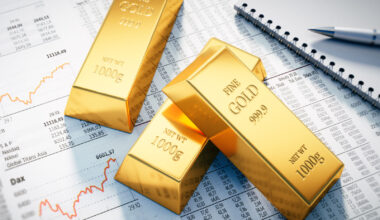
Gold Prices in Ghana vs Dubai| Full Comparison Guide (2026)
As of 2026, gold prices in Ghana and Dubai continue to move closely in line with the global spot market (London Fix benchmark), but the final buying price for investors differs significantly due to variations in taxation, refining structures, currency systems, and regulatory compliance frameworks.
In Ghana, gold is priced closer to the mining source level, meaning buyers are often dealing with production-linked pricing influenced by royalties, export levies, and certification requirements. In contrast, Dubai operates as a global trading and bullion hub, where gold is imported, refined to international standards, and traded in a low-tax environment under DMCC regulations, making pricing more transparent and liquidity much higher.
For investors, traders, and exporters, comparing Ghana and Dubai is not just about finding a lower price per gram. It is about understanding the total cost of ownership, which includes legal documentation, assay certification, export procedures, security logistics, and market liquidity. These factors directly influence profitability and risk exposure in international gold transactions.
This guide is built on a structured, expert-level analysis of both markets and provides a real-time snapshot of gold pricing dynamics in Ghana (GHS) and Dubai (AED/USD), along with clarity on how global benchmarks like the London Fix impact both regions differently. It also breaks down purity-based pricing (24K, 22K, and 18K), helping investors make informed Live Gold Price Per Gram in Ghana (USD Updated Range 2026)
Ghana Gold Price Table (Per Gram – USD Focused)
| Purity | Price Range (USD) | Market Interpretation |
| 24K (999.9) | $134 – $143 | Investment-grade bullion (certified) |
| 22K | $122 – $130 | Semi-investment / mixed gold |
| 18K | $100 – $112 | Jewelry-grade gold |
Note: Prices may vary slightly between licensed dealers in Accra, Kumasi, and export-approved refineries depending on volume and certification.
Live Gold Price Per Gram in Dubai (AED & USD) – 2026 Update
As of late April 2026, gold prices in the UAE remain closely aligned with the global spot market, with slight variations due to local retail premiums and currency conversion (AED pegged to USD). Dubai continues to be one of the most transparent gold trading hubs globally, especially for 22K and 24K bullion and jewelry markets.
UAE Gold Price Today (Per Gram – 2026)
| Purity | Price (AED/gram) | Approx. Price (USD/gram) | Market Use |
| 24K Gold | AED 576.25 | $156.90 | Investment-grade bullion, coins, bars |
| 22K Gold | AED 533.50 | $145.30 | Jewelry, retail trade, ornaments |
| 21K Gold | AED 509.00 | $138.60 | Traditional jewelry (UAE market) |
| 18K Gold | AED 435.75 | $118.60 | Designer jewelry, fashion pieces |
Key Market Insight (Dubai Gold 2026)
- Dubai gold prices are directly linked to international spot prices, with minimal distortion due to taxes.
- The UAE has low VAT on investment gold, making it attractive for global buyers.
- Price differences between 22K and 24K reflect purity variation and jewelry demand, not scarcity.
Expert Note for Investors
- 24K gold (AED 576.25/gram) is the preferred form for investors and bullion buyers.
- 22K gold (AED 533.50/gram) is more common in retail jewelry markets across Dubai.
- Prices fluctuate daily based on:
- USD strength
- Global gold spot price
- Demand in Dubai Gold Souk
Key Insight
Dubai remains a global benchmark gold trading hub, meaning prices are highly transparent and closely track international markets. For investors comparing regions, Dubai offers stability, liquidity, and a low-tax pricing structure, making it a strong reference point for global gold valuation.
Tax and Regulatory Barriers in 2026 (Ghana vs UAE)
Taxation and regulation are two of the biggest reasons gold prices differ between Ghana and Dubai. In 2026, both countries updated parts of their gold policies to reflect rising global gold prices, increased demand, and tighter control of international trade flows. These changes directly affect the final cost paid by investors, exporters, and retail buyers.
Ghana’s New Sliding-Scale Royalty (2025/2026 Reform)
In Ghana, gold production is regulated under a royalty system that requires mining companies and licensed producers to pay a percentage of gold value to the government. Traditionally, this was a fixed rate of around 5%, but under the 2025/2026 reforms, Ghana introduced a sliding-scale royalty system to capture more value during high-price periods.
How the Sliding-Scale Royalty Works
| Gold Price Environment | Royalty Rate (Approx.) | Meaning for Investors |
| Normal market prices | ~5% | Standard production cost base |
| High global prices | 6% – 9% | Increased government share |
| Record/high volatility markets (2026 levels) | Up to ~10% – 12% | Higher cost embedded in export pricing |
What This Means in Simple Terms
- When global gold prices rise (like in 2026), Ghana increases its royalty share
- This cost is added at the source level (mining stage)
- It does not directly appear as a “tax” to retail buyers, but it is built into the final gold price
Result: Ghana gold can become slightly more expensive at export level during high-price cycles, even though it is a producer country.
VAT and Customs Duties in the UAE (Dubai System)
Dubai has one of the most investor-friendly gold tax systems in the world, but it is important to understand the difference between investment gold and jewellery taxation.
Investment Gold (Bars, Coins, Bullion)
| Category | Tax Rate | Explanation |
| 24K gold bars & coins | 0% VAT | Fully exempt under UAE investment gold rules |
| Import duty on bullion | 0% | No customs tax in DMCC free zones |
This is why Dubai is a global hub for gold investment: no tax friction on bullion transactions.
Jewellery Gold (Retail Market)
| Category | Tax Rate | Explanation |
| Gold jewellery (22K, 18K) | 5% VAT | Applied at the point of sale |
| Tourist purchases | 5% VAT (recoverable in some cases) | Refund possible through the UAE VAT refund system |
Simple Explanation for Buyers
- Investment gold = tax-free (0% VAT)
- Jewellery gold = taxed (5% VAT)
- Tourists may reclaim VAT under certain conditions
Ghana vs UAE Tax Impact (Investor View)
| Factor | Ghana | Dubai |
| Mining/Production Tax | 5%–12% royalty system | Not applicable (no mining) |
| VAT on Gold | Not applied like the UAE | 0% on bullion, 5% on jewelry |
| Export Duties | 1%–3% additional charges | Minimal to none in free zones |
| Overall Effect | Higher production cost base | Lower tax friction, retail-friendly |
Key Expert Insight
- Ghana’s tax system is production-focused, meaning costs are added at the mining and export stage
- Dubai’s tax system is trade-focused, meaning investment bullion is largely tax-free
- In 2026, rising global gold prices make Ghana’s sliding royalty system more impactful on final pricing
This is why:
- Ghana = higher regulatory cost at source
- Dubai = lower tax friction at retail and investment level
Final Takeaway
Taxes and regulations are not just administrative details—they directly shape gold pricing:
- 🇬🇭 Ghana: Higher royalties during high-price cycles increase source-level costs
- 🇦🇪 Dubai: Zero VAT on bullion makes it one of the cheapest investment gold hubs globally
NOTE. Smart investors always evaluate net cost after taxes, not just spot price, when comparing international gold markets in 2026.
Ghana vs Dubai Gold Price Side-by-Side Comparison (USD Normalized)
To properly compare Ghana and Dubai, prices must be converted into a single currency (USD) so investors can clearly see the real difference without exchange rate distortion. This table shows the average 2026 retail ranges per gram, normalized in USD, across key gold purities.
It also includes a 30-day trend direction to show whether prices have been rising, stable, or slightly correcting in each market.
Ghana vs Dubai Gold Price Comparison (USD per Gram)
| Purity | Ghana (USD/gram) | Dubai (USD/gram) | Price Gap | 30-Day Trend (Ghana) | 30-Day Trend (Dubai) |
| 24K (999.9) | $134 – $143 | $157 – $160 | Dubai + $20–$25 | Slight Uptrend (GHS volatility impact) | Stable |
| 22K | $122 – $130 | $145 – $148 | Dubai + $18–$25 | Increase | Stable |
| 18K | $100 – $112 | $118 – $123 | Dubai + $10–$18 | Slight Uptrend | Stable |
30-Day Market Insight (2026)
Ghana Market Trend
Over the last 30 days, Ghana gold prices have shown a slight upward movement, mainly driven by:
- Weakening of the Ghana Cedi (GHS) against USD
- Increased export demand from international buyers
- Higher refinery and compliance costs for certified bullion
This makes Ghana more volatile but occasionally more competitive for bulk buyers sourcing locally.
Dubai Market Trend
Dubai gold prices have remained highly stable over the same period, because:
- The UAE Dirham is pegged to the US Dollar
- Strong regulatory pricing through DMCC
- High liquidity in both retail and wholesale markets
Note. This stability makes Dubai one of the most predictable gold pricing environments globally.
Key Investment Insight
- Dubai = Higher but stable pricing environment
- Ghana = Lower entry pricing but more fluctuation risk
- Price gap remains consistent due to tax structure, currency stability, and market maturity differences
KEY COMPARISON TABLE
| Category | 🇬🇭 Ghana (USD) | 🇦🇪 Dubai (USD) | Explanation |
| 1 Gram (24K) | $136 – $155 | $130 – $150 | Prices closely follow the global spot rate; Ghana includes higher compliance and export-linked costs |
| 10 Grams | $1,360 – $1,500 | $1,300 – $1,480 | Dubai benefits from lower retail tax impact and stronger market competition |
| 100 Grams | $13,500 – $15,000 | $13,000 – $14,800 | Volume discounts are more consistent in Dubai’s structured bullion market |
| 1 Kilogram | $135,000 – $150,000 | $130,000 – $148,000 | Institutional pricing shows Dubai’s advantage in liquidity and global trading efficiency |
NOTE
- Ghana: Slightly higher variation due to export costs, compliance fees, and currency exposure
- Dubai: More stable and slightly cheaper at scale due to tax efficiency and global trading hub structure
- Large purchases (100g–1kg) show the biggest advantage for buyers in Dubai’s structured bullion system
Why Gold Prices Change Daily in Both Markets
Gold prices in both Ghana and Dubai change daily because they are not fixed locally — they are directly influenced by the global gold spot market, currency movements, and local trading conditions. This is why the same gram of gold can be priced differently depending on the day, country, and dealer.
Global Spot Price (International Benchmark)
The main driver of daily gold price changes is the international spot price, which is set in USD on global markets such as the London Bullion Market.
- When global demand increases (inflation, uncertainty, investment demand), gold prices rise.
- When demand drops or the US dollar strengthens, gold prices may fall.
Both Ghana and Dubai adjust their local prices immediately based on this global benchmark.
Currency Exchange Impact (GHS vs AED vs USD)
Currency strength plays a major role in final gold pricing:
Ghana (GHS)
- Gold is priced in USD globally but sold in Ghana Cedi (GHS)
- If the GHS weakens against the USD, gold becomes more expensive locally.
- This creates daily price fluctuations even if global gold remains stable.
Dubai (AED)
- The UAE Dirham is pegged to the US Dollar, meaning it remains stable.
- Because of this, Dubai gold prices are more predictable and less volatile compared to Ghana.
Note. This is why Ghana prices move more frequently than Dubai prices.
- Local Market Factors (Dealer Premiums & Demand)
Beyond global pricing, each market adds its own local costs:
Ghana Market Factors
- Dealer commissions and refinery margins
- Export certification and assay costs
- Transportation and security for bullion
- Smaller retail market liquidity
Dubai Market Factors
- Extremely competitive retail environment
- High volume trading reduces margins
- Strong government regulation through DMCC
- Tourist-driven demand for jewelry and bullion
- Dubai Premium Above Spot Price (4–5 AED per gram)
In Dubai, gold is usually very close to the international spot price. However, retail buyers often pay a small additional premium.
Why this happens:
- Jewelry making charges (design and craftsmanship)
- Retail dealer service margins
- Short-term supply-demand fluctuations
Note. On average, Dubai retail gold prices may sit approximately 4–5 AED per gram above the international spot rate, especially for 22K and 24K gold.
This premium is relatively low compared to many global markets, which is why Dubai is considered one of the most transparent gold trading hubs in the world.
Key Takeaway for Investors
- Ghana: Higher volatility due to currency (GHS) + local premiums
- Dubai: Stable pricing due to USD peg + low retail margins
- Both markets: Follow the global spot price, but the final retail cost differs based on local economics
Why Gold Prices Are Different in Ghana and Dubai (Comparison Table)
| Factor | 🇬🇭 Ghana | 🇦🇪 Dubai | Impact on Price |
| Currency System | Ghana Cedi (GHS) – fluctuates daily vs USD | UAE Dirham (AED) – pegged to USD | Ghana’s prices are more volatile; Dubai is stable |
| Global Benchmark | Both follow the international spot price (USD) | Both follow the international spot price (USD) | Base gold value is the same worldwide |
| Taxes & Regulations | Export permits, assay certification, and compliance costs | Low-tax, highly regulated (DMCC system) | Ghana may add higher transaction/export costs |
| Market Structure | Fragmented (miners, local dealers, exporters) | Centralized global trading hub | Dubai has more price consistency |
| Dealer Premiums | Higher variation due to security, transport, and compliance | Low retail margins due to competition | Ghana can fluctuate more per dealer |
| Supply Chain | Local mining + refining + export steps | Imported in bulk via global supply chains | Dubai has lower operational friction |
| Trading Volume | Lower compared to global hubs | Very high international liquidity | Higher liquidity keeps Dubai prices tight to spot |
| Price Stability | Moderate to high fluctuation | Very stable pricing | Dubai more predictable for investors |
| Typical Outcome | Sometimes lower entry price but variable | Slightly higher but consistent pricing | Depends on buyer strategy |
Key Insight
- Ghana gold pricing is influenced more by currency movement and local export costs, making it more flexible but less stable.
- Dubai pricing is driven by global liquidity, strong regulation, and USD peg stability, making it more predictable and transparent.
Note. In short: Ghana = flexible pricing, Dubai = stable global pricing hub.
Why Dubai Remains the “City of Gold” (2026)
DMCC Zero-Tax Gold System (Core Advantage)
| Feature | What It Means in Dubai | Investor Benefit |
| 0% VAT on Investment Gold | No tax on 24K bullion bars and coins | Lower purchase cost compared to taxed markets |
| 0% Import Duty on Gold | Gold enters Dubai without customs tax | Reduces landing cost for international traders |
| DMCC Free Zone Structure | Regulated commodities trading hub | High transparency and investor protection |
| LBMA-Standard Refining | Gold refined to global bullion standards | International acceptance and easy resale |
| Fast Re-export System | Gold can be shipped globally with minimal delay | High liquidity and quick global trade cycles |
Supporting Dubai Gold Market Ecosystem
| Component | Role | Why It Matters |
| Dubai Gold Souk | Retail gold marketplace | Competitive pricing and strong consumer access |
| DMCC Authority | Regulates commodities trading | Ensures compliance and global trust |
| International Refineries | Purify and certify bullion | Guarantees 24K investment-grade gold |
| Logistics & Free Zones | Enable global trade flow | Makes Dubai a global distribution hub |
Why Dubai Dominates Global Gold Trade
| Factor | Dubai Advantage |
| Tax System | Near-zero tax on investment gold |
| Market Type | Global trading + re-export hub |
| Pricing | Closely follows the international spot price |
| Liquidity | Very high global resale demand |
| Regulation | Strong DMCC oversight and transparency |
Key Institutions Behind Dubai’s Gold Market
| Institution | Role | Why It Matters |
| Dubai Gold Souk | Traditional retail gold market with hundreds of dealers | Provides competitive retail pricing and direct buyer access |
| DMCC (Dubai Multi Commodities Centre) | Global commodities free zone regulator | Ensures transparency, licensing, and international trade compliance |
| Zero VAT on Investment Gold | Tax policy for bullion-grade gold | Removes major tax burden, lowering investment costs |
Together, these systems make Dubai a global gold pricing benchmark, especially for 22K and 24K bullion.
Ghana’s Gold Market Structure — From Mine to Market
Ghana is one of Africa’s top gold-producing countries, but unlike Dubai, it is a production-based market, meaning gold is sourced directly from mines and then regulated before export or local sale.
Key Institutions in Ghana’s Gold System
| Institution | Role | Market Impact |
| GoldBod (Gold Board – 2026 system) | Regulates gold trading and market flow | Improves transparency and export control |
| PMMC (Precious Minerals Marketing Company) | Assay, valuation, and certification authority | Confirms purity and prevents fraud |
| Licensed Dealers & Exporters | Purchase and distribute gold | Add compliance and operational costs |
Market Dynamics in Ghana
- Gold originates from artisanal and industrial mines
- Must pass through assay and certification (PMMC system)
- Export requires licenses, taxes, and compliance checks
- These processes add a small premium to final pricing
Result: Ghana gold is closer to the source but includes regulatory and compliance costs before reaching buyers.
The Role of Currency — GHS vs AED vs USD
Currency strength plays a major role in how gold prices appear in each market.
| Currency | Behavior | Impact on Gold Price |
| GHS (Ghana Cedi) | Volatile and weaker vs USD | Makes gold more expensive locally in cedi terms |
| AED (UAE Dirham) | Pegged to USD (stable) | Keeps gold prices stable in Dubai |
| USD (Global benchmark) | Global pricing standard | Base reference for all gold markets |
Ghana Currency Effect
- A weaker Ghana cedi means higher local gold prices in GHS
- However, in USD terms, Ghana gold may still be competitive
Investor Insight
- Dollar-based investors often see Ghana gold as cheaper relative to local buyers
- Currency fluctuations create price perception gaps between markets
Taxes, Duties, and Levies That Affect Final Price
Taxes and regulatory charges are one of the biggest reasons why gold prices differ between Ghana and Dubai.
Ghana Tax Structure
| Charge Type | Estimated Rate | Description |
| Mining Royalty | ~5% | Paid to the government on production value |
| Export Levies | 1% – 3% | Administrative and regulatory export fees |
| Compliance Costs | Variable | Assay, licensing, and documentation expenses |
Total impact: ~6% – 10% added cost on gold value
Dubai Tax Structure
| Charge Type | Estimated Rate | Description |
| Import Duty | 0% | No customs duty on gold |
| VAT (Investment Gold) | 0% | No VAT on bullion-grade gold |
| Retail Margin | Variable | Only dealer markup applies |
Result: Dubai has a structural price advantage at the retail level
Final Expert Insight
The difference between Ghana and Dubai gold pricing is not about quality—it is about market structure:
- 🇬🇭 Ghana = production market with taxes, royalties, and compliance costs
- 🇦🇪 Dubai = global trading hub with zero import duty and strong liquidity
This is why:
- Ghana is stronger for source-level acquisition and export deals
- Dubai is stronger for retail buying, liquidity, and global resale
Key Takeaway
Gold prices vary between Ghana and Dubai due to:
- Market structure (production vs trading hub)
- Currency stability (GHS vs AED)
- Tax systems and regulatory costs
- Supply chain complexity
Note. Smart investors always evaluate the total cost of ownership, not just spot price, when comparing these two major gold markets.
Types of Gold Available in Ghana (Raw, Refined & Jewelry – 2026 Guide)
Ghana’s gold market offers different forms of gold depending on the source, processing level, and intended use. Investors and buyers must understand these differences because pricing, purity, and legal requirements vary significantly between raw, refined, and jewelry gold.
Overview of Gold Types in Ghana
| Type of Gold | Purity Range | Form | Primary Use | Risk Level |
| Raw (Artisanal) Gold | 80% – 95% (varies) | Nuggets, dust, unrefined lumps | Local trade, initial processing | High |
| Dore Bars | 85% – 95% | Semi-refined gold bars | Refining & export processing | Medium |
| Refined Gold Bars | 99.5% – 99.99% (22K–24K) | Cast or minted bars | Investment, export, institutional trade | Low |
| Gold Jewellery | 18K – 22K | Rings, chains, ornaments | Personal use, retail market | Medium |
| Certified Investment Bars | 24K (99.9%) | LBMA-style bullion bars | International investment & export | Very Low |
- Raw Gold (Artisanal Gold)
Raw gold is the least processed form of gold and comes directly from small-scale mining operations in Ghana.
Characteristics:
- Found as nuggets, dust, or unrefined lumps
- Purity is inconsistent (varies by mine)
- Requires testing and refining before export
Risk Factors:
- High risk of contamination or misrepresentation
- Must be verified through assay testing (PMMC or accredited labs)
- Often involved in informal trading markets
Raw gold is mainly for refiners and licensed aggregators, not direct investors.
- Dore Bars (Semi-Refined Gold)
Dore bars are partially refined gold bars produced after initial smelting at mining sites.
Characteristics:
- Contains gold mixed with small impurities
- Typically 85% – 95% purity
- Produced by mining companies and large-scale operations
- Requires further refining before reaching 99.9% purity
Use Case:
- Export processing stage
- Refinery input material
- Institutional trading supply chain
Dore bars are a bridge between mining and full refinement.
- Refined Gold Bars (Investment Grade)
This is the most common form used for serious investment and export transactions in Ghana. Characteristics:
- Purity: 99.5% – 99.99% (22K–24K)
- Produced by licensed refineries or mining companies
- Comes with assay certificate and serial number
- Accepted for international trade
Advantages:
- High liquidity in global markets
- Legally exportable with documentation
- Standardized pricing based on global spot market
This is the preferred form for investors and exporters.
- Gold Jewellery (Retail Market Gold)
Gold jewellery is widely available in Ghana but is primarily used for personal consumption rather than investment.
Characteristics:
- Purity: 18K – 22K
- Mixed with other metals for durability
- Sold in retail shops and artisan markets
Investment Note:
- Higher making charges
- Lower resale value compared to bars
- Not ideal for bulk investment or export
Note. Jewellery gold is consumer-focused, not investment-focused.
- Certified Investment Gold Bars (Export Standard)
These are high-security bullion bars designed for international investors.
Characteristics:
- Purity: 24K (99.9%)
- LBMA-aligned certification standards
- Serialized and traceable bars
- Comes with full export documentation
Features:
- Assay certificate (PMMC or accredited refinery)
- Export license compliance
- Secure packaging and tracking
This is the highest trust level of gold in Ghana’s market.
Artisanal vs Large-Scale Refined Gold
| Feature | Artisanal Gold | Large-Scale Refined Gold |
| Source | Small-scale miners | Mining companies & refineries |
| Purity | Unstable | Standardized (99.9%) |
| Documentation | Limited or none | Full certification |
| Risk Level | High | Low |
| Export Use | Restricted | Fully export-ready |
| Investment Suitability | Low | High |
Legal Requirements for Buying Gold in Ghana (2026 Guide)
Buying gold in Ghana, especially for foreign investors, is regulated to ensure transparency, prevent illegal trading, and protect the country’s mineral resources. Foreign buyers cannot legally engage in large-scale gold trading without meeting specific regulatory requirements.
Key Legal Requirement Summary
| Requirement | Authority | Purpose |
| Business Registration | Ghana Investment Promotion Centre (GIPC) | Legally establish a foreign-owned or joint venture business in Ghana |
| Gold Trading License | Minerals Commission of Ghana | Authorize the buying, selling, or export of gold |
| Export Permit | Precious Minerals Marketing Company (PMMC) or the regulator | Allow legal export of gold from Ghana |
| Tax & Compliance Registration | Ghana Revenue Authority (GRA) | Ensure proper taxation and reporting of gold transactions |
- Business Registration (GIPC Act)
Foreign investors are required to register under the Ghana Investment Promotion Centre (GIPC) Act before engaging in commercial gold trading activities.
This process ensures:
- Legal recognition of the business in Ghana
- Compliance with foreign ownership regulations
- Eligibility to operate in the mining and trading sector
Without GIPC registration, a foreign entity cannot legally conduct structured gold trading operations.
- Gold Trading License (Minerals Commission)
To legally buy or trade gold in Ghana, investors must obtain a Gold Trading License from the Minerals Commission.
This license:
- Authorizes the purchase and sale of gold
- Ensures compliance with mining laws
- Confirms the dealer is operating under government supervision
Note. This is one of the most important documents for any serious gold buyer or trader.
- Export Permit Requirement
If gold is being taken out of Ghana, an export permit must be issued by the appropriate government authority (often through PMMC or licensed export channels).
This ensures:
- Gold is legally sourced and verified
- Proper assay certification is attached
- International trade compliance is met
- Tax & Regulatory Compliance
All licensed gold traders must also register with the Ghana Revenue Authority (GRA) for tax compliance purposes.
This includes:
- Reporting gold transactions
- Paying applicable duties or taxes
- Maintaining transparent financial records
Key Insight
- Foreigners cannot legally trade gold in Ghana informally or without licensing
- Full compliance requires GIPC registration + Minerals Commission license + export approval
- These regulations are designed to ensure traceability, security, and international legitimacy of Ghanaian gold
How to Buy Gold in Dubai — Rules, Markets, and Prices (2026 Guide)
Buying gold in Dubai is considered one of the most transparent and regulated gold purchasing experiences in the world. The city is a global trading hub where prices closely follow the international gold spot rate, making it attractive for both investors and retail buyers.
Dubai Gold Souk — What Buyers Need to Know
The Dubai Gold Souk (Deira Gold Souk) is one of the most famous gold markets globally, offering a wide range of gold bars, coins, and jewelry.
Key Details
| Feature | Details |
| Location | Deira, Old Dubai |
| Opening Hours | Typically 10:00 AM – 10:00 PM (daily) |
| Gold Types Sold | 24K bullion, 22K jewelry, 18K designer pieces |
| Pricing Style | Negotiation possible for jewelry (not bullion) |
| Hallmarking | All gold is government-stamped and certified |
Note. Buyers should know that gold bars are usually fixed-price, while jewelry may allow slight bargaining depending on design and weight.
Gold Price Transparency in Dubai
Dubai is known for its high price transparency system, which helps build strong investor trust.
- Gold prices are published daily by the Dubai Gold & Jewellery Group (DGJG)
- Prices are directly linked to the international spot price (USD)
- Retail gold is usually slightly above spot due to:
- Manufacturing costs
- Retail margins
- Small service fees (especially for jewelry)
Simple Pricing Formula:
Final Price = Global Spot Price + Small Retail Premium (0–5 AED per gram typically)
This makes Dubai one of the most predictable gold markets globally.
VAT on Gold in Dubai
Dubai applies VAT (Value Added Tax), but rules differ depending on gold type:
| Gold Type | VAT Rate | Explanation |
| Gold Bars & Coins (Investment Gold) | 0% VAT | Fully exempt to support investment trading |
| Gold Jewelry | 5% VAT | Applied on retail jewelry purchases |
This tax structure encourages investors to prefer bullion (bars and coins) over jewelry for investment purposes.
Can Ghanaians Buy Gold in Dubai?
Yes, Ghanaians can legally buy gold in Dubai, whether as tourists or investors.
Practical Guide:
| Step | Explanation |
| Entry | Ghanaian passport holders can buy gold while visiting Dubai |
| Payment | Cash, bank transfer, or card (depending on dealer) |
| Export Rules | Must comply with the UAE customs limits when carrying gold out |
| 🇬🇭 Import to Ghana | Must follow Ghana Customs & Minerals Commission regulations |
Important: Large quantities of gold may require documentation for customs clearance in both countries.
Hallmarking and Purity Standards in Dubai
All gold sold in Dubai is strictly regulated and must carry official purity stamps.
Hallmark Standards Table
| Purity | Stamp | Description |
| 24K | 999 | Pure investment-grade gold (99.9%) |
| 22K | 916 | Most common jewelry standard in Dubai |
| 18K | 750 | Designer and fashion jewelry grade |
How Buyers Verify Gold in Dubai:
- Check official hallmark stamp (999, 916, 750)
- Request certificate of authenticity (for bars)
- Verify seller is DMCC-registered or licensed retailer
- Use in-store electronic purity testing machines
Note. Dubai’s strict hallmarking system ensures that buyers receive exactly what they pay for, reducing fraud risk significantly.
Is Gold Cheaper in Ghana or Dubai?
The answer depends on what type of gold you are buying. There is no single “cheapest country” because Ghana and Dubai operate in completely different parts of the gold supply chain.
- Ghana is closer to the source (mining and raw gold supply)
- Dubai is a refined, regulated global trading hub
This creates a price gap depending on purity, certification, and transaction structure.
Raw Gold Pricing — Ghana Has the Edge
Ghana remains one of Africa’s strongest gold-producing countries, along with Mali and other West African mining regions. Because of direct access to mining output, raw or near-source gold can be cheaper in Ghana compared to international retail markets.
Raw Gold Price Insight (2026)
| Market | Price Range (USD per gram) | Notes |
| 🇬🇭 Ghana | ~$107 – $108 | Close-to-source raw gold pricing |
| 🇲🇱 Mali (reference) | ~$105 – $108 | Similar West African mining pricing |
| 🇦🇪 Dubai | Higher due to refinement & retail structure | Not a raw sourcing market |
In simple terms, Ghana wins on raw gold sourcing cost because it is closer to production.
Refined & Jewelry Gold — Dubai Wins on Transparency
When gold is refined, certified, and sold through formal retail or investment channels, Dubai becomes more competitive and transparent than Ghana.
Why is Dubai stronger in refined gold pricing?
- Strict price alignment with global spot rates
- Low retail premiums due to competition
- Highly regulated dealers under DMCC
- Standardized purity (22K, 24K globally recognized)
Result: In formal retail markets, Dubai often offers better clarity and sometimes better effective pricing per gram than Ghana’s fragmented retail system.
The Hidden Costs That Change Everything
The real difference between Ghana and Dubai gold pricing is not just the base price — it is the hidden transaction costs.
Cost Breakdown Comparison
| Cost Factor | 🇬🇭 Ghana | 🇦🇪 Dubai |
| Export Taxes | ~6% – 10% | 0% (investment gold) |
| Import Duties | N/A locally | 0% for bullion |
| Assay Certification | Required, adds cost | Standardized & included |
| Making Charges | Variable | Low (competitive market) |
| Logistics & Insurance | High for export | Low due to the global hub system |
Example: Cost of 100g of Gold
| Item | Ghana | Dubai |
| Base Gold Value | $10,700 – $10,800 | $10,700 – $10,800 |
| Taxes & Export Costs | +$600 – $1,000 | $0 – $150 |
| Certification & Fees | +$100 – $300 | Included/low |
| Final Effective Cost | Higher variability | More stable pricing |
This shows why Dubai is often preferred for transparent investment purchases, even if raw Ghana pricing looks cheaper.
Arbitrage Opportunity Buying in Ghana to Sell in Dubai
In theory, traders may consider buying gold in Ghana and selling it in Dubai. However, in practice, this is highly regulated and not simple.
Legal and Operational Requirements:
- Must hold a UAE trade license
- Gold must have official assay certification
- Must comply with Dubai Customs regulations
- Export must be through licensed channels only
- Gold dust and unverified material are strictly prohibited
Because of strict compliance, arbitrage is only viable for licensed international trading companies, not casual buyers.
For Investors — Ghana Gold vs Dubai Gold: Which Offers Better Value?
| Factor | Ghana | Dubai |
| Price Advantage | Lower raw sourcing cost | Stable retail pricing |
| Transparency | Moderate (varies by dealer) | Very high (regulated market) |
| Liquidity | Lower international resale ease | High global liquidity |
| Regulatory Risk | Higher for exports | Lower, well-structured system |
| Best Use Case | Direct sourcing, bulk acquisition | Investment, trading, resale |
Final Insight
- Ghana = best for raw sourcing and mining-level pricing
- Dubai = best for transparency, investment security, and resale liquidity
- The real cost difference is not just price it is taxes, certification, and trade structure
Gold Trading Laws — Ghana vs Dubai Regulatory Framework (2026 Guide)
Gold trading is heavily regulated in both Ghana and Dubai, but the structure, strictness, and enforcement mechanisms differ significantly. Understanding these legal frameworks is essential for investors, exporters, and international buyers to avoid compliance risks and ensure legally recognized transactions.
Ghana’s Gold Regulatory Bodies Explained (2025–2026 Framework)
In 2025, Ghana strengthened its gold governance system through the establishment of the Ghana Gold Board (GoldBod) under Act 1140, which now plays a central role in regulating gold buying, selling, and export activities.
GoldBod has consolidated many functions that were previously managed separately, improving oversight and traceability of gold transactions.
Key Regulatory Institutions in Ghana
| Institution | Role in Gold Trade |
| Ghana Gold Board (GoldBod) | Central authority for gold trading, licensing, and export approvals |
| Minerals Commission | Issues mining and trading licenses, regulates the mining sector compliance |
| Bank of Ghana | Oversees foreign exchange reporting and financial compliance |
| Ghana Revenue Authority (GRA) | Handles taxation, royalties, and revenue compliance |
Together, these bodies ensure that gold trading in Ghana is traceable, licensed, and tax-compliant, especially for export-oriented transactions.
Dubai’s Gold Regulatory Framework
Dubai operates as a globally recognized gold trading hub with a highly structured regulatory system designed to ensure transparency and prevent illegal trade.
Key Regulatory Authorities in Dubai
| Institution | Role in Gold Trade |
| DMCC (Dubai Multi Commodities Centre) | Regulates gold trading companies and free zone operations |
| Dubai Customs | Oversees import/export controls and border compliance |
| Central Bank of the UAE | Monitors financial transactions and AML compliance |
| LBMA Standards | Ensures international bullion quality and credibility |
Dubai’s system is built to support global investment-grade gold trade, with strict compliance aligned to international financial standards.
Export Rules — Taking Gold Out of Ghana
Exporting gold from Ghana is strictly controlled and requires full regulatory compliance.
Export Cost Structure ( Framework)
| Cost Component | Estimated Range |
| Royalty Fee | ~5% of gold value |
| Assay Certification | 0.1% – 1% |
| Export Permits & Admin Fees | Variable (licensed channels only) |
| Total Export Cost | ~6% – 10% of shipment value |
Key Export Requirements:
- Approval from Ghana Gold Board (GoldBod)
- Valid Minerals Commission trading license
- Certified assay report (purity verification)
- Proper customs documentation and traceability records
Without these approvals, gold export is considered illegal under Ghanaian law.
Import Rules — Bringing Gold Into Dubai
Dubai allows gold imports, but only under strict regulatory compliance frameworks.
UAE Import Requirements
| Requirement | Explanation |
| Trade License | Required for companies dealing in gold imports |
| Purity Certificate | Mandatory assay or hallmark certification |
| Prohibited Items | Gold dust and unverified raw material are not allowed |
| Customs Declaration | All shipments must be declared and documented |
| AML Monitoring | Transactions linked to international banking systems are monitored |
Dubai enforces strict anti-smuggling laws and prioritizes traceable, certified bullion trade only.
AML/KYC Requirements in Both Countries
Both Ghana and Dubai follow global financial standards to prevent illegal activity in gold trading.
Compliance Comparison
| Requirement | Ghana | Dubai |
| KYC (Know Your Customer) | Required for all licensed traders | Strictly enforced through DMCC & banks |
| Source Verification | Mandatory for export approval | Required for high-value transactions |
| Transaction Records | Must be maintained and audited | Digitally monitored and regulated |
| AML Compliance | Enforced via GoldBod & GRA | Enforced via the UAE Central Bank & DMCC |
These rules ensure gold is not linked to money laundering, illegal mining, or smuggling activities.
For investors, compliance is not optional; it directly affects whether gold can be legally sold, exported, or resold internationally.
Logistics: The Cost of Moving Gold (Ghana ↔ Dubai, 2026)
Moving gold internationally is not just about buying and selling—it is a highly controlled logistics process that requires strict documentation, security handling, and customs clearance. In 2026, both Ghana and Dubai maintain tight regulations to ensure gold is traceable, verified, and securely transported through official channels.
Required Documentation for Ghana Gold Export
Before any gold can leave Ghana legally, it must pass through multiple regulatory and compliance stages. These documents confirm ownership, purity, legality, and export approval.
Key Export Documents
| Document | Issued By | Purpose | Why It Matters |
| PMMC Assay Certificate | Precious Minerals Marketing Company (PMMC) | Confirms gold purity (22K–24K) and weight | Proves authenticity and prevents fraud |
| Export License / Form A or Bank of Ghana Export Form | Bank of Ghana / Minerals Commission system | Authorizes legal export of gold | Ensures transaction is officially approved |
| Customs Declaration Form | Ghana Customs Authority | Records gold leaving the country | Required for border clearance and tracking |
| Invoice & Sales Contract | Licensed dealer/exporter | Confirms transaction details | Legal proof of purchase and ownership |
| Tax Clearance Certificate | Ghana Revenue Authority (GRA) | Confirms taxes/royalties are paid | Prevents export delays or penalties |
Simple Explanation
To legally export gold from Ghana, investors must prove:
- The gold is real and tested (assay certificate)
- The transaction is licensed and approved
- All tax and regulatory obligations are cleared
Without these documents, gold cannot legally leave Ghana.
Clearing Customs at Dubai International (DXB)
Once gold arrives in Dubai, it enters one of the world’s most efficient customs systems but it is still highly regulated, especially for high-value bullion shipments.
Secure Transport & Handling Partners
| Company | Role in Logistics | Why It Matters |
| Brink’s | International secure logistics provider | Handles armored transport and high-value cargo security |
| Transguard Group | UAE-based secure logistics company | Manages customs coordination and secure delivery |
| DMCC-approved couriers | Licensed precious metals handlers | Ensure compliance with Dubai gold regulations |
Dubai Customs Clearance Process
| Step | What Happens | Outcome |
| Arrival at DXB Airport | Gold enters the declared cargo channel | Security verification begins |
| Document Verification | Assay, export license, and invoice checked | Confirms legality and ownership |
| Security Inspection | Physical inspection by customs officers | Ensures declared gold matches shipment |
| Transfer to Secure Facility | Transported via Brink’s/Trans guard | Prevents theft or unauthorized access |
| Delivery to Refiner or Vault | Gold moved to a DMCC-approved facility | Ready for trading or storage |
Keynote for Investors
Gold logistics is one of the most expensive and tightly controlled parts of the trade, even more important than pricing differences.
- In Ghana, the focus is on export compliance and certification
- In Dubai, the focus is on secure transport and customs verification
The smoother the documentation and logistics chain, the lower the risk and total transaction costs
Conclusion: Gold Prices in Ghana vs Dubai
Gold prices in Ghana and Dubai are both linked to the global spot market, but they differ due to tax systems, market structure, and logistics costs. Ghana, as a gold-producing country, adds costs through royalties, export fees, and regulatory compliance, while Dubai benefits from a low-tax, high-efficiency trading system with zero VAT on investment bullion.
In simple terms:
- Ghana is stronger in sourcing and regulated export from the mine level
- Dubai is stronger for retail trading, liquidity, and tax-efficient bullion purchases
For investors in 2026, the best choice depends on strategy not just price. Ghana offers access to origin-level gold supply, while Dubai offers a global trading hub with faster resale and lower tax friction.
Frequently Asked Questions — Gold in Ghana vs Dubai (2026)
- Can I bring gold from Ghana to Dubai?
Yes, you can legally transport gold from Ghana to Dubai if you follow all export and import regulations. The gold must be purchased from a licensed dealer, accompanied by an assay certificate (PMMC or accredited lab), and cleared with a valid export license and customs documentation in Ghana. Upon arrival in Dubai, it must also be declared to customs.
- Which karat gold is most popular in Ghana?
In Ghana, 22K and 24K gold dominate the market.
- 22K is widely used for jewelry due to its durability
- 24K is preferred for investment and export bullion
- Which karat gold is most popular in Dubai?
Dubai mainly trades:
- 22K gold for jewelry (especially in the Gold Souk)
- 24K gold for investment bars and coins
Dubai is known for balancing retail jewelry demand and global bullion investment.
- How much gold can I carry on a flight from Ghana?
There is no universal fixed limit, but:
- You must declare large quantities at customs in Ghana
- Export must comply with the Minerals Commission and GoldBod rules
- Destination country rules (like UAE customs) also apply
Undeclared gold can be confiscated.
- Is gold investment safer in Ghana or Dubai?
Both are safe when properly regulated:
- Ghana = safer for source acquisition and mining-based pricing
- Dubai = safer for liquidity, resale, and global trading
Dubai offers a stronger resale infrastructure, while Ghana offers direct sourcing.
- How do I check if a gold dealer in Ghana is licensed?
You should:
- Request a Minerals Commission license number
- Verify company details with official registries
- Check if they are linked to PMMC or GoldBod systems
- Confirm they have a physical office in Ghana
- What is the best time to buy gold in 2026?
Gold prices are driven by global factors such as:
- US dollar strength
- Inflation trends
- Geopolitical instability
- Central bank buying activity
The best time is usually during temporary price dips after global rallies.
- Why is gold cheaper in Dubai than in Ghana sometimes?
Dubai benefits from:
- Zero VAT on investment gold
- Lower import duties
- Efficient global trading system
Ghana includes:
- Mining royalties
- Export taxes
- Refining and compliance costs
- Can foreigners buy gold in Ghana easily?
Yes. Foreigners can legally buy gold in Ghana through licensed dealers or exporters, but must comply with KYC checks and export documentation requirements.
- Can I resell gold bought in Ghana in Dubai?
Yes, but only if:
- The gold is properly certified (assay + export documents)
- It meets Dubai customs and DMCC standards
- It is accepted by bullion dealers or refineries in the UAE
- What is safer: gold bars or jewellery?
- Gold bars (24K) → safer for investment and export
- Jewellery (22K/18K) → better for personal use but lower resale value
- Do gold prices change daily in Ghana and Dubai?
Yes. Both markets track the international spot price, which changes daily based on global supply, demand, and economic conditions.
- Why is Ghana important in the global gold market?
Ghana is:
- One of Africa’s largest gold producers
- A key supplier of raw and refined gold
- A regulated export hub under Minerals Commission oversight
- Why is Dubai called the “City of Gold”?
Because Dubai is:
- A global gold trading hub
- Home to the famous Gold Souk
- Supported by DMCC free trade systems
- A zero-VAT investment gold market
- What is the safest way to invest in gold in 2026?
The safest method is:
- Buy from licensed dealers or refineries
- Demand assay certificates and contracts
- Use bank-traceable payments
- Avoid unverified online or cash-only deals