A Complete Guide| Buy Gold in Ghana 24K & legal export steps
Buying gold in Ghana in 2026 is a regulated investment process that requires working through licensed dealers, verified refineries, and approved export channels under the Minerals Commission and GoldBod regulatory framework. This guide is designed to give investors immediate clarity on how to legally buy, verify, and export gold in Ghana while avoiding scams and unlicensed intermediaries.
Ghana remains one of Africa’s most important gold-producing countries, offering investors access to 22K and 24K investment-grade bullion. However, the market is strictly controlled, meaning every legitimate transaction must follow documented procedures, including assay certification, compliance checks, and export licensing. Understanding these requirements is essential before making any purchase.
This 2026 updated guide explains current gold prices, approved dealers, legal requirements, and a step-by-step safe buying process based on real market practices in Ghana.
The Buying Process (Experience / Expertise)
Buying gold in Ghana as a foreign investor is a structured process, and when done correctly, it is fully legal, secure, and exportable. However, the key difference between a safe transaction and a risky one lies in following the correct steps, working with licensed entities, and verifying every document before payment or shipment.
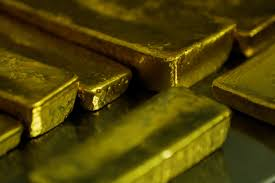
Why Buy Gold in Ghana?
1. One of the World’s Leading Gold Producers
Ghana is Africa’s largest gold producer and consistently ranks among the top global mining countries, which means buyers have direct access to high-quality gold from a stable and established supply chain.
2. High Purity and Certified Supply
Gold from Ghana is typically refined to 22K–24K (99.5%–99.9%) and is backed by official assay certification, especially when purchased through licensed dealers or refineries approved by the Minerals Commission.
3. Strong Legal and Export Framework
The country has a regulated system for gold trading and export, meaning buyers can legally purchase and export gold when working with approved institutions like licensed exporters, PMMC, and refinery channels.
4. Competitive Pricing Linked to Global Markets
Gold prices in Ghana closely follow the international spot market, allowing investors to buy at globally competitive rates while benefiting from direct access to mining and refinery-level supply chains.
Current Gold Prices in Ghana (Live Market Insights)
Gold prices in Ghana in 2026 are directly influenced by the international spot market, but local buying rates are slightly higher due to refining costs, export charges, and regulatory compliance. This makes Ghana a premium-linked but globally competitive gold market, especially for 22K and 24K investment-grade bullion.
24K Gold Price per Gram in Ghana (2026 Update)
In 2026, 24K gold in Ghana typically trades within a range linked to the global spot price of $132 – $143 per gram, with local dealer premiums added depending on certification and export readiness.
| Category | Price per Gram (USD) | Description |
| Global Spot Price | $132 – $143 | International benchmark (London/COMEX) |
| Ghana Local Dealer Price | $136 – $150 | Includes handling, security, and margin |
| Export-Ready 24K Gold | $138 – $155 | Includes assay, export permits, and logistics |
Note. Final price depends on purity confirmation, transaction size, and whether the gold is already export-certified.
22K vs 24K Gold Price Comparison Table
| Purity | Price per Gram (USD) | Gold Content | Best Use |
| 24K (99.9%) | $132 – $155 | Pure gold | Investment, bullion, export |
| 22K (91.6%) | $120 – $140 | Mixed with alloys | Jewelry, ornaments, retail trade |
Note. 24K gold is more expensive because it contains almost pure gold content, while 22K includes small amounts of other metals for durability.
Bulk Pricing Table (Very Important for Investors)
| Weight | Estimated Price Range (USD) | Notes |
| 1 Gram | $136 – $155 | Retail/sample purchase |
| 10 Grams | $1,360 – $1,500 | Small investor tier |
| 100 Grams | $13,500 – $15,000 | Wholesale pricing begins |
| 1 Kilogram | $135,000 – $150,000 | Institutional / export level |
Note. Larger quantities usually get better pricing per gram due to lower handling and processing costs.
Factors That Affect Gold Prices in Ghana
Gold pricing in Ghana is not fixed it changes daily based on global and local economic conditions.
1. USD Exchange Rate
Since gold is priced globally in USD, any fluctuation in the dollar exchange rate directly impacts local Ghana cedi pricing and buyer costs.
2. Mining Output Levels
When production from major mines (like AngloGold Ashanti or Newmont) increases, supply improves and price pressure may slightly stabilize. Lower output can tighten supply and increase premiums.
3. Government Taxes & Royalties
Export duties, mining royalties, and compliance fees add to the final cost of gold in Ghana, especially for export-ready bullion.
4. Refining & Certification Costs
Gold must be refined to 22K–24K purity and verified through assay testing, which adds processing and certification expenses.
5. Global Market Demand
Central bank buying, inflation trends, and geopolitical tensions often push global gold prices up, which directly influences Ghana’s local market.
Keynote for Buyers
Gold in Ghana is priced in a structured global-local hybrid system, meaning:
- Global spot price sets the base value
- Local costs and compliance add premiums
- Larger purchases get better per-gram pricing
- Verified export-ready gold is always slightly higher due to documentation and security
Note. Smart investors always compare the spot price, dealer price, and export-ready price before buying.
Where to Buy Gold in Ghana Safely (2026 Table Guide)
| Buying Option | Examples | Safety Level | What You Get | Key Requirement |
| Licensed Gold Dealers | Minerals Commission–approved dealers in Accra, Kumasi | High | 22K–24K gold, assay certificate, purchase invoice | Verify dealer license number |
| Gold Refineries | Gold Coast Refinery, a mining company refinery | Very High | Investment-grade bullion, export-ready gold | Refinery-issued documentation |
| PMMC (Government Channel) | Precious Minerals Marketing Company | Very High | Verified gold, valuation, certification support | Official PMMC verification |
| Licensed Export Agents / Aggregators | Minerals Commission–registered export firms | High | Aggregated small-scale gold, export processing | Valid export license required |
| Mining Companies (Direct Supply) | AngloGold Ashanti, Newmont, Perseus Mining | Very High | Large-scale refined doré gold | Corporate purchase agreement |
| Bank / Institutional Channels | Select financial institutions (limited access) | Very High | Secure bulk investment gold | Corporate compliance process |
Risk Reminder (Important)
| Risky Source | Risk Level | Why It’s Dangerous |
| Street Sellers | Very High | No documents or traceability |
| Unverified Brokers | High | Fake licenses and middleman scams |
| “Discount Gold” Offers | Very High | Usually, a fake or non-existent supply |
| Cash-Only Deals | High | No legal protection or audit trail |
Key Insight
In Ghana, safe gold buying always follows one rule:
If it is not licensed, documented, and verifiable, it is not safe no matter the price.
Gold Bar and Coin Types Available in Ghana (2026)
| Type | Purity | Weight Range | Form | Primary Use | Availability in Ghana |
| 24K Gold Bars (Investment Grade) | 99.9% | 1g – 1kg | Cast or minted bars | Investment, export, wealth storage | High (via refineries & licensed dealers) |
| 22K Gold Bars | 91.6% | 5g – 500g | Small bars | Jewelry production, retail trading | Medium (mostly dealers) |
| Kilobars (1kg Bars) | 99.5% – 99.9% | 1kg | Cast bars | Institutional investment, export | High (refinery supply) |
| Mini Gold Bars | 24K | 1g – 50g | Minted bars | Entry-level investors, gifting | High |
| Ghana Gold Nuggets (Raw Form) | 22K – 23K (varies) | Variable | Natural nuggets | Collectors, traders | Limited (licensed miners only) |
| Sovereign Gold Coins (Imported) | 22K – 24K | ~7.98g (typical) | Minted coins | Investment, collectibles | Limited (imported via dealers) |
| South African Krugerrand Coins | 22K | 1oz (31.1g) | Coin | Global investment standard | Available via select dealers |
| African Bullion Coins (Limited Issue) | 24K | 1g – 1oz | Minted coins | Investment & diversification | Low–Medium |
| Custom Minted Gold Bars (Private Order) | 24K | 10g – 1kg | Personalized bars | Corporate/institutional buyers | Limited (refinery-based orders) |
| Small Assayed Gold Pieces | 22K – 24K | 0.5g – 5g | Fragmented bars | Testing, small investors | High |
Keynote for Buyers
- 24K gold bars are the most trusted form for investment and export in Ghana
- 22K gold is mainly used for jewelry and local trade
- Coins are less common locally but available through international dealers operating in Ghana
- Larger bars (1kg) offer lower per-gram cost and higher investment efficiency
Step-by-Step Guide for Foreign Investors (Legal Purchase & Export Process)
Below is the standard 2026 compliant process used by legitimate buyers and exporters in Ghana:
| Step | Action | What It Means in Practice |
| 1 | Identify a Licensed Dealer | Only work with Minerals Commission–approved gold dealers or exporters |
| 2 | Verify License & Company Profile | Confirm registration, export license, and physical office presence |
| 3 | Request Gold Offer (Quotation) | Dealer provides price per gram/kg based on live market rate + premium |
| 4 | Physical Inspection / Vault Viewing | The buyer may inspect the gold in a secured vault or authorized facility |
| 5 | Assay Certificate Verification | Confirm purity (usually 22K–24K, 99.5%–99.9%) |
| 6 | Contract Signing | Legal sales agreement including quantity, price, and delivery terms |
| 7 | Payment via Secure Banking Channel | Bank-to-bank transfer or escrow arrangement (avoid cash deals) |
| 8 | Export Documentation Processing | Dealer prepares export permit, tax clearance, and customs paperwork |
| 9 | Shipment & Customs Clearance | Gold is sealed, declared, and cleared through Ghana Customs |
| 10 | Delivery to Destination Country | Buyer receives gold with tracking and full documentation |
This structured process ensures transparency and eliminates risks such as fraud, illegal sourcing, or fake export claims.
Small-Scale vs. Large-Scale Purchasing (Understanding Supply Types)
In Ghana’s gold market, there are two major sourcing categories that investors must understand clearly:
- Small-Scale Gold (Galamsey-Free Certified Supply)
This type is sourced from licensed small-scale miners and regulated aggregators.
Key Features:
- Typically sold in smaller quantities (100g – 1kg range)
- Must be purified and verified through official refineries
- Comes with assay certificates and export documentation
- Higher per-gram price due to handling and processing costs
Risk Level: Low (if fully licensed and documented)
Best For: First-time investors, small traders, and retail buyers
- Large-Scale Corporate Supply (Industrial/Refinery Gold)
This comes from major mining companies and large refineries operating under strict international standards.
Key Features:
- Bulk supply (1kg – 100kg+ transactions)
- Lower premium per gram due to scale efficiency
- Direct refinery or mining company origin
- Highly regulated export chain
Risk Level: Very Low (institutional-grade compliance)
Best For: Institutional investors, bullion traders, banks, and large importers
Quick Comparison Table
| Feature | Small-Scale Gold | Large-Scale Gold |
| Source | Licensed small miners | Mining companies/refineries |
| Quantity | 100g – 1kg | 1kg – 100kg+ |
| Price per gram | Higher | Lower |
| Documentation | Required (assay and export permit) | Full corporate export package |
| Risk Level | Medium-Low | Very Low |
| Buyer Type | Retail/individual investors | Institutions / bulk traders |
Due Diligence Checklist (Critical for Safe Buying)
Before making any payment or confirming a deal in Ghana, every investor must verify the following documents and compliance items:
Essential Documentation Checklist
| Document | Purpose | Why It Matters |
| Assay Certificate | Confirms gold purity (24K/99.9%) | Prevents fake or low-grade gold scams |
| Export License | Authorizes legal international shipment | Ensures gold can leave Ghana legally |
| Minerals Commission License | Confirms dealer is registered | Protects the buyer from illegal traders |
| Tax Clearance Certificate | Confirms taxes are paid | Avoids customs seizure or penalties |
| Purchase Contract | Defines terms of sale | Legal protection for both parties |
| Customs Export Declaration | Official export approval | Required for international transport |
| Bank Payment Proof | Confirms financial traceability | Prevents cash fraud and disputes |
Note. If these steps are followed correctly, buying gold in Ghana becomes one of the most secure physical gold investment opportunities in Africa in 2026.
How to Identify Reliable Gold Dealers in Ghana (2026)
| Verification Area | What a Reliable Dealer Shows | Red Flags (Avoid) | Why It Matters |
| Minerals Commission License | Valid license number, verifiable in Ghana registry | No license or “coming soon” claims | Confirms legal authority to trade gold |
| Company Registration | Registered business name matching documents | Different names across documents | Prevents fake or shell companies |
| Physical Office Presence | Real office in Accra/Kumasi with staff | Online-only seller (WhatsApp/Telegram only) | Proves real operations exist |
| Assay Certificate | Official 22K–24K purity certificate from PMMC or accredited lab | No certificate or unclear document | Confirms gold purity and authenticity |
| Pricing Transparency | Price linked to global spot market ($132–$155 per gram range) | “Too cheap” offers (20%+ below market) | Detects scam or non-existent gold |
| Payment Method | Bank transfer or escrow system | Cash-only or crypto-only pressure | Ensures traceable and legal transaction |
| Contract Agreement | Written sales contract with full details | Verbal agreements only | Provides legal protection |
| Export Documentation | Export license, customs clearance, tax compliance | “We will handle later” excuses | Required for legal international shipment |
| Gold Inspection Option | Physical inspection allowed before payment | Refusal to show gold | Confirms actual gold exists |
| Reputation & History | Proven track record, references, reviews | New/unverifiable company claims | Reduces fraud risk |
Note. A legitimate gold dealer in Ghana always allows verification before payment. If any of the core elements, license, assay certificate, or inspection, are missing, the deal should be considered high risk regardless of price.
The Legal & Regulatory Framework (Authority)
Understanding Ghana’s gold market in 2026 starts with the legal and regulatory framework, because every legitimate gold transaction must comply with national mining laws and oversight bodies. Ghana has strengthened its mining governance in recent years to control illegal gold trading, increase state revenue, and ensure that both local and foreign buyers deal only through approved channels.
- The 2026 Mining Reforms: Updated Minerals and Mining Act
The 2026 Mining Reforms build on Ghana’s Minerals and Mining Act and introduce stricter compliance rules for gold extraction, trading, and export. These reforms are designed to close loopholes that previously allowed illegal gold smuggling and unregulated middleman activity.
Key improvements under the updated framework include:
- Stricter licensing requirements for all gold buyers, dealers, and exporters
- Mandatory traceability systems for gold origin (from mine to export point)
- Enhanced enforcement against illegal mining (galamsey) operations
- Digital tracking and documentation for all gold exports
- Higher penalties for unlicensed trading or false documentation
For investors, this means gold purchases in Ghana are now more secure but only if transactions are done through approved and traceable channels.
- Licensed Gold Dealers in Ghana: Mineral Commission-Approved Exporters
All legal gold transactions in Ghana must go through dealers who are licensed and approved by the Minerals Commission. These are companies and entities that have met strict regulatory standards, including financial capacity, security systems, and compliance with export laws.
Working with licensed dealers ensures:
- Authentic 22K–24K gold with verified purity
- Issued assay certificates and export documentation
- Legal protection for both local and foreign buyers
- Smooth customs clearance for international shipping
- Reduced risk of fraud or counterfeit gold bars
In practice, buyers should always request to verify a dealer’s license number directly with the Minerals Commission before committing to any purchase. Any seller unable or unwilling to provide this verification should be avoided.
- GoldBod vs. Minerals Commission: Who Regulates What in 2026?
In 2026, Ghana’s gold sector is influenced by two key regulatory structures: the Minerals Commission and the newly strengthened GoldBod (Gold Board) system. Understanding their roles is essential for safe gold buying.
Minerals Commission
- Main government authority regulating mining activities
- Issues licenses for mining companies and gold dealers
- Oversees compliance with the Minerals and Mining Act
- Approves legal exporters and trading entities
GoldBod (Gold Board)
- Focuses specifically on gold trading, purchasing, and export coordination
- Ensures proper pricing standards and market transparency
- Monitors gold traceability from local markets to export terminals
- Works alongside customs and financial regulators to prevent smuggling
Simple breakdown:
- The Minerals Commission controls who are allowed to mine and trade gold
- The GoldBod ensures how gold is bought, priced, and exported safely
Together, these institutions create a structured system that reduces illegal trade and protects international buyers who want to invest in Ghanaian gold.
Below is a clean, structured table format of the major licensed gold export channels and companies active in Ghana (2026 framework). This reflects real operational exporters and regulated institutions, not a fixed or unofficial “top 10 ranking,” since Ghana licensing changes frequently.
Legal Requirements to Buy and Export Gold in Ghana (2026 Guide)
Buying and exporting gold in Ghana is legal, but it is strictly regulated under the Minerals and Mining framework to prevent smuggling, fraud, and illegal mining trade. In 2026, every investor, local or foreign, must follow a clear legal process involving licensing, documentation, and government-approved export procedures.
Legal Requirements to Buy Gold in Ghana
Before you can purchase gold legally, you must ensure the transaction is done through approved and licensed entities.
Key Requirements for Buying Gold
| Requirement | Description | Who Issues It |
| Verified Gold Dealer | Must be registered with the Minerals Commission | Minerals Commission |
| Purchase Agreement | Written contract stating quantity, price, and purity | Licensed dealer/exporter |
| Assay Certificate | Confirms purity (22K–24K / 99.9%) | PMMC or accredited lab |
| Proof of Payment | Bank transfer or traceable financial record | Buyer’s bank |
| Identification (KYC) | Passport or valid ID for compliance | Buyer |
Note. Without these documents, the purchase is considered high risk and non-compliant.
Legal Requirements to Export Gold from Ghana
Exporting gold requires strict government approval and customs clearance. No gold can leave Ghana legally without proper documentation.
Export Requirements Checklist
| Requirement | Purpose | Issuing Authority |
| Export License | Legal permission to export gold | Minerals Commission / GoldBod |
| Tax Clearance Certificate | Confirms taxes and royalties are paid | Ghana Revenue Authority (GRA) |
| Assay Certificate | Verifies purity and weight | PMMC / Accredited Refinery |
| Customs Export Declaration | Official export documentation | Ghana Customs Service |
| Shipping & Insurance Documents | Protects gold during transport | Licensed logistics provider |
| Invoice & Contract | Proof of transaction ownership | Licensed exporter |
Key Regulatory Authorities in Ghana’s Gold Sector
| Authority | Role in Gold Trade |
| Minerals Commission | Issues with mining and trading licenses |
| GoldBod (Gold Board – 2026 system) | Regulates trade flow and market compliance |
| PMMC | Assay, valuation, and certification |
| Ghana Revenue Authority (GRA) | Taxes and export duties |
| Ghana Customs Service | Border control and export clearance |
Step-by-Step Legal Export Process
- Buyer signs contract with licensed exporter
- Gold is tested and issued an assay certificate
- Export license and tax clearance are obtained
- Customs declaration is filed
- Gold is sealed, insured, and transported securely
- Shipment is cleared by Ghana Customs
- Gold is exported to the destination country
Illegal Practices to Avoid
| Illegal Activity | Risk |
| Buying from unlicensed sellers | Confiscation of gold |
| Exporting without a permit | Legal prosecution |
| Fake assay certificates | Shipment rejection |
| Cash-only transactions | No legal protection |
| Smuggling through unofficial routes | Heavy penalties |
Note. In Ghana, gold ownership alone is not enough; the legal documentation determines whether your gold is exportable or seized. Serious investors always work through:
- Licensed dealers or exporters
- PMMC-certified assay systems
- Government-approved export permits
- Fully documented banking transactions
Note. If any step is missing, the transaction is not legally secure in 2026.
Licensed Gold Export Channels in Ghana (2026)
| No. | Company / Institution | Category | Export Role | Key Notes (2026 Status) |
| 1 | PMMC (Precious Minerals Marketing Company) | Government Authority | Assay, buying, and export coordination | Official state body ensuring legal gold trade and certification |
| 2 | GoldBod (Gold Board) | Regulatory Authority | Market control & export monitoring | Oversees transparency, traceability, and compliance in 2026 reforms |
| 3 | Gold Fields Ghana | Mining Company | Direct gold exporter | Large-scale producer exporting doré gold bars |
| 4 | AngloGold Ashanti (Obuasi & Iduapriem) | Mining Company | Major exporter | One of Ghana’s biggest and oldest gold exporters |
| 5 | Newmont Ghana | Mining Company | Industrial export | High-grade gold from Ahafo operations |
| 6 | Perseus Mining Ghana | Mining Company | Export-grade production | Active mid-to-large scale exporter |
| 7 | Chirano Gold Mines (Kinross) | Mining Company | Gold export | Produces and exports refined gold through official channels |
| 8 | Gold Coast Refinery | Refinery | Refining + export | One of West Africa’s largest licensed refineries |
| 9 | Licensed Gold Aggregators (Minerals Commission Approved) | Small-scale supply chain | Collect & export small-scale gold | Work with artisanal miners under strict regulation |
| 10 | Private Licensed Exporters (Minerals Commission Registered Firms) | Trading/Export Companies | Export facilitation | Must be individually verified due to annual license updates |
Buyers note
- Licensing changes based on compliance, audits, and government reforms
- Always verify each company through:
- Minerals Commission database
- PMMC certification system
- GoldBod compliance registry
Risk Management: Avoiding 2026 Gold Scams
Gold trading in Ghana can be highly profitable, but it is also one of the most targeted sectors for fraud in Africa. In 2026, most scams are not about physical theft; they are about fake pricing, fake documents, and false export promises. Serious investors protect themselves by understanding one core rule: real gold follows global pricing and strict documentation standards. Anything outside that system is a red flag.
The “Discounted Gold” Trap
One of the most common scams in Ghana is the offer of gold at prices far below the international market rate. Fraudsters often attract buyers by claiming they have “urgent stock,” “government clearance deals,” or “direct miner connections.”
Key Reality:
Gold is a global commodity traded on international markets like the London Bullion Market and COMEX. This means the price does not randomly drop by large margins in one country.
If someone offers gold at 20% below the London Fix price, it is almost always a scam or a non-existent supply.
Simple Price Logic Table
| Scenario | Reality Check | Risk Level |
| Within ±1% to 3% of global spot price | Normal dealer margin | Low risk |
| 5%–10% below spot price | Rare bulk or refinery negotiation (needs verification) | Medium risk |
| 15%–20%+ below London Fix | Highly suspicious / likely fraud | Very high risk |
Common Scam Language to Watch For:
- “Urgent clearance gold stock”
- “Government seized gold being released cheap”
- “No documents needed, just cash deal”
- “We can ship without assay or export permit”
- “Special insider mining connection price”
Note. In legitimate trade, none of these shortcuts exist.
Identifying Forged Documents (Critical Verification Step)
Another major scam in 2026 involves fake Minerals Commission letters, fake assay certificates, and forged export permits. These documents may look official at first glance but are often digitally edited or completely fabricated.
Security Features to Look For in Minerals Commission Documents
| Security Feature | What It Should Look Like | Why It Matters |
| Official Letterhead | Clear Ghana Minerals Commission branding | Confirms government origin |
| Registration Number | Unique license or reference ID | Used for database verification |
| QR Code or Digital Verification | Scannable code linking to official record | Prevents forgery |
| Authorized Signature | Signed by licensed official (not scanned copy only) | Confirms authenticity |
| Date & Validity Period | Clearly stated issuance and expiry dates | Ensures license is active |
| Physical Office Address | Accra-based official contact details | Confirms real institution |
| Stamp / Seal | Embossed or official ink stamp | Harder to duplicate |
Red Flags in Fake Documents
- Blurry logos or low-resolution printing
- Missing license or registration numbers
- No QR code or unverifiable code
- Names of officials not listed in government directories
- Documents sent only as WhatsApp images without originals
- Refusal to allow verification with Minerals Commission
Expert Risk Insight (2026 Market Reality)
In Ghana’s gold market, fraudsters rely on one thing: speed and excitement before verification. Professional buyers never rush. They always:
- Verify documents directly with the Minerals Commission
- Match assay certificates with physical gold bars
- Confirm pricing against international spot rates
- Use escrow or bank-controlled payments
- Reject deals that skip documentation
Note. If a deal feels “too easy,” “too fast,” or “too cheap,” it is usually not a deal—it is a trap.
Legitimate gold trading in Ghana is structured, documented, and closely regulated. The more pressure a seller puts on you to skip steps, the higher the risk of fraud.
Secure Storage and Logistics (How to Protect Your Gold)
Once gold is purchased, the next critical step is safe storage and transport. In Ghana, professional logistics companies and vault providers are used to reduce theft and fraud risks.
Trusted Storage & Security Options
| Provider Type | Role | Why It Is Trusted |
| BRINK’S (International Security) | High-security vaulting and global transport | Global reputation, armored logistics, insured storage |
| G4S Secure Solutions | Armed transport and secure custody | Strong presence in Africa, trusted by banks and refineries |
| Local Refinery Vaults | Temporary storage before export | Convenient for inspection and export processing |
| Airport Customs Bonded Storage | Final holding before shipment | Government-controlled, legally monitored environment |
How secure logistics works in practice:
- Gold is stored in a secure vault after purchase
- It is sealed with serial tracking and documentation
- Armored transport moves it to customs or an airport facility
- Shipment is insured before export to the destination country
This system ensures that gold is not tampered with between purchase and delivery.
Verifying Gold Purity (Avoiding Fake or Low-Quality Gold)
Gold purity verification is one of the most important steps in Ghana’s buying process. Genuine gold must always be tested by approved assaying centers or recognized government-linked institutions.
Trusted Verification Options
| Institution | Function | Why It Matters |
| PMMC (Precious Minerals Marketing Company) | Government-approved gold validation | Official authority for gold purity confirmation |
| Licensed Private Assay Labs | Independent purity testing | Provides a second opinion before purchase |
| Refinery Assay Departments | Internal testing before export | Confirms purity before melting and bar stamping |
How Gold Purity Testing Works (Simple Explanation)
- A small sample of gold is taken from the bar
- It is tested using a fire assay or an XRF machine
- Results show purity level (e.g., 99.9% = 24K gold)
- A certificate is issued with a serial number and a lab stamp
- Buyer matches certificate details with physical bar markings
Red Flags in Fake Assay Certificates
- Missing serial numbers or QR codes
- No official refinery or PMMC stamp
- Poor printing quality or spelling errors
- Certificate does not match gold bar weight/purity
- Seller refuses independent verification
Note for buyers
In Ghana’s gold market, safety does not depend on luck it depends on verification systems and disciplined due diligence. Serious investors always:
- Verify licenses before paying
- Test gold purity before shipment
- Use insured storage and armored logistics
- Avoid discounts that look unrealistic
- Work only with regulated institutions like PMMC, licensed refineries, and recognized security firms
When these steps are followed, gold buying in Ghana becomes a structured, transparent, and highly secure investment process even in 2026.
Top Gold Refineries in Ghana (2026)
| No. | Refinery / Facility | Location | Type | Key Function | Status (2026) |
| 1 | Gold Coast Refinery | Accra (Tema Industrial Area) | Large-scale refinery | Refines raw gold into bullion bars (99.5%–99.99%) | Fully operational & largest in Ghana |
| 2 | PMMC Assay & Refining Division | Accra | Government institution | Assaying, gold valuation, partial refining support | Active (state-controlled) |
| 3 | Asaase Gold Refinery (Pilot Facilities) | Ghana (various aggregation zones) | Semi-industrial | Aggregation and pre-refining of small-scale gold | Active under regulation |
| 4 | Akroma Gold Refinery Unit | Western Region | Small-scale licensed refinery | Local gold purification and aggregation | Operational (limited capacity) |
| 5 | Chirano Processing & Refining Facility | Western North Region | Mining company refinery | Internal refining before export | Active (corporate use) |
| 6 | AngloGold Ashanti Refining Operations (Obuasi) | Ashanti Region | Mining company facility | Internal gold doré production & refining | Active (industrial) |
| 7 | Newmont Ghana Processing Units | Ahafo Region | Mining company | Gold extraction and partial refining before export | Active (industrial) |
| 8 | Perseus Mining Processing Facility | Central Region | Mining company | Ore processing and doré production | Active |
| 9 | Small-Scale Licensed Refining Centers (Minerals Commission Approved) | Multiple regions | Licensed aggregators | Pre-refining and purification of artisanal gold | Active but regulated |
| 10 | Private Assay & Refinery Support Labs (Accra & Tarkwa zones) | Accra, Tarkwa | Testing + refining support | Purity testing and gold certification support | Active (support role only) |
Ghana vs Other African Countries for Gold Buying (2026 Comparison)
Ghana is one of the strongest gold markets in Africa, but it is not the only option. Investors often compare Ghana with countries like South Africa, Tanzania, Mali, and the DRC to decide where to buy gold more safely, cheaply, or in higher volumes. The key differences come down to regulation, price transparency, export ease, and supply reliability.
Country Comparison Table (Gold Buying & Investment)
| Country | Gold Availability | Regulatory Strength | Price Transparency | Export Ease | Risk Level | Key Advantage |
| 🇬🇭 Ghana | High | Strong (Minerals Commission + GoldBod) | Medium–High | Easy (with permits) | Low–Medium | Best balance of safety + access |
| South Africa | Medium | Very Strong | Very High | Very Easy | Low | Industrial-grade bullion & LBMA standards |
| Tanzania | High | Medium | Medium | Moderate | Medium | Large artisanal supply |
| Mali | High | Weak–Medium | Low–Medium | Difficult | High | Cheap gold but higher risk |
| DRC | Very High | Weak | Low | Difficult | Very High | Large deposits but unstable regulation |
| Guinea | High | Medium | Low–Medium | Moderate | High | Growing mining sector |
| Burkina Faso | High | Weak–Medium | Low | Difficult | High | Informal mining dominates |
Why Ghana Stands Out in Africa
- Strong Regulatory System
Ghana has one of the most structured gold frameworks in Africa, led by:
- Minerals Commission
- PMMC (assay & certification)
- GoldBod (2026 trading oversight system)
This reduces fraud and improves buyer confidence.
- Balanced Pricing System
Ghana gold prices are closely linked to global markets:
- Based on London/COMEX spot price
- Small premium for refining and export costs
- More stable compared to informal markets like Mali or DRC
- Easier Export Process
Compared to many African countries, Ghana offers:
- Clear export licensing system
- Recognized assay certification (PMMC)
- Legal customs clearance process
- Structured banking and compliance channels
- Lower Risk of Fraud (Compared to Neighbors)
| Country | Fraud Risk Type |
| Ghana | Document-based scams (manageable with verification) |
| Mali/DRC | Physical + document + illegal mining risk |
| Tanzania | Mixed formal/informal supply chain risk |
Key Differences Buyers Must Understand
Ghana
- Best for safe investment + legal export
- Medium pricing but high trust level
- Strong documentation system
South Africa
- Best for institutional-grade bullion
- Very strict but expensive compliance
- Limited artisanal supply
Online vs. In-Person: Where to Buy Gold in Ghana Safely (2026)
Buying gold in Ghana can be done online or in-person, but the level of risk and control is very different. In 2026, serious investors prioritize verification, documentation, and physical inspection because gold is a high-value asset that attracts online fraud.
Online vs In-Person Gold Buying Comparison
| Factor | Online Purchase | In-Person Purchase | Safety Insight |
| Verification of Gold | Limited (photos, videos, scanned documents) | Full physical inspection allowed | In-person is safer |
| Assay Certificate Check | Digital copies (can be faked) | Original certificate verified on-site | In-person preferred |
| Dealer Authentication | Hard to confirm identity | Face-to-face verification of the license | In-person is more reliable |
| Risk of Scam | High if an unverified seller | Lower when visiting a licensed dealer/refinery | Online risk is higher |
| Payment Security | Bank transfer/crypto risk if an untrusted seller | Bank or escrow at the office | In-person allows control |
| Convenience | Very high (remote access) | Moderate (travel required) | Online is more convenient |
| Export Processing | May be unclear or delayed | Direct handling at licensed office | In-person is more transparent |
| Best For | Research & initial contact only | Actual purchase & investment | In-person recommended |
Online Gold Buying in Ghana (How It Works)
Online gold purchasing is mainly used for initial communication and deal negotiation, not final transactions.
Safe Online Practices:
- Only deal with licensed dealers (verify Minerals Commission number)
- Request live video of gold + assay certificate
- Confirm physical office address in Ghana
- Use official company email domains (not Gmail/Yahoo)
- Arrange in-person inspection before payment
Online Red Flags:
- “Guaranteed cheap gold” offers
- No physical address provided
- Pressure to pay quickly online
- Refusal to show live video verification
- Only WhatsApp/Telegram communication
Note. In most fraud cases, scammers operate 100% online without physical presence.
In-Person Gold Buying in Ghana (Recommended Method)
In-person buying is the safest and most trusted method in 2026 because it allows full verification before payment.
What happens in a safe in-person deal:
- Buyer visits licensed dealer, refinery, or PMMC-linked office
- Gold is physically shown (bars or nuggets)
- The assay certificate is presented and matched
- Buyer can request independent testing (if needed)
- Contract is signed on-site
- Payment is made through bank transfer or escrow
- Export documentation is processed
Conclusion: Buying Gold in Ghana
Buying gold in Ghana can be a highly profitable and secure investment when done through the right legal and verified channels. Ghana remains one of Africa’s strongest gold markets due to its large production base, structured regulatory system, and globally linked pricing. However, the difference between a safe investment and a risky transaction depends entirely on compliance, verification, and due diligence.
In 2026, successful gold buyers focus on working only with Minerals Commission–licensed dealers, refineries, and approved exporters, while always confirming key documents such as assay certificates, export permits, and purchase contracts. Since gold is a global commodity, prices should always align closely with international market rates. Any offer that is significantly below market value should be treated with caution.
Ultimately, Ghana offers strong opportunities for investors, but the safest approach is not speed or low price it is transparency, documentation, and regulatory compliance. When these principles are followed, buying gold in Ghana becomes one of the most reliable ways to access physical gold in Africa with confidence and legal protection.
FAQs About Buying Gold in Ghana (2026 Guide)
- Is it legal to buy gold in Ghana?
Yes. Buying gold in Ghana is legal as long as you purchase from Minerals Commission–licensed dealers, refineries, or approved exporters and follow the proper documentation process.
- Can foreigners buy gold in Ghana?
Yes. Foreigners can legally buy gold, but they must go through licensed exporters or dealers and comply with KYC (passport verification) and export regulations.
- Do I need a license to buy gold in Ghana?
No license is required for personal or investment purchases, but you must buy through a licensed entity to ensure legality and export eligibility.
- What purity of gold is sold in Ghana?
Most investment-grade gold in Ghana is 22K (91.6%) to 24K (99.9%), especially from refineries and mining companies.
- How much does gold cost in Ghana?
In 2026, prices generally range around $132 – $155 per gram for 24K gold, depending on global spot price, purity, and dealer premiums.
- Why is gold slightly more expensive in Ghana than the global price?
Because local prices include:
- Refining costs
- Export permits
- Security and logistics
- Taxes and dealer margins
- Where is the safest place to buy gold in Ghana?
The safest options are:
- Licensed dealers (Minerals Commission approved)
- Refineries like Gold Coast Refinery
- PMMC-linked channels
- Major mining companies
- Can I export gold from Ghana legally?
Yes, but only with:
- Export license
- Assay certificate
- Tax clearance
- Customs declaration approval
- What is an assay certificate?
It is an official document that confirms:
- Gold purity (e.g., 24K / 99.9%)
- Weight accuracy
- Source verification
- How can I avoid gold scams in Ghana?
Avoid:
- Unlicensed sellers
- “Too cheap” gold offers
- Cash-only deals
- Sellers refusing document verification
- What is the minimum amount of gold I can buy?
You can start from 1 gram, but most investors buy:
- 10g – small investment
- 100g – wholesale level
- 1kg – export/institutional level
- Are gold bars or coins better for investment?
Gold bars are more common in Ghana and better for investment because they have:
- Lower premiums
- Easier storage
- Better liquidity in bulk trading
- How long does the export process take?
If all documents are ready, export usually takes:
- 3 to 10 working days, depending on customs and verification processes
- What documents do I need to buy gold safely?
You need:
- Assay certificate
- Purchase contract
- Invoice/receipt
- Dealer license verification
- Payment proof
- Is Ghana a good country for gold investment?
Yes. Ghana is considered one of the most stable and regulated gold markets in Africa, offering a strong balance of safety, supply access, and export capability.