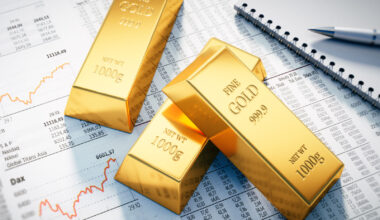
Where is the Cheapest Place to Buy 24K Gold? (2026 Rankings)
The cheapest 24K gold in the world is usually found in Dubai, Hong Kong, Singapore, and Switzerland, where strong competition, low taxes, and minimal dealer premiums keep prices close to the global spot price, typically around 1% to 5% above spot value. These markets are known for transparent pricing, efficient gold trading hubs, and investor-friendly regulations, making them top destinations for buying investment-grade gold at lower costs.
Gold prices vary significantly from one country to another due to factors such as local taxes, import duties, refinery costs, market competition, currency exchange rates, and government regulations. While the international spot price of gold remains relatively similar worldwide, the final price consumers pay for 24K gold bars, coins, and jewelry can differ greatly depending on where they buy.
In this comprehensive guide, you’ll discover the top countries with the cheapest gold prices, compare real-world gold costs across major global markets, learn how to buy genuine 24-carat gold safely, and understand the hidden fees that many buyers often overlook. We also examine leading global gold hubs such as Dubai, Switzerland, Hong Kong, Singapore, Saudi Arabia, and key African gold-producing countries to help you identify the best destinations for affordable gold purchases in 2026.
Whether you’re searching for the cheapest country to buy gold, comparing international gold rates, or looking for trusted suppliers of investment-grade gold bars, this guide provides the latest insights, expert recommendations, and practical buying strategies to help you make informed and confident investment decisions.
What Is 24 Carat Gold?
24 carat gold (often written as 24K gold) is the purest form of gold available for commercial buying and selling. It represents gold that is as close as possible to 100% pure gold, making it the global standard for investment-grade bullion.
However, understanding 24K gold properly requires knowing how purity is measured, how it compares to other gold types, and why it is preferred in global investment markets.
Definition of 24K Gold
24K gold refers to gold that is 99.9% or higher purity (999 or 999.9 fine gold). This means almost no other metals are mixed with it.
Because of this high purity:
- It has a bright yellow color
- It is softer than lower-karat gold
- It is mainly used for investment bars, coins, and bullion
- It is less commonly used for everyday jewelry due to its softness
In global bullion markets like Dubai, Switzerland, Singapore, and Hong Kong, 24K gold is the standard for serious investors.
Purity Levels Explained
Gold purity is measured in karats (K), where 24K represents pure gold. The lower the karat number, the more other metals (like copper or silver) are mixed in.
- 24K = 99.9% pure gold
- 22K = about 91.6% gold
- 18K = about 75% gold
- 14K = about 58.5% gold
The remaining percentage in lower-karat gold is made up of other metals that increase strength and durability.
Difference Between 24K, 22K, and 18K Gold
| Type | Purity | Strength | Common Use | Price Level |
| 24K Gold | 99.9% pure | Soft | Investment bars, coins | Highest |
| 22K Gold | 91.6% gold | Stronger | Jewelry (South Asia, Middle East) | High |
| 18K Gold | 75% gold | Very strong | Luxury jewelry (Europe/US) | Moderate |
Key Difference
- 24K gold is focused on purity and investment value
- 22K and 18K gold are designed for durability and fashion use
Why Investors Prefer 24K Gold
Investors around the world prefer 24K gold because it is the closest form to pure wealth storage without added metals or design costs.
Main Reasons Investors Choose 24K Gold
- Highest intrinsic value (pure gold content)
- Global acceptance in bullion markets
- Easy to trade and liquidate internationally
- Available in LBMA-certified bars
- Better long-term wealth preservation
- No design or making charge premiums (for bars)
Unlike jewelry, which includes craftsmanship costs, 24K bullion focuses purely on gold weight and purity, making it ideal for investment and savings.
Top Countries with the Lowest 24K Gold Rates Right Now
Note: Gold prices change continuously based on the international spot market, exchange rates, taxes, and dealer premiums. The countries below are generally recognized for offering some of the lowest effective prices for investment-grade 24K gold.
| Rank | Country | Why Gold Is Cheaper | Typical Premium Above Spot Price | Best For |
| 1 | United Arab Emirates (Dubai) | Low taxes, highly competitive gold market, large trading volume | 1%–3% | Gold bars, jewelry, wholesale purchases |
| 2 | Hong Kong | Duty-free gold imports and strong market competition | 1%–3% | Gold bars and bullion |
| 3 | Singapore | Investment-grade gold exempt from GST, major bullion hub | 1%–4% | Investors and international buyers |
| 4 | Switzerland | Home to major refineries such as PAMP, Valcambi, and Metalor | 2%–5% | LBMA-certified gold bars |
| 5 | Saudi Arabia | Low taxes on gold and active jewelry market | 2%–5% | 24K jewelry and bullion |
| 6 | Qatar | Competitive gold retail market with relatively low premiums | 2%–5% | Jewelry and small gold bars |
| 7 | Bahrain | Strong Gulf gold trade network | 2%–6% | Jewelry and investment gold |
| 8 | Kuwait | Low taxation and high bullion demand | 2%–6% | Gold bars and coins |
| 9 | Malaysia | Competitive regional gold market | 3%–7% | Retail investors |
| 10 | Uganda* | Access to gold-producing regions and local supply chains | Varies | Wholesale and export buyers |
Why Dubai (UAE) Dominates the Low-Cost 24-Carat Market
Dubai has earned a global reputation as one of the best places to buy 24-carat gold at competitive prices. Often referred to as the “City of Gold,” Dubai benefits from a combination of low taxation, high trading volumes, and intense competition among dealers.
Several factors contribute to Dubai’s position as a leading low-cost gold market:
- Minimal taxes on investment gold compared to many Western countries.
- Large-scale gold imports and exports, creating strong market liquidity.
- Hundreds of licensed gold dealers competing for customers.
- Access to internationally recognized refineries and LBMA-certified products.
- Transparent daily pricing linked closely to international spot gold rates.
- Availability of gold bars ranging from 1 gram to 1 kilogram and beyond.
The famous Dubai Gold Souk and modern bullion dealers throughout the city offer investors a wide range of products, making Dubai a preferred destination for tourists, traders, and institutional buyers seeking affordable 24K gold.
The cheapest 24K gold in the world is usually found in Dubai, Hong Kong, Singapore, and Switzerland due to low taxes, high competition, and minimal dealer premiums (1%–3% above spot price).
| Rank | Country | Premium Over Spot |
| 1 | Dubai | 1%–3% |
| 2 | Hong Kong | 1%–3% |
| 3 | Singapore | 1%–4% |
| 4 | Switzerland | 2%–5% |
24K Gold Price Example in Top Countries (Per 10g)
While global spot prices fluctuate daily, the ultimate cost you pay is heavily driven by local import duties, value-added taxes (VAT), and retail premiums.
The estimated retail prices below are based on a baseline global spot price of approximately $1,450 per 10 grams ($4,500 per ounce).
| Country | Estimated Price (10g 24K) | Reason |
| Dubai (UAE) | $1,465 – $1,495 | 0% import duty on bullion, 5% VAT refundable for tourists, immense market competition. |
| Hong Kong | $1,465 – $1,495 | Free port with no VAT or sales tax on gold; highly efficient bullion banks. |
| Singapore | $1,470 – $1,510 | Investment Precious Metals (IPM) are completely exempt from the local GST. |
| Switzerland | $1,480 – $1,525 | Low standard premium for LBMA-certified bars, though local retail markup applies. |
| United States | $1,495 – $1,550 | No import duties on investment bars, but local state sales taxes and retail premiums add up. |
| Australia | $1,510 – $1,565 | No GST on pure investment-grade bullion, though dealer fabrication costs vary. |
| India | $1,650 – $1,720 | High import duties (customs duty) plus a 3% Goods and Services Tax (GST) push retail prices up. |
| Uganda | Negotiable | Often sourced locally or regionally, prices heavily depend on direct negotiation and purity verification. |
How Tax Incentives Make Gold Cheaper in Switzerland and Hong Kong
While the international spot price of gold is largely the same worldwide, taxes and import duties can significantly affect the final purchase price. Switzerland and Hong Kong have become major gold trading hubs partly because of favorable tax policies.
Switzerland
Switzerland refines a significant portion of the world’s gold supply through major refineries such as:
- Valcambi
- PAMP Suisse
- Metalor
- Argor-Heraeus
Investment-grade gold bars in Switzerland generally benefit from VAT exemptions, helping investors avoid additional costs that may exist elsewhere. Combined with the country’s strong financial infrastructure and reputation for quality, Switzerland remains a top destination for purchasing premium bullion.
Hong Kong
Hong Kong is known for:
- Duty-free gold imports
- Low transaction costs
- High dealer competition
- Strong connections to Asian gold markets
Because import duties are limited and market competition is intense, buyers can often find gold products with relatively low premiums above the global spot price.
For investors seeking internationally recognized bullion products, both Switzerland and Hong Kong offer excellent value while maintaining high standards of authenticity and security.
Best Country to Buy Gold Based on Your Goal (2026 Guide)
Different gold markets offer different advantages depending on your purpose, whether you’re focused on the lowest price, maximum safety, bulk investment, or jewelry buying. Choosing the right country can significantly reduce costs and improve the security and authenticity of your purchase.
Cheapest price (low premiums & tax advantages) → Dubai, Hong Kong
These markets are known for intense competition, minimal import taxes, and low dealer premiums (often just 1%–3% above spot price), making them ideal for buyers who want the lowest possible cost for 24K gold.
safety & certification (trusted LBMA refiners & strict regulation) → Switzerland
Switzerland is globally recognized for premium gold refiners like PAMP, Valcambi, and Metalor. Buyers benefit from strong authentication systems, assay certification, and high trust standards, making it ideal for secure, long-term investment.
Bulk investment (large bars, institutional-grade trading) → Singapore
Singapore is a leading gold storage and trading hub in Asia, offering tax efficiency, secure vaulting, and smooth international transactions—ideal for investors buying in large quantities.
Jewelry buying (design, craftsmanship, cultural value) → India, Turkey
India and Turkey are famous for detailed gold craftsmanship, wide design variety, and competitive jewelry pricing, making them top destinations for ornamental and cultural gold purchases.
African sourcing (direct from producing regions) → Uganda, Ghana, DRC
These countries are key gold-producing regions in Africa, offering opportunities for direct sourcing and competitive pricing, especially for bulk buyers and traders working with licensed exporters.
Hidden Costs When Buying Cheap International 24K Gold
Many buyers focus solely on the advertised gold price and overlook additional expenses that can significantly increase the total cost of ownership. Understanding these hidden costs is essential when comparing gold prices across countries.
| Hidden Cost | Description | Potential Impact |
| Dealer Premiums | Markup added above spot price | 1%–10%+ |
| Shipping Fees | International transportation costs | Moderate to High |
| Insurance Charges | Protection during transit | Additional cost |
| Import Duties | Taxes charged when entering another country | Can be significant |
| Customs Clearance Fees | Processing and documentation expenses | Varies by country |
| Currency Exchange Costs | Conversion fees and exchange-rate spreads | Hidden expense |
| Storage Fees | Vaulting or secure storage charges | Ongoing cost |
| Assay & Verification Costs | Purity testing and certification fees | Additional transaction cost |
Common Mistakes Buyers Make
1. Ignoring Import Taxes
A buyer may save money purchasing gold abroad but lose those savings if their home country imposes substantial import duties or VAT.
2. Choosing Price Over Reputation
The cheapest offer is not always the safest. Working with licensed dealers, LBMA-recognized suppliers, and established refineries reduces fraud risks.
3. Overlooking Shipping and Insurance
Large gold purchases often require secure transportation and insurance coverage, which can add considerable costs to the transaction.
4. Failing to Verify Documentation
Authentic gold transactions should include:
- Assay certificate
- Invoice
- Certificate of origin (where applicable)
- Export documentation
- Serial numbers for investment bars
Note
The cheapest 24K gold price in the world is not always determined by the lowest advertised rate. Smart investors compare the total landed cost, including taxes, premiums, shipping, insurance, and compliance requirements, before making a purchase. In many cases, markets such as Dubai, Switzerland, Hong Kong, and Singapore remain attractive because they combine competitive pricing with strong legal protections, transparent trading systems, and globally recognized gold products.
Understanding Local VAT and GST Rebates for Tourists
One of the key reasons international buyers look at countries like Dubai, Switzerland, Singapore, and parts of Europe is the possibility of reducing or reclaiming taxes such as VAT (Value Added Tax) or GST (Goods and Services Tax). These taxes can significantly affect the final price of 24K gold, especially for jewelry purchases.
In some countries, tourists may be eligible for tax refund schemes, but this usually applies more to retail goods like jewelry rather than investment-grade gold bars. The rules vary widely depending on the country and the type of gold product purchased.
For example, in parts of the EU, tourists can sometimes claim VAT refunds when exporting purchased goods outside the region, provided they meet minimum purchase thresholds and complete export documentation at departure. However, investment gold in countries like Switzerland is often already VAT-exempt, meaning no refund is needed.
In Singapore, GST-registered retailers may offer a refund mechanism for eligible tourist purchases, but strict documentation and airport validation are required. In practice, many investors prefer VAT-exempt bullion markets because they avoid these administrative steps entirely.
The key takeaway is that tax rebates can improve pricing, but they often come with conditions, paperwork, and eligibility limits. Serious gold buyers tend to prioritize jurisdictions where investment gold is already tax-free at the point of purchase, reducing complexity and total cost.
Customs Allowances and Import Duties in Major Western Countries
When buying 24K gold internationally, one of the most overlooked cost factors is customs regulations in the destination country. Even if gold is purchased cheaply abroad, importing it into countries like the United States, the United Kingdom, Canada, or the European Union can trigger additional charges or strict reporting requirements.
Most Western countries allow travelers to bring in a limited value of goods duty-free, but gold often falls under special financial or customs reporting rules, especially when transported in bullion form.
United States
- Gold bullion is generally not subject to import duty, but must be declared if it exceeds cash-equivalent reporting thresholds.
- Large shipments may require customs documentation and financial disclosure under anti–money laundering rules.
United Kingdom & European Union
- Investment gold is often VAT-exempt, but imported gold may still require a customs declaration and proof of origin.
- Commercial quantities can attract scrutiny and documentation requirements.
Canada
- Gold bullion is typically duty-free, but must be declared at entry.
- Failure to declare high-value gold can result in penalties or seizure.
General Rules Across Western Countries
- Personal import limits are strict when gold is carried physically.
- Large investment shipments must go through licensed customs brokers and insured logistics providers.
- Documentation such as invoices, assay certificates, and certificates of origin are often required.
Key Insight for Buyers
Even when gold is cheaper in international markets, the final landed cost in Western countries can increase due to customs reporting, insurance, and compliance requirements. For this reason, many investors prefer to store gold in secure international vaults (such as those in Switzerland or Singapore) instead of physically importing it immediately.
Investing in 24-Carat Bullion: Where is the Cheapest Gold Price in the World?
Investing in 24-carat gold bullion is one of the most reliable ways to preserve wealth, especially during inflation, currency fluctuations, and global economic uncertainty. However, while the global spot price of gold is universal, the cheapest place to buy 24K gold in the world depends heavily on taxes, dealer premiums, logistics, and local market competition.
In practice, investors are not just asking “What is the gold price today?” but rather “Where can I buy gold closest to the spot price with the lowest total cost?” This is where global gold hubs stand out.
Where Gold Is Cheapest in the World (Real Investment View)
For most serious bullion investors, the following regions consistently offer the lowest effective 24K gold prices:
- Dubai (UAE): Extremely low taxes, high competition, and strong bullion trade infrastructure make it one of the closest markets to the global spot price.
- Hong Kong: Duty-free import structure and competitive dealers keep premiums very low.
- Singapore: A major institutional bullion hub with GST-exempt investment gold.
- Switzerland: Premium LBMA-certified bars with strong credibility and VAT exemptions on investment gold.
- Saudi Arabia & Gulf states: Competitive regional pricing with relatively low tax pressure.
These markets are not necessarily “cheaper” because gold itself is discounted, but because the added costs (taxes + premiums) are minimal, keeping prices close to the international spot rate.
Why “Cheapest Gold Price” Depends on More Than One Factor
Many buyers assume there is a single cheapest country, but in reality, gold pricing is influenced by:
- Dealer premium above spot price
- Import duties and VAT/GST policies
- Currency exchange rates (USD strength or weakness)
- Local demand and supply conditions
- Refinery and certification costs (LBMA bars vs. local gold)
- Shipping, insurance, and compliance costs
This means a country may appear cheap at first glance, but become expensive once total acquisition cost is calculated.
Best Strategy for Buying Low-Cost 24K Bullion
Smart investors usually follow a simple global strategy:
- Buy in low-tax bullion hubs (Dubai, Singapore, Hong Kong, Switzerland)
- Focus on LBMA-certified bars for liquidity and resale value
- Avoid high retail premiums (especially in jewelry-heavy markets)
- Compare total landed cost, not just spot price
- Use secure storage options (vaults in Switzerland or Singapore)
Final Insight
The cheapest 24-carat gold price in the world is typically found in markets where taxation is minimal and competition is high, not necessarily where gold is mined.
For global investors, the most cost-efficient and trusted bullion destinations remain:
Dubai, Hong Kong, Singapore, and Switzerland
These locations consistently offer the best balance between low premiums, high security, and internationally recognized gold standards, making them top choices for serious 24K gold investment in 2026.
Analyzing the Global Spot Price vs. Physical Gold Premiums
Understanding the difference between the global spot price of gold and the physical gold price you actually pay is essential for anyone investing in 24-carat bullion. Many new buyers assume gold has a single fixed price worldwide, but in reality, what you pay depends on a combination of the global benchmark plus additional market costs.
What Is the Global Spot Price?
The spot price of gold is the real-time international benchmark price for one troy ounce of pure gold. It is:
- Set by global trading markets (London OTC, COMEX, etc.)
- Updated continuously throughout the day
- Denominated in USD per ounce
- The baseline reference for all gold transactions worldwide
However, the spot price is mainly a wholesale paper market price, not the price you typically pay when buying physical gold bars or coins.
What Are Physical Gold Premiums?
A physical gold premium is the extra cost added on top of the spot price when buying real, deliverable gold. This premium reflects the costs of:
- Refining and minting (bars, coins, stamped products)
- Assaying and certification (LBMA or government hallmarks)
- Dealer margins and distribution costs
- Logistics, storage, and insurance
- Local supply and demand conditions
For example:
If the spot price is $2,400/oz, a physical gold bar might cost:
- Dubai: Spot + 1%–3%
- Switzerland: Spot + 2%–5%
- Retail jewelry markets: Spot + 5%–15%+
Why Premiums Vary by Country
Physical gold premiums differ globally due to market structure and regulations:
- Low-premium markets (Dubai, Hong Kong, Singapore):
High competition and low taxes keep prices close to spot. - Institutional markets (Switzerland):
Premiums are slightly higher but come with LBMA-certified quality and global trust. - Retail-heavy markets (Africa, Europe jewelry shops):
Higher margins due to design, craftsmanship, and smaller transaction sizes. - High-tax jurisdictions:
VAT or import duties significantly increase the final purchase price.
Spot Price vs Physical Price (Example Comparison)
| Market Type | Spot Price Basis | Premium Range | Final Buyer Cost |
| Global Benchmark | $2,400/oz | 0% | $2,400 |
| Dubai Bullion Market | $2,400 | +1%–3% | $2,424–$2,472 |
| Switzerland LBMA Bars | $2,400 | +2%–5% | $2,448–$2,520 |
| Retail Jewelry Market | $2,400 | +5%–15% | $2,520–$2,760 |
Key Insight for Investors
The real goal is not just finding the lowest spot price, but securing the lowest total physical acquisition cost. A country may appear cheap at first glance, but higher premiums or taxes can eliminate any advantage.
Smart investors focus on:
- Low-premium bullion hubs
- LBMA-certified bars for resale liquidity
- Transparent pricing linked to spot markets
- Minimal tax environments (VAT/GST exemptions)
Note
The global spot price of gold is only the starting point. What truly matters is the physical premium added in each market.
That is why global bullion investors consistently prefer markets like:
Dubai, Hong Kong, Singapore, and Switzerland
These hubs offer the closest alignment between spot price and physical gold cost, making them the most efficient places to buy 24-carat gold in the world.
How Kilobars Offer the Lowest Premium Over Spot Price
Kilobars (1 kilogram gold bars) are widely considered the most cost-efficient form of physical gold investment. The main reason is simple: the larger the bar, the lower the manufacturing and distribution cost per gram, which directly reduces the premium over the global spot price.
Unlike small gold bars or coins that require separate minting, packaging, and handling, kilobars are produced in bulk for institutional buyers such as banks, refineries, and high-net-worth investors. This streamlined production process reduces overhead costs and allows dealers to price kilobars much closer to the international benchmark.
Why Kilobars Are Cheaper per Gram
- Lower fabrication cost per unit of gold
- Minimal design and minting expenses
- Reduced packaging and distribution costs
- Fewer dealer markups compared to retail products
- Strong demand from institutional bullion markets
Typical Premium Comparison
| Gold Type | Premium Over Spot Price | Buyer Type |
| 1g–10g bars | 5%–15% | Retail buyers |
| 20g–100g bars | 3%–7% | Small investors |
| 1oz coins | 2%–6% | Collectors & investors |
| 1kg kilobar | 0.5%–2% | Institutional & wholesale buyers |
Key Insight
For serious investors looking for the cheapest 24K gold price in the world, kilobars consistently provide the best value. However, they require higher capital investment and are typically traded through accredited dealers or bullion banks in major hubs like Dubai, Switzerland, Singapore, and Hong Kong.
The Impact of Currency Fluctuations on 24K Gold Affordability
While gold is globally priced in US dollars, buyers around the world experience very different real costs depending on currency exchange rates. This means that even if the spot price of gold remains stable, local affordability can change significantly.
How Currency Movements Affect Gold Prices
- When the US dollar strengthens, gold becomes more expensive in other currencies.
- When the US dollar weakens, gold becomes relatively cheaper for international buyers.
- Local currency depreciation increases the cost of imported gold.
- Strong local currencies can create temporary buying advantages.
Example Scenario
| Currency Movement | Effect on Local Gold Buyers |
| USD strengthens | Higher gold prices in local currency |
| USD weakens | Lower gold prices locally |
| Local currency weakens | Sharp increase in gold cost |
| Local currency strengthens | Improved purchasing power |
Why Does This Matter for Investors?
Investors buying gold in countries like Uganda, India, Turkey, or Nigeria often see fluctuating prices not because gold itself changes, but because their currency value against the USD changes.
Smart buyers often monitor:
- USD index (DXY)
- Local inflation rates
- Central bank policies
- Import cost changes
Key Insight
Even the cheapest gold markets in the world can become expensive if your local currency weakens against the US dollar. This is why global investors often compare both international spot prices and currency trends before making large bullion purchases.
Safe Legal Frameworks for Purchasing Cheap 24K Gold Abroad
Buying cheap 24K gold abroad can be a smart investment strategy, but it should always be conducted through legal, transparent, and regulated channels. International gold transactions are subject to various laws covering ownership, trade, export, import, taxation, and anti-money laundering compliance. Understanding these legal requirements helps buyers protect their investments, avoid fraudulent transactions, and ensure smooth cross-border movement of gold.
Key Legal Requirements for International Gold Purchases
When purchasing gold internationally, buyers should ensure that every transaction is supported by proper documentation and conducted through authorized dealers. Legitimate gold purchases typically include official invoices, proof of payment, assay certificates confirming the gold’s purity, and any required export or import permits. Compliance with anti-money laundering (AML) regulations and Know Your Customer (KYC) requirements is also essential, particularly for high-value transactions.
Dubai (UAE): A Highly Regulated Gold Trading Hub
Dubai has established itself as one of the world’s leading gold markets through a strong regulatory framework overseen by the Dubai Multi Commodities Centre (DMCC). Licensed dealers must follow strict compliance standards, provide transparent pricing, and issue proper documentation for gold purchases and exports. These regulations help create a secure environment for investors, wholesalers, and international buyers.
Switzerland: Global Standards for Gold Quality and Compliance
Switzerland is recognized for its rigorous gold trading regulations and world-renowned refining industry. The country is home to several LBMA-accredited refineries that produce internationally accepted bullion products. Buyers benefit from detailed assay certification, secure storage facilities, and highly regulated export procedures, making Switzerland one of the safest jurisdictions for purchasing investment-grade gold.
Singapore: Secure and Investor-Friendly Gold Market
Singapore offers a well-regulated precious metals market supported by strong financial oversight and transparent trading practices. Investment-grade gold enjoys favorable tax treatment, while strict KYC and AML procedures help maintain market integrity. The country’s reputation for stability and secure vaulting services makes it a preferred destination for long-term gold investors.
Hong Kong: Transparent and Efficient Gold Trading Environment
Hong Kong remains a major global center for gold trading due to its duty-free environment and efficient regulatory system. Gold transactions are supported by strong banking oversight, transparent pricing structures, and established trade practices. These factors contribute to a competitive marketplace that attracts both institutional and individual investors.
Best Practices for Buying Gold Safely
To minimize risks when purchasing gold abroad, buyers should always work with licensed and verified dealers, request complete documentation, and verify the authenticity and purity of the gold. Gold bars should include serial numbers and independent assay certificates, while international shipments should be protected through insured logistics providers. Many experienced investors also prefer LBMA-certified gold bars because they are widely recognized and easier to resell in global markets.
Following these legal and practical safeguards helps ensure that international gold purchases remain secure, compliant, and financially beneficial, regardless of where the transaction takes place.
Counterfeit Gold Bars: What Every Buyer Must Know (Expert-Level Insight)
Counterfeit gold is no longer limited to low-quality fakes or gold-plated metals. Modern fraud networks now use advanced engineering techniques designed to bypass traditional checks, making detection increasingly difficult for inexperienced buyers and even some dealers.
The “Tungsten Sandwich” Threat
One of the most sophisticated counterfeit methods in the global gold market is the tungsten-core bar.
Fraudsters use tungsten, a metal with a density of approximately 19.25 g/cm³, which is extremely close to 24K gold at 19.3 g/cm³. Because of this near-identical density, tungsten can closely mimic the weight and dimensions of real gold bars, allowing fake bars to pass basic verification tests such as weighing and measuring.
These counterfeit bars are typically constructed as a “sandwich” structure:
- A solid tungsten core in the center
- Encased in a thick layer of real 24K gold on the outside
This design is dangerous because surface-level testing (scratching, weighing, or simple density checks) may still indicate authenticity, while the interior remains fake.
The “Tamper-Evident Assay” Illusion
Many investors assume that sealed assay cards guarantee authenticity—but this is a common misconception exploited by counterfeiters.
Sophisticated scammers now replicate tamper-evident assay packaging from reputable mints such as:
- PAMP Suisse
- Perth Mint
- Valcambi
These fake assay cards often look identical to the original packaging, including serial numbers and barcodes. However, the presence of a plastic assay case alone does not guarantee authenticity. Packaging can be forged, resealed, or completely duplicated with high accuracy.
Actionable Verification Checklist (What Experts Demand)
Serious investors and dealers rely on advanced non-destructive testing methods to confirm authenticity beyond appearance and weight:
XRF (X-ray Fluorescence) Spectrometry
- Analyzes the surface composition of the metal
- Identifies purity levels without damaging the bar
- Widely used by refineries and professional dealers
- Limitation: only reads the surface layer, so deeper testing is still recommended for high-value bars
Ultrasound Testing
- Measures the speed of sound through the gold bar
- Detects inconsistencies in internal structure
- Highly effective in identifying tungsten-core fakes
- Considered one of the most reliable modern authentication methods
Verifying LBMA-Certified Refiners to Avoid Counterfeits
When buying 24K gold bullion internationally, one of the most important safeguards is ensuring that the gold comes from an LBMA-accredited refiner. The London Bullion Market Association (LBMA) sets global standards for responsible sourcing, purity, and refinery credibility. LBMA certification is widely recognized as a benchmark for trust in the global gold trade.
Without this verification, buyers risk purchasing non-standard, poorly refined, or counterfeit gold bars, especially in informal or unregulated markets.
What Does LBMA Certification Mean?
An LBMA Good Delivery List refinery meets strict international standards for:
- Gold purity (minimum 99.5%–99.99% depending on product type)
- Weight accuracy and bar specifications
- Ethical sourcing and conflict-free supply chains
- Transparent auditing and compliance procedures
- Global acceptance in institutional bullion markets
LBMA-certified bars are accepted by banks, vaults, and major bullion dealers worldwide without additional testing.
Top LBMA-Accredited Gold Refiners
Some of the most trusted global refiners include:
- PAMP Suisse (Switzerland)
- Valcambi Suisse (Switzerland)
- Metalor Technologies (Switzerland)
- Argor-Heraeus (Switzerland/Germany)
- Rand Refinery (South Africa)
- Heraeus (Germany)
These refiners supply gold bars used in central banking systems, institutional investment portfolios, and global trading hubs like Dubai and Singapore.
How to Verify an LBMA-Certified Gold Bar
Before purchasing, check the following key authenticity markers:
1. Serial Number
Every LBMA gold bar has a unique serial number engraved on it. This should match the certificate provided.
2. Assay Certificate
A genuine bar comes with a refiner-issued certificate confirming:
- Purity (e.g., 999.9 fine gold)
- Weight
- Serial number
- Assayer signature or stamp
3. Refinery Hallmark
Look for clearly stamped logos of recognized refiners like PAMP, Valcambi, or Metalor.
4. Security Packaging
Most LBMA bars are sealed in tamper-proof packaging (CertiCard or assay blister packs).
5. Verification with Refiner Database
Many refiners allow online verification of serial numbers through official websites.
Red Flags of Fake or Non-LBMA Gold
Be cautious if you notice:
- Missing or unclear serial numbers
- No assay certificate provided
- Prices significantly below spot market levels
- Unbranded or locally stamped bars without refinery backing
- Sellers refusing third-party verification
If an offer looks “too cheap,” it often carries hidden risks in authenticity or resale value.
Why LBMA Certification Matters for Global Buyers
For investors searching for the cheapest 24K gold price in the world, LBMA certification ensures that the low price does not come at the expense of security. LBMA bars:
- Are accepted globally without re-testing
- Have higher resale liquidity
- Are trusted by banks and vault storage providers
- Reduce the risk of fraud in cross-border trade
Where to Buy the Cheapest 24 Carat Gold: World’s Best Destinations for Travelers
For travelers and investors searching for the cheapest 24-carat gold in the world, the key is not just the country but the gold trading ecosystem inside it. The best destinations combine low taxes, strong competition, transparent pricing, and globally recognized bullion standards, allowing buyers to purchase gold close to the international spot price.
While gold itself is priced globally in USD, the final amount you pay depends heavily on local premiums, taxes, and dealer competition. That’s why certain cities have become global hotspots for affordable 24K gold purchases.
Why Some Countries Offer Cheaper 24K Gold
Before choosing a destination, it helps to understand what actually makes gold cheaper:
- Low or zero VAT/GST on investment gold
- High dealer competition (reduces premiums)
- Strong import/export infrastructure
- Large bullion trading volume
- Currency stability against the US dollar
- Presence of LBMA-certified refineries and dealers
These factors create “gold hubs” where prices stay closer to the global spot rate.
Best Global Destinations to Buy Cheap 24K Gold
Finding the cheapest place to buy 24K gold can help investors, traders, and jewelry buyers maximize value while minimizing premiums and transaction costs. Gold prices vary from country to country due to taxes, import duties, market competition, and local regulations. The destinations below are among the world’s most popular gold-buying hubs because they offer competitive pricing, strong regulatory oversight, and access to high-quality bullion products.
| Country/Market | Why It Is Popular for Gold Buyers | Key Advantages | Best For |
| Dubai (UAE) | Dubai is widely regarded as the world’s gold trading capital, attracting millions of buyers each year through its famous Gold Souk and extensive bullion market. | Low taxes on investment gold, highly competitive dealers, prices closely linked to international spot rates, and a wide range of bullion bars and jewelry. | Investors, wholesale buyers, tourists, and bullion traders. |
| Hong Kong | Hong Kong remains one of Asia’s leading precious metals trading centers, offering favorable conditions for buying investment-grade gold. | No import duty on gold, strong dealer competition, transparent pricing, and easy access to bullion products. | International investors and bullion buyers are seeking low premiums. |
| Singapore | Singapore has developed into a major global gold hub thanks to its stable economy, transparent regulations, and investor-friendly policies. | GST exemption on investment-grade gold, secure vault storage facilities, strong legal protections, and transparent pricing systems. | Long-term investors and buyers seeking secure storage solutions. |
| Switzerland | Switzerland is home to some of the world’s most respected gold refineries and plays a central role in the international gold trade. | LBMA-certified refineries, VAT exemptions on investment gold, globally accepted bullion products, and excellent banking infrastructure. | High-net-worth individuals, institutional investors, and professional traders. |
| Saudi Arabia & Gulf Region | The Gulf region has a long history of gold trading and offers competitive prices across both bullion and jewelry markets. | Low taxation, strong regional competition, extensive gold retail networks, and high purity standards. | Regional investors, jewelry buyers, and gold collectors. |
| Turkey (Istanbul Gold Market) | Turkey’s gold market combines centuries of trading tradition with a modern bullion industry, making it a popular destination for buyers. | Active gold trading culture, competitive prices, large jewelry selection, and vibrant gold bazaars. | Tourists, jewelry buyers, and regional investors. |
| India (Zaveri Bazaar & Major Cities) | India is one of the world’s largest gold markets, offering an enormous selection of jewelry and investment products. | BIS hallmark certification system, vast product variety, strong gold culture, and numerous established dealers. | Jewelry buyers and cultural gold investors. |
Country Comparison: Buying 24K Gold Abroad
| Rank | Country | Typical Premiums | Tax Advantages | Market Reputation |
| 1 | Dubai (UAE) | Very Low | Excellent | Outstanding |
| 2 | Hong Kong | Very Low | Excellent | Excellent |
| 3 | Singapore | Low | Excellent | Excellent |
| 4 | Switzerland | Low to Moderate | Very Good | Outstanding |
| 5 | Saudi Arabia | Moderate | Good | Very Good |
| 6 | Turkey | Moderate | Average | Good |
| 7 | India | Moderate to High | Limited | Excellent for Jewelry |
Which Country Offers the Best Value?
For most international buyers, Dubai continues to offer the best combination of low premiums, transparent pricing, tax efficiency, and product availability. Hong Kong and Singapore are excellent alternatives for investors seeking duty-free or tax-efficient bullion purchases, while Switzerland remains the preferred destination for buyers looking for internationally recognized refinery products and long-term wealth preservation. The ideal destination ultimately depends on whether your goal is investment-grade bullion, wholesale trading, jewelry purchases, or secure gold storage.
Comparing the World’s Cheapest 24K Gold Souks and Markets
Not all gold markets are priced the same, even though the global spot price of gold is identical everywhere. What actually changes are the premium, taxes, making charges, and the level of market competition. This is why some gold souks around the world consistently offer cheaper 24K gold than others.
For buyers looking for the cheapest 24-carat gold in the world, understanding how different souks operate is essential. Some are highly competitive bullion hubs, while others are more jewelry-driven with higher craftsmanship costs.
Major Global Gold Souks and Markets Compared
- Dubai Gold Souk (UAE): Closest to global spot price due to intense competition and low taxes
- Hong Kong Gold Market: Duty-free environment with strong bullion trading activity
- Singapore Bullion Market: Institutional-grade pricing with low GST on investment gold
- Zaveri Bazaar (India): Massive jewelry hub with higher making charges but wide selection
- Istanbul Grand Bazaar (Turkey): Bargaining culture with fluctuating premiums
- Zurich & Geneva (Switzerland): Premium LBMA-certified bullion market with strong trust factor
Key Difference Between Souks
| Market Type | Pricing Structure | Buyer Advantage | Cost Level |
| Bullion Hubs (Dubai, Singapore, HK) | Spot + low premium | Cheapest investment in gold | Low |
| Jewelry Markets (India, Turkey) | Spot + high making charges | Design variety | Medium–High |
| Institutional Markets (Switzerland) | Spot + moderate premium | Highest trust & certification | Medium |
Navigating Dubai’s Deira Gold Souk Safely
The Deira Gold Souk in Dubai is one of the most famous and active gold trading centers in the world. It attracts millions of visitors each year and is known for offering 24K gold at highly competitive prices, often very close to the international spot rate.
However, to get the best value, buyers must understand how the market works.
Why Deira Gold Souk Is Popular
- Hundreds of licensed gold shops in one concentrated area
- Strong competition keeps prices close to spot gold rates
- Transparent daily gold price display in most stores
- Availability of both bullion bars and intricate jewelry designs
- Government-regulated trading environment (DMCC oversight)
How to Buy Gold Safely in Deira Gold Souk
Check the Daily Gold Rate First
Before making any purchase at Deira Gold Souk, it is important to verify the current daily gold rate. Gold prices are updated regularly and displayed throughout the market, providing buyers with a transparent reference point. Knowing the latest price per gram helps you determine whether a dealer’s offer is competitive and gives you a stronger position when negotiating additional costs.
Separate the Gold Price from Making Charges
When buying gold in Dubai, the total price typically consists of two components: the value of the gold itself and the making charges associated with craftsmanship. While the gold value is generally based on the prevailing market rate, making charges can vary significantly between retailers. Understanding this distinction allows buyers to compare offers effectively and identify opportunities to save money.
Buy from Licensed Retailers Only
Purchasing gold from licensed and reputable retailers is one of the most important steps in ensuring a secure transaction. Authorized dealers operate under Dubai’s strict regulatory framework and provide genuine gold products, proper certification, and transparent pricing. Buying from trusted retailers greatly reduces the risk of counterfeit products and fraudulent transactions.
Request Full Documentation
Every gold purchase should be accompanied by complete documentation that confirms the details of the transaction. Buyers should request an official invoice showing the weight, purity, and price of the gold, as well as any relevant certification or serial numbers for bullion bars. These documents serve as proof of ownership and can be valuable for resale, insurance, or customs purposes.
Avoid Impulse Buying
Although Deira Gold Souk is known for its competitive prices, buyers should take the time to compare products and offers from multiple shops before making a decision. Different retailers may offer similar items with varying markups, designs, and promotions. Visiting several stores and evaluating their pricing can help you secure better value and make a more informed purchase.
By following these precautions, buyers can confidently navigate Deira Gold Souk, obtain authentic gold products, and maximize value while minimizing risks associated with international gold purchases.
Buying Fine Gold Jewelry in India vs. the Rest of the World
India remains one of the world’s largest and most culturally significant gold markets, where 24K and 22K gold jewelry play a central role in weddings, festivals, and long-term savings. However, when compared to global bullion hubs like Dubai, Singapore, or Switzerland, the pricing structure and cost dynamics are quite different.
India’s Gold Jewelry Market
In India, gold is primarily purchased as ornamental jewelry rather than pure investment bars. This creates a pricing system that includes more than just the gold value.
Key features include:
- Strong demand driven by cultural and seasonal events
- Predominance of 22K jewelry (durable for wear) alongside 24K coins and bars
- BIS hallmark certification ensures purity standards
- Making charges vary significantly based on design complexity
- Import duties and taxes influence final retail prices
Because of these factors, buyers often pay a higher effective premium over the global spot price, especially for detailed jewelry designs.
Rest of the World (Bullion-Focused Markets)
In contrast, countries like Dubai, Hong Kong, Singapore, and Switzerland focus more on investment-grade bullion and transparent pricing.
Key characteristics include:
- Pricing is closely linked to global spot gold rates
- Lower taxes on investment-grade gold
- High availability of 24K bullion bars
- Transparent separation of gold value and minimal making charges
- Strong emphasis on resale value and liquidity
India vs Global Markets Comparison
| Factor | India | Global Bullion Hubs |
| Main Product | Jewelry | Bars & bullion |
| Gold Purity | 22K & 24K | 24K (999.9 fine) |
| Pricing Structure | Gold + high making charges | Spot + low premium |
| Taxes | Higher import duties | Low or exempt in some hubs |
| Best Use | Cultural & personal use | Investment & trading |
Key Insight
India is ideal for buyers who value design, tradition, and jewelry craftsmanship, while global bullion hubs are more suitable for those seeking the cheapest 24K gold price in the world for investment purposes.
Step-by-Step Checklist for Buying 24K Gold Abroad
Buying 24K gold abroad can offer significant savings and investment opportunities, but success depends on careful planning, proper verification, and compliance with local regulations. Following a structured process helps buyers secure genuine gold at competitive prices while minimizing financial, legal, and logistical risks.
Step 1: Research the Current Global Spot Price
Before purchasing gold in any country, it is important to check the current international spot price of gold, usually quoted in U.S. dollars per ounce or gram. The spot price serves as the global benchmark and allows buyers to compare dealer offers, identify fair pricing, and avoid overpaying for their investment.
Step 2: Choose a Trusted Gold Market
Selecting the right market is a critical part of the buying process. Established gold trading hubs such as Dubai, Hong Kong, Singapore, and Switzerland are known for competitive pricing, strong regulatory oversight, and a wide selection of investment-grade bullion products. Purchasing from reputable markets reduces the risk of fraud and ensures greater transaction security.
Step 3: Verify Purity and Certification
Gold purity should always be verified before completing a purchase. Buyers should confirm that the gold is 24K with a purity level of 999.9 fine gold and ensure that bullion bars are produced by recognized refineries. Certifications, hallmarks, and refinery stamps provide evidence of authenticity and increase the gold’s resale value in international markets.
Step 4: Understand the Price Breakdown
A transparent price breakdown helps buyers understand exactly what they are paying for. In addition to the gold’s intrinsic value based on the spot price, costs may include dealer premiums, manufacturing charges for jewelry, shipping fees, insurance, and applicable taxes. Reviewing all charges beforehand helps prevent unexpected expenses.
Step 5: Request Full Documentation
Proper documentation is essential for protecting your investment and facilitating future resale or export. Buyers should obtain an official invoice, purity certificate, assay report, serial numbers for bullion bars, and any relevant certificates of origin. These documents provide proof of ownership and support legal compliance.
Step 6: Check Import and Customs Rules
Before purchasing gold abroad, buyers should familiarize themselves with the import regulations of their home country. Customs duties, declaration requirements, VAT, GST, and restrictions on transporting precious metals can significantly affect the total cost of ownership. Understanding these rules in advance helps avoid delays, penalties, or confiscation.
Step 7: Use Secure Payment and Delivery Methods
Secure payment and delivery methods are crucial when dealing with high-value transactions. Bank transfers, verified payment platforms, insured shipping services, and professional vault storage solutions provide additional protection against fraud, theft, and loss during transportation.
Step 8: Compare the Total Landed Cost
The lowest advertised gold price does not always translate into the best overall deal. Buyers should calculate the total landed cost by including the purchase price, insurance, shipping charges, taxes, customs duties, and any other associated expenses. Evaluating the complete cost ensures an accurate comparison between different suppliers and countries.
By following these steps, investors and buyers can confidently purchase 24K gold internationally while maximizing value, reducing risks, and ensuring full compliance with local and international regulations.
Unlicensed Dealers: How Industry Experts Spot the Risks
In the global gold market, unlicensed or informal dealers are one of the biggest sources of fraud, overpricing, and counterfeit exposure. These operators often rely on psychological pressure, lack of buyer knowledge, and unrealistic pricing claims to trap investors.
The “Spot Price” Red Flag (Hard Market Reality)
Every legitimate gold transaction is anchored to the global spot price, which is set by major exchanges such as COMEX and the LBMA (London Bullion Market Association).
This price reflects the real-time value of pure gold before additional costs like refining, minting, insurance, and logistics are added.
From an industry perspective, the rule is simple:
No legitimate dealer can consistently sell physical 24K gold below the global spot price.
Why? Because every genuine supply chain includes unavoidable costs:
- Refining and purification fees
- Minting or bar production costs
- Secure transportation and insurance
- Dealer operating margins
If a seller claims they can offer “discounted gold below spot price”, it is a major red flag. In most cases, this indicates:
- Non-existent inventory
- Counterfeit products
- Advance-fee scams
- Or illegal sourcing operations
The Bait-and-Switch (Numismatic Scam Strategy)
Another common tactic used by unlicensed dealers is the bait-and-switch method, especially targeting new investors.
Instead of selling standard investment-grade gold bars (which are priced close to spot), they redirect buyers toward:
- “Rare historical coins.”
- “Limited edition collector pieces.”
- “Exclusive museum-grade bullion coins.”
These products often carry extreme, arbitrary markups that have little or no relation to intrinsic gold value.
While numismatic coins can have collectible value, in many scam cases:
- The premiums are inflated 30%–300% above real value
- Liquidity is extremely low (hard to resell)
- The “rarity” claims are unverified or exaggerated
For investors focused on wealth preservation, this strategy destroys the core advantage of gold: liquid, transparent value linked to global pricing.
Credentials to Verify Before Buying Gold
Industry-standard due diligence requires checking whether a dealer is properly recognized and regulated.
Trusted verification markers include:
- LBMA membership or association with LBMA-certified refiners
- Registration with national financial regulators or bullion authorities
- Verified partnerships with recognized mints (e.g., PAMP, Valcambi, Perth Mint)
- Transparent physical office locations and traceable business records
- Documented audit trails for bullion sourcing and storage
Import Restrictions: What Every Gold Buyer Must Understand (Expert Insight)
International gold trade is not just about price; it is heavily shaped by customs laws, tax systems, and anti–money laundering (AML) regulations. Many buyers lose money not at the point of purchase, but at the border due to a misunderstanding of import rules.
The “Form vs. Function” Trap (Bars vs. Jewelry)
One of the most misunderstood areas in global gold movement is how countries classify gold based on its physical form and intended use.
In practice, most customs authorities treat gold differently depending on whether it is:
- Bullion (bars, coins, investment gold)
- Jewelry (worn or personal-use items)
This distinction is critical because:
- Gold bars and coins are considered financial assets or investment commodities
- Gold jewelry is often classified as personal property
As a result, bullion typically faces:
- Stricter declaration requirements
- Higher import duties or VAT in some jurisdictions
- Mandatory customs inspection and valuation
- Proof of purchase and origin documentation
Meanwhile, small amounts of jewelry may sometimes be allowed under personal-use exemptions, but limits vary widely by country.
In industry terms, this is known as the “form vs. function trap”—where the same metal is treated completely differently based solely on its shape.
The “Origin of Funds” Rule (AML Compliance Reality)
The modern gold trade is tightly regulated under Anti-Money Laundering (AML) and Counter-Terrorism Financing (CTF) frameworks. This means customs authorities are not only interested in the gold itself, but also in where the money used to buy it came from.
When importing gold, buyers may be required to provide:
- A legally issued, serialized invoice from a licensed refinery or dealer
- Proof of payment (bank transfer records, not cash receipts in many cases)
- Certificates of origin showing where the gold was mined or refined
- Identity verification matching the purchase records
Without these documents, customs officials may:
- Delay clearance for investigation
- Impose heavy fines or taxes
- Or legally seize the gold as suspicious or unverified assets
This is especially strict in regions with strong AML enforcement, where gold is classified as a high-risk financial commodity due to its liquidity and cross-border portability.
Expert Insight
In international bullion trading, ownership alone is not enough. You must be able to prove traceable origin, legitimate funding, and regulatory compliance at every stage of the transaction.
Professionals in the industry follow one rule:
If the paperwork cannot stand up to customs scrutiny, the gold effectively does not exist in the legal system.
Customs and Tax Issues: What Expert Gold Buyers Must Know
Cross-border gold trading is not just a pricing decision it is a regulated financial activity. Customs authorities treat gold as a high-value monetary asset, which means even small reporting mistakes can lead to penalties, delays, or confiscation.
The “Face Value” Delusion (Common Reporting Mistake)
A frequent error made by inexperienced buyers is declaring government-minted coins based on their legal tender face value instead of their true market value.
For example:
- American Gold Eagle (face value: $50)
- Canadian Gold Maple Leaf (face value: $50–$200)
However, customs authorities do not recognize face value as the real worth of the asset. Instead, they use the current bullion (melt) value, which is based on the global spot price of gold.
So if a coin is worth $2,000 in gold content, declaring it as $50 is considered:
- Under-declaration of value
- Customs fraud or misrepresentation
- A trigger for penalties, fines, or seizure
In practice, customs agents automatically assess gold based on intrinsic metal value, not legal tender status.
The $10,000 Cash Equivalent Threshold Rule
In many jurisdictions, gold is legally treated as a monetary instrument, similar to cash or negotiable securities.
This includes regions such as:
- 🇺🇸 United States (FinCEN reporting rules)
- 🇪🇺 European Union member states (cash control regulations)
- 🇬🇧 United Kingdom (cash declaration frameworks in certain cases)
The key rule is:
If the total value of physical gold exceeds $10,000 (or €10,000 equivalent), it must be declared at customs.
Important clarification:
- It is not illegal to carry gold across borders
- However, failure to declare it is a criminal offense in many jurisdictions
Consequences of non-declaration may include:
- Immediate confiscation of the gold
- Heavy fines based on asset value
- Extended customs investigations
- Potential reporting to financial intelligence units
Expert Insight
In international bullion movement, compliance is as important as authenticity. Customs systems are designed to track value, origin, and intent of transfer, not just physical possession.
Professional traders always follow one principle:
Gold is not just a commodity at the border—it is treated as a regulated financial instrument.
FAQs: Cheapest 24K Gold in the World (2026)
Which country has the cheapest 24K gold in 2026?
The cheapest 24K gold is usually found in Dubai, Hong Kong, Singapore, and Switzerland due to low taxes, high competition, and minimal dealer premiums.
Is gold cheaper in Dubai than in the USA?
Yes. Gold in Dubai is generally cheaper than in the USA because of lower taxes, minimal import duties, and lower dealer premiums.
Can tourists buy gold in Switzerland tax-free?
Yes. Investment gold (bars and certain coins) in Switzerland is VAT-exempt, making it attractive for international buyers.
Why is gold cheaper in some countries than others?
Differences come from taxes, import duties, refinery costs, currency exchange rates, and dealer competition, even though the global spot price is the same.
Is Dubai the best place to buy gold in the world?
Dubai is one of the best for low premiums and variety, but Switzerland is often preferred for certified investment-grade bars and security.
Where is the safest country to buy gold?
Switzerland and Singapore are considered the safest due to strong regulation, LBMA-certified refiners, and secure storage systems.
Which country is best for buying gold bars in bulk?
Singapore and Switzerland are ideal for bulk investment because of secure vaulting, tax advantages, and institutional trading systems.
Is gold cheaper in Asia or Europe?
It depends on the country. Hong Kong and Singapore (Asia) often have lower premiums than most European countries, except Switzerland.
Can I export gold after buying it in Dubai?
Yes, but it must comply with customs regulations in both the UAE and your destination country, including declarations and import duties.
Which country is best for first-time gold buyers?
Dubai and Singapore are good for beginners due to transparent pricing, retail availability, and competitive markets.
Does cheaper gold mean lower quality?
No. Gold quality is based on purity (e.g., 24K = 99.9%), not price. Lower prices usually reflect lower taxes or premiums, not lower purity.
What is the safest way to buy gold internationally?
The safest way is to buy from LBMA-certified dealers or government-regulated refineries and always request assay certificates and proper documentation.