How to Buy Gold in Uganda Safely 2026| Trusted Dealers, Prices & Legal Guide
Buying gold in Uganda involves verifying licensed dealers, checking gold purity (24K or other confirmed karats), reviewing export documentation, and completing secure payments through trusted channels. Uganda has become one of Africa’s fastest-growing gold trading hubs. Still, success in this market depends on working only with verified suppliers to avoid fraud and ensure full legal compliance under the Mining and Minerals Act 2022.
Uganda’s gold trade is mainly centered in Kampala, Entebbe, and border trading zones such as Busia, where both local and international buyers source gold bars, nuggets, and refined bullion. This growing ecosystem has increased interest in keywords such as buy gold in Uganda, gold dealers in Uganda, and Uganda gold price today, as investors seek safe entry points into the East African gold market.
However, despite the opportunities, the Ugandan gold market requires careful due diligence. Unverified transactions, fake documentation, and illegal exports remain risks for new buyers who skip verification steps. That is why structured guidance is essential before any purchase.
This guide provides a clear, practical breakdown of how to buy gold in Uganda safely and legally in 2026, covering dealer verification, pricing, documentation, payment security, and export procedures. It is designed for investors, traders, and international buyers who want to operate confidently in Uganda’s gold sector while minimizing risk and maximizing transparency.
Understanding the Legal Framework for Gold Trading in Uganda
To trade or invest in gold in Uganda legally, it is essential to understand the regulatory system that governs mineral exploration, trading, and export. Uganda’s gold sector is strictly regulated to ensure transparency, prevent illegal mining, and align with international trade standards.
Key Governing Authorities in Uganda’s Gold Sector
Gold trading activities are primarily supervised by the following institutions:
- Ministry of Energy and Mineral Development (MEMD)
This is the parent ministry responsible for overseeing all mineral resources in Uganda. It sets national mining policies, issues licenses, and ensures compliance with the Mining and Minerals Act 2022. - Directorate of Geological Survey and Mines (DGSM)
DGSM is the technical body responsible for regulating mineral exploration, mining inspections, licensing of dealers, and monitoring mineral production and trade. Any legitimate gold dealer or exporter must be registered and approved through this directorate. - Uganda Revenue Authority (URA)
URA oversees taxation and customs compliance for gold exports. All gold exports must be declared, valued, and taxed according to Ugandan law before leaving the country. - Uganda Police Force (Mineral Protection Unit)
This unit helps enforce compliance and investigates illegal mining and smuggling activities, ensuring that only authorized players operate in the sector.
Legal Requirements for Buying and Exporting Gold in Uganda
Under the Mining and Minerals Act 2022, any individual or company involved in gold trading must meet strict legal requirements to ensure compliance, transparency, and export approval. The table below summarizes the key documents and approvals required:
| Requirement | Issuing Authority | Purpose | Why It Matters |
| Valid Mineral Dealer or Exporter License | Directorate of Geological Survey and Mines (DGSM) | Authorizes legal gold trading and export activities | Confirms the dealer is officially registered and approved by the Ugandan government |
| Verified Origin of Gold | Licensed mining site or approved aggregator | Confirms where the gold was sourced from | Prevents illegal mining and ensures a traceable supply chain |
| Assay Certificate (22K–24K purity confirmation) | Accredited assay laboratories approved by DGSM | Verifies gold purity and quality | Ensures buyers receive genuine and correctly valued gold |
| Export Permit | Ministry of Energy and Mineral Development (MEMD) | Authorizes gold to leave Uganda legally | Required for all international shipments and customs clearance |
| Customs Clearance & Export Documentation | Uganda Revenue Authority (URA) | Confirms taxes, valuation, and export compliance | Prevents seizures and ensures smooth cross-border trade |
This structured documentation process ensures that all gold leaving Uganda is legally sourced, accurately valued, and internationally tradable without legal or customs complications.
How to Buy Gold in Uganda Step-by-Step Process
This is the most important part of the guide because it shows the real, practical workflow investors must follow. Buying gold in Uganda is not a casual purchase it is a structured process designed to ensure legality, purity, and safe international transfer.
Step 1: Identify and Shortlist Licensed Gold Dealers
Start by only considering dealers registered with the Directorate of Geological Survey and Mines (DGSM). Do not rely on informal sellers or unverified contacts.
- Confirm license number and registration status
- Cross-check company details with government records
- Prefer dealers with physical offices in Kampala or Entebbe
Note. This step reduces the risk of fraud and fake gold offers.
Step 2: Request Full Company and Gold Documentation
Before any negotiation, ask for official documentation.
- Mineral dealer/export license
- Certificate of incorporation
- Proof of gold origin (mine or aggregator source)
Serious dealers will provide this without hesitation.
Step 3: Verify Gold Purity Through Assay Testing
All gold must be tested and certified by an approved laboratory.
- Request an assay certificate (22K–24K standard)
- Confirm weight, purity, and batch identification
- Where possible, witness the testing process
Note. This ensures you are paying for real, accurately graded gold.
Step 4: Agree on Price Based on Uganda Gold Market Rates
Negotiate using the current Uganda gold price today, which fluctuates daily.
- Compare rates across multiple licensed dealers
- Ensure pricing matches global gold benchmarks
- Confirm whether pricing includes taxes or export fees
Step 5: Sign a Sales Agreement or Proforma Invoice
A formal agreement protects both buyer and seller.
- Includes quantity, purity, price, and payment terms
- Specifies delivery or export conditions
- Acts as legal proof of transaction
Step 6: Make Secure Payment Through Approved Channels
Avoid cash-only or untraceable payments.
- Use bank transfer or escrow arrangements
- Ensure payment is made to company accounts only
- Request official payment receipts
Step 7: Obtain Export Documentation and Clearance
If exporting gold, this step is mandatory.
- Export permit from MEMD
- Customs clearance from URA
- Assay certificate attached to shipment
- Insurance and shipping documents (for international buyers)
Step 8: Arrange Secure Shipping or Physical Handover
Depending on your location:
- Local buyers: secure handover in approved facilities
- International buyers: insured shipment via licensed logistics partners
Final Note
Following these steps ensures your gold purchase in Uganda is legal, traceable, and internationally accepted. Skipping any step increases the risk of fraud, confiscation, or financial loss, especially in high-value transactions.
24K Gold Price in Uganda (Per Gram to 1 Kilogram)
| Weight | Price at $135/g | Price at $140/g |
| 1 gram | $135 | $140 |
| 5 grams | $675 | $700 |
| 10 grams | $1,350 | $1,400 |
| 20 grams | $2,700 | $2,800 |
| 50 grams | $6,750 | $7,000 |
| 100 grams | $13,500 | $14,000 |
| 250 grams | $33,750 | $35,000 |
| 500 grams | $67,500 | $70,000 |
| 1 kilogram (1000g) | $135,000 | $140,000 |
Notes
- Prices reflect 24K (99.9% pure gold) commonly traded in Uganda.
- Actual prices vary depending on:
- Dealer premiums
- Quantity (bulk discounts for kg bars)
- Refining and export costs
- Large transactions (500g–1kg) often attract negotiated pricing.
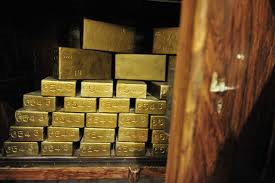
Physical Inspection and Assaying (Testing)
Before any payment or agreement is finalized, professional buyers in Uganda must verify the physical quality and purity of the gold through proper testing. This step is critical because it determines the real value of the metal and ensures you are not overpaying for fake or diluted gold.
X-Ray Fluorescence (XRF) Analysis
Modern refineries and licensed dealers in Uganda commonly use X-Ray Fluorescence (XRF) testing as a fast and non-destructive method of determining gold purity.
- The machine scans the surface of the gold sample
- It identifies the elemental composition (gold, silver, copper, etc.)
- Results are delivered within minutes
Note. Key advantage: No damage to the gold during testing, making it ideal for initial verification before deeper analysis.
However, XRF is primarily a surface test, so it may not always reflect the full internal purity of raw or unrefined gold.
Fire Assay (Gold Standard Method)
The most accurate and globally accepted testing method is the Fire Assay process.
- The gold sample is melted at high temperatures
- Impurities are separated through chemical and physical processes
- The remaining pure gold is measured precisely
Accuracy: Up to 99.9% reliability, making it the “gold standard” in the industry.
This method is widely used for final confirmation before high-value transactions or international transactions
Common Gold Purity Levels in Uganda
Gold in Uganda is traded in different purity levels depending on its source (mined, refined, or processed). Understanding purity is critical for pricing, valuation, and export.
Gold Purity Levels Table
| Purity Level | Karat (K) | Gold Content (%) | Common Form in Uganda | Use Case |
| 24K | 24K | 99.9% – 99.99% | Refined gold bars (bullion) | Investment, export |
| 22K | 22K | 91.6% | Jewelry, semi-refined gold | Jewelry, trade |
| 21K | 21K | 87.5% | Regional jewelry (less common) | Ornament use |
| 18K | 18K | 75% | Processed jewelry | Durable jewelry |
| 14K | 14K | 58.3% | Imported jewelry | Affordable jewelry |
| Raw Gold | Varies | 70% – 95% | Gold dust, nuggets | Mining and local trade |
Types of Gold Sold in Uganda
Uganda’s gold market includes both raw (unrefined) and refined gold products, sourced locally and from neighboring countries like DRC, Tanzania, and South Sudan.
Gold Types Table
| Gold Type | Description | Purity Range | Where Found | Buyer Tip |
| Gold Dust | Fine particles collected from mining | 70% – 90% | Mining sites (Karamoja, Busia) | Requires refining before export |
| Gold Nuggets | Solid natural pieces of gold | 80% – 95% | Artisanal mining areas | Test purity before purchase |
| Dore Bars | Semi-refined gold bars | 85% – 95% | Local dealers, exporters | Must be refined to 99.9% |
| Refined Gold Bars | Fully purified bullion | 99.9%+ | Licensed refineries (e.g., AGR) | Best for investment/export |
| Gold Jewelry | Crafted gold products | 58% – 91.6% | Shops in Kampala, Entebbe | Check the hallmark and karat |
note
- 24K gold (99.9%) is the most valuable and preferred for international trade and export.
- Dore bars and raw gold are cheaper but require refining and proper documentation before resale or export.
- Always request an assay report to confirm purity before making payment.
- Uganda’s gold market is largely dealer-driven, so verification is essential to avoid fraud.
Exporting Gold from Uganda: What You Need to Know
Exporting gold from Uganda is a tightly regulated process designed to ensure that all mineral exports are legal, traceable, and properly taxed. Even if you already hold a Mineral Dealer’s License, this alone does not authorize you to export gold. Each shipment requires separate approvals and compliance with export procedures set by Ugandan authorities.
Export Permits Are Mandatory for Every Shipment
A common misunderstanding among new buyers is assuming that a dealer license allows direct export. In reality:
- A Mineral Dealer’s License (DGSM) only permits buying and selling gold within Uganda
- A separate export permit is required for each shipment
- The export permit is issued by the Ministry of Energy and Mineral Development (MEMD)
Without a valid export permit, gold can be seized at customs or blocked from leaving the country.
Customs Clearance, Documentation, and Shipping Requirements
Before gold can leave Uganda, it must pass through strict customs procedures managed by the Uganda Revenue Authority (URA).
Key export requirements include:
- Bill of Lading (official shipping document issued by the carrier)
- Commercial invoice detailing weight, purity, and value
- Export permit approval from MEMD
- Assay certificate confirming gold purity
- Insurance coverage for high-value cargo during transit
NOTE. The Bill of Lading acts as legal proof of shipment ownership, while insurance protects against loss, theft, or damage during international transport.
Refining Gold to International Bullion Standards
In many cases, raw Ugandan gold is not exported directly in its natural form. Instead, it is refined locally before export to meet international trading standards.
- Most raw gold is refined to 9% purity (24K bullion standard)
- Licensed refineries ensure compliance with international market requirements
- One of the recognized facilities in Uganda is the African Gold Refinery (AGR)
NOTE. Refining increases transparency, improves valuation accuracy, and makes the gold acceptable in global markets such as Dubai, Europe, and Asia.
Why This Process Matters for Investors
Proper export compliance ensures:
- Smooth customs clearance without delays or confiscation
- Higher international resale value for refined bullion
- Legal protection under Ugandan and international trade law
Skipping any step in the export chain can result in serious financial losses or legal complications, especially for first-time buyers entering Uganda’s gold market.
Taxes and Duties on Gold Purchases and Exports in Uganda
Uganda regulates gold through the Ministry of Energy and Mineral Development (MEMD) and the Uganda Revenue Authority (URA). Taxes depend on whether gold is being traded locally or exported.
Taxes on Gold Purchases (Local Trade)
| Tax Type | Rate | Applied To | Notes |
| Withholding Tax | 5% | Purchase of gold from licensed miners/dealers | Deducted at source |
| VAT (Value Added Tax) | 0% – Exempt on raw gold | Raw unrefined gold | Refined gold products may attract VAT depending on classification |
| Licensing Fees | Varies | Dealers & exporters | Annual mineral dealer license required |
Export Taxes and Duties
| Export Requirement / Duty | Cost / Rate | Authority | Description |
| Export Royalty | 5% of gross value | Government of Uganda | Charged on the exported gold value |
| Export Permit Fee | Fixed administrative fee | MEMD | Required for each shipment |
| Assay & Verification Fee | Based on weight | Government refinery / approved lab | Confirms purity (24K standard required) |
| Customs Processing Fee | Varies | URA | Documentation and clearance processing |
| Refining Costs | Market-based | Licensed refineries | Required if gold is not 99.9% pure |
- Gold must be assayed (tested for purity) before export approval.
- Exporters must use licensed mineral dealers or exporters only.
- Most international buyers require gold refined to 9% purity (24K bullion bars).
- Failure to comply with licensing or tax rules can lead to confiscation or shipment delays.
How to Verify Licensed Gold Dealers in Uganda (Table Guide)
This table gives a clear, step-by-step verification system you can use before buying or exporting gold in Uganda.
| Verification Step | What You Should Check | Issuing Authority | Why It Matters | Red Flags |
| Mineral Dealer’s License (MDL) | Valid license showing permission to trade gold | Ministry of Energy and Mineral Development (MEMD) | Confirms the dealer is legally allowed to buy/sell minerals | No license, expired license, or a different company name |
| Company Registration | Certificate of incorporation and registered business name | Uganda Registration Services Bureau (URSB) | Confirms the company is legally registered in Uganda | No registration number or fake business name |
| Export License (if exporting) | Export permit for mineral shipments | MEMD / Uganda Revenue Authority (URA) | Required for legal gold export outside Uganda | Dealer says “we export,” but has no permit |
| Assay Certificate | Gold purity report (usually 22K–24K or 99.9%) | Licensed refinery or approved lab | Confirms the real purity and value of gold | No assay report or mismatched purity |
| Tax Compliance | Tax Identification Number (TIN) and clearance | Uganda Revenue Authority (URA) | Ensures legal tax payment on gold transactions | Refusal to show tax documents |
| Physical Office Verification | Real office location and contact details | Verified onsite | Proves the business physically exists | Only WhatsApp/email contact, no office address |
| Transaction Documents | Invoice, contract, and payment receipts | Dealer and legal requirement | Protects the buyer legally in case of dispute | Cash-only deals, no paperwork |
| Export Documentation (if applicable) | Packing list, bill of lading, export declaration | URA & customs | Required for international shipment | Missing shipment paperwork |
Best Places to Buy Gold in Uganda: Markets, Offices, and Refineries
Below is a structured table showing the main safe and commonly used places to buy gold in Uganda, along with what each option offers, risk level, and who it is best suited for.
| Place Type | Location/Examples | What You Can Buy | Advantages | Risks | Best For |
| Licensed Dealer Offices | Kampala (Kololo, Nakasero, Industrial Area) | 24K bullion, gold bars, export-grade gold | Verified transactions, documentation, and export support | Slightly higher prices due to compliance costs | Foreign buyers, investors, exporters |
| Ministry-Approved Gold Exporters | Kampala (registered export companies) | Refined gold (99.9%), bullion bars | Fully compliant for export, provides legal documents | Limited access, strict verification required | Serious investors and international traders |
| African Gold Refinery (AGR) & Other Refineries | Entebbe Industrial Area & licensed facilities | Refined gold bars (24K / 99.9%) | High purity standards, internationally accepted gold | Requires dealer or exporter access, not direct retail | Exporters, bulk buyers |
| Mining Regions (Artisanal Gold Areas) | Mubende, Busia, and Karamoja regions | Raw gold, nuggets, dust | Lower prices, direct from the source | High risk, requires testing and verification | Experienced traders and local buyers |
| Gold Trading Companies | Kampala business districts | Gold bars, small bullion, investment gold | Structured transactions, some offer escrow services | Varies by company legitimacy | First-time buyers, investors |
| Banks (Limited Services) | Selected commercial banks (rare cases) | Gold-backed investment products | Secure financial environment | Physical gold is rarely available | Institutional investors |
Buying Gold Direct from Miners: Risks and Rewards in Uganda
Buying gold directly from miners in Uganda can look attractive because of lower prices and direct access to the source. However, it also comes with high risks if proper verification and testing are not done. Understanding both sides is essential before making any deal.
Overview: Direct Gold Buying from Miners in Uganda
| Aspect | Description |
| Source | Artisanal and small-scale miners (ASM) in regions like Mubende, Busia, and Karamoja |
| Product | Raw gold (dust, nuggets, unrefined gold) |
| Price Level | Usually lower than licensed dealers |
| Risk Level | High without proper testing and documentation |
| Buyer Type | Experienced traders, refiners, or investors with verification support |
Rewards of Buying Gold Direct from Miners
| Reward | Explanation | Benefit |
| Lower Purchase Price | No middlemen involved | Higher profit margin if verified |
| Direct Source Access | Buying at mining sites | Potential for bulk deals |
| Negotiation Flexibility | Prices are often negotiable | Better deal-making opportunities |
| Early Market Entry | Access to unrefined gold before refining | Investment advantage |
Risks of Buying Gold Direct from Miners
| Risk | Explanation | Impact |
| Fake or Mixed Gold | Gold may be mixed with other metals | Loss of money |
| No Official Documentation | Lack of invoices or certificates | Cannot export legally |
| Purity Uncertainty | No assay testing on-site | Overpayment for low-quality gold |
| Legal Issues | Unlicensed trading may violate regulations | Confiscation or penalties |
| Security Risks | Cash transactions in remote areas | Personal safety concerns |
| Scams by Intermediaries | Fake “miners” acting as brokers | Financial fraud |
Key Verification Steps Before Buying
| Step | What to Do | Why It Matters |
| 1 | Request gold assay testing | Confirms purity level (preferably 85%–95% raw, or higher) |
| 2 | Use licensed refineries for testing | Ensures trusted verification |
| 3 | Verify seller identity | Confirms they are actual miners or authorized sellers |
| 4 | Demand a transaction receipt | Provides legal proof of purchase |
| 5 | Avoid full cash-upfront deals | Reduces fraud risk |
| 6 | Conduct a deal in a secure location | Improves safety and transparency |
Comparison: Miners vs Licensed Dealers
| Factor | Direct from Miners | Licensed Dealers |
| Price | Lower | Higher (tax included) |
| Safety | Low | High |
| Documentation | None or minimal | Full legal documents |
| Export Ability | Not allowed directly | Fully supported |
| Risk Level | High | Low |
| Trust Level | Unstable | Regulated |
How to Start a Gold Trading Business in Uganda
Starting a gold trading business in Uganda involves legally registering your company with the appropriate authorities, obtaining a valid Mineral Dealer’s License from the Ministry of Energy and Mineral Development, and building strong relationships with verified miners or licensed gold dealers to ensure a reliable supply. You must also carry out proper gold testing and assaying through certified refineries to confirm purity and value, while maintaining accurate documentation such as invoices, certificates of origin, and export permits. By following tax regulations and complying with all legal requirements, you can safely trade gold within Uganda and access profitable international markets like Dubai, India, and Europe with confidence.
Gold Refineries in Uganda
Uganda has a growing gold refining sector, with a few key licensed refineries that process raw gold (doré and dust) into high-purity bullion (99.9%–99.99%) for export and investment.
Major Gold Refineries in Uganda
| Refinery Name | Location | Purity Level | Services Offered | Notes |
| African Gold Refinery (AGR) | Entebbe | Up to 99.99% | Refining, assaying, export support | One of the largest and most advanced in East Africa |
| Bullion Refinery Limited | Kampala | Up to 99.9% | Gold refining, smelting | Works with local dealers and exporters |
| Simba Gold Refinery | Kampala | Up to 99.9% | Assaying and refining | Serves small and medium-scale traders |
What Gold Refineries Do
Gold refineries in Uganda play a critical role in the gold trade by:
- Purifying raw gold (dust, nuggets, doré bars) into export-ready bullion
- Conducting assays to determine gold purity and value
- Issuing assay certificates required for legal trade and export
- Supporting compliance with international gold standards
- Legal compliance
- Better pricing in global markets
Gold Investment Options in Uganda
Uganda offers several gold investment options for both local and international investors, ranging from physical gold purchases to trading and export opportunities, each with different levels of risk, capital requirements, and returns.
Gold Investment Options Table
| Investment Type | Description | Minimum Capital | Risk Level | Best For |
| Physical Gold Bars (24K) | Buying refined gold bars (99.9% purity) from licensed dealers or refineries | High | Low | Long-term investors, exporters |
| Gold Nuggets & Dust | Buying raw gold directly from miners | Medium | High | Experienced traders |
| Gold Trading Business | Buying and reselling gold locally or internationally | Medium–High | Medium | Entrepreneurs |
| Gold Export Business | Exporting refined gold to international markets | High | Medium | Large-scale investors |
| Gold Jewelry | Buying and reselling jewelry (18K–22K) | Low–Medium | Low | Retail investors |
Key note
Investing in 24K refined gold bars is the safest and most profitable option in Uganda because it offers high purity, stable pricing, and easy resale in global markets, while options like gold dust and nuggets may offer higher margins but require careful verification, refining, and risk management.
Why Invest in Gold in Uganda: Benefits and Risks
Investing in gold in Uganda has become increasingly attractive due to the country’s growing gold trade, strategic location in East Africa, and access to gold from multiple neighboring countries, but like any investment, it comes with both opportunities and risks that every buyer should understand.
Benefits of Investing in Gold in Uganda
| Benefit | Description | Why It Matters |
| Competitive Prices | Gold is often available at slightly lower prices compared to global markets | Higher profit margins for investors |
| High Availability | Steady supply from Uganda, DRC, Tanzania, and South Sudan | Easy access to bulk gold |
| Strong Global Demand | Gold is in demand in markets like Dubai, India, and Europe | Easy resale and liquidity |
| Investment Stability | Gold retains value over time | Protects against inflation and currency changes |
| Export Opportunities | Uganda supports licensed gold exports | Access to international buyers |
Risks of Investing in Gold in Uganda
| Risk | Description | Impact on Investor |
| Fraud and Scams | Presence of fake dealers or gold | Potential financial loss |
| Purity Issues | Raw gold may not meet expected standards | Overpaying for low-quality gold |
| Legal Compliance | Strict licensing and export requirements | Delays or penalties if ignored |
| Price Fluctuations | Gold prices change daily based on global markets | Affects profit margins |
| Security Concerns | Handling physical gold and cash | Requires proper safety measures |
Note. Investing in gold in Uganda can be highly profitable if done correctly, especially when dealing in verified 24K gold and working with licensed dealers, but it requires careful due diligence, proper documentation, and a clear understanding of local regulations to avoid costly mistakes.
Gold Buyers in Uganda – Verified Contact Methods
| Type of Gold Buyer | Location | How to Contact | What They Buy | Verification Needed |
| Licensed Gold Dealers | Kampala, Entebbe | Official office visits, company website, and email | 24K gold bars, nuggets, dust | Mineral Dealer’s License (MDL) |
| Gold Refineries | Entebbe, Industrial Areas | Corporate office appointment, official website | Raw gold, doré bars for refining | Refinery license + assay process |
| Export Companies | Kampala, Entebbe | Business email, trade desk meetings | Bulk gold (1kg+) | Export permit & company registration |
| Mining Cooperatives | Karamoja, Busia, Mubende | On-site visits, local administration offices | Gold dust and nuggets | Cooperative registration proof |
| International Brokers (Uganda-based) | Kampala | Website inquiry forms, trade platforms | Refined gold (99.9%) | Business verification documents |
Best Gold Sellers in Uganda (Verified Guide)
Uganda’s gold market is mainly driven by licensed dealers, exporters, and refineries based in Kampala and Entebbe. The best gold sellers are those who are legally registered, hold a Mineral Dealer’s License, and provide certified gold (especially 24K / 99.9%).
Top Gold Sellers in Uganda
| Company / Seller Type | Location | What They Sell | Key Strength | Verification Status |
| African Gold Refinery (AGR) | Entebbe | Refined 24K gold bars (99.9%) | Largest refinery in East Africa, export-ready bullion | Fully licensed refinery |
| Licensed Gold Trading Companies | Kampala, Entebbe | Gold bars, nuggets, doré | Safe trade, documentation, export support | Must verify MDL license |
| Gold Export Dealers | Kampala | Bulk gold (1kg+) | International trade experience | Registered exporters |
| Mining Cooperatives | Karamoja, Busia, Mubende | Gold dust and nuggets | Direct from the source, lower pricing | Varies by cooperative |
| Private Licensed Brokers | Kampala | Small to large gold deals | Flexible negotiation | Must confirm URSB registration |
Gold Mining Law in Uganda (2026 Overview)
Uganda’s gold mining sector in 2026 is regulated under the Mining and Minerals Act framework (updated regulations under the Ministry of Energy and Mineral Development), which governs how individuals and companies can explore, mine, trade, refine, and export gold legally.
The law is designed to control illegal mining, ensure fair taxation, protect natural resources, and formalize the gold trade supply chain from miners to exporters.
Key Gold Mining Laws in Uganda (2026)
| Area | Legal Requirement | What It Means in Practice |
| Mining Rights | Must obtain a Mineral Rights License | No one can legally mine without government approval |
| Mineral Dealer’s License | Required to buy/sell gold | Controls gold trading activities |
| Exploration License | Needed before mining starts | Allows geological surveys and testing |
| Mining Lease | Required for large-scale mining | Grants full mining operations rights |
| Export Permit | Mandatory for all gold exports | Each shipment must be approved individually |
Who Regulates Gold Mining in Uganda?
Gold mining and trading activities are regulated by:
- Ministry of Energy and Mineral Development (MEMD)
- Directorate of Geological Survey and Mines (DGSM)
- Uganda Revenue Authority (URA) – taxation and export duties
- Uganda Registration Services Bureau (URSB) – company registration
Key Rules Under Uganda’s Gold Mining Law
1. No Illegal Mining
All artisanal and industrial mining must be licensed. Illegal mining is subject to confiscation of gold and penalties.
2. Mandatory Gold Assaying
All gold must be tested at a licensed refinery or assay center before sale or export.
3. Refining Requirement
Raw gold (dust, nuggets, doré bars) is often required to be refined to 99.9% purity (24K) before export.
4. Export Control
Every gold shipment must have:
- Export permit
- Certificate of origin
- Assay certificate
- Commercial invoice
5. Tax Compliance
Gold transactions are subject to:
- Royalties on mining output
- Withholding taxes
- Export-related charges
Rights of Licensed Gold Operators
Under the 2026 regulations, licensed operators can:
- Buy and sell gold legally
- Export gold internationally
- Operate refineries and trading companies
- Enter contracts with miners and foreign buyers
Penalties for Violations
Breaking Uganda’s gold mining laws can result in:
- Confiscation of gold
- Heavy fines
- Cancellation of licenses
- Criminal prosecution
- Ban from future mining activities
Note. In Uganda, gold mining is legal only when a person or company has the proper government licenses. All gold must be tested, properly documented, and approved for sale or export, and illegal mining or trading is strictly punished under the 2026 mining regulations.
Conclusion
To buy gold in Uganda safely, you should always work with licensed gold dealers or refineries, verify their Mineral Dealer’s License, ensure the gold is tested for purity through a certified assay process, and complete proper documentation such as invoices and certificates of origin. This ensures you avoid fraud, comply with Ugandan regulations, and secure genuine 24K gold for investment or export.