Table of Contents
- Buying Gold in Abuja, Nigeria: Complete Guide (2026) – A full overview of gold buying, pricing, laws, and safe investment strategies.
- Nigeria’s Rising Gold Sector and What It Means for Buyers – Explains the shift to a regulated gold industry and its benefits for investors.
- Gold as a Strategic Mineral: Nigeria’s Official Position – Highlights why gold is a priority resource for Nigeria’s economy and investment growth.
- The Gold Bullion Market in Abuja: Size and Opportunity – Covers market trends, demand, and investment opportunities in Abuja.
- The Legal Framework: How Gold Trading Is Regulated in Nigeria – Outlines laws, licensing, and compliance requirements for gold trading.
- The Nigerian Minerals and Mining Act 2007 Explained – Simplifies the key law governing gold mining and transactions in Nigeria.
- Key Regulatory Bodies Every Gold Buyer Must Know – institutions like MSMD and MCO and their role in gold regulation.
- Is It Legal to Buy Gold in Abuja as a Foreigner? – Explains legal requirements for foreign investors buying gold in Nigeria.
- How to Verify a Gold Dealer Is Licensed in Nigeria – to confirm dealer legitimacy and avoid fraud.
- Where to Buy Gold in Abuja: Trusted Markets and Dealers – Lists reliable places and channels to purchase gold safely.
- Wuse Market: Abuja’s Most Popular Gold Trading Zone – Practical tips for buying gold in Wuse Market, including negotiation.
- Licensed Bullion Dealers and Refineries in Abuja – Overview of trusted dealers offering certified gold products.
- Banks and Financial Institutions That Sell Gold in Abuja – Explains how banks provide gold investment options.
- Online Gold Dealers Serving Abuja Buyers – Covers risks and safe practices for online gold purchases.
- Gold Prices in Abuja Today: What You Should Be Paying – Current gold price insights and influencing factors.
- Why Gold Prices in Abuja Vary Between Sellers – Explains differences in pricing across dealers and markets.
- Tools to Track Live Gold Prices in Nigeria – Lists platforms to monitor real-time gold prices.
- Types of Gold Available to Buy in Abuja – Compares bullion, jewelry, coins, and raw gold.
- Step-by-Step: How to Buy Gold Safely in Abuja – Simple guide to secure and verified gold purchases.
- Exporting Gold Purchased in Abuja: What You Must Know – Key export rules, permits, and documentation.
- The Role of the Ministry of Solid Minerals Development in Export Approval – Explains government oversight in gold exports.
- Working with Licensed Export Agents in Abuja – Highlights how agents help with legal export processes.
- Risks and Scams When Buying Gold in Abuja — And How to Avoid Them – Common scams and how to stay protected.
- Frequently Asked Questions About Buying Gold in
How to Buy Gold in Abuja, Nigeria | A Complete Guide (2026)
Buying gold in Abuja, Nigeria, involves working with licensed dealers or refinery-linked suppliers, verifying purity through assay certification (e.g., XRF testing), confirming legal documentation, and aligning the price with the current global gold rate converted into Naira. For both local and international buyers, the safest approach is to transact within Nigeria’s regulated mining framework ensuring the gold is traceable, legally sourced, and export-compliant if it will be shipped abroad.
Abuja has quickly emerged as a strategic gold trading hub in West Africa, not because it produces the most gold, but because it hosts key regulators like the Ministry of Solid Minerals Development (MSMD) and the Mining Cadastre Office (MCO). This makes the city a central point for licensing, verification, and export coordination, giving buyers access to more structured and transparent transactions compared to informal mining regions.
From an investment perspective, gold in Abuja is increasingly attractive due to rising inflation, currency volatility (NGN/USD), and global demand for safe-haven assets. Buyers can access different forms of gold—including 24K bullion bars, 22K jewelry, and refinery-certified products—each with its own pricing structure, risk level, and resale value. However, the market still requires careful navigation, as pricing varies between dealers and informal channels still exist.
This guide is built on current regulatory frameworks, market practices, and verified sourcing standards in Nigeria’s gold sector. It will walk you through where to buy gold in Abuja, how to verify authenticity, current price benchmarks, legal requirements, export procedures, and how to avoid common scams giving you a clear, practical roadmap to buying gold safely and profitably in 2026

Nigeria’s Rising Gold Sector and What It Means for Buyers
Nigeria’s gold industry is undergoing a clear shift from largely informal extraction toward a more structured and regulated mining economy. Recent government-led reforms in the solid minerals sector have attracted significant investor interest, particularly in gold processing, refining, and export infrastructure.
According to industry and ministerial reports, the sector has seen a growing pipeline of investment projects, including large-scale processing and refinery developments aimed at reducing raw mineral export dependence. One of the most notable developments is the emergence of gold refining projects around the Abuja axis, reflecting the capital’s growing role as a coordination and logistics hub for precious metals trading.
For buyers and investors, this transition is important. It signals improved traceability systems, stronger regulatory oversight, and increasing opportunities for legally sourced Nigerian gold to enter global markets under more transparent conditions.
As reforms continue, Abuja is becoming more than just an administrative capital; it is positioning itself as a strategic gateway for gold aggregation, certification, and export facilitation within Nigeria’s evolving mining ecosystem.
The Gold Bullion Market in Abuja: Size and Opportunity
Abuja’s gold bullion market is steadily evolving into one of Nigeria’s most important nodes for physical gold trading, supported by growing investor interest in tangible assets as a hedge against currency volatility and inflation. While Nigeria’s bullion trade is still developing compared to established global hubs, activity in Abuja is increasingly concentrated among licensed dealers, refiners, and authorized intermediaries operating under emerging regulatory frameworks.
Gold bullion transactions in Nigeria are typically conducted through structured channels such as approved dealers, refinery-linked buyers, and specialized trading networks that connect local supply with international demand. Abuja’s role is particularly significant due to its proximity to regulatory institutions, diplomatic missions, and financial decision-makers, making it a strategic coordination point for high-value transactions.
Demand for physical gold, especially bullion bars, is being driven by a combination of factors, including portfolio diversification, wealth preservation concerns, and rising awareness of gold as a long-term store of value. This has contributed to a gradual expansion in verified bullion circulation, with increasing emphasis on documentation, assay certification, and compliance with export and anti-money laundering standards.
For investors and buyers, the Abuja bullion market presents a growing opportunity, but one that is still formalizing. The most reliable transactions are typically those conducted through traceable supply chains with verifiable sourcing, official invoices, and purity certification, reflecting the broader shift toward transparency in Nigeria’s gold ecosystem.
The Legal Framework: How Gold Trading Is Regulated in Nigeria
Gold trading in Nigeria is governed by a developing but increasingly structured legal and regulatory framework designed to formalize the sector, reduce illegal mining, and improve transparency across the gold value chain. The Ministry of Mines and Steel Development (MMSD) serves as the primary regulator, overseeing licensing, exploration rights, and mining operations, while enforcement is supported by agencies such as the Nigeria Mining Cadastre Office (MCO) and environmental regulators.
Under Nigeria’s mining laws, all mineral resources—including gold—are vested in the Federal Government, meaning that individuals or companies must obtain proper licenses before engaging in exploration, mining, processing, or trading activities. These licenses range from reconnaissance and exploration permits to mining leases and small-scale mining approvals, depending on the scale of operation.
In addition to mining licenses, gold traders and exporters are expected to comply with financial and trade regulations, including documentation requirements such as export permits, tax compliance records, and certified assay reports confirming purity and origin. These measures are intended to strengthen traceability and align Nigeria’s gold sector with international standards such as anti-money laundering (AML) and responsible sourcing frameworks.
Recent reforms have also focused on curbing informal and artisanal gold flows by encouraging aggregation through licensed buying centers and refining facilities. This shift is aimed at ensuring that more gold enters formal channels, improving government revenue collection and making Nigerian gold more attractive to international buyers who require verifiable sourcing.
Overall, Nigeria’s legal framework for gold trading is moving toward a more centralized and transparent system, where compliance, certification, and licensing are becoming essential requirements for participation in both domestic and export markets.
The Nigerian Minerals and Mining Act 2007 Explained
The Nigerian Minerals and Mining Act 2007 is the foundational law that governs all solid mineral activities in Nigeria, including gold. In simple terms, it establishes that all mineral resources belong to the Federal Government, and any individual or company involved in exploration, mining, processing, or trading must operate under officially granted rights and licenses.
For gold specifically, the Act creates a structured legal chain that covers how gold is discovered, extracted, processed, and ultimately sold or exported. It is supported by regulations and agencies such as the Ministry of Mines and Steel Development (MMSD) and the Mining Cadastre Office (MCO), which issue and manage mining titles.
What this means practically for a gold buyer in Abuja
For a buyer in Abuja, whether local or international, the Act has direct implications on how safe and legal gold transactions should be conducted:
- You must buy from licensed sources: Any legitimate gold sale should come from a licensed miner, dealer, or aggregator approved under Nigerian mining law.
- Documentation is essential: Buyers should expect proper paperwork, including invoices, export permits (where applicable), and assay certificates confirming purity and origin.
- Traceability matters: Under the Act, gold is expected to be traceable back to licensed mining operations, reducing the risk of illegally sourced material entering the market.
- Regulated trading channels: In practice, most compliant transactions flow through authorized dealers, refineries, or government-recognized buying centers rather than informal markets.
- Export compliance is mandatory: If gold is being moved outside Nigeria, it must follow official export procedures, including customs clearance and regulatory approval.
Key Regulatory Bodies Every Gold Buyer Must Know
For Abuja-based transactions, this framework means the city is increasingly functioning as a regulated coordination point, where compliance, documentation, and licensing determine whether a deal is legally valid. Buyers who prioritize verified sourcing and proper documentation are better aligned with Nigeria’s evolving mining reforms and international trade expectations.
Key Regulatory Bodies Every Gold Buyer Must Know
Nigeria’s gold trading and mining ecosystem is regulated by several key government institutions that ensure licensing, compliance, geological accuracy, and trade oversight. For buyers in Abuja, understanding these bodies is essential because they determine who is licensed, what is legal, and how gold can be traded or exported.
Core regulatory institutions in Nigeria’s gold sector
| Regulatory Body | Main Role | Why It Matters to Gold Buyers |
| Ministry of Solid Minerals Development (MSMD) | Sets national policy for mining and solid minerals development | Determines the legal framework and strategic direction of gold mining and trade in Nigeria |
| Mining Cadastre Office (MCO) | Administers mining titles and licenses (exploration, mining, and trading rights) | Confirms whether a miner or dealer is legally authorized to operate |
| Nigerian Geological Survey Agency (NGSA) | Provides geological maps, mineral data, and exploration information | Helps verify resource legitimacy and supports informed investment decisions |
| Central Mining Cadastre Office (Abuja Headquarters) | Central authority managing all mining title records nationwide | Acts as the official verification hub for all mining rights in Nigeria |
Why Abuja is the regulatory center for gold trading
The Central Mining Cadastre Office is headquartered in Abuja, giving the capital city a critical role in Nigeria’s mineral governance system. This makes Abuja the administrative nerve center where mining titles are registered, verified, and monitored across the entire country.
For gold buyers, this centralized system is important because:
- It ensures single-point verification of mining licenses
- It reduces the risk of duplicate or fraudulent mining claims
- It provides a clear legal reference point for due diligence
- It strengthens confidence in transactions that are properly documented through official channels
In practical terms, any serious gold transaction in Nigeria ultimately connects back to Abuja’s regulatory framework, making it a key location for compliance, verification, and formalization of the gold supply chain.
Is It Legal to Buy Gold in Abuja as a Foreigner?
Yes, it is legal for foreigners to buy gold in Abuja, Nigeria, provided the transaction is conducted through properly licensed dealers and in compliance with Nigerian mining, financial, and export regulations. Nigeria does not prohibit foreign participation in the gold market, but it strictly regulates how gold is sourced, traded, documented, and exported.
Foreign buyers are expected to operate within a formal system that prioritizes transparency, traceability, and regulatory approval, especially when dealing with bullion or investment-grade gold.
Which state in Nigeria has the best gold?
Several Nigerian states are known for gold deposits, but Zamfara State is widely regarded as having some of the richest and most commercially significant gold reserves in Nigeria. However, the “best” gold depends on factors like purity, quantity, mining activity, and investment potential.
Here’s a breakdown of the top gold-producing states in Nigeria:
| State | Why It’s Known for Gold | Key Gold Areas |
| Zamfara | The largest and most active gold mining region in Nigeria | Anka, Maru, Bukkuyum |
| Osun | Home to organized/licensed gold projects and exploration | Ilesa Gold Belt |
| Kebbi | Rich alluvial and hard-rock gold deposits | Yauri area |
| Niger State | Large artisanal and commercial mining activities | Shiroro, Minna |
| Kaduna | Significant untapped gold reserves | Birnin Gwari |
| Kwara | Growing exploration and mining investments | Kaiama, Baruten |
| Oyo | Historical gold exploration potential | Iseyin region |
Which State Has the Highest Quality Gold?
- Osun State (Ilesa Gold Belt) is often praised for high-grade deposits and organized exploration projects.
- Zamfara State has some of the largest known reserves and high commercial activity.
- Kebbi and Niger States are also becoming major gold hubs due to increasing investment.
Best State for Gold Investment in Nigeria (2026)
| Purpose | Best State |
| Large-scale mining | Zamfara |
| Licensed gold projects | Osun |
| Future investment growth | Niger |
| Artisanal gold trading | Kebbi |
| Exploration opportunities | Kaduna |
Important Note
Gold mining and trading in Nigeria are regulated by the Federal Ministry of Solid Minerals Development. Buyers and investors should work with licensed dealers and verify export documentation before purchasing Nigerian gold.
Foreign buyer eligibility under Nigerian law
Under Nigeria’s mining and trade framework, foreign individuals and companies can legally participate in gold transactions through:
- Licensed gold dealers registered in Nigeria
- Joint ventures with local mining or trading entities
- Approved refineries and aggregation centers
- Export-compliant supply chains verified by regulators
However, all transactions must originate from legally sourced and traceable gold, meaning buyers cannot bypass licensing or documentation requirements even in private deals.
SEC registration requirements for gold dealers
The Securities and Exchange Commission (SEC) of Nigeria plays a role in overseeing investment-related commodities and ensuring that entities offering gold as an investment product comply with financial regulations.
| Requirement | Purpose | Impact on Buyers |
| SEC registration of dealers | Ensures legitimacy of investment offerings | Reduces fraud risk in gold investment schemes |
| Compliance with investment rules | Regulates how gold is marketed as an asset | Protects foreign investors from unregulated products |
| Disclosure obligations | Requires transparency in pricing and sourcing | Improves trust and traceability in transactions |
For foreign buyers, dealing with SEC-compliant or registered entities adds an extra layer of protection, especially when purchasing gold for investment rather than personal use.
Documentation international buyers need
Foreign buyers in Abuja must ensure proper documentation is in place to comply with Nigerian law and international trade standards:
- Valid passport or corporate registration documents
- Sales invoice from a licensed gold dealer or refinery
- Assay certificate confirming purity (e.g., 22K or 24K gold)
- Mining or export permit issued by the relevant authorities
- Certificate of origin confirming legally sourced gold
- Customs export clearance documents (for outbound shipments)
Key takeaway for foreign investors
While buying gold in Abuja is legal for foreigners, the process is strictly compliance-driven. The safest and most reliable transactions occur through licensed dealers operating within Nigeria’s regulatory framework, with full documentation and export approval.
In practice, Abuja offers access to the formal gold market but only for buyers who follow verified legal channels and avoid informal or undocumented deals.
How to Verify a Gold Dealer Is Licensed in Nigeria
Verifying a gold dealer’s legitimacy in Nigeria is essential before any transaction, especially in Abuja, where both regulated and informal trading channels exist. A genuine dealer must be able to clearly demonstrate authorization from relevant government and financial institutions, and every claim should be independently confirmable.
Step 1: Confirm registration with official regulators
- Always check whether the dealer is registered with the Mining Cadastre Office (MCO), which issues and manages mining and trading licenses in Nigeria.
- Verify compliance with the Ministry of Solid Minerals Development (MSMD), which oversees national mining policy and ensures legal operation standards.
- If the dealer offers gold as an investment product, confirm registration or compliance with the Securities and Exchange Commission (SEC) to ensure the activity is legally recognized.
- Cross-check license numbers and registration details where possible, ensuring they match official government records or can be verified through the issuing authority.
Step 2: Request complete company documentation
- Ask for a valid mining or gold trading license certificate that clearly shows authorization to operate.
- Request the company’s Corporate Affairs Commission (CAC) registration certificate, which confirms legal business incorporation in Nigeria.
- Verify the presence of a valid Tax Identification Number (TIN), showing the business is tax-compliant.
- Demand an assay certificate for any gold offered, confirming purity and authenticity.
- Ensure there is documented proof of sourcing, refinery processing, or legal origin of the gold being sold.
Step 3: Review reputation and market credibility
- Search for independent customer reviews on forums, business directories, or trade platforms to assess real buyer experiences.
- Look for the dealer’s presence in recognized industry associations or mining networks, which often indicates legitimacy.
- Investigate whether there are any reported complaints, fraud alerts, or unresolved disputes linked to the business.
- Ask for verifiable past transaction references or client testimonials that can support their credibility.
Step 4: Confirm physical presence and operational transparency
- Prefer dealers with a visible and traceable office location in Abuja or other major cities.
- Verify that the business operates from a legitimate commercial address, not only through phone or online messaging.
- Observe whether the dealer has a structured office setup, staff presence, and formal transaction procedures.
- Avoid sellers who refuse physical meetings or cannot provide a verifiable place of business.
Key warning signs to avoid
- Dealers who cannot provide a valid license or registration number upon request.
- Offers that pressure immediate payment without proper documentation or verification.
- Prices that are unusually below market value without clear justification or explanation.
- Refusal to issue invoices, assay certificates, or proof of gold origin.
- Lack of a physical office or any verifiable business footprint in Nigeria.
Note. A legitimate gold dealer in Nigeria will always operate with full transparency, proper documentation, and verifiable regulatory approval. In Abuja’s evolving gold market, careful verification is not just a precaution it is a critical step to ensure legal compliance, financial safety, and access to genuine, investment-grade gold.
Where to Buy Gold in Abuja: Trusted Markets and Dealers
Buying gold in Abuja is safest when done through regulated dealers, licensed bullion traders, and recognized financial or refinery-linked channels. Unlike informal markets, Abuja’s legitimate gold trade is increasingly structured around compliance, documentation, and verified sourcing, making due diligence essential for every buyer.
Licensed gold dealers and bullion traders
- The most reliable option is to buy through government-registered gold dealers who are licensed under Nigeria’s mining regulations.
- These dealers typically operate with verifiable mining or trading licenses issued through the Mining Cadastre Office (MCO).
- Reputable bullion traders often provide assay certificates, official invoices, and traceable sourcing documentation for every transaction.
- Transactions through licensed dealers are preferred because they align with Nigeria’s formal push toward transparency and export compliance.
Refinery-linked buying channels
- Some of the safest gold purchases in Abuja are conducted through refinery-linked dealers or aggregation centers.
- These channels work directly with licensed miners and ensure gold is processed, tested, and certified before sale.
- Buyers benefit from higher confidence in purity levels, often backed by independent assay reports and refinery certification.
- Refinery-linked sourcing also improves traceability, which is critical for international buyers.
Government-approved or regulated trading hubs
- Abuja serves as a key administrative center where mining regulation and licensing oversight are coordinated, making it a strategic point for verified transactions.
- Buyers may encounter structured trade environments where transactions are supported by official documentation and compliance checks.
- These regulated environments reduce exposure to counterfeit or illegally sourced gold.
Financial institutions and investment intermediaries
- In some cases, gold investment products are offered through regulated financial intermediaries or investment firms.
- These entities may operate under oversight from financial regulators, ensuring investment-grade compliance and disclosure requirements.
- This route is particularly relevant for buyers seeking gold as a portfolio asset rather than physical handling.
What buyers should avoid in Abuja
- Informal street-level sellers or unregistered brokers without verifiable documentation.
- Deals conducted without assay certificates, invoices, or proof of origin.
- Sellers who refuse to provide license details or physical office verification.
- Offers that appear significantly below market price without explanation.
Key takeaway
The safest way to buy gold in Abuja is through licensed dealers, refinery-linked channels, or regulated trading structures that comply with Nigerian mining laws. As the market continues to formalize, verified and documented transactions are becoming the standard for both local and international buyers seeking secure gold investments.
Wuse Market: Abuja’s Most Popular Gold Trading Zone
Gold is sold across different parts of Abuja, but Wuse Market remains the most active and well-known physical trading zone for gold jewelry and small-scale gold purchases. Within the market, there is a dedicated section where multiple gold shops operate side by side, allowing buyers to compare prices, designs, and purity levels before making a decision. However, because gold quality can vary significantly in karat level and alloy composition, buyers must approach the market with careful verification and practical buying discipline.
Which stalls to visit in Wuse Market
- Focus on established gold jewelry shops located in the main gold cluster, where multiple dealers operate in close proximity and competition helps stabilize pricing.
- Prioritize stalls that visibly offer on-the-spot testing services, such as acid testing or electronic gold testing machines.
- Choose dealers who display clear pricing by gram or karat, rather than vague or verbal-only pricing.
- Prefer shops that have been in the same location for a long time, as long-standing presence often indicates reputation and repeat customers.
- Avoid isolated or temporary stalls that cannot provide documentation, receipts, or consistent business identification.
What to bring when buying gold
- Carry a clear budget in local currency (NGN) and understand the current market price before entering the market.
- Bring a small calculator or phone app to quickly compare gram pricing and total costs.
- If possible, bring a portable digital scale reference or insist on weighing gold in front of you to confirm accuracy.
- Keep a notebook or phone notes to record prices from different stalls for comparison before final purchase.
- Bring a trusted companion or experienced buyer, especially if you are new to gold trading in Nigeria.
How to negotiate effectively
- Always start by asking the price per gram or per piece, then compare it across at least 3–5 stalls before committing.
- Begin negotiations by offering a lower price than the quoted amount, but remain realistic based on the day’s market rate.
- Use price comparison from other stalls as leverage, as most sellers are willing to adjust margins slightly to close a sale.
- Be polite but firm; in Wuse Market, respectful negotiation is expected and part of the buying culture.
- Only agree to purchase after confirming weight, karat level, and price together in front of the seller.
- Avoid rushing decisions—experienced buyers often walk away first and return after comparing multiple offers.
Key takeaway
Wuse Market offers real access to Nigeria’s retail gold trade, but it operates in a mixed environment of quality and pricing. Buyers who succeed here are those who verify purity, compare multiple stalls, and negotiate based on real market benchmarks rather than assumptions.
Licensed Bullion Dealers and Refineries in Abuja
Abuja’s formal gold market is anchored by a small but growing number of licensed bullion dealers, refinery-linked operators, and regulated precious metals companies. These entities are essential for investors who prioritize purity assurance, documentation, and traceable sourcing under Nigeria’s mining regulations.
Licensed bullion dealers and refinery-linked operators in Abuja
| Company / Entity | Type of Operation | Key Services | Why It Matters to Buyers |
| Dukia Gold & Precious Metals Refining Co. | Licensed bullion merchant & refinery-linked operator | Gold refining, bullion trading, investment-grade gold bars (.9999 purity), storage solutions | One of Nigeria’s most recognized formal bullion players, offering high-purity gold with structured documentation and investor services |
| Federal Government-licensed refinery networks (FCT-linked aggregators) | Refinery aggregation & processing partners | Gold sourcing from licensed miners, refining, assay certification, export preparation | Helps ensure gold entering Abuja’s formal market is traceable and meets regulatory compliance standards |
| Mining Cadastre Office (MCO)-licensed dealers operating in Abuja | Licensed gold trading entities | Buying, selling, and aggregation of gold under official mining permits | Confirms legal authority to trade mineral resources within Nigeria’s mining framework |
| Private bullion intermediaries (SEC-compliant investment firms) | Investment-linked commodity dealers | Gold investment products, asset-backed gold exposure, portfolio diversification services | Provides regulated access to gold as a financial asset rather than only physical ownership |
Key insight for buyers
- Dukia Gold stands out as one of the most structured bullion-focused entities in Nigeria, particularly for investors seeking high-purity gold bars and refinery-backed assurance.
- Most other licensed operators in Abuja function within a networked supply chain, connecting artisanal miners, aggregators, and formal refining systems.
- Buyers should always ensure that any dealer they engage with can provide verifiable licensing, assay certification, and traceable sourcing documentation before completing a transaction.
Banks and Financial Institutions That Sell Gold in Abuja
Buying gold through banks and regulated financial institutions in Nigeria is generally considered one of the safest and most compliant investment channels, especially for high-net-worth individuals and institutional investors. However, it is important to understand that most Nigerian banks do not sell physical gold bars directly over the counter like retail markets. Instead, they offer gold-linked investment products, custody services, or access through approved partners and commodity structures.
Nigerian banks and financial institutions involved in gold-related services
| Bank / Institution | Type of Gold Service | How It Works | Why It Matters to Investors |
| Central Bank of Nigeria (CBN) | Monetary gold reserves & policy oversight | Manages national gold reserves and foreign exchange-linked bullion holdings | Sets national gold policy direction and supports monetary stability linked to gold reserves |
| Stanbic IBTC Bank | Commodity & investment-linked products | Offers exposure to commodity markets through investment funds and structured products | Provides indirect access to gold as an investment asset under regulated frameworks |
| FBNQuest (First Bank subsidiary) | Asset management & investment advisory | Facilitates commodity-linked investment portfolios | Enables professional investment exposure to gold-related assets |
| United Bank for Africa (UBA) | Wealth management services | Offers structured investment advisory for high-net-worth clients | Supports diversified portfolios that may include precious metals exposure |
| Access Bank (via wealth management division) | Investment advisory services | Provides structured investment solutions and commodity-linked products | Helps clients access regulated investment opportunities tied to commodities |
Important clarification for buyers
- Nigerian banks generally do not sell physical gold bars directly to walk-in customers in Abuja.
- Gold exposure is usually provided through investment funds, commodity-linked financial instruments, or wealth management portfolios.
- Physical gold purchases are more commonly handled by licensed bullion dealers, refineries, and mining-authorized traders, rather than retail banking counters.
- Bank-based gold investment is considered low risk but less flexible, as investors typically do not take physical possession of gold.
Key takeaway
Banks and financial institutions in Nigeria offer a regulated and highly secure pathway to gold investment, but not direct retail bullion sales. For physical gold ownership in Abuja, buyers must rely on licensed dealers and refinery-linked operators, while banks remain best suited for indirect, structured gold investment exposure under strict financial oversight.
Online Gold Dealers Serving Abuja Buyers
Online gold trading is growing in Nigeria, including among buyers in Abuja, as more investors look for convenience, price comparison, and international access. However, this space is also high-risk, with many unverified websites and social-media sellers operating without licenses or traceable business structures. Because of this, buyers must treat online gold purchases as a strictly verification-driven process, not a casual transaction.
Risks of buying gold online in Nigeria
- Many websites and social media sellers are not licensed under Nigeria’s mining regulations, making their gold claims difficult to verify.
- Fake platforms often display fabricated certificates, manipulated purity claims, or stock images of gold bars that do not exist.
- Some scammers operate through short-lived websites or anonymous WhatsApp/Telegram accounts, disappearing after receiving payment.
- Direct bank transfers to unknown sellers are especially risky because they are often irreversible and untraceable once completed.
- Prices that are significantly below market value are a common warning sign of fraudulent or non-existent gold offers.
Safeguards for safe online gold purchases
- Always prioritize platforms that provide verifiable company registration, physical office addresses, and licensed dealer credentials in Nigeria.
- Use secure payment systems such as credit cards or trusted escrow services, which allow dispute resolution if the transaction fails.
- Choose platforms that offer third-party verification or refinery-backed certification before payment is released.
- Confirm that the seller provides assay certificates, invoice documentation, and traceable sourcing information before finalizing any deal.
- Whenever possible, ensure there is an option for physical verification or pickup in Abuja before full payment is completed.
- Avoid sellers who refuse video calls, documentation sharing, or independent verification of their operations.
Recommended safer payment methods
- Credit cards with chargeback protection for dispute resolution in case of fraud.
- Escrow services that hold funds until the buyer confirms receipt and authenticity of gold.
- Verified crypto payment gateways that include transaction protection or arbitration systems.
- Bank transfers only to fully verified and licensed corporate accounts, never personal accounts or unregistered entities.
Key takeaway
Online gold buying in Abuja can offer convenience, but it requires extreme due diligence and strict verification standards. The safest transactions always involve licensed dealers, escrow protection, and documented proof of gold authenticity, while avoiding informal or anonymous sellers that cannot be independently verified.
Gold Prices in Abuja Today: What You Should Be Paying
Staying updated on gold prices in Abuja is essential, whether you’re looking for an investment or a timeless piece of jewelry. As of 2026, gold prices have seen a slight correction but remain near historic highs due to global economic trends.
Today’s Gold Price in Abuja (Per Gram)
Prices are estimated in Nigerian Naira (₦) based on current global spot rates and local market premiums.
| Karat Purity | Market Spot Price (Raw Gold) | Estimated Retail Price (Jewelry) |
| 24K Gold (99.9% Pure) | ₦204,300 | ₦224,700 – ₦245,000 |
| 22K Gold (91.7% Pure) | ₦187,200 | ₦215,300 – ₦234,000 |
| 18K Gold (75.0% Pure) | ₦153,200 | ₦183,800 – ₦206,800 |
Understanding the Costs: Why the Difference?
When shopping in areas like Wuse II, Garki, or Maitama, you will notice the price on the tag is higher than the “spot price” you see online. This is due to three main factors:
- Workmanship (Making Charges): Plain bars (24K) have the lowest markup. Intricate 18K or 22K jewelry requires significant labor, which adds 10% to 25% to the base gold value.
- The “Abuja Premium”: High-end boutiques in the FCT often include overhead costs (rent, security, and branding) in their pricing.
- Currency Fluctuations: Local prices are heavily influenced by the NGN/USD exchange rate. If the Naira weakens during the day, local gold prices may rise even if the global market is stable.
Quick Tips for Abuja Buyers
- Ask for the Weight: Always ensure the jeweler weighs the piece in front of you. Gold is sold by the gram, not just “by the piece.”
- Verify the Hallmark: Look for tiny stamps (e.g., “750” for 18K or “916” for 22K) inside rings or on necklace clasps to confirm purity.
- Negotiate the Markup: While the price of the gold itself is fixed by the market, the “making charges” (labor) are almost always negotiable.
- Buy-Back Policy: Reputable Abuja jewelers will often offer a buy-back guarantee, usually at 90%–95% of the current market value.
Note: Prices fluctuate hourly. For the most accurate transaction, it is recommended to check a live “Gold Spot Price” app right before you make your final payment.
Understanding the current gold market in Abuja is crucial for making informed buying or selling decisions. As of 2026, gold prices reflect a combination of high global spot values and local currency dynamics.
Below are the detailed pricing tables for gold in Nigerian Naira (NGN), calculated using the current exchange rate of approximately 1,341 NGN per USD.
Current Gold Price Per Gram in Nigerian Naira (NGN)
This table provides the “Spot Price”—the raw market value of gold before any jeweler markups, craftsmanship fees, or taxes are applied.
| Unit of Measure | Price in US Dollars (USD) | Price in Nigerian Naira (NGN) |
| 1 Gram | $152.35 | ₦204,312 |
| 1 Ounce (troy) | $4,738.62 | ₦6,354,490 |
| 1 Kilogram | $152,350.00 | ₦204,312,000 |
Gold Price by Karat Purity (Abuja Market)
When purchasing jewelry in Abuja, the karat (K) determines the gold content. Higher karats are more expensive but softer, while lower karats are more durable for everyday wear.
Featured Snippet: Gold Karat Price per Gram in NGN
| Gold Karat | Gold Purity | Price Per Gram (NGN) |
| 24K Gold | 99.9% (Pure) | ₦204,312 |
| 22K Gold | 91.7% | ₦187,354 |
| 18K Gold | 75.0% | ₦153,234 |
| 14K Gold | 58.3% | ₦119,114 |
Important Buying Factors in Abuja
- Retail Markups: The prices above are the base commodity rates. Retailers in Abuja (especially in high-end areas like Maitama or Wuse II) typically add a 10% to 20% premium for “making charges” (craftsmanship) and shop overhead.
- The Naira Factor: Because gold is priced globally in USD, any sudden shift in the NGN/USD exchange rate will immediately change the price you see at local jewelers, even if the global price of gold remains steady.
- Hallmarking: Always check for the hallmark stamp (e.g., “750” for 18K or “585” for 14K) to ensure you are getting the purity you are paying for.
Why Gold Prices in Abuja Vary Between Sellers
Gold prices in Abuja are not uniform across all sellers because the final selling price is influenced by multiple layers of cost, sourcing channels, and market structure differences. While the global “spot price” sets the baseline value of gold, what buyers actually pay in Abuja depends on how the gold is sourced, processed, verified, and distributed.
Understanding the gold pricing layers in Abuja
- The global spot price is the baseline value of gold traded on international markets, and it changes daily based on global demand, inflation, and currency movements.
- In Abuja, this spot price is converted into Nigerian Naira using the prevailing exchange rate, which already introduces variation.
- After conversion, additional costs such as logistics, security, certification, and dealer margins are added before reaching the final retail price.
- This is why two sellers in the same market can quote different prices for the same gram of gold.
Markup structures in Nigeria’s gold market
| Pricing Channel | How Pricing Works | Typical Characteristics | Impact on Buyer Price |
| Refinery pricing | Based on purified, certified gold directly from licensed refineries | High purity (.999 or .9999), includes assay and documentation | Closest to global spot price + small processing premium |
| Market pricing (retail dealers) | Includes sourcing costs from miners or aggregators plus dealer margin | Found in markets like Wuse; pricing varies by seller reputation | Higher than refinery price due to middlemen and negotiation margins |
| Bank or financial institution pricing | Based on structured investment products or commodity-linked valuations | Indirect exposure to gold, not physical retail gold | Includes fund management fees and financial structuring costs |
Why refinery gold is usually more expensive but more reliable
- Refinery gold is processed, tested, and certified, which increases production costs but ensures higher trust and purity.
- Buyers pay a small premium for assay verification, traceability, and export compliance documentation.
- This pricing reflects not just the gold itself but also the assurance of authenticity and legal sourcing.
Why market prices in places like Wuse Market fluctuate
- Prices change based on individual seller negotiation strategies and daily demand in the market.
- Some dealers source gold indirectly from multiple intermediaries, increasing dealer spreads and variability.
- Lack of standardized pricing systems means buyers often encounter price differences even within the same location.
- Negotiation is a key factor, meaning the final price depends heavily on buyer experience and bargaining strength.
Why bank-related pricing differs
- Banks do not typically sell physical gold directly but offer investment-linked products tied to gold performance.
- These products include management fees, fund structuring costs, and financial compliance charges, which affect returns.
- Pricing is therefore based more on investment valuation models than physical gold trading rates.
Key takeaway
Gold prices in Abuja vary because the market operates through three distinct systems: refinery supply chains, retail market dealers, and financial investment structures. Each layer adds its own costs, risks, and benefits, meaning buyers must always compare not just price—but also purity, documentation, and sourcing credibility before making a purchase.
Tools to Track Live Gold Prices in Nigeria
Tracking live gold prices is essential for anyone buying or investing in gold in Abuja, because local prices are directly influenced by the international spot price and the USD/NGN exchange rate. Using reliable price-tracking tools helps buyers avoid overpaying and understand whether a dealer’s offer is fair.
Trusted tools for monitoring gold prices
- GoldRate24 (goldrate24.com)
- Provides real-time gold price updates in multiple currencies, including Nigerian Naira equivalents.
- Useful for quickly checking 24K, 22K, and 18K gold prices per gram or ounce.
- Helps buyers compare local dealer quotes against global averages.
- Live Price of Gold (livepriceofgold.com)
- Tracks global gold spot prices with frequent updates throughout the day.
- Shows price trends that help identify whether the market is rising or falling.
- Useful for understanding short-term price movements before making a purchase.
- Kitco (kitco.com)
- One of the most trusted global precious metals data providers.
- Offers detailed charts, historical data, and live spot pricing.
- Widely used by professional traders for benchmarking international gold movements.
- Central Bank of Nigeria (CBN) official exchange rates
- Provides the official USD to NGN exchange rate used for local conversions.
- Critical for calculating how international gold prices translate into Nigerian Naira.
- Helps buyers understand whether local dealers are applying fair currency conversion rates.
How to benchmark gold prices correctly in Abuja
- Start by checking the international spot price of gold in USD per ounce using Kitco or Live Price of Gold.
- Convert that price into grams, since most Nigerian dealers sell gold per gram.
- Use the CBN official exchange rate to convert USD pricing into Nigerian Naira.
- Compare the resulting benchmark price with what local dealers in Abuja are quoting.
- Expect a reasonable premium for refining, security, logistics, and dealer margins, but large differences may indicate overpricing.
Simple benchmark formula for buyers
- International spot price (USD/oz) ÷ 31.1 = price per gram in USD
- Price per gram in USD × CBN exchange rate = baseline NGN price per gram
- Add reasonable premium for local costs = expected Abuja market range
Key takeaway
Using live pricing tools helps buyers in Abuja avoid guesswork and ensures every purchase is based on real market data rather than seller claims. The most informed buyers always compare global spot prices, CBN exchange rates, and local dealer premiums before making a gold purchase decision.
Types of Gold Available to Buy in Abuja
Below is a clear comparison table showing the main types of gold available in Abuja, their purity levels, uses, and key buying considerations.
Gold Types in Abuja (Comparison Table)
| Type of Gold | Purity Level | Common Form | Primary Use | Key Features for Buyers | Risk Level |
| Gold Bars (Bullion) | 24K (.999 – .9999) | Bars, ingots, minted bars | Investment & wealth storage | Highest purity, refinery-certified, serial numbers, best resale value | Low (if sourced from licensed dealers) |
| Gold Coins | 22K – 24K | Minted coins | Investment & collectibles | Easy to trade, often limited editions, may carry numismatic value | Low |
| Gold Jewelry | 18K – 22K | Rings, chains, bracelets | Personal use & informal value storage | Decorative, widely available in Wuse Market, higher making charges | Medium |
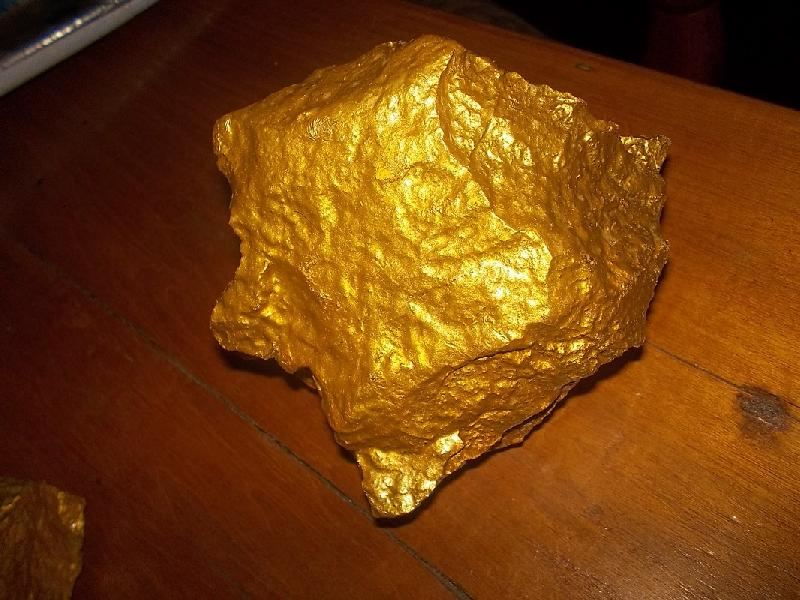
| Raw Gold (Nuggets) | Variable (70%–95%+) | Nuggets, unrefined pieces | Direct trade or refining | Sourced from miners, requires testing, purity varies | High (requires verification) |
| Gold Dust / Powder | Variable | Fine particles | Refining or bulk trading | Common in artisanal mining supply chains, must be assayed | High |
| Refined Investment Gold (Refinery Output) | 24K (.9999) | Bars from refineries | Institutional investment & export | Certified, traceable, export-ready, highest trust level | Low |
Key insight for buyers in Abuja
- Gold bars and refinery gold are the safest and most stable options for serious investors due to certification and traceability.
- Jewelry gold is more accessible but less efficient as an investment because of design costs and variable purity.
- Raw gold and gold dust offer higher profit potential but require strong verification, including assay testing and trusted sourcing channels.
- The safest transactions in Abuja always involve licensed dealers, refinery-backed products, or properly documented gold assets.
Gold Bars and Bullion (Investment Grade)
Gold bars and bullion are the most preferred form of gold for investors in Abuja because they offer high purity, standardized weight, and strong resale liquidity in both local and international markets. Unlike jewelry, bullion is designed specifically for wealth storage and investment performance.
- Investment-grade gold bullion is typically refined to .999 or .9999 purity (24K gold), meaning it is almost completely free of impurities and aligns with international trading standards.
- Gold bars are produced in standardized weights such as 1g, 5g, 10g, 50g, 100g, 500g, and 1kg, allowing investors to scale purchases based on budget.
- Smaller bars are more accessible to new investors, while larger bars usually carry lower premiums per gram, making them more cost-efficient for bulk buyers.
- Minimum purchase requirements vary by dealer, but many licensed bullion traders in Abuja allow entry-level investment starting from 1 gram or 5 grams.
- Each bullion bar typically comes with a refinery stamp, serial number, and assay certificate, confirming purity and authenticity.
- Storage options include bank safe deposit boxes, private vault facilities, and dealer-linked custody services, especially for high-value holdings.
- For security and resale value, buyers are strongly advised to purchase only from licensed dealers or refinery-linked sources in Abuja.
Gold Jewelry at Abuja’s Markets
Gold jewelry is widely available in Abuja, especially in markets like Wuse, and is commonly purchased for personal use, gifting, and informal wealth storage. However, jewelry gold differs significantly from bullion in terms of purity, pricing structure, and investment value.
- In Wuse Market and similar trading zones, most jewelry is sold in 22K and 18K gold, with varying alloy compositions depending on design and durability needs.
- 22K gold (91.6% purity) is softer and closer to investment-grade gold, while 18K gold (75% purity) contains more alloy metals, making it stronger and more suitable for daily wear.
- Buyers should check for hallmark stamps or karat markings, although not all market jewelry is officially certified or standardized.
- It is important to request on-site purity testing, such as acid testing or electronic gold testing, before making payment.
- Always verify weight in grams using a calibrated scale, since pricing depends heavily on accurate measurement.
- Jewelry includes a craftsmanship and design premium, meaning buyers pay more than the raw gold value per gram.
- In Wuse Market, experienced buyers often compare multiple stalls, test purity in front of the seller, and negotiate based on live market rates before purchasing.
- To reduce risk, prioritize stalls that issue receipts and are willing to explain karat composition clearly and transparently.
Key takeaway
Gold bullion in Abuja is best suited for serious investment and wealth preservation, while gold jewelry serves more for personal use and flexible value holding. Understanding the difference in purity, pricing, and verification requirements is essential to making safe and informed gold purchases in Nigeria’s capital market.
Gold Coins and Collectibles
Gold coins and collectibles represent a specialized segment of the Abuja gold market, combining investment-grade gold value with collector-driven premiums. Their pricing and availability depend on whether they are standard bullion coins or rare numismatic pieces.
Gold Coins vs Collectibles in Nigeria (Comparison Table)
| Category | Purity Level | Availability in Abuja | Value Driver | Investment Stability | Key Buyer Considerations |
| Bullion Gold Coins | 22K – 24K | Limited (through select dealers/importers) | Gold content + spot price | High (tracks global gold price) | Best for investors seeking liquidity and stable value |
| Modern Investment Coins | 24K (.999 – .9999) | Rare, usually imported | Gold weight + mint premium | High | Includes global coins like Krugerrand-type products; requires verification |
| Numismatic (Collectible) Coins | Varies (18K – 24K) | Very limited in Nigeria | Rarity, history, condition, demand | Medium to Low (price fluctuates) | Requires expert authentication and grading |
| Commemorative Coins | 22K – 24K | Occasional availability via dealers | Event or national significance | Medium | Value depends on demand and the issuing authority |
| Proof/Collector Editions | 24K typically | Rare in Abuja | Finish quality + limited mintage | Medium to High (collector-driven) | Must verify the mint origin and authenticity certificates |
Key takeaway
- Bullion coins are best for investors who want direct exposure to gold price movements.
- Numismatic and collectible coins can offer higher upside but carry greater valuation uncertainty and authentication risk.
- In Abuja, most coin purchases should be made through verified bullion dealers or reputable international sourcing channels to ensure authenticity and resale value.
Raw Gold, Nuggets, and Gold Dust from Miners
Raw gold in Nigeria is typically sourced directly from mining regions and enters the market in different forms, such as ore, nuggets, and gold dust. These materials are usually traded through licensed miner networks, aggregators, and registered buying centers, especially before being refined into investment-grade bullion.
- Raw gold ore is extracted directly from mining sites and often contains gold mixed with rock and other minerals, requiring processing before purity can be confirmed.
- Gold nuggets are naturally formed pieces of gold that are already separated from ore, and their value depends on weight, purity, and shape.
- Gold dust is made up of fine particles of gold, commonly found in artisanal mining operations and riverbed deposits.
- Pricing for raw gold is often more flexible and can appear lower than refined gold, but it depends heavily on assay results and purity confirmation after testing.
- Most legitimate raw gold transactions in Nigeria are handled through registered mining cooperatives, licensed aggregators, or government-recognized buying channels to ensure traceability.
Important caution on illegal sourcing risks
- Raw gold trading is one of the highest-risk segments of the gold market, especially when dealing with unverified individuals or informal miners.
- Unlicensed sourcing can involve illegally mined gold, smuggled material, or untraceable supply chains, which may lead to legal and financial risks for buyers.
- Buyers should always insist on official documentation, mining licenses, and traceable origin records before purchasing any raw gold.
- All raw gold should undergo independent assay testing at a certified laboratory or refinery in Abuja to confirm purity before payment or export.
- Avoid transactions that are conducted in secrecy, lack receipts, or involve pressure to pay without verification, as these are common indicators of fraudulent activity.
Key takeaway
Raw gold, nuggets, and gold dust can offer competitive pricing due to direct sourcing, but they also carry significantly higher risk compared to refined bullion. For buyers in Abuja, safety depends on working only with licensed mining networks and verified assay-backed transactions, ensuring both legal compliance and financial protection.
Step-by-Step: How to Buy Gold Safely in Abuja
Buying gold safely in Abuja requires a structured process that focuses on price awareness, dealer verification, purity testing, and documentation. The table below breaks down each step in a practical, easy-to-follow format.
Safe Gold Buying Process in Abuja (Step-by-Step Table)
| Step | Action | What You Should Do | Why It Matters |
| Step 1 | Set your budget and purpose | Decide whether you are buying for investment, jewelry, or resale; set a clear budget in NGN or USD | Prevents overspending and helps you choose the right type of gold (bullion vs jewelry) |
| Step 2 | Check the live gold price | Compare international spot prices using Kitco or GoldRate24 and check the CBN exchange rate | Ensures you understand the real market value before negotiating with sellers |
| Step 3 | Choose a licensed dealer | Verify dealer registration with MCO, MSMD, or SEC before engaging in any transaction | Reduces risk of fraud and ensures legal compliance under Nigerian mining laws |
| Step 4 | Test gold purity before payment | Request an acid test, electronic testing, or refinery assay confirmation in your presence | Confirms actual karat level and prevents fake or diluted gold scams |
| Step 5 | Demand full documentation | Ask for an invoice, assay certificate, and proof of origin for every purchase | Provides legal proof of ownership and protects you during resale or export |
| Step 6 | Confirm weight and price | Weigh gold in front of you and calculate the total cost based on the agreed per-gram price | Prevents disputes and ensures transparency in pricing |
| Step 7 | Make a secure payment | Use traceable payment methods such as bank transfer to corporate accounts or escrow services | Reduces risk of fraud and provides payment proof for disputes |
| Step 8 | Arrange safe storage | Store gold in a bank vault, secure private storage, or insured facility | Protects your investment from theft or loss |
Key takeaway
A safe gold purchase in Abuja is not just about finding a seller, it is about following a clear verification process from pricing to documentation and storage. Buyers who follow these steps consistently reduce risk and ensure they are acquiring authentic, investment-grade gold under legal protection.
Exporting Gold Purchased in Abuja: What You Must Know
Exporting gold from Abuja is a strictly regulated process governed by Nigerian mining, customs, and trade compliance laws. Every step—from sourcing to shipment—must follow official procedures to ensure the gold is legally mined, properly documented, and approved for international transport.
Nigeria’s Export Regulations for Gold
| Requirement | Authority Responsible | What It Means in Practice | Why It Matters |
| Compliance with the Nigerian Minerals and Mining Act 2007 | Federal Government of Nigeria / MSMD | All gold exports must be legally approved and documented before shipment | Ensures only legally sourced minerals enter international markets |
| Export Permits | Ministry of Solid Minerals Development (MSMD) | An official permit must be issued before gold can leave Nigeria | Prevents illegal export and enforces regulatory control |
| Licensed Source Requirement | MSMD + Mining Cadastre Office (MCO) | Gold must come from licensed miners, aggregators, or dealers | Confirms traceability and legal ownership of the gold |
| Documentation (Invoices & Certificates) | Licensed dealers/exporters | Must include invoice, assay certificate, and origin documentation | Verifies purity, value, and legal sourcing |
| Customs Inspection & Clearance | Nigeria Customs Service | Physical inspection and approval before export exit | Ensures compliance with export laws and prevents smuggling |
The Role of the Ministry of Solid Minerals Development in Export Approval
| Function | What It Does | Impact on Export Process |
| National regulatory oversight | Oversees all mineral production and export compliance in Nigeria | Central authority ensuring legal mining and export control |
| Federal Mines Offices (36 states + FCT) | Acts as a local approval and verification center | Provides first-stage validation for export applications |
| Coordination with MCO and Customs | Works with the Mining Cadastre Office and customs authorities | Ensures the full legal chain from mining to export |
| Licensing and approval enforcement | Confirms compliance before export permits are issued | Prevents unauthorized or illegal gold exports |
| Traceability enforcement | Tracks gold from source to export stage | Supports international credibility and anti-illegal mining controls |
Working with Licensed Export Agents in Abuja
| Requirement | What to Check | Why It Matters |
| Licensed export agent | Must be registered and verifiable in Abuja | Ensures legal handling of export procedures |
| Documentation handling | The agent must manage permits, invoices, and customs papers | Prevents compliance errors and delays |
| Experience in mineral exports | Proven track record in gold or mineral shipments | Reduces risk of export failure or seizure |
| Company registration proof | CAC registration and export authorization | Confirms the legitimacy of business operations |
| AML and compliance adherence | Must follow anti-money laundering and sourcing laws | Ensures international trade acceptance |
Key takeaway
Gold export from Abuja is legal only when handled through MSMD-approved procedures, licensed mining sources, and registered export agents. A fully compliant export process ensures that gold is traceable, certified, and internationally accepted, protecting both buyers and sellers from legal and financial risks.
Nigeria’s Export Regulations for Gold
Gold export in Nigeria is governed by a strict regulatory framework designed to ensure legal sourcing, traceability, and compliance with international trade standards. Under the Nigerian Minerals and Mining Act 2007, all gold exports must follow approved procedures and obtain the necessary government permits before shipment.
Gold Export Regulations in Nigeria (Compliance Table)
| Requirement | Responsible Authority | What It Means in Practice | Why It Matters |
| Export Permit for Minerals | Ministry of Solid Minerals Development (MSMD) | Official approval must be obtained before any gold can leave Nigeria | Ensures gold is legally sourced and approved for international trade |
| Mining Compliance Verification | MSMD + Mining Cadastre Office (MCO) | Confirms gold originates from licensed miners or dealers | Prevents illegal or unlicensed mining products from entering the export chain |
| Exporter Registration | Nigerian Export Promotion Council (NEPC) | An exporting company must be officially registered with NEPC | Ensures the exporter is legally recognized for international trade operations |
| Certificate of Origin | MSMD / Approved Export Authorities | Documents where the gold was mined or sourced | Provides traceability and supports international buyer confidence |
| Assay Certificate (Purity Test) | Licensed laboratories or refineries | Confirms gold purity (e.g., 22K, 24K, .9999 bullion) | Ensures accurate valuation and prevents fraud or misrepresentation |
| Customs Clearance | Nigeria Customs Service | Final inspection and approval before export shipment | Legally authorizes gold to leave the country |
| Invoice & Transaction Records | Licensed dealer/exporter | Provides an official record of purchase and sale | Supports legal ownership and financial transparency |
Key takeaway
Gold export in Nigeria requires coordination between MSMD, NEPC, mining authorities, and customs services. Any legitimate export from Abuja must be fully documented, legally approved, and traceable under the Nigerian Minerals and Mining Act 2007, ensuring compliance with both national and international trade standards.
The Role of the Ministry of Solid Minerals Development in Export Approval
The Ministry of Solid Minerals Development (MSMD) is the federal authority responsible for regulating mineral extraction, licensing, and export compliance in Nigeria. Through its Federal Mines Offices located in all 36 states and the FCT (Abuja), the ministry ensures that all mineral activities—especially gold trading and export—follow legal and traceable procedures.
For gold buyers in Abuja, the MSMD plays a critical role in:
- Issuing mining and export licenses
- Verifying the origin of gold before export
- Ensuring compliance with the Nigerian Minerals and Mining Act (2007)
- Preventing illegal mining and gold smuggling
- Coordinating with customs and security agencies for export clearance
This makes MSMD a key institution for any investor seeking legally exportable gold from Nigeria.
Working with Licensed Export Agents in Abuja
To legally export gold, buyers are required to work with government-approved export agents who are registered with the Ministry of Solid Minerals Development.
These agents typically:
- Handle documentation and export permits
- Coordinate assay (purity testing) with certified laboratories
- Ensure customs clearance at exit points
- Facilitate secure logistics and international shipping
- Act as compliance intermediaries between buyer and government agencies
Important: Working with unlicensed brokers significantly increases the risk of fraud, seizure of gold, or legal penalties.
Risks and Scams When Buying Gold in Abuja — And How to Avoid Them
The gold market in Abuja offers real opportunities, but it also attracts fraudsters. Understanding common scams and verification methods is essential for safe transactions.
The Most Common Gold Scams in Nigerian Markets
Fraudulent activities in the gold trade often involve:
- Fake gold bars plated with real gold on the surface
- Tungsten-filled bars that mimic gold weight and density
- “Ghost sellers” operating only through WhatsApp or social media
- Misrepresentation of gold purity (e.g., selling 18K as 24K)
- Non-existent export licenses or forged documents
How to Test Gold Authenticity in Abuja
Professional buyers and investors rely on multiple verification methods:
- Acid Test Kits: Quick surface-level purity check
- Electronic Gold Testers: Measure conductivity to estimate karat level
- XRF Testing (X-Ray Fluorescence): Most accurate non-destructive method
- Assay Certificates: Issued by licensed refineries or government-approved labs
- Density & Weight Checks: Helps detect tungsten or alloy mixing
For high-value transactions, XRF testing at a licensed refinery is strongly recommended.
Red Flags That Signal an Unlicensed Dealer
| Red Flag | What It Means | Risk Level | What You Should Do |
| No license or registration number | Dealer is not approved by MSMD | High | Walk away immediately |
| Prices far below market value | Likely fake or stolen gold | High | Verify with official gold rate sources |
| Refusal to allow testing (XRF/acid test) | Hiding poor-quality or fake gold | Very High | Do not proceed |
| Cash-only transactions | Avoiding traceable payment systems | High | Demand a formal invoice and banking proof |
| No physical office or traceable address | Ghost seller or scam operation | High | Meet only at licensed offices/refineries |
| Missing export documentation | Gold cannot be legally exported | Critical | Involve a licensed export agent or the MSMD office |
Frequently Asked Questions About Buying Gold in Abuja
Where is the best place to buy gold in Abuja?
The best place to buy gold in Abuja is through licensed gold dealers, government-approved agents, or registered mining companies. Reputable areas include Wuse, Maitama, and the Central Business District, where verified dealers operate. Buyers should prioritize sellers who can provide official documentation, assay certificates, and proof of origin. For international buyers, working with a licensed export agent in Abuja significantly reduces the risk of fraud.
What is the price of gold per gram in Abuja today?
Gold prices in Abuja fluctuate daily based on the global gold market (London Bullion Market Association – LBMA rates), currency exchange rates, and local supply.
As a general guide:
- 24K gold (99.9% purity): Tracks international spot price closely
- 22K gold (91.6% purity): Slightly lower per gram
To get the exact price today, buyers should check:
- Live gold price platforms
- Licensed dealers in Abuja
- Reliable sources like Gold Prices in Africa
Is it legal to buy gold in Nigeria without a license?
Yes, it is legal to buy gold in Nigeria as an individual, including in Abuja. However:
- Trading, dealing, or exporting gold commercially requires proper licensing
- All transactions must comply with the Nigerian Minerals and Mining Act 2007
For safety and legal compliance, always purchase from licensed sellers registered with the Ministry of Solid Minerals Development (MSMD).
Can I buy gold in Abuja and export it?
Yes, you can buy gold in Abuja and export it, but the process is strictly regulated. Exporting gold requires:
- Export permit from the Ministry of Solid Minerals Development
- Assay certificate confirming purity
- Nigeria Customs clearance documentation
- Use of a licensed export agent
Failure to follow legal procedures can result in confiscation or penalties, so international buyers should work with experienced export facilitators.
How do I know if gold is real in Nigerian markets?
To verify gold authenticity in Abuja:
- Request an assay certificate from an approved laboratory
- Use X-Ray Fluorescence (XRF) testing for non-destructive analysis
- Check for hallmarks or purity stamps (e.g., 999, 916)
- Work only with verified and licensed dealers
Avoid street vendors or informal markets, as they pose a higher risk of counterfeit or under-purity gold.
What is the difference between 24K and 22K gold in Nigeria?
The main difference is purity and usage:
- 24K gold (99.9%)
- Highest purity
- Ideal for investment (gold bars, bullion)
- Softer and more expensive
- 22K gold (91.6%)
- Mixed with other metals for durability
- Common in jewelry
- Slightly lower price per gram
Investors in Abuja typically prefer 24K gold bars, while 22K is more common in retail jewelry markets.
Which banks sell gold bars in Abuja?
Currently, most Nigerian banks do not directly sell physical gold bars to the public. Instead, gold trading is handled by:
- Licensed private dealers
- Government-approved export companies
- Registered mining and refining firms
Buyers should be cautious of claims that banks sell gold locally and always verify through official channels.