Buy Gold in Accra, Ghana (2026) | Trusted Dealers, Live Prices & Secure Delivery
Ghana continues to strengthen its position as one of Africa’s most regulated and trusted gold trading hubs. Whether you are an investor, bullion trader, or first-time buyer, Accra offers direct access to legally sourced gold backed by government oversight, making it a key entry point into the West African gold market.
In 2026, buying gold in Accra is no longer limited to informal dealings. The market is increasingly structured under regulated bodies such as the Minerals Commission of Ghana, the Precious Minerals Marketing Company (PMMC), and the newly strengthened GoldBod framework, all working to ensure transparency, traceability, and export compliance. This shift has made Accra a more credible destination for both local buyers and international investors seeking physical gold in bars, dust, or dore form with proper assay certification.
However, despite these improvements, the gold market still requires careful due diligence. Prices, purity verification, licensing, and export documentation vary significantly between dealers. This guide is designed to give you an expert-backed, experience-driven, and up-to-date (2026) breakdown of how to safely buy gold in Accra, avoid scams, verify authenticity, and comply with Ghanaian regulations so you can invest with confidence and legal protection.

Why Accra Is Africa’s Premier Destination to Buy Gold
Accra has become Africa’s premier destination for buying gold due to its stable political environment, well-regulated mining sector, and strong oversight by the Minerals Commission, which ensures legal and transparent transactions. As the commercial hub of Ghana—one of the continent’s top gold producers—Accra offers direct access to licensed dealers, competitive pricing aligned with global market rates, and high-purity gold (often 22K and 24K) sourced from reputable mines. The city’s developed financial infrastructure, international airport, and established export procedures make it especially attractive for foreign investors and bulk buyers seeking secure, efficient, and compliant gold purchasing opportunities in Africa. to foreign investors and bulk buyers seeking secure, efficient, and compliant gold-purchasing
Ghana’s Position as Africa’s Largest Gold Producer
Ghana holds a leading position as one of Africa’s largest gold producers, consistently ranking at or near the top alongside countries like South Africa and Mali. The country’s success is driven by rich gold reserves, large-scale operations by multinational mining companies such as Newmont and AngloGold Ashanti, and a well-structured regulatory framework overseen by the Minerals Commission. With annual production often exceeding 100 metric tonnes, Ghana benefits from both industrial mining and a significant artisanal sector, making gold a key pillar of its economy and export earnings. Its stable political climate, investor-friendly policies, and commitment to responsible mining practices further strengthen its reputation as a dominant force in the global gold market.
Why Gold Prices in Accra Are Competitive
Here’s a clear table explaining why gold prices in Accra are considered competitive:
| Factor | Description | Impact on Gold Prices in Accra |
| Proximity to Gold Mines | Ghana is one of Africa’s top gold producers, with mines located close to Accra | Reduces transportation and middleman costs, leading to lower prices |
| High Supply Volume | Continuous production from large-scale and artisanal miners | Keeps supply steady, preventing price inflation |
| Licensed Dealers | Regulated by the Minerals Commission | Ensures fair pricing aligned with global market rates |
| Competitive Market | Many verified gold traders are operating in Accra | Encourages price competition among dealers |
| Lower Operational Costs | Compared to Europe, Asia, or the U.S. | Dealers can offer better margins to buyers |
| Currency Exchange Advantage | Transactions often occur in USD or Ghanaian Cedi | Opportunities for favorable exchange rates for international buyers |
| Direct Sourcing | Buyers can purchase closer to the source (mines/refineries) | Eliminates multiple intermediaries, reducing markup |
| Export-Friendly Policies | Streamlined gold export procedures in Ghana | Reduces additional costs tied to bureaucracy |
| Transparency in Pricing | Prices benchmarked to international gold markets (LBMA) | Buyers get globally competitive and trusted pricing |
| Tax & Duty Structure | Favorable policies for gold exports and trade | Minimizes extra charges, keeping prices competitive |
This combination of strong supply, regulation, and market competition makes Accra one of the most price-efficient gold-buying hubs in Africa.
Recent Reforms Strengthening the Gold Market (2025–2026)
Recent reforms in Ghana’s gold sector between 2025 and 2026 have significantly strengthened market transparency, investor confidence, and global competitiveness. The government, through the Minerals Commission and the Bank of Ghana, has tightened licensing requirements and enhanced digital tracking systems to monitor gold production, trade, and exports more effectively, helping to curb smuggling and illegal mining activities. New policies promoting formalization of artisanal and small-scale miners (ASM) have brought more gold into the legal supply chain, increasing traceability and boosting official export volumes.
Additionally, the introduction of structured gold purchasing programs where the Bank of Ghana buys gold directly from licensed producers has stabilized local pricing and supported the national currency. Reforms have also focused on compliance with international standards, including anti-money laundering (AML) regulations and responsible sourcing frameworks, making Ghanaian gold more attractive to global buyers and refineries. Improved export procedures, reduced bureaucratic delays, and stronger collaboration with security agencies have further positioned Accra as a safer, more efficient hub for gold transactions in Africa.
The Legal Framework: How Gold Buying Is Regulated in Ghana
Here’s a structured table explaining how gold buying is regulated in Ghana:
| Regulatory Body / Law | Role & Responsibility | Impact on Gold Buyers |
| Minerals Commission (Ghana) | Main regulatory authority overseeing mining, licensing, and gold trading activities | Ensures only licensed dealers operate, protecting buyers from illegal transactions |
| Precious Minerals Marketing Company (PMMC) / GoldBod | Responsible for assaying, certification, and support in gold trade (with GoldBod reforms strengthening oversight) | Guarantees gold purity verification and proper documentation |
| Bank of Ghana (BoG) | Purchases gold for national reserves and regulates financial flows in the gold trade | Stabilizes local gold prices and ensures secure payment channels |
| Minerals and Mining Act, 2006 (Act 703) | Core legal framework governing mining and gold trade in Ghana | Provides legal protection and clear procedures for buying and exporting gold |
| Licensing Requirements | Mandatory permits for gold dealers, exporters, and agents | Buyers must transact only with licensed entities to avoid fraud or legal issues |
| Export Regulations | Requires export permits, assay certificates, and customs clearance | Ensures legal and smooth international gold shipments |
| Anti-Money Laundering (AML) Laws | Monitors financial transactions in the gold trade | Protects buyers from illegal financial practices and enhances transparency |
| Artisanal & Small-Scale Mining (ASM) Policies | Formalization and regulation of small-scale miners | Increases the availability of legally sourced gold in the market |
| Ghana Revenue Authority (GRA) | Handles taxes, royalties, and export duties | Ensures compliance with tax obligations during transactions |
| Customs Division (Ghana) | Inspects and clears gold exports at borders and airports | Prevents smuggling and ensures proper export documentation |
This legal framework makes Ghana one of the most structured and secure gold trading environments in Africa, giving buyers confidence in both the quality and legality of their purchases.
What Is the Ghana Gold Board (GoldBod)?
The Ghana Gold Board (GoldBod) is an emerging regulatory and coordinating body introduced as part of Ghana’s recent gold sector reforms to strengthen oversight, transparency, and value capture in the gold trade especially within the artisanal and small-scale mining (ASM) sector.
Its core role is to streamline how gold is purchased, verified, and exported, working alongside existing institutions like the Minerals Commission, Bank of Ghana, and the Precious Minerals Marketing Company (PMMC). GoldBod is designed to centralize gold aggregation, improve traceability through digital systems, and ensure that more gold flows through official, legal channels rather than informal or smuggled routes.
For buyers and investors, GoldBod adds an extra layer of confidence by promoting:
- Certified gold sourcing (verified origin and purity)
- Standardized pricing mechanisms aligned with global markets
- Stronger compliance with international trade and anti-money laundering (AML) standards
- More efficient export processes with reduced fraud risks
In simple terms, GoldBod is part of Ghana’s push to make its gold market more organized, transparent, and globally trusted, further reinforcing Accra’s position as a leading hub for gold trading in Africa.
The Role of PMMC in Assaying and Quality Standards
The Precious Minerals Marketing Company (PMMC) plays a central role in maintaining gold quality and trust in Ghana’s market by serving as the official body for assaying, certification, and technical support in precious mineral trading.
PMMC’s primary function is to test and verify the purity of gold through standardized assaying processes using internationally accepted methods. Once tested, it issues assay certificates that confirm the gold’s karat, weight, and overall quality documents that are essential for both local transactions and international exports.
In addition to assaying, PMMC helps enforce quality standards by ensuring that all gold traded through formal channels meets globally recognized benchmarks, such as those aligned with LBMA (London Bullion Market Association) expectations. This reduces the risk of under-karating, contamination, or misrepresentation, which are common concerns in unregulated markets.
For buyers, PMMC’s involvement provides:
- Verified the purity and authenticity of gold
- Official documentation for export and resale
- Reduced risk of fraud or disputes
- Confidence in compliance with international standards
Overall, PMMC acts as a quality control backbone in Ghana’s gold industry, helping position the country as a reliable and transparent source of high-purity gold in Africa.
Can Foreigners Legally Buy Gold in Accra?
Yes, foreigners can legally buy gold in Accra, Ghana, but only through licensed and regulated channels approved by the Ghanaian authorities.
Foreign buyers are allowed to purchase gold under Ghana’s mining and trade laws, provided the transaction complies with the Minerals and Mining Act, 2006 (Act 703) and related export regulations. The key requirement is that gold must be bought from licensed dealers, mining companies, or authorized aggregators regulated by institutions such as the Minerals Commission and monitored through official export procedures.
However, foreigners cannot buy gold informally or from unlicensed street dealers, as this is illegal and carries risks of fraud, confiscation, or legal penalties. All legitimate purchases must be supported by proper documentation, including:
- Assay certificate (confirming purity)
- Sales agreement or invoice
- Export permit (if the gold is leaving Ghana)
- Customs clearance documents
In practice, most foreign investors work with registered gold trading companies in Accra that handle sourcing, verification, and export logistics on their behalf. This ensures compliance with Ghanaian law and international standards.
In summary, gold buying in Accra is open to foreigners, but it must be done through formal, transparent, and government-approved processes to ensure legality and safety.
To buy gold in Accra safely, the key is to stick strictly to licensed, traceable, and government-regulated channels. Ghana’s gold market is well-structured, but safety depends on avoiding informal sellers and using official systems.
Where to Buy Gold in Accra Safely
| Safe Source | What It Is | Why It Is Safe | What You Should Ask For |
| Licensed Gold Dealers | Companies registered with the Minerals Commission | Operate under Ghana’s mining laws and regulations | Business license, invoice, and assay certificate |
| PMMC-Certified Offices | Precious Minerals Marketing Company and authorized agents | Official assaying and quality verification body | PMMC assay certificate for purity confirmation |
| GoldBod-Linked Aggregators | Government-regulated gold collection network | Ensures traceable and legal sourcing from miners | Proof of registration and sourcing documentation |
| Export-Approved Companies | Licensed firms handling international gold trade | Fully compliant with customs and export laws | Export permit and customs documentation |
| Bank of Ghana Partner Channels | Official gold purchasing programs | Highly regulated and tied to national reserves | Official transaction receipts and compliance records |
| Reputable Bullion Dealers | Registered investment gold sellers in Accra | Sell certified gold bars and coins only | Hallmark stamps and purity certification |
Areas in Accra Where Safe Dealers Operate
| Location | Type of Activity |
| Airport Residential Area | Licensed export companies and international dealers |
| North Ridge | Financial and bullion investment offices |
| East Legon | Private, high-end licensed trading firms |
| Spintex Road | Refining, logistics, and export handling companies |
| PMMC Offices (Accra) | Official assaying and certification services |
Where to Buy Gold in Accra: Licensed Dealers and Official Channels
Here is a clear table showing where to buy gold in Accra through licensed dealers and official channels:
| Category | Where to Buy | Description | Why It’s Trusted |
| Licensed Gold Dealers | Registered dealers approved by the Minerals Commission | Private companies are legally authorized to buy and sell gold | Operate under Ghana’s mining laws and provide proper documentation |
| Mining Companies | Large-scale miners like Newmont Ghana, AngloGold Ashanti (through official channels) | Direct or corporate sales of refined gold | High credibility, regulated production, and export compliance |
| GoldBod Aggregators | Ghana Gold Board–linked collection centers | Centralized gold buying points for legal sourcing | Ensures traceability and government oversight |
| Precious Minerals Marketing Company (PMMC) | PMMC offices and authorized agents in Accra | Official assaying and gold certification body | Guarantees purity testing and international-standard certification |
| Bank of Ghana Channels | Government gold purchasing programs | Gold bought for reserves and regulated trade | Strong financial backing and price stability |
| Licensed Export Companies | Registered export firms in Accra | Handle bulk gold purchases and international shipping | Provide full export documentation and customs clearance |
| Jewelry and Bullion Dealers (Certified) | Approved bullion shops and refineries | Sell investment-grade gold bars and coins | Products are verified, stamped, and assay-certified |
| Mining Cooperatives (Formal ASM Groups) | Registered artisanal mining associations | Sell directly sourced gold through legal channels | Increasingly formalized and monitored by regulators |
This structure ensures that all legal gold purchases in Accra are traceable, certified, and compliant with Ghanaian mining regulations, making it safe for both local and international buyers.
Goldbod-Licensed Gold Dealers In Accra
Here is a structured table for GoldBod-Licensed Gold Dealers in Accra:
| Dealer Type | Role in Gold Trade | Services Offered | Why They Matter | Buyer Benefit |
| GoldBod-Registered Aggregators | Collect gold from licensed miners and ASM (artisanal miners) | Gold purchasing, grading, and aggregation | Central link between miners and the official market | Ensures gold is legally sourced and traceable |
| Licensed Gold Trading Companies | Authorized by the Minerals Commission and aligned with GoldBod reforms | Buying, selling, and exporting gold bars | Operate under strict government supervision | Safe transactions with legal export support |
| Export-Approved Dealers | Firms cleared to export gold internationally | Documentation, logistics, and customs clearance | Ensure compliance with international trade laws | Smooth and legal gold export process |
| Refinery-Linked Dealers | Connected to approved refineries in Ghana or abroad | Purification, assaying, and bullion production | Maintain high purity standards (22K–24K+) | Guaranteed gold quality and certification |
| PMMC-Affiliated Dealers | Work closely with Precious Minerals Marketing Company | Assaying, certification, and quality verification | Provide official purity confirmation | Reduces risk of fraud and quality disputes |
| Bank of Ghana Partner Dealers | Supply gold for national reserves programs | Bulk gold supply and pricing stabilization | Part of the formal national gold purchasing system | Stable pricing aligned with global markets |
This structure reflects how GoldBod reforms are strengthening Accra’s gold market by ensuring that only verified, licensed, and traceable dealers participate in gold trading, improving safety and investor confidence.
Verification and Purity Testing (Assay)
When buying gold in Accra, one of the most important safety steps is verification and purity testing through official assay services. Buyers should always insist on an Assay Certificate issued by GoldBod-authorized channels or the Precious Minerals Marketing Company (PMMC) Laboratory, as this is the official proof of gold authenticity, weight, and purity in Ghana.
For 2026 standards, Ghana’s gold verification process increasingly relies on non-destructive X-Ray Fluorescence (XRF) testing, which is a modern and widely accepted method used by PMMC and approved laboratories. This technology allows experts to determine the exact composition of gold (such as 24K, 22K, or 18K) without melting or damaging the sample.
Why Assay Certification Is Essential
| Requirement | Purpose | Buyer Protection |
| Assay Certificate (GoldBod / PMMC) | Official proof of purity and weight | Confirms you are receiving genuine gold |
| XRF Testing (2026 Standard) | Non-destructive purity analysis | Ensures accurate grading without altering the gold |
| Laboratory Verification | Independent scientific testing | Prevents fraud and under-karating |
| Traceability Report | Links gold to a legal source | Confirms gold is not from illegal mining |
Note Buyers
- No assay = high risk transaction
- PMMC or GoldBod-certified assay = verified and safe purchase
- XRF testing is now the standard method in Ghana’s formal gold market (2026)
Gold Markets and Trading Zones in Accra
| Market / Zone | Location in Accra | Description | Main Activities | Why It Matters |
| Airport Residential Area Trading Offices | Near Kotoka International Airport | Hub for licensed gold trading companies and export firms | Gold buying, export processing, investor meetings | Close to the airport for fast international transactions |
| North Ridge Business District | Central Accra | Home to financial institutions and licensed bullion dealers | Investment gold sales, consultancy, export facilitation | High trust area with regulated financial services |
| Osu Commercial Zone | Osu, Accra | Commercial area with registered gold dealers and brokers | Small to mid-scale gold trading | Accessible location for buyers and traders |
| Spintex Road Industrial Area | East Accra | Industrial hub with refineries and logistics companies | Gold refining, packaging, export logistics | Supports large-scale gold handling and processing |
| Ministries Area | Central Government Zone | Location of regulatory bodies and licensed offices | Licensing, compliance, and official approvals | Direct access to government regulators |
| East Legon Business Enclaves | East Accra | High-end business district with private trading firms | Private gold investment deals and consultations | Preferred by international investors |
| PMMC Office Zones | Accra (official PMMC centers) | Official assaying and certification offices | Gold testing, certification, documentation | Ensures gold purity and legal compliance |
| Kotoka International Airport Cargo Zone | Airport Cargo Terminal | Main export point for gold shipments | Customs clearance and export of bullion | Key gateway for international gold trade |
These zones collectively make Accra one of the most organized gold trading hubs in Africa, combining government oversight, private investment activity, and export infrastructure within a single metropolitan ecosystem.
Documentation You Must Request (Gold Buying in Accra)
When purchasing gold in Accra, always ensure you receive full legal and technical documentation. These documents protect you from fraud and confirm that the gold is authentic, legally sourced, and eligible for resale or export.
- Sales Invoice – Official receipt showing buyer and seller details, weight, purity, and agreed price of the gold transaction.
- Assay Certificate – Issued by PMMC or GoldBod-authorized laboratories, confirming the purity (24K, 22K, 18K) and weight accuracy of the gold.
- Export Permits (if applicable) – Required if the gold will be shipped outside Ghana, issued by the Minerals Commission and cleared through Customs.
- Proof of Origin – Documentation showing where the gold was mined or sourced, ensuring it is legally obtained and traceable through approved supply chains (Gold Buyers Africa, 2026).
Buying Directly from Licensed Small-Scale Miners
Buying directly from licensed small-scale miners (ASM) in Ghana is becoming more structured through the GoldBod aggregator network, which acts as an official bridge between miners and verified buyers.
The GoldBod system is designed to centralize and formalize gold collection from artisanal and small-scale mining communities. Instead of miners selling gold through informal or risky channels, they now deliver their production to licensed GoldBod aggregators, who are authorized to collect, weigh, and record the gold under strict government supervision.
These aggregators then:
- Verify and document the source of the gold
- Conduct initial quality checks and weighing
- Move the gold into the official supply chain for certification and pricing
- Connect it to licensed dealers, refineries, or export companies
For buyers, this system creates a safer and more transparent pathway to access gold. Instead of dealing directly with individual miners (which carries a high risk of fraud or inconsistency), buyers work through licensed dealer networks linked to GoldBod, ensuring that:
- The gold is legally sourced and traceable
- Purity is tested and certified through official channels like PMMC
- Transactions follow regulated pricing aligned with global markets
- Export documentation is properly handled and compliant
In simple terms, the GoldBod aggregator network organizes the entire supply chain, allowing buyers to access high-quality Ghanaian gold with greater confidence, while also protecting miners from exploitation and informal trade.
What to Avoid: Red Flags and Scam Patterns in Accra’s Gold Market
In Accra’s gold market, most transactions are legitimate when done through licensed channels, but there are still clear red flags and scam patterns that buyers should be careful about. These risks usually appear in informal or unregulated deals, especially outside official dealer networks.
| Red Flag / Scam Pattern | What It Looks Like | Why It’s Dangerous | Safe Alternative |
| Unlicensed Sellers | Individuals offering gold in hotels, on the streets, or in private meetings without proof of a license | High risk of fake gold or illegal sourcing | Only deal with Minerals Commission–licensed dealers |
| No Assay Certificate | Seller refuses or delays providing purity verification | Gold may be under-karated or fake | Demand PMMC or a certified assay report before payment |
| “Too Good to Be True” Prices | Prices far below global market rates | Often a sign of fraud or bait-and-switch scams | Compare with LBMA-linked global gold prices |
| Cash-Only Pressure Deals | Sellers insist on immediate cash payments without documentation | No legal protection or traceability | Use formal banking or escrow-backed transactions |
| Fake Export Promises | Claims of easy export without permits or paperwork | Leads to confiscation at customs or legal issues | Ensure export is handled by licensed export companies |
| Changing Deal Terms | Price or quantity changes at the last minute | Indicates manipulation or scam behavior | Fix all terms in a written agreement |
| No Company Registration Proof | The seller cannot show the business registration or mining license | Means the operation is not legally recognized | Verify with the Minerals Commission database |
| Middleman Chains | Multiple unknown intermediaries increase price and risk | Higher fraud risk and unclear gold origin | Work directly with licensed aggregators or dealers |
| Pressure to Close Quickly | “Buy now or lose the deal” tactics | Designed to rush buyers into unsafe decisions | Take time to verify documents and authenticity |
| Unsealed or Unmarked Gold | Gold bars or dust without stamps or refinery marks | Difficult to confirm purity and origin | Only accept hallmarked or certified gold |
In summary, the safest way to avoid scams in Accra is to only transact through licensed dealers, demand full documentation, and verify purity through official assaying channels like PMMC. Legitimate gold trade in Ghana is highly structured any deal that bypasses this system should be treated with caution.
Gold Prices in Accra Today: How to Know You’re Paying the Right Price
To know whether you are paying the right gold price in Accra today, you need to compare local dealer prices with global benchmarks and verify that the transaction follows Ghana’s regulated pricing structure.
Key Ways to Verify Fair Gold Pricing in Accra
| Checkpoint | What You Should Do | Why It Matters |
| Compare with Global Gold Price (LBMA) | Check the current international gold spot price (per gram or ounce) | Ghanaian prices are normally linked to global market rates |
| Confirm Purity Level | Ensure the gold is 24K, 22K, or 18K and clearly stated | Price changes significantly based on purity |
| Request Assay Certificate | Demand official certification from PMMC or a licensed assayer | Confirms actual purity and prevents overpricing |
| Check Dealer License | Verify the seller is registered with the Minerals Commission or GoldBod network | Licensed dealers follow regulated pricing systems |
| Understand Weight Measurement | Confirm whether pricing is per gram, ounce, or kilogram | Prevents confusion and hidden markups |
| Compare Multiple Dealers | Get quotes from at least 2–3 licensed dealers in Accra | Helps identify the fair market range |
| Include All Fees | Ask about refining, transport, or export charges | Avoids hidden costs that inflate the final price |
| Watch Exchange Rate Impact | Prices may shift based on the USD to Ghana Cedi rate | Currency fluctuations affect the final cost |
| Avoid “Below Market” Offers | Extremely cheap gold is often fake or illegal | Real gold rarely sells far below market value |
| Use Official Channels | Buy through licensed dealers, PMMC, or GoldBod-linked aggregators | Ensures transparency and legal protection |
Simple Rule of Thumb
If the price in Accra is significantly lower than the international gold spot price, it is usually a warning sign. Legitimate gold sellers in Ghana price their gold close to global rates, with small variations based on purity, fees, and logistics.
Note. To ensure you are paying the right price in Accra, always verify purity, compare global benchmarks, and transact only with licensed dealers under Ghana’s regulated gold system.
How Gold Pricing Works in Ghana (USD vs GHS)
Gold in Ghana is priced using a dual system: international USD-based pricing and local Ghanaian cedi (GHS) conversion. This ensures that local gold transactions remain aligned with global market movements while still operating within Ghana’s domestic economy.
At the core, gold is internationally priced in US dollars per troy ounce on global markets (such as the LBMA spot price). In Ghana, this global USD price is first converted into price per gram or kilogram, then translated into GHS using the current exchange rate.
How Gold Pricing Works in Ghana (USD vs GHS)
| Step | Process | Explanation | Impact on Final Price |
| 1. Global Benchmark | Gold is priced in USD per ounce (LBMA spot price) | This is the base international reference | Sets the foundation for all local pricing |
| 2. Conversion to Grams/KG | USD price is converted into grams or kilograms | 1 ounce ≈ 31.1 grams | Makes pricing usable for local transactions |
| 3. Currency Exchange | USD is converted into Ghanaian Cedi (GHS) | Based on current forex rates (USD/GHS) | Directly affects local gold prices daily |
| 4. Purity Adjustment | Price adjusted for 24K, 22K, or 18K gold | Higher purity = higher price | Ensures fair valuation based on quality |
| 5. Local Dealer Margin | Licensed dealers add a small operational margin | Covers logistics, refining, and compliance | Creates the final retail or wholesale price |
| 6. Regulatory Alignment | Prices may be influenced by the Bank of Ghana or GoldBod frameworks | Encourages stability and transparency | Reduces extreme price fluctuations |
Key Insight
- USD price = global benchmark (stable reference)
- GHS price = local market value (adjusts daily based on exchange rate)
This means that when the Ghanaian cedi weakens, gold prices in GHS increase even if the global USD price remains the same. Conversely, when the cedi strengthens, local gold prices may drop slightly.
Simple Example
If gold is priced at $2,000 per ounce globally:
- Converted to grams → $64 per gram
- If exchange rate is 1 USD = 15 GHS, then:
1 gram ≈ 960 GHS (before dealer margin and fees)
Note. Gold pricing in Ghana is a hybrid system driven by global USD benchmarks and local GHS exchange rates, with final prices shaped by purity, regulation, and licensed dealer margins. This structure keeps Ghana’s gold market both internationally competitive and locally adaptable.
PRICE COMPARISON OF 24K, 22K, AND 18K GOLD IN ACCRA
Gold Price Comparison in Accra (By Purity)
| Gold Type | Purity Level | Gold Content | Price Level | Description | Typical Use |
| 24K Gold | 99.9% pure | Pure gold (no alloy) | Highest | Most valuable and closest to the global spot price | Investment bars, bullion, reserves |
| 22K Gold | ~91.6% pure | Slight alloy mix | High | Stronger than 24K but still has high value | Jewelry, investment jewelry, trade |
| 18K Gold | 75% pure | Higher alloy content | Moderate | More durable but less pure | Jewelry, fashion accessories |
How Prices Differ in Accra
| Factor | 24K Gold | 22K Gold | 18K Gold |
| Market Price Level | Highest (closest to global price) | 5–10% cheaper than 24K | ~20–30% cheaper than 24K |
| Demand in Accra | High among investors | Very high (balanced use) | High in the jewelry market |
| Resale Value | Strongest resale value | Good resale value | Lower resale value |
| Investment Suitability | Best for investment | Good mix of investment + jewelry | Mainly for jewelry only |
| Risk Level | Lowest purity risk | Low risk | Moderate (due to alloy mix) |
Simple Insight
In Accra’s gold market:
- 24K gold is preferred by investors and international buyers because it closely follows global prices.
- 22K gold is the most commonly traded because it balances durability and value.
- 18K gold is mainly used in jewelry and is less attractive for investment.
Note. Gold prices in Accra decrease as purity decreases. 24K gold commands the highest price, followed by 22K, then 18K, reflecting global standards and Ghana’s regulated pricing system linked to international markets.
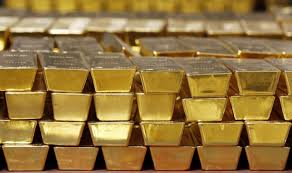
Tools to Track Live Gold Prices in Ghana
Live Gold Price Tracking Tools in Ghana
| Tool / Platform | Type | What It Shows | Why It’s Useful in Ghana |
| Gold Spot Price (LBMA / World Gold Council) | Global benchmark websites | Real-time USD gold price per ounce/gram | Helps you compare Ghana prices with international market rates |
| TradingView | Financial charting platform | Live gold charts, trends, and technical analysis | Useful for tracking price movements and market timing |
| Kitco Gold Price Tracker | Precious metals platform | Live gold price in USD + historical data | One of the most trusted global gold references |
| Bank of Ghana FX Rates Portal | Government website | Daily USD to GHS exchange rates | Essential for converting gold prices into local currency |
| GoldBod / Minerals Commission Updates | Official Ghana gold sector updates | Regulatory pricing signals and market updates | Reflects the official Ghana gold trade environment |
| XE Currency Converter | Currency tool | Real-time USD to GHS exchange rates | Helps calculate accurate local gold prices instantly |
| Investing.com Commodities Section | Financial platform | Live gold spot prices and market news | Tracks global trends affecting Ghana prices |
| Local Licensed Dealer Websites | Industry portals | Ghana-based gold prices per gram/kg | Shows real market rates in Accra and helps compare offers |
| PMMC / Assay Reports | Official certification body | Gold purity and valuation standards | Ensures price accuracy based on verified purity |
| Mobile Trading Apps (Forex & Commodities Apps) | Mobile apps | Real-time gold price alerts | Useful for monitoring prices on the go |
Simple Insight
In Ghana, gold prices are not fixed they change daily based on:
- Global USD gold price (LBMA)
- USD to GHS exchange rate
- Local supply and demand in Accra
- Dealer margins and purity levels
Best Practice for Buyers in Accra
To avoid overpaying:
- Check Kitco or TradingView for the global gold price
- Check the Bank of Ghana exchange rate
- Compare with at least 2 licensed dealers in Accra
- Confirm purity with PMMC assay certificate
Bottom Line
The most reliable way to track gold prices in Ghana is to combine global live price tools (Kitco, TradingView) with local exchange rate data (Bank of Ghana) and licensed dealer quotes in Accra. This gives you the most accurate real-time valuation before buying or investing.
Step-by-Step Process: How to Buy Gold in Accra
| Step | Action | Description | Why It Matters |
| 1 | Research the Market | Check live gold prices (USD and GHS), purity levels (24K, 22K, 18K), and trusted dealers | Helps you understand fair pricing before engaging sellers |
| 2 | Identify Licensed Dealers | Choose dealers registered with the Minerals Commission or GoldBod-linked networks | Ensures you are dealing with legal and verified sellers |
| 3 | Request Verification Documents | Ask for a business license, mining source details, and assay certification | Confirms legitimacy and reduces fraud risk |
| 4 | Inspect Gold Offer | Verify form (bars, dust, nuggets), weight, and stated purity | Ensures the product matches what you are paying for |
| 5 | Check Assay Certificate (PMMC) | Ensure gold is tested and certified by PMMC or an approved assayer | Guarantees authenticity and purity accuracy |
| 6 | Agree on Price | Negotiate based on live market rates and purity level | Prevents overpaying and ensures fair market value |
| 7 | Sign Sales Agreement | Document all terms, including weight, price, and delivery conditions | Provides legal protection for both buyer and seller |
| 8 | Make Secure Payment | Use bank transfer or approved financial channels instead of cash-only deals | Ensures traceability and reduces scam risk |
| 9 | Arrange Export (if applicable) | Work with licensed export agents for documentation and customs clearance | Ensures legal international shipment |
| 10 | Receive Gold & Documents | Collect gold with full paperwork, including invoice and assay certificate | Confirms ownership and legal compliance |
Exporting Gold from Accra: What International Buyers Must Know
Exporting gold from Accra is a highly regulated process designed to ensure transparency, traceability, and compliance with both Ghanaian law and international trade standards. International buyers can export gold legally, but only through licensed channels and approved procedures.
Exporting Gold from Accra: Key Requirements for International Buyers
| Step / Requirement | Description | Why It Is Important |
| Use Licensed Export Dealers | Buyers must work with Minerals Commission–approved or GoldBod-linked export companies | Ensures the transaction is legal and recognized by Ghanaian authorities |
| Obtain Assay Certificate (PMMC) | Gold must be tested and certified for purity and weight | Confirms authenticity and meets international trading standards |
| Export Permit | Issued by the Minerals Commission or the relevant authority | Legally authorizes gold to leave Ghana |
| Customs Declaration | All gold exports must be declared at Ghana Customs (GRA) | Prevents smuggling and ensures compliance with tax laws |
| Invoice & Sales Agreement | Formal documentation of purchase, price, and weight | Provides legal proof of ownership and transaction terms |
| Security Screening | Gold is inspected at the airport cargo terminal (Kotoka International Airport) | Ensures safety and prevents illegal exports |
| Banking & Payment Records | Transactions are typically processed via bank transfer or approved financial systems | Ensures traceability and anti-money laundering compliance |
| Compliance with AML Laws | Must follow Anti-Money Laundering regulations in Ghana | Protects buyers from legal risks and financial penalties |
| International Shipping Coordination | Export handled through licensed logistics and freight companies | Ensures safe delivery to the destination country |
| Final Clearance at Airport Cargo | Gold is cleared before departure through official export desks | Confirms full legal compliance before shipment |
Important note
- Ghana does not allow informal gold exports
- All gold must pass through official regulatory systems (Minerals Commission, Customs, PMMC)
- Export is only safe when handled by licensed companies with full documentation
Common Mistakes International Buyers Should Avoid
| Mistake | Risk |
| Buying from unlicensed dealers | Confiscation or fraud |
| Missing export permit | Legal blockage at customs |
| No assay certificate | Disputed purity or rejection |
| Cash-only deals | No legal protection or traceability |
| Skipping customs declaration | Risk of seizure and penalties |
Export License Requirements and Costs for gold in Ghana (Accra):
| Requirement | What It Means | Issuing Authority | Why It’s Needed |
| Mining/Trading License | Proof that the company is legally allowed to deal in gold | Minerals Commission | Confirms the exporter is legally registered |
| Export License (Gold Export Permit) | Official approval to ship gold out of Ghana | Minerals Commission / GoldBod-linked authority | Legal authorization for export activity |
| Assay Certificate | Certification of purity, weight, and quality of gold | PMMC (Precious Minerals Marketing Company) | Ensures gold meets international standards |
| Tax Identification Number (TIN) | Company tax registration number | Ghana Revenue Authority (GRA) | Required for tax compliance |
| Customs Registration | Registration with Ghana Customs (GRA) | Customs Division | Required for clearance at the port/airport |
| Bank Account & Transaction Records | Proof of financial traceability | Bank of Ghana / Commercial Banks | Ensures AML (anti-money laundering) compliance |
| Sales Agreement / Invoice | Contract between buyer and seller | Licensed dealer/exporter | Confirms ownership and transaction details |
| Export Declaration Form | Official customs export documentation | Ghana Customs (GRA) | Required for physical shipment clearance |
Estimated Costs of Exporting Gold in Ghana
| Cost Item | Estimated Range | Description |
| Export License Fee | $5,000 – $20,000+ annually | Depends on company size and export volume |
| Assay Fees (PMMC) | $0.50 – $2 per gram (approx.) | Cost for purity testing and certification |
| Customs Processing Fees | $200 – $1,000 per shipment | Administrative clearance costs |
| Security & Handling Fees | $500 – $3,000 per shipment | Airport security, transport, and handling |
| Logistics & Freight | Varies ($1,000 – $10,000+) | Depends on destination and shipment size |
| Tax/Royalty Charges | 3%–5% (approx.) | Based on the gold value and the export policy |
Key note
- Exporting gold in Ghana is not a one-time permit system—it requires ongoing licensing and compliance
- Costs vary depending on volume, purity, and destination country
- Most reliable exporters operate through licensed Minerals Commission or GoldBod-approved channels
Shipping Gold Internationally from Kotoka Airport
Shipping gold internationally from Kotoka International Airport (KIA) in Accra is a tightly controlled process designed to ensure security, traceability, and full legal compliance with Ghanaian and international regulations. All gold exports must pass through official airport cargo procedures and cannot be shipped informally.
Shipping Gold Internationally from Kotoka Airport (Step-by-Step)
| Step | Process | Description | Key Authority Involved |
| 1 | Engage Licensed Exporter | Work with a Minerals Commission–approved or GoldBod-linked export company | Minerals Commission |
| 2 | Verify Gold Purity | Gold is tested and certified for weight and purity | PMMC (Assay Certificate) |
| 3 | Obtain Export Permit | Official approval to export gold from Ghana | Minerals Commission / Relevant Authority |
| 4 | Prepare Documentation | Invoice, sales agreement, TIN, and customs declaration | Ghana Revenue Authority (GRA) |
| 5 | Security Screening | Gold is inspected and secured before airport entry | Airport Security & Customs |
| 6 | Transport to Cargo Terminal | Gold is moved under secure escort to the Kotoka Cargo facility | Licensed logistics/security providers |
| 7 | Customs Clearance | Ghana Customs verifies the documents and the legality of shipments | GRA Customs Division |
| 8 | Final Airport Inspection | Physical inspection and verification of sealed shipment | Airport Cargo Authority |
| 9 | Air Freight Booking | Gold is assigned to an approved cargo flight | Airline cargo department |
| 10 | International Release | Shipment departs for the destination country | Customs + Airline + Exporter |
Key Requirements for Safe Export
- PMMC Assay Certificate (mandatory)
- Export permit from the Minerals Commission
- Valid sales invoice and contract
- Customs declaration form
- Secure packaging in tamper-proof containers
- Registered export agent handling shipment
Security Features at Kotoka Airport
| Feature | Purpose |
| Armed cargo security escorts | Protect gold during movement |
| CCTV-monitored cargo zones | Prevent theft or unauthorized access |
| Sealed tamper-proof packaging | Ensures no manipulation of gold |
| Multi-agency inspection (Customs + Security) | Confirms legal compliance |
| Restricted cargo access zones | Only authorized personnel are allowed |
Common Mistakes to Avoid
| Mistake | Risk |
| Using unlicensed exporters | Confiscation or fraud |
| Missing export permit | Shipment blocked at customs |
| No assay certificate | Gold may be rejected internationally |
| Informal airport handling | Legal penalties and seizure |
| Undeclared gold shipment | Serious customs violations |
note
Shipping gold from Kotoka International Airport is safe and internationally recognized only when handled through licensed exporters, PMMC certification, and full customs compliance. Ghana’s strict airport export system ensures that all gold shipments are traceable, secure, and globally accepted, making Accra one of Africa’s most reliable gold export hubs.
GoldBod’s Role in Export Verification and Anti-Smuggling
GoldBod’s role in export verification and anti-smuggling is centered on tightening Ghana’s gold supply chain so that only legally sourced, traceable, and certified gold leaves the country through official channels.
GoldBod’s Role in Export Verification and Anti-Smuggling
| Function Area | What GoldBod Does | How It Works | Impact on Gold Trade |
| Export Verification | Confirms the gold origin before export | Gold is checked through registered aggregators and licensed dealers | Ensures only legally mined gold enters the export system |
| Traceability System | Tracks gold from the mine to the export point | Uses documentation and digital tracking of ASM and licensed miners | Reduces “unknown source” gold in the market |
| Aggregator Network Control | Manages licensed gold collectors | Gold is first sold to approved GoldBod aggregators | Eliminates informal middlemen and unregulated buying |
| Compliance Monitoring | Ensures dealers follow mining laws | Regular audits and licensing checks | Prevents illegal trading activities |
| Anti-Smuggling Enforcement | Works with security agencies | Identifies illegal routes and unregistered exports | Reduces gold smuggling across borders |
| Data Integration | Links production, sales, and export data | Centralized reporting of gold volumes | Improves transparency and government oversight |
| Coordination with Customs | Supports airport and border inspections | Shares export data with Ghana Customs (GRA) | Strengthens detection of undeclared shipments |
| Formalization of the ASM Sector | Brings small-scale miners into the legal system | Registers and regulates artisanal miners | Reduces illegal mining and informal trade |
Key Insight
GoldBod acts as a control bridge between miners, dealers, and exporters, ensuring that every stage of the gold supply chain is documented and verified before export.
Why This Matters
| Problem Before Reforms | GoldBod Solution |
| Informal gold trading | Mandatory aggregator system |
| Smuggling through borders | Traceable export documentation |
| Fake or unverified gold | Centralized assay and verification |
| Revenue loss to the state | Improved official export capture |
| Weak tracking systems | Digital and institutional monitoring |
Note. GoldBod strengthens Ghana’s gold export system by ensuring full traceability, strict verification, and coordinated anti-smuggling enforcement, making Accra’s gold market more secure, transparent, and internationally trusted.
Frequently Asked Questions About Buying Gold in Accra
- Is it legal to buy gold in Accra, Ghana?
Yes, it is legal to buy gold in Accra as long as you purchase from licensed dealers approved by the Minerals Commission or GoldBod-linked channels. - Can foreigners buy gold in Accra?
Yes, foreigners can legally buy gold in Ghana, but they must use licensed dealers and follow official export procedures. - Where is the safest place to buy gold in Accra?
The safest places are licensed gold dealers, PMMC-certified offices, and GoldBod-registered aggregators. - What purity of gold is sold in Accra?
Gold in Accra is commonly sold in 24K, 22K, and 18K purity levels, depending on the buyer’s purpose. - How is gold priced in Accra?
Gold prices are based on the global USD spot price, converted to Ghanaian cedi (GHS) using the current exchange rate, plus dealer margins. - Do I need a license to buy gold in Ghana?
No license is needed for buyers, but sellers and exporters must be licensed by the Minerals Commission. - How do I verify if a gold dealer is legit in Accra?
Check if they are registered with the Minerals Commission or part of GoldBod-linked networks and request their license. - Can I export gold after buying it in Accra?
Yes, but only through licensed exporters with an official export permit, PMMC certificate, and customs clearance. - What is PMMC in Ghana’s gold trade?
PMMC (Precious Minerals Marketing Company) is responsible for assaying gold and certifying its purity and authenticity. - Why are gold prices in Accra competitive?
Because Ghana is a major producer of gold is sourced locally, reducing middleman costs and transportation expenses. - Is it safe to buy gold in Accra?
Yes, it is safe when you deal with licensed dealers and follow regulated procedures with proper documentation. - What documents are needed to buy gold in Ghana?
Typically, you need an invoice, assay certificate, and sales agreement from a licensed dealer. - How can I avoid gold scams in Accra?
Avoid unlicensed sellers, always request PMMC certification, and never accept cash-only deals without documentation. - What is GoldBod’s role in gold buying?
GoldBod helps aggregate, verify, and regulate gold from miners to ensure legal and traceable transactions. - What is the minimum amount of gold I can buy in Accra?
There is no strict minimum, but most licensed dealers prefer transactions starting from small grams to larger investment quantities (1g–1kg+).